Polymer Films of 2-(Azulen-1-yldiazenyl)-5-(thiophen-2-yl)-1,3,4-thiadiazole: Surface Characterization and Electrochemical Sensing of Heavy Metals
Cornelia Musina (Borsaru), Mihaela Cristea, Raluca Gavrilă, Oana Brincoveanu, Florin Constantin Comănescu, Veronica Anăstăsoaie, Gabriela Stanciu, Eleonora-Mihaela Ungureanu

TL;DR
This paper introduces a new polymer film that can detect lead in water with high sensitivity, potentially useful for environmental monitoring.
Contribution
A novel redox-active polymer film is developed for highly sensitive lead detection in aqueous solutions.
Findings
The polymer films show high affinity for lead ions in aqueous solutions.
The detection limit for Pb(II) is below 10−8 M in non-optimized conditions.
The films are suitable for use in portable environmental monitoring systems.
Abstract
This work introduces 2-(azulen-1-yldiazenyl)-5-(thiophen-2-yl)-1,3,4-thiadiazole (L) as a functional monomer capable of forming stable, redox-active films with high affinity for lead in aqueous solutions. L was synthesized and characterized using physical chemical methods and electrochemistry. Polymer films of L were prepared through oxidative electro polymerization on glassy carbon electrodes in L solutions in 0.1 M TBAP in acetonitrile. They were characterized through electrochemistry. The surface of chemically modified electrodes (CMEs) prepared through controlled potential electrolysis (CPE) at variable concentrations, potentials, and electric charges was characterized through scanning electron spectroscopy, atomic force microscopy, and Raman spectroscopy, which confirmed the films’ formation. Electrochemical sensing of the films deposited on these CMEs was tested with respect to…
Genes, proteins, chemicals, diseases, species, mutations and cell lines named across the full text — each resolved to its canonical identifier and authoritative record.
Click any figure to enlarge with its caption.
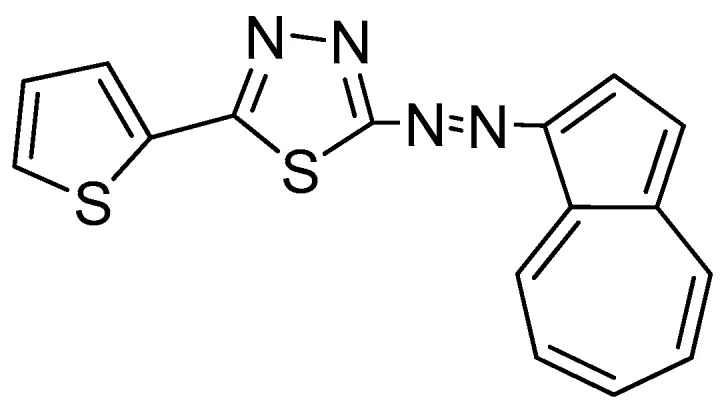 Figure 1
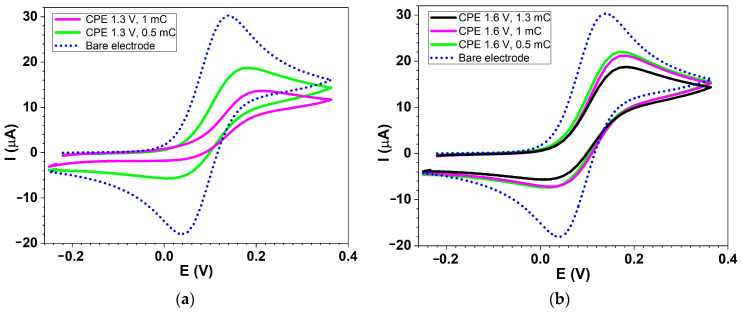 Figure 2
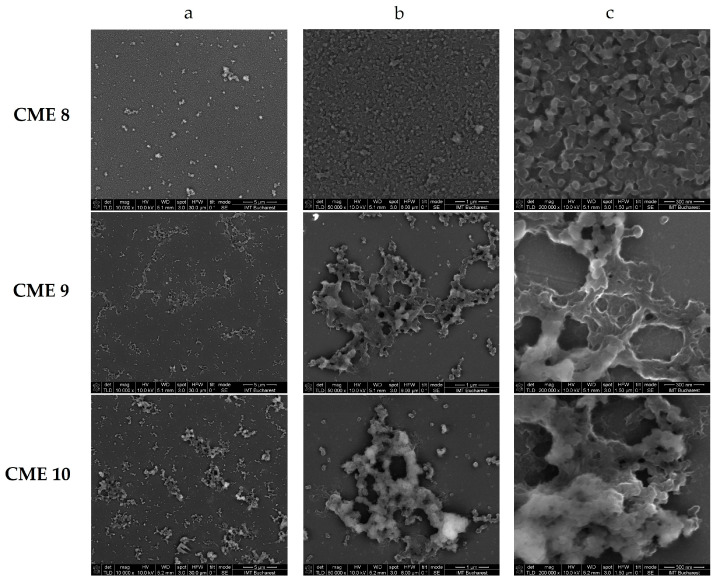 Figure 3
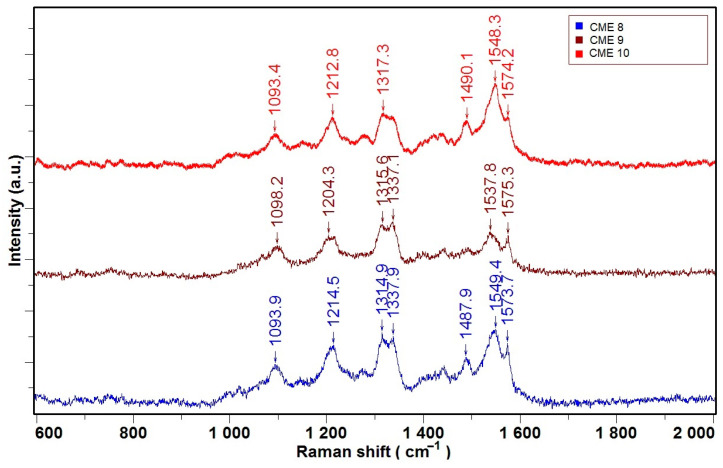 Figure 4
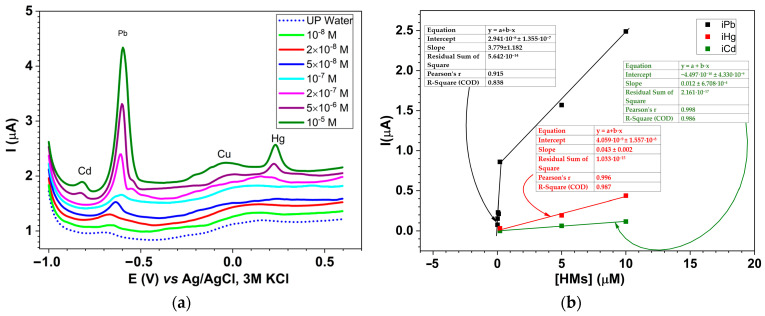 Figure 5
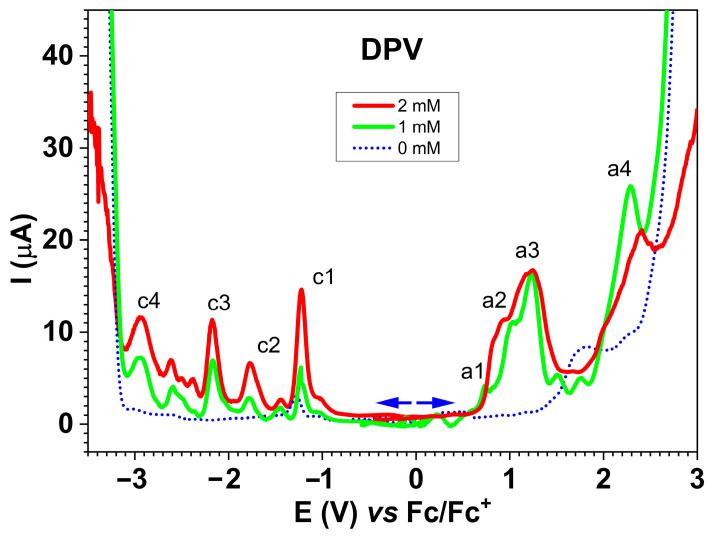 Figure 6
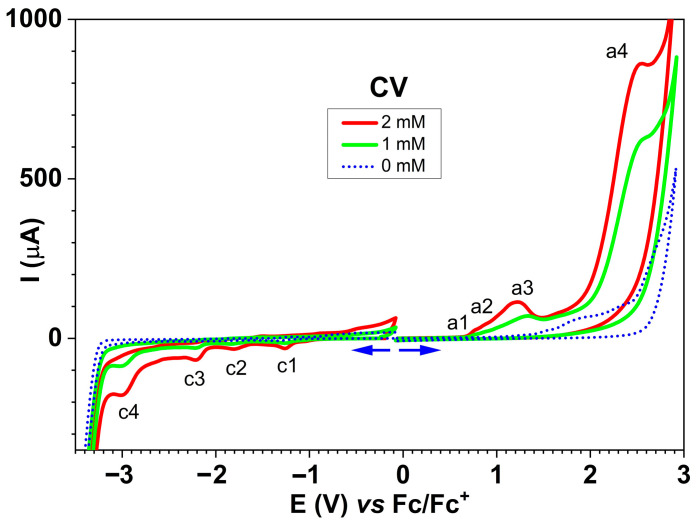 Figure 7
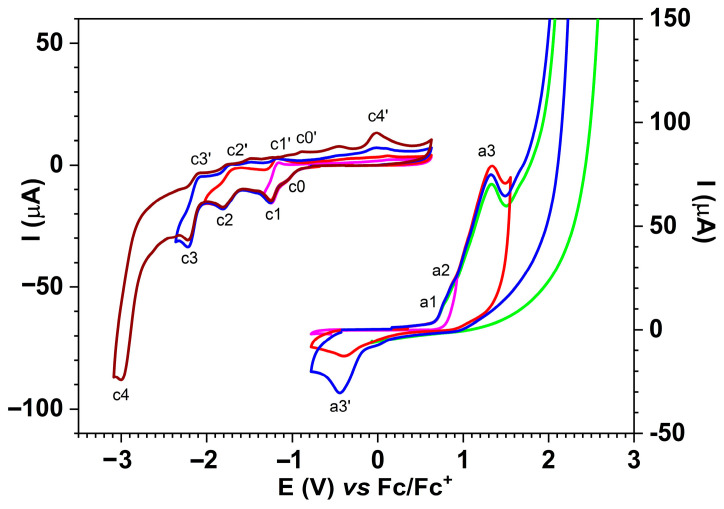 Figure 8
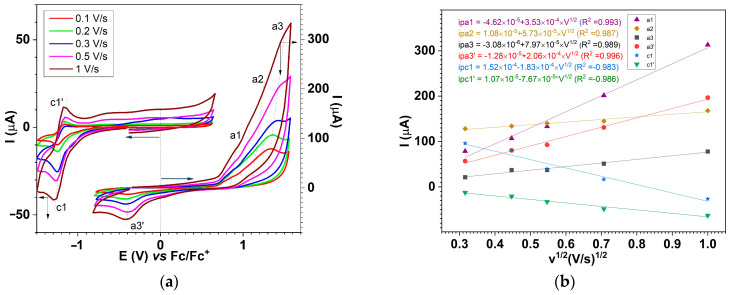 Figure 9
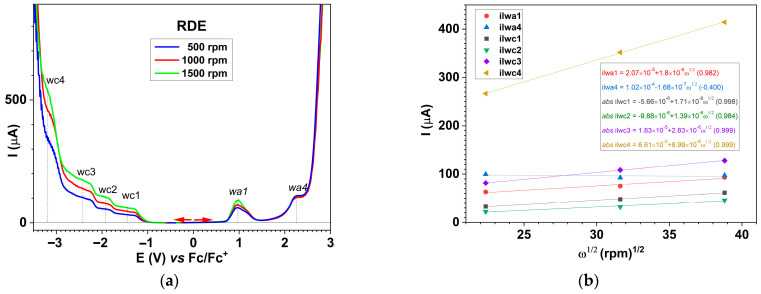 Figure 10
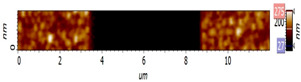 Figure 11
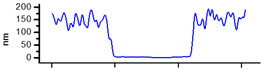 Figure 12
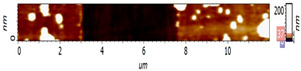 Figure 13
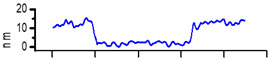 Figure 14
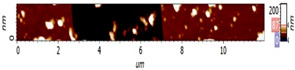 Figure 15
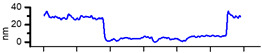 Figure 16
Peer Reviews
No public reviews on file for this paper yet. If you reviewed it on a platform where reviews are public (OpenReview, ICLR, NeurIPS, ICML), you can paste yours below so the community can read it here.
Videos
No videos yet. Explain this paper in a talk, walkthrough, or lecture? Add one.
Taxonomy
TopicsElectrochemical Analysis and Applications · Conducting polymers and applications · Analytical Chemistry and Sensors