Tunable Bandgap in Cobalt-Doped FeS2 Thin Films for Enhanced Solar Cell Performance
Eder Cedeño Morales, Yolanda Peña Méndez, Sergio A. Gamboa-Sánchez, Boris Ildusovich Kharissov, Tomás C. Hernández García, Marco A. Garza-Navarro

TL;DR
Cobalt-doped FeS2 thin films with tunable bandgaps and improved solar cell performance were created using chemical bath deposition and annealing.
Contribution
The study introduces a novel method to synthesize Co-doped FeS2 thin films with tunable bandgaps and enhanced optoelectronic properties.
Findings
Cobalt-doped FeS2 thin films showed strong visible and near-infrared absorption and tunable direct bandgaps (1.14 to 0.96 eV).
Annealing increased conductivity by four orders of magnitude and stabilized p-type behavior via Co2+ acceptor states.
The films exhibited compact quasi-spherical nanoparticle morphologies and improved crystallinity after annealing.
Abstract
Cobalt-doped iron disulfide (FeS2) thin films were synthesized via chemical bath deposition (CBD) followed by annealing at 450 °C, yielding phase-pure pyrite structures with multifunctional properties. A deposition temperature of 95 °C is critical for promoting Co incorporation, suppressing sulphur vacancies, and achieving structural stabilization of the film. After annealing, the dendritic morphologies transformed into compact quasi-spherical nanoparticles (~100 nm), which enhanced the crystallinity and optoelectronic performance of the films. The films exhibited strong absorption (>50%) in the visible and near-infrared regions and tunable direct bandgaps (1.14 to 0.96 eV, within the optimal range for single-junction solar cells. Electrical characterization revealed a fourth-order increase in conductivity after annealing (up to 4.78 Ω−1 cm−1) and confirmed stable p-type behavior…
Genes, proteins, chemicals, diseases, species, mutations and cell lines named across the full text — each resolved to its canonical identifier and authoritative record.
Click any figure to enlarge with its caption.
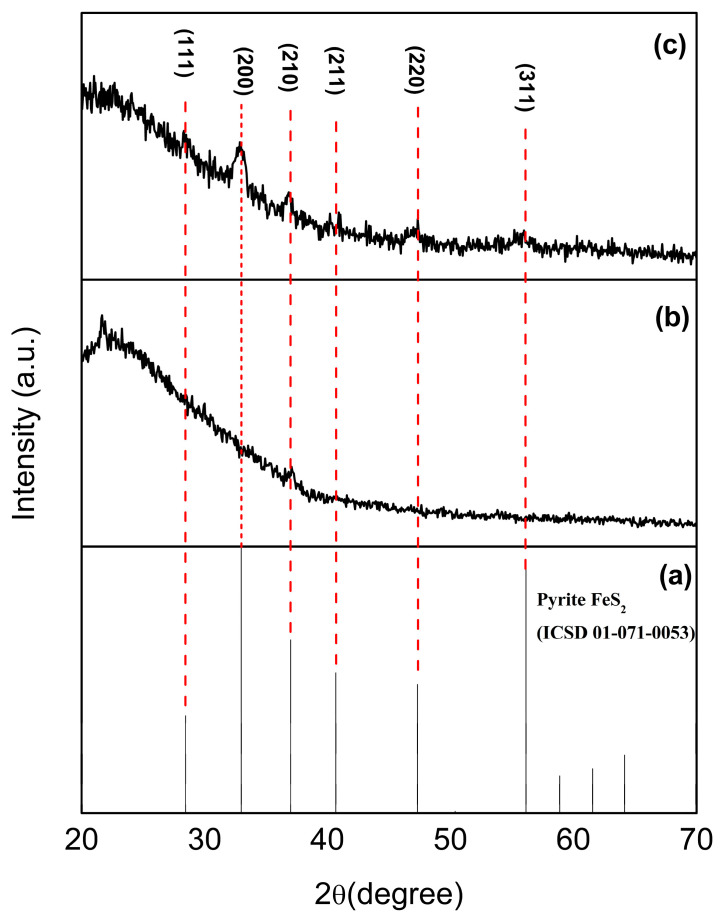 Figure 1
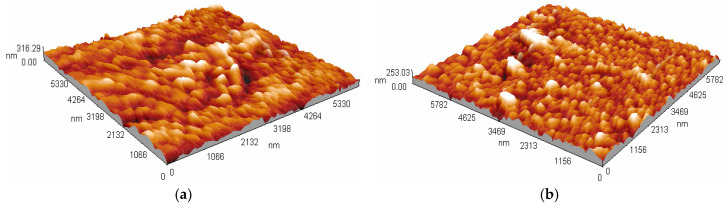 Figure 2
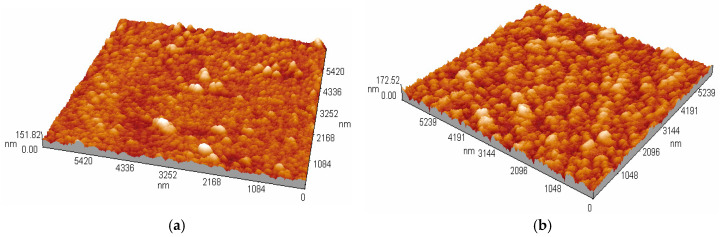 Figure 3
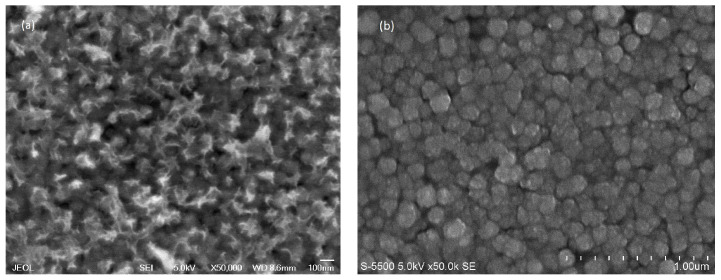 Figure 4
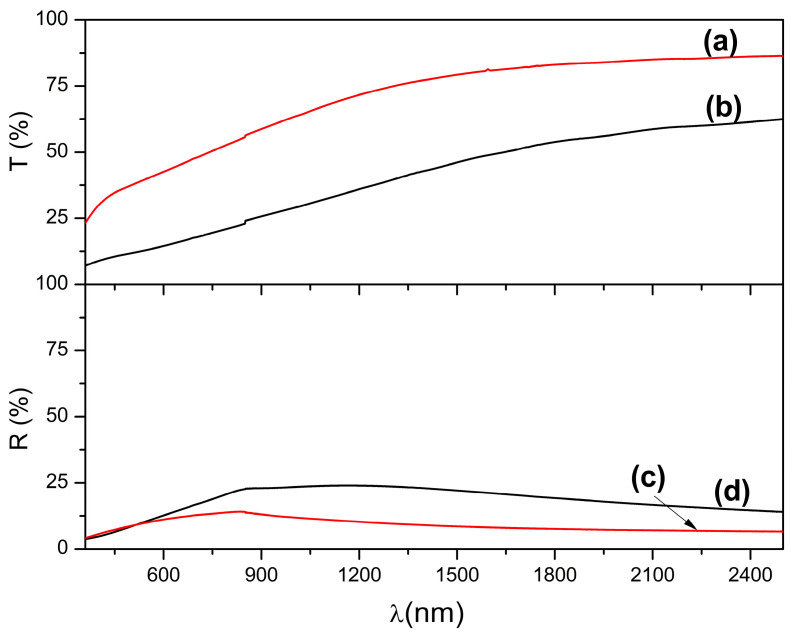 Figure 5
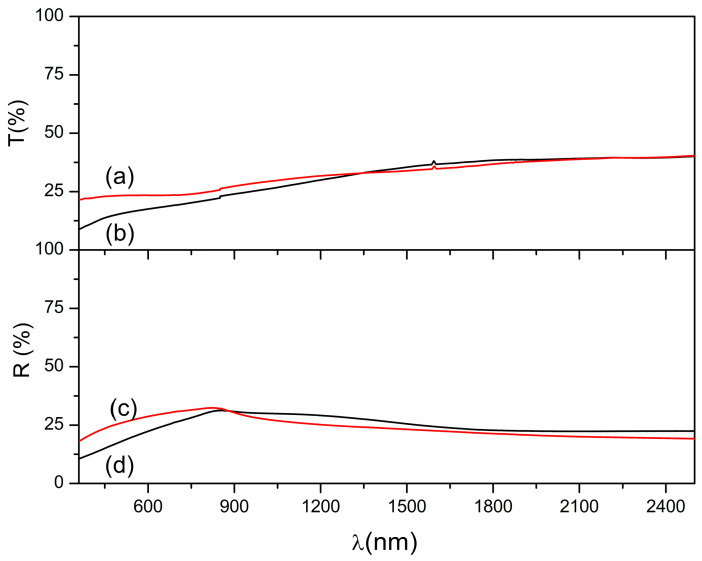 Figure 6
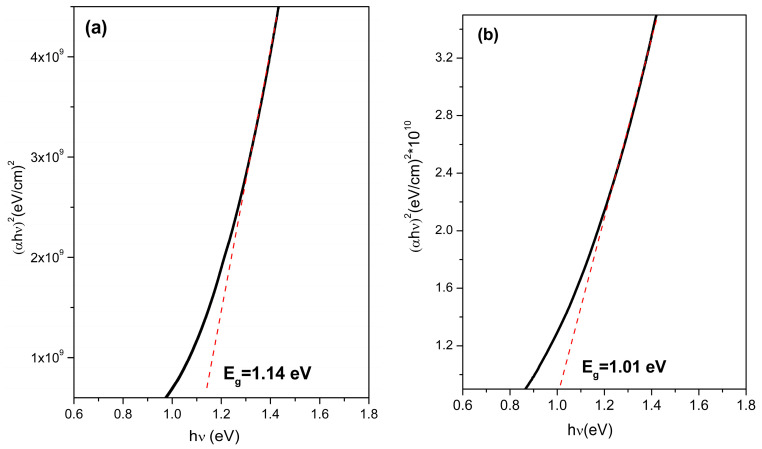 Figure 7
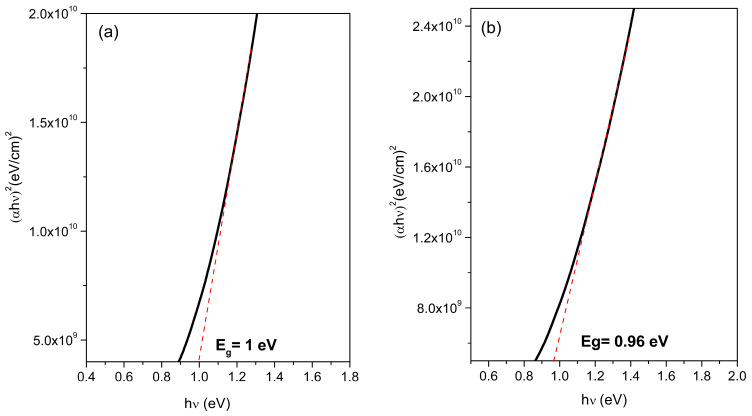 Figure 8
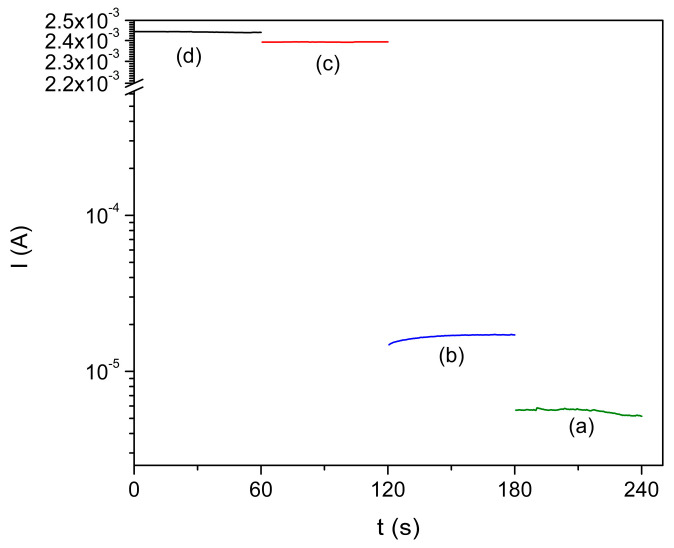 Figure 9
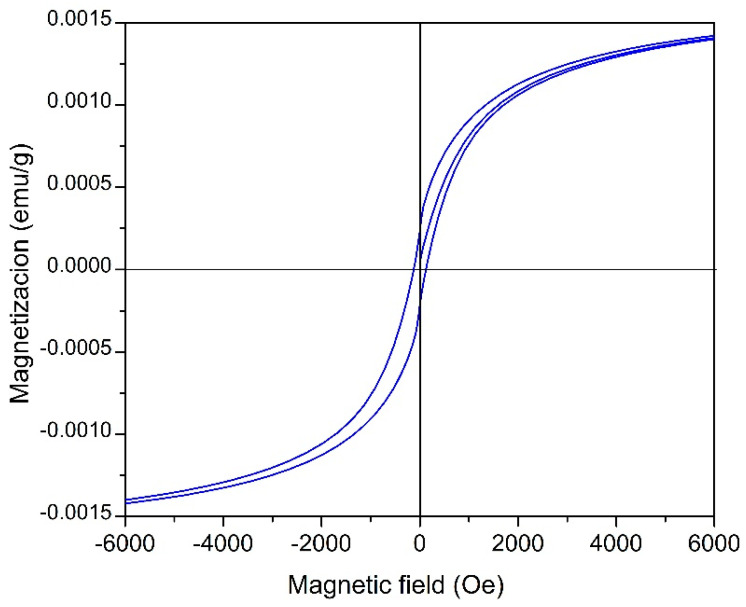 Figure 10
Peer Reviews
No public reviews on file for this paper yet. If you reviewed it on a platform where reviews are public (OpenReview, ICLR, NeurIPS, ICML), you can paste yours below so the community can read it here.
Videos
No videos yet. Explain this paper in a talk, walkthrough, or lecture? Add one.
Taxonomy
TopicsMetal Extraction and Bioleaching · Chalcogenide Semiconductor Thin Films · Minerals Flotation and Separation Techniques