Mercury Removal Using Sulfur-Decorated Chitosan Polymer Nanocomposites: Adsorption Performance and Mechanisms
Mvula Confidence Goci, Anny Leudjo Taka, Lynwill Garth Martin, Vernon Sydwill Somerset, Michael John Klink

TL;DR
This paper introduces a new nanocomposite material that efficiently removes mercury from water, offering a promising solution for environmental protection.
Contribution
The novelty lies in the synthesis of sulfur-modified chitosan nanocomposites with enhanced mercury adsorption performance.
Findings
The nanocomposites achieved over 95% mercury removal efficiency under optimized conditions.
Adsorption followed a pseudo-second-order kinetic model and Langmuir isotherm, indicating monolayer adsorption.
Optimal conditions varied slightly between the two nanocomposite types, with pH and contact time being critical factors.
Abstract
In this work, pCh-MWCNTs@Ag-TiO2/S and pCh-MWCNTs@Ag-TiO2 nanocomposites were synthesized through a combined phosphorylation and cross-linked polymerization method. The materials were thoroughly characterized using several analytical techniques, including SEM/EDS, FTIR, TGA, and BET analysis. SEM images revealed that the pCh-MWCNTs@Ag-TiO2/S nanocomposite displayed a smooth, flake-like morphology with spherical, dark greenish particles. EDS analysis confirmed the presence of Si, S, P, and Ag as prominent elements, with Ti, C, and O showing the most intense peaks. The TGA curves indicated significant weight loss between 250–610 °C for pCh-MWCNTs@Ag-TiO2 and 210–630 °C for pCh-MWCNTs@Ag-TiO2/S, corresponding to the decomposition of organic components. FTIR spectra validated the existence of functional groups such as hydroxyl (-OH), carboxyl (-COOH), and carbonyl (-C=O) on the surface of…
Genes, proteins, chemicals, diseases, species, mutations and cell lines named across the full text — each resolved to its canonical identifier and authoritative record.
Click any figure to enlarge with its caption.
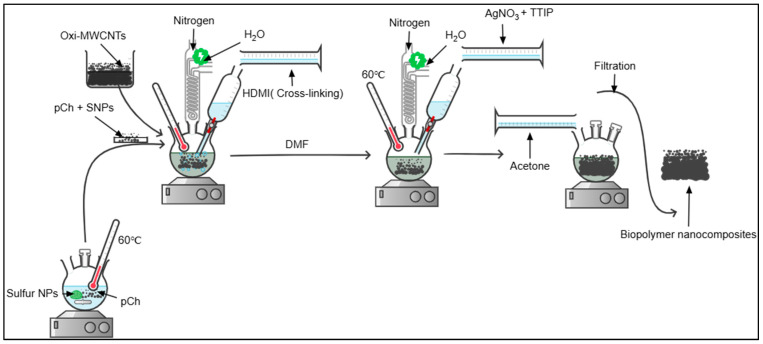 Figure 1
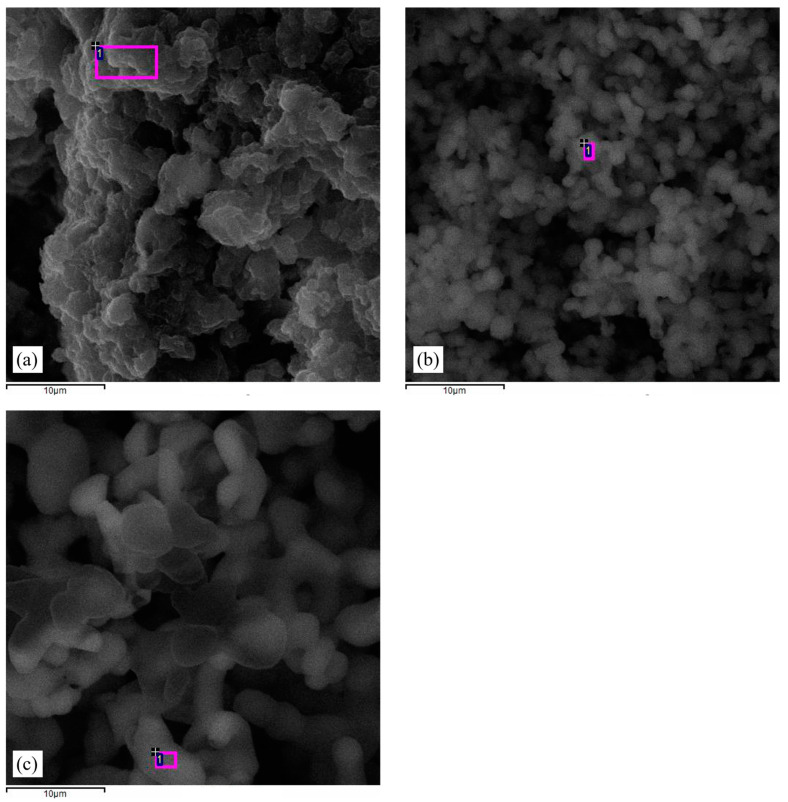 Figure 2
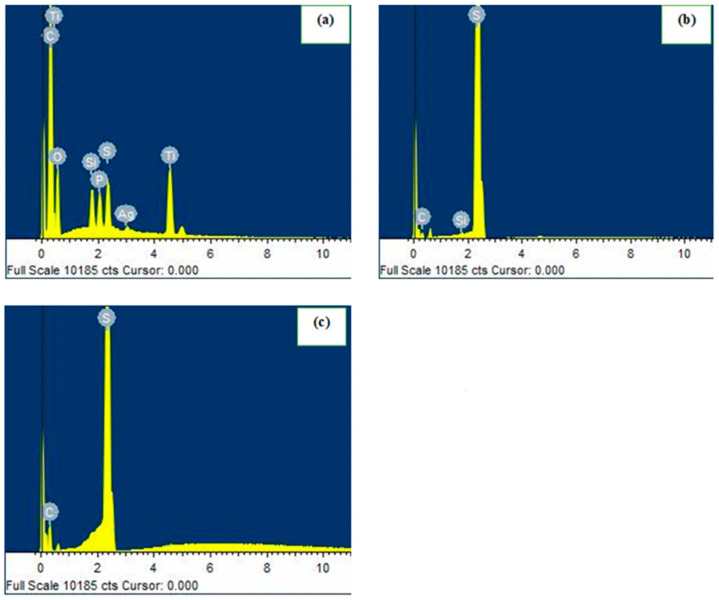 Figure 3
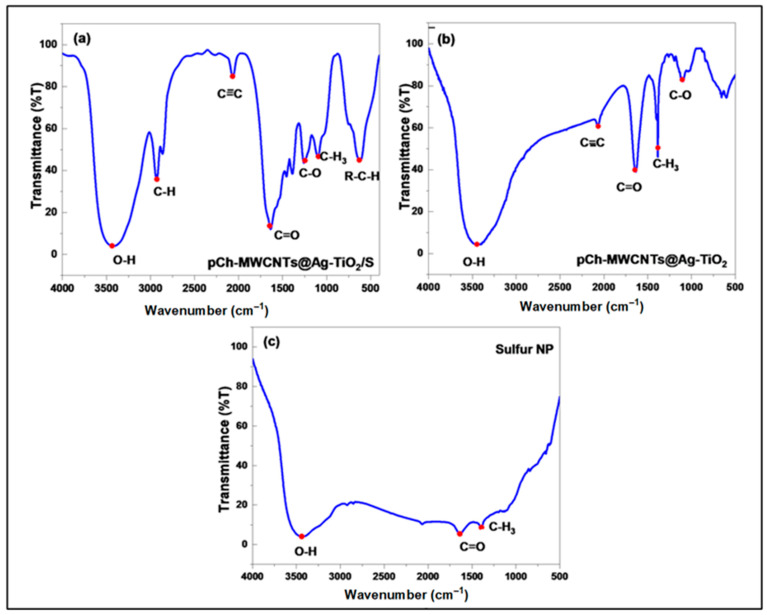 Figure 4
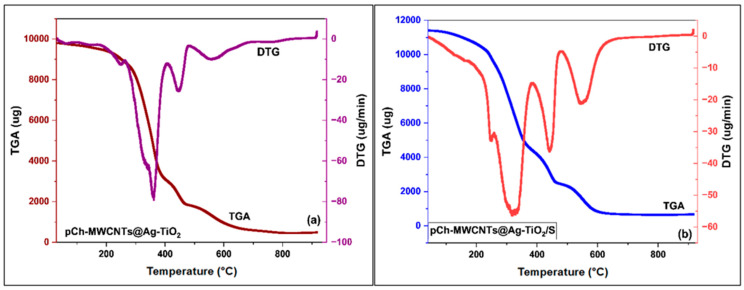 Figure 5
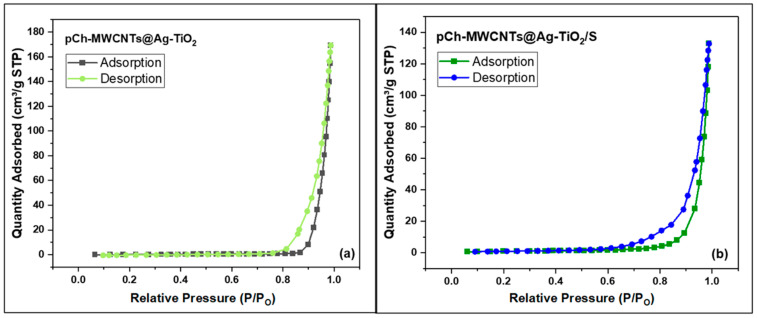 Figure 6
 Figure 7
 Figure 8
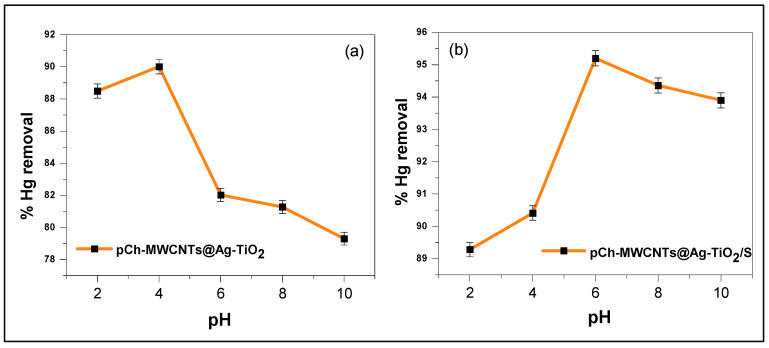 Figure 9
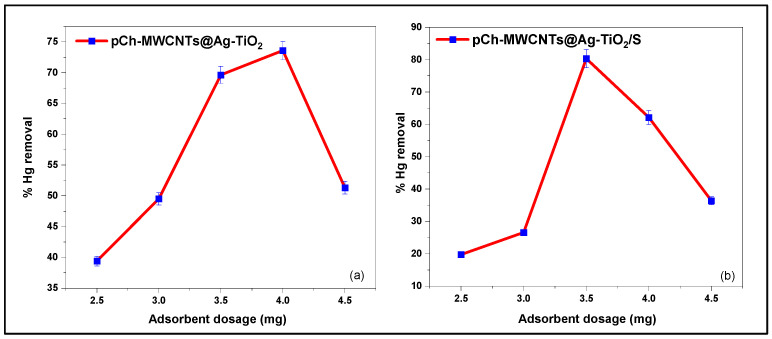 Figure 10
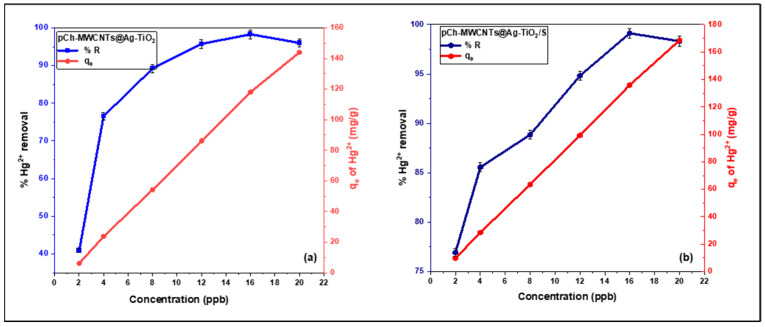 Figure 11
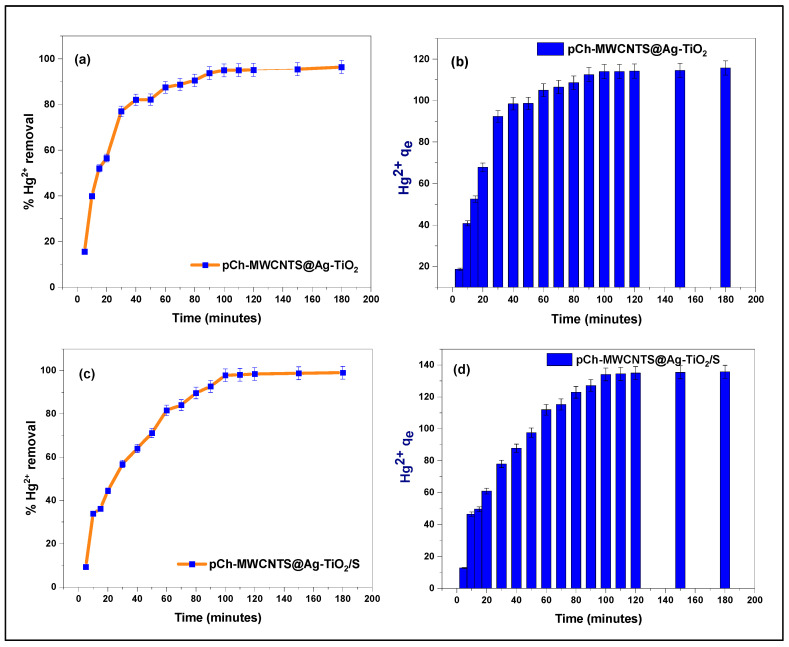 Figure 12
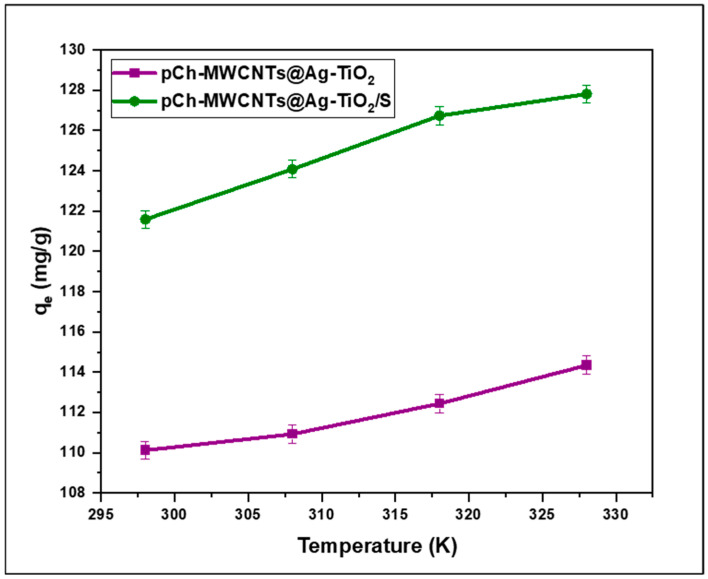 Figure 13
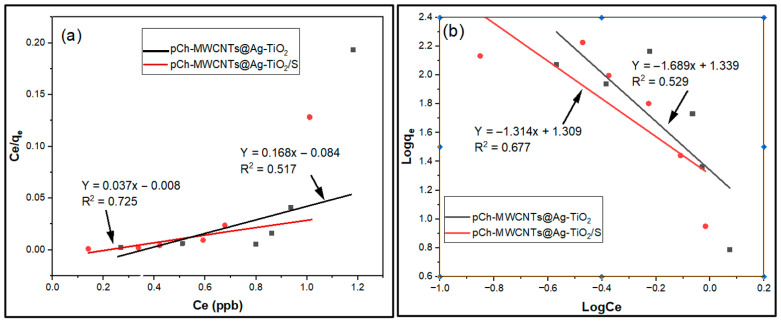 Figure 14
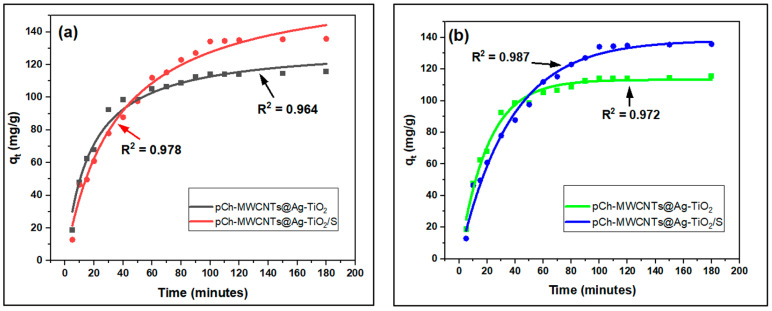 Figure 15
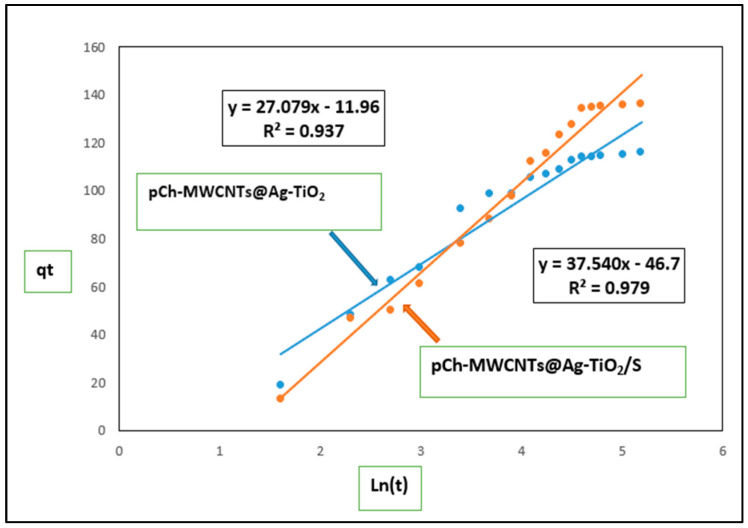 Figure 16
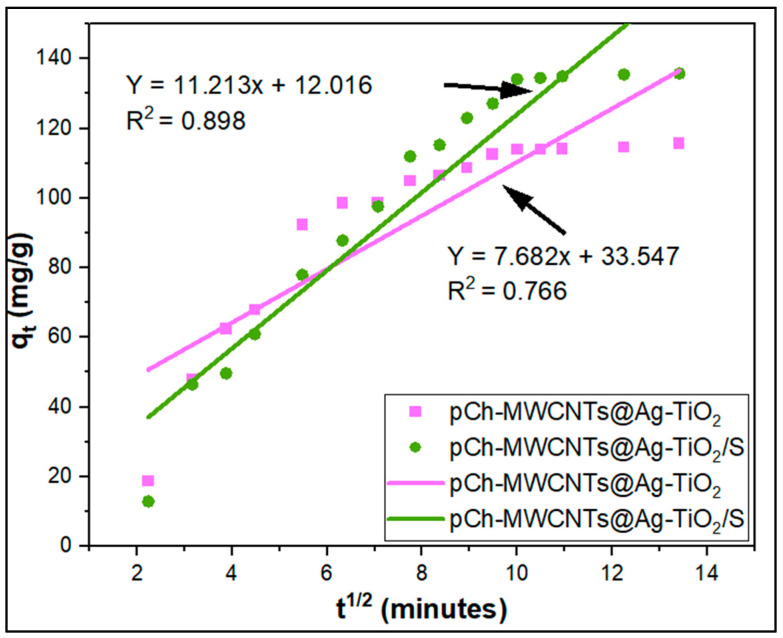 Figure 17
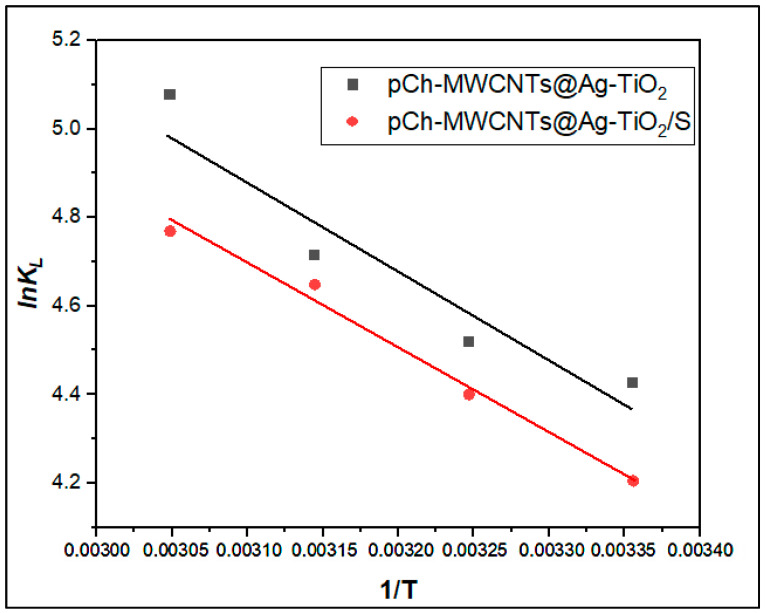 Figure 18
Peer Reviews
No public reviews on file for this paper yet. If you reviewed it on a platform where reviews are public (OpenReview, ICLR, NeurIPS, ICML), you can paste yours below so the community can read it here.
Videos
No videos yet. Explain this paper in a talk, walkthrough, or lecture? Add one.
Taxonomy
TopicsAdsorption and biosorption for pollutant removal · Mercury impact and mitigation studies · Advanced Photocatalysis Techniques