Quantitative Profiling of Phenolic Constituents in Hypericum perforatum L. via HPLC–PDA and HPLC–ECD: A Chemometric Approach
Andrin Tahiri, Zamir Damani, Dritan Topi

TL;DR
This study uses advanced HPLC techniques to analyze and quantify phenolic compounds in St. John’s wort, revealing how growing conditions affect its chemical composition.
Contribution
The study introduces a chemometric approach to show how altitude and climate influence the composition of biologically active compounds in St. John’s wort.
Findings
PDA method detected gallic acid, hyperoside, quercetin, and hyperforin with high accuracy and precision.
ECD provided comparable quantification of phenolic compounds across different plant parts.
Climatic factors at high altitudes significantly influence the content and ratio of active compounds in St. John’s wort.
Abstract
(1) Background: Medicinal plants are widely used in folk medicine. Hypericum perforatum L. (St. John’s wort) is a medicinal plant that is used domestically and exported to other countries. This study addresses the need to develop methods for determining the composition and content of St. John’s wort to determine its biological activity. (2) Methods: High-performance liquid chromatography (HPLC) equipped with an Electrochemical Detector (ECD) and a Photodiode Array Detector (PDA) was employed to identify and quantify major phenolic compounds—gallic acid, catechin, epicatechin, hyperoside, quercetin, and hyperforin—in extracted and lyophilized St. John’s wort flower; stem; and leaf samples. Key analytes exhibited linear responses across both detection systems, within a quantification range of 0.5–10 µg/mL. (3) Results: The PDA method, validated according to ICH Q2(R1) guidelines,…
Genes, proteins, chemicals, diseases, species, mutations and cell lines named across the full text — each resolved to its canonical identifier and authoritative record.
Click any figure to enlarge with its caption.
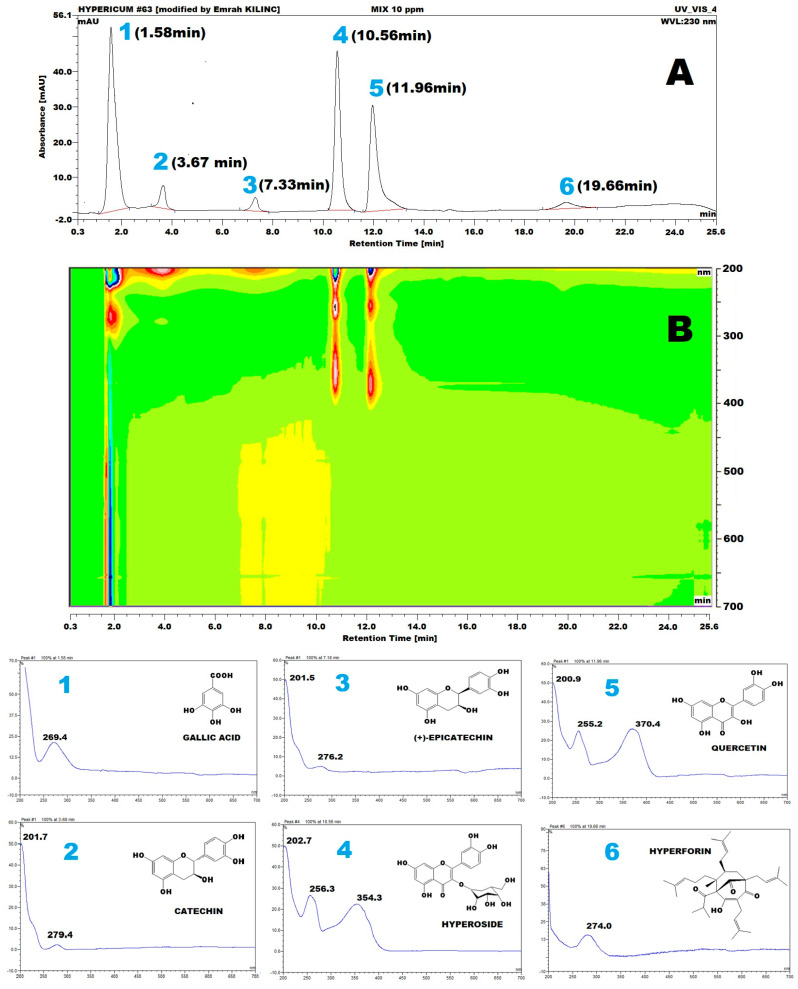 Figure 1
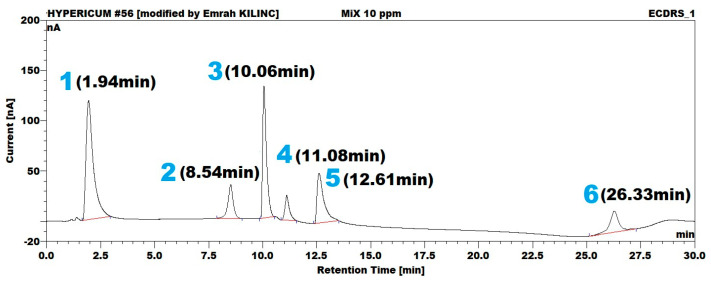 Figure 2
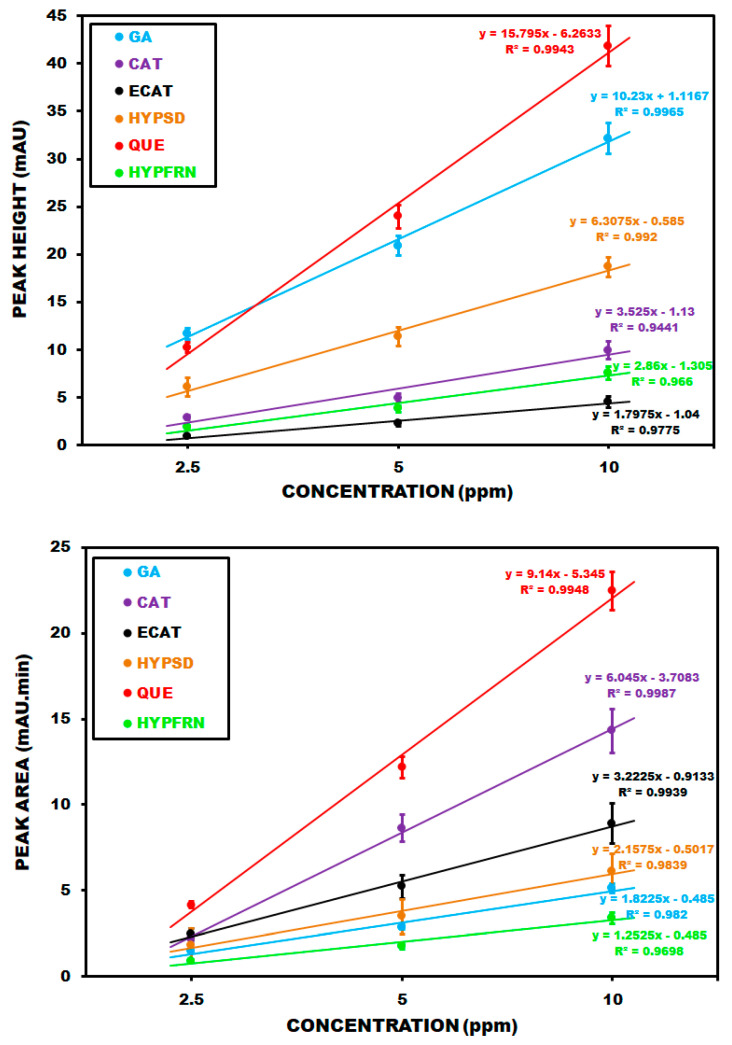 Figure 3
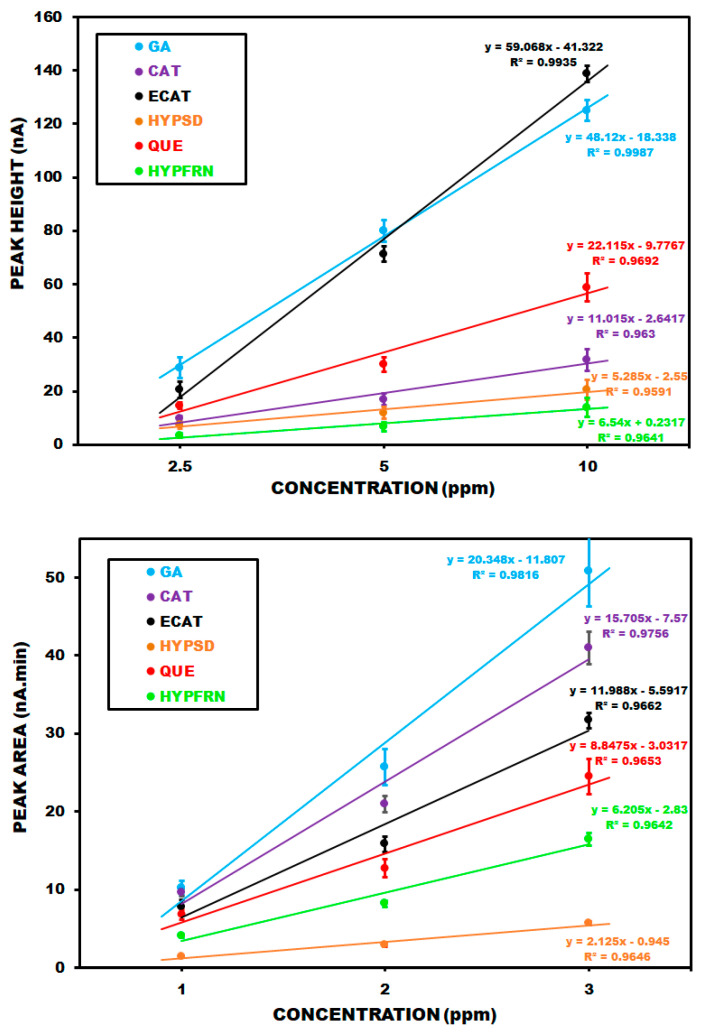 Figure 4
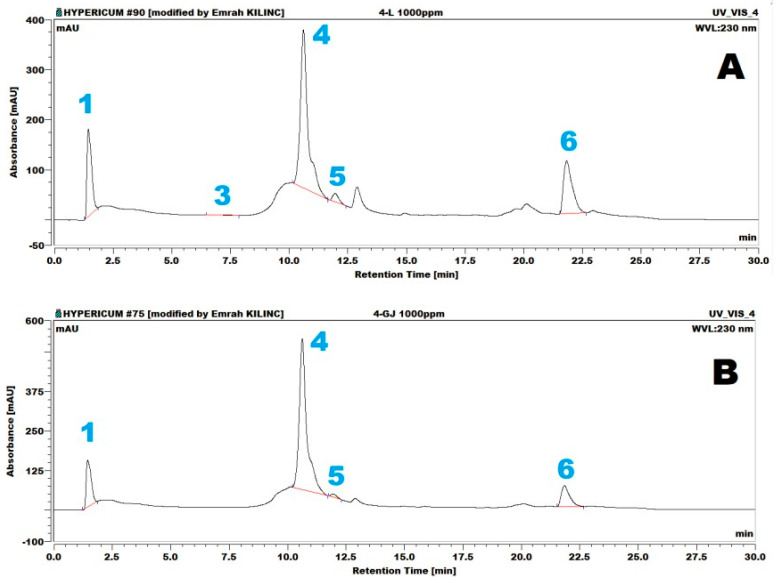 Figure 5
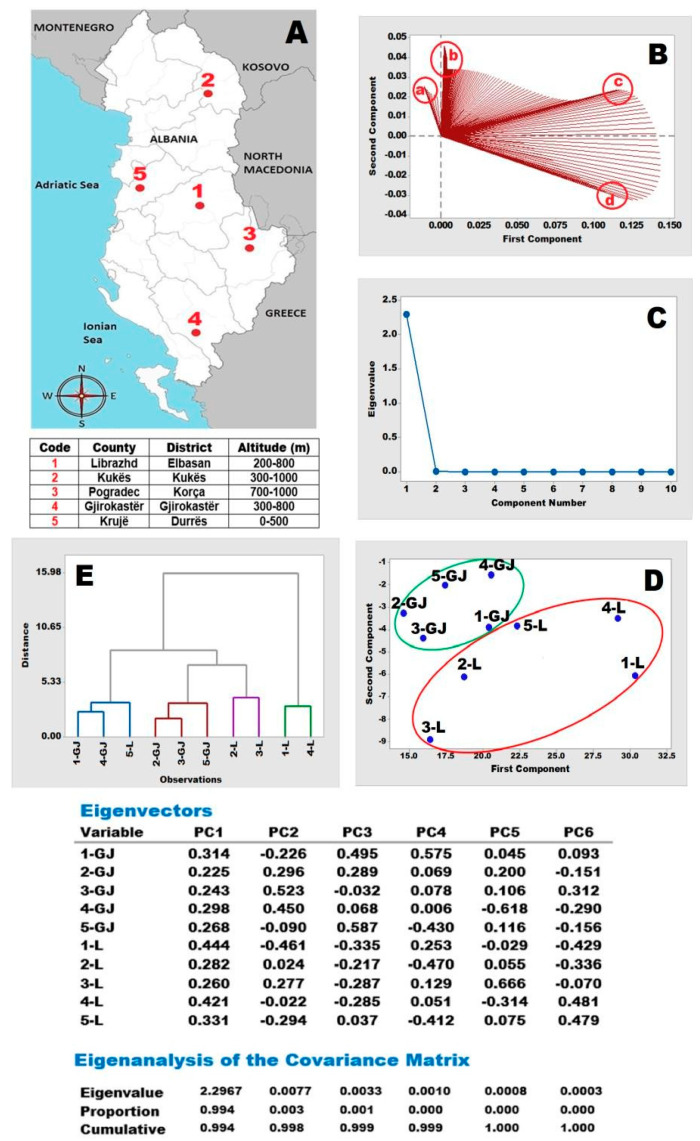 Figure 6
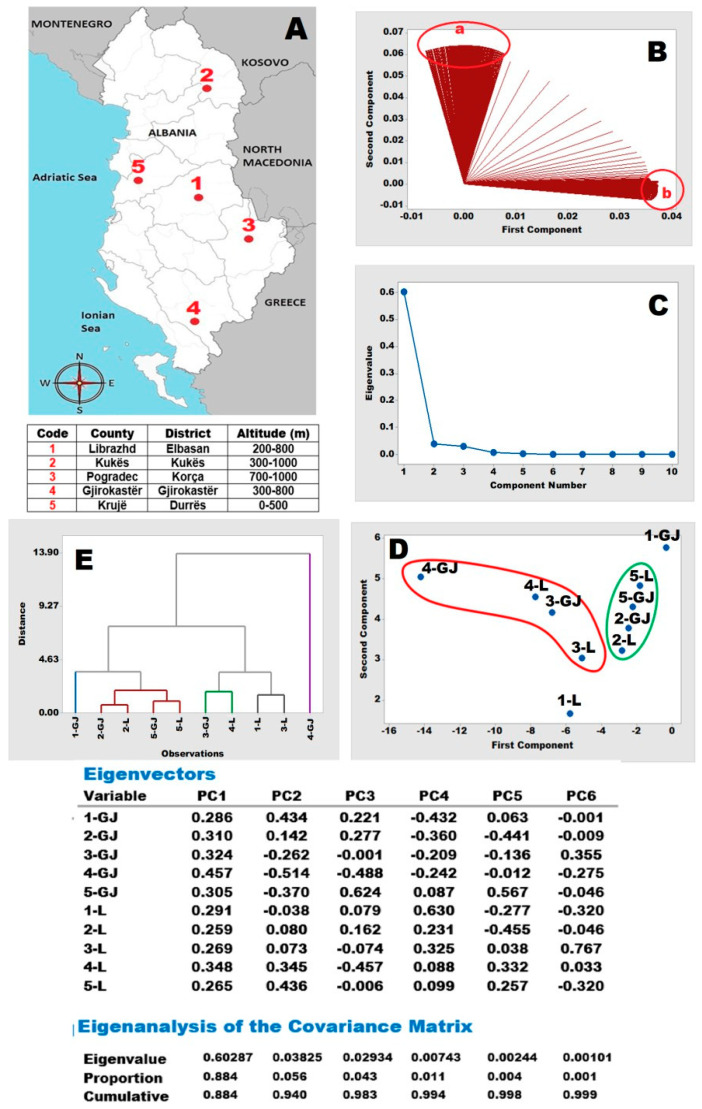 Figure 7
Peer Reviews
No public reviews on file for this paper yet. If you reviewed it on a platform where reviews are public (OpenReview, ICLR, NeurIPS, ICML), you can paste yours below so the community can read it here.
Videos
No videos yet. Explain this paper in a talk, walkthrough, or lecture? Add one.
Taxonomy
TopicsNatural Compound Pharmacology Studies · Biochemical Analysis and Sensing Techniques · Biological and pharmacological studies of plants