Synergistic Regulation of δ-MnO2 Cathode via Crystal Engineering and pH Buffering for Long-Cycle Aqueous Zinc-Ion Batteries
Fan Zhang, Haotian Yu, Qiongyue Zhang, Yahao Wang, Haodong Ren, Huirong Liang, Jinrui Li, Yuanyuan Feng, Bin Zhao, Xiaogang Han

TL;DR
This paper presents a strategy to improve the performance and cycle life of aqueous zinc-ion batteries using crystal engineering and pH buffering.
Contribution
A synergistic approach combining crystal engineering and pH buffer regulation is introduced to enhance MnO2 cathode stability in ZIBs.
Findings
δ-MnO2 with flower-like microspheres was identified as the optimal cathode structure.
Adding NaH2PO4 as a pH buffer improved cathode wettability and reduced charge transfer resistance.
The optimized cathode retained 82.16% of its capacity after 2500 cycles at 1 A g−1.
Abstract
Aqueous zinc-ion batteries (ZIBs) have emerged as a promising candidate for large-scale energy storage due to their inherent safety, low cost, and environmental friendliness. However, manganese dioxide (MnO2)-based cathodes, which are widely studied for ZIBs owing to their high theoretical capacity and low cost, face severe capacity fading issues that hinder the commercialization of ZIBs. This performance degradation mainly stems from the weak van der Waals forces between MnO2 layers leading to structural collapse during repeated Zn2+ insertion and extraction; it is also exacerbated by irreversible Mn dissolution via Mn3+ disproportionation that depletes active materials, and further aggravated by dynamic electrolyte pH fluctuations promoting insulating zinc hydroxide sulfate (ZHS) formation to block ion diffusion channels. To address these interconnected challenges, in this study, a…
Genes, proteins, chemicals, diseases, species, mutations and cell lines named across the full text — each resolved to its canonical identifier and authoritative record.
Click any figure to enlarge with its caption.
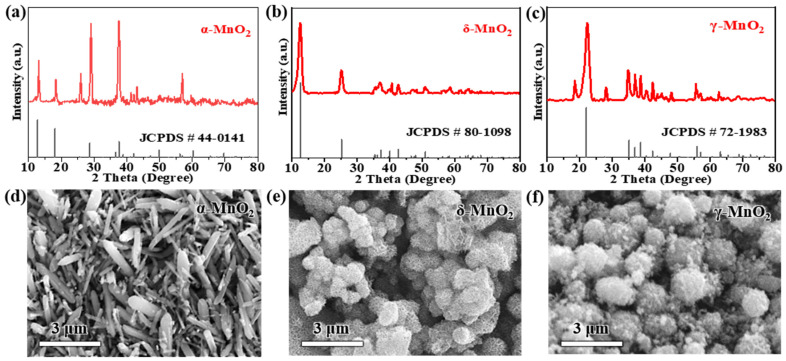 Figure 1
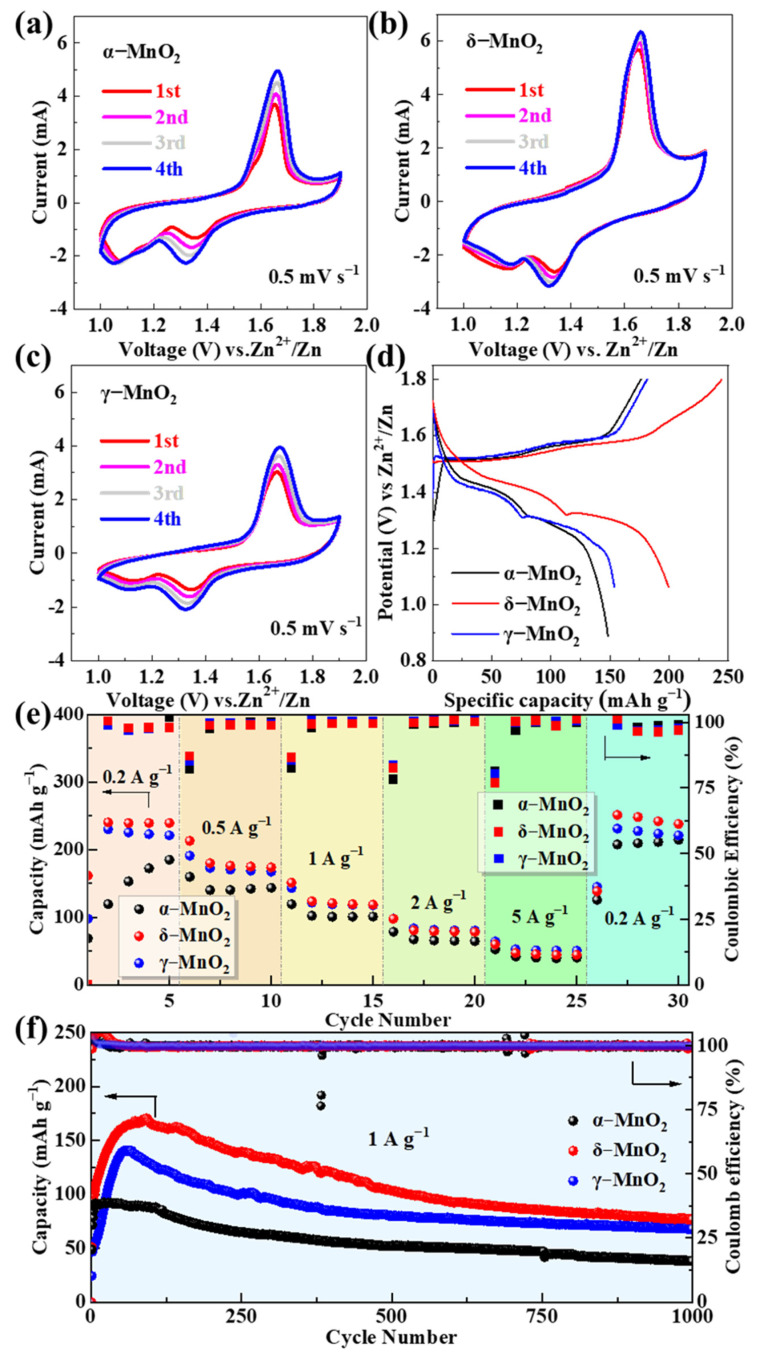 Figure 2
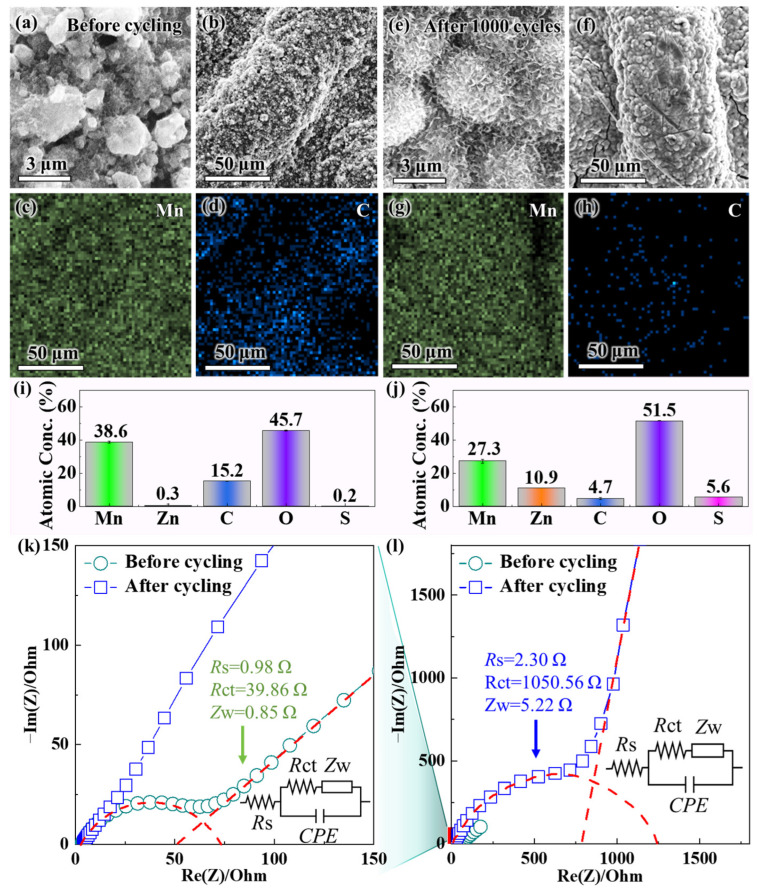 Figure 3
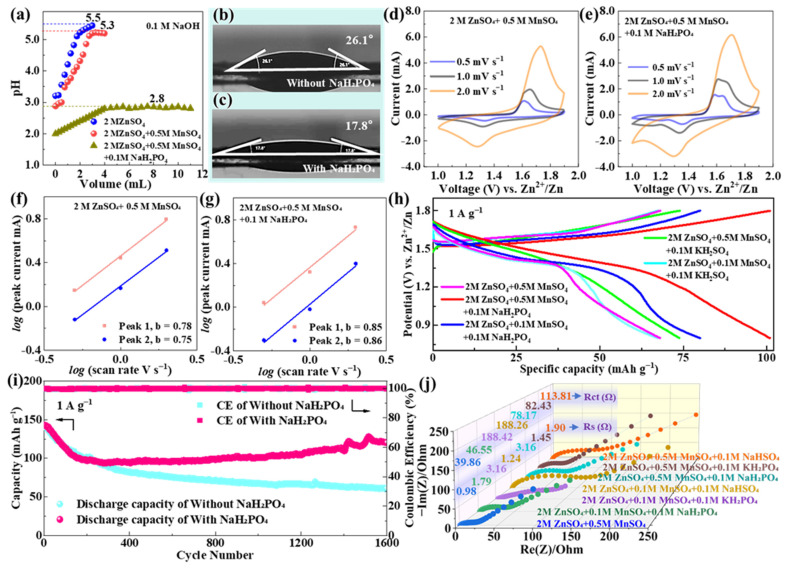 Figure 4
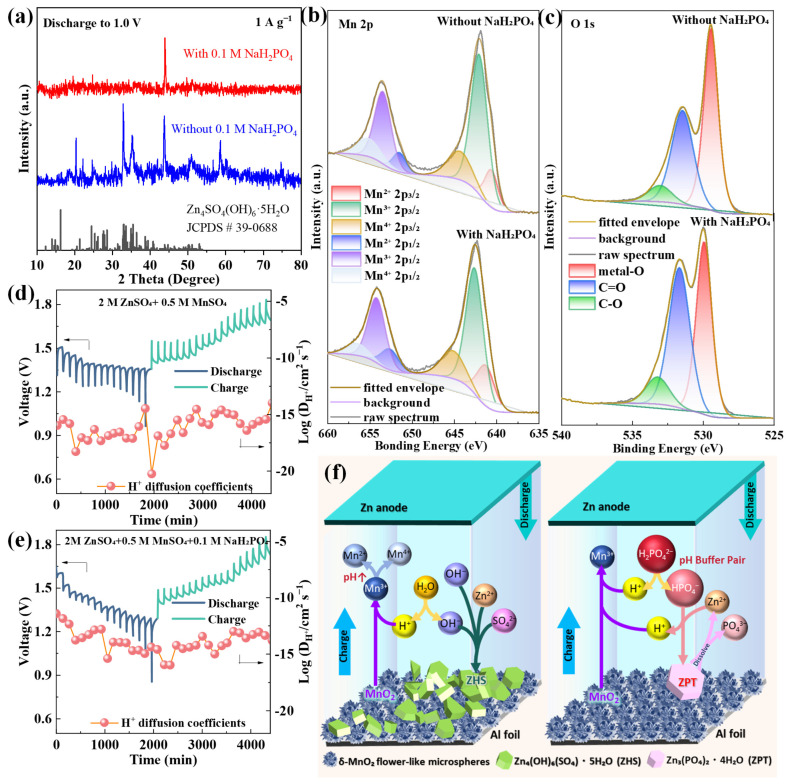 Figure 5
Peer Reviews
No public reviews on file for this paper yet. If you reviewed it on a platform where reviews are public (OpenReview, ICLR, NeurIPS, ICML), you can paste yours below so the community can read it here.
Videos
No videos yet. Explain this paper in a talk, walkthrough, or lecture? Add one.
Taxonomy
TopicsAdvanced battery technologies research · Supercapacitor Materials and Fabrication · Advancements in Battery Materials