Three-Dimensionally Printed Microstructured Hydrophobic Surfaces: Morphology and Wettability
Loredana Tammaro, Sergio Galvagno, Giuseppe Pandolfi, Fausta Loffredo, Fulvia Villani, Anna De Girolamo Del Mauro, Pierpaolo Iovane, Sabrina Portofino, Paolo Tassini, Carmela Borriello

TL;DR
This paper explores using 3D printing to create microstructured surfaces that repel water, with potential applications in self-cleaning and anti-wetting technologies.
Contribution
The study introduces new microstructured geometries and surface treatments to enhance hydrophobicity in 3D-printed surfaces.
Findings
Triangular-based prisms achieved superhydrophobic behavior with water contact angles up to 164°.
Truncated pyramids and ellipsoidal cones improved print fidelity and increased hydrophobicity by 56%.
Fluoropolymer-coated SiO2 nanoparticles further enhanced wettability by up to 18% on structured surfaces.
Abstract
This work presents the design and fabrication of microstructured hydrophobic surfaces via fused filament fabrication (FFF) 3D printing with polylactic acid (PLA). Three geometric patterns—triangular-based prisms (TG), truncated pyramids (TP), and truncated ellipsoidal cones (CET)—were developed to modify the surface wettability. Morphological analysis revealed that the printer resolution limits the accurate reproduction of sharp CAD-defined features. Despite this, TG structures exhibited superhydrophobic behavior evaluated through static water contact angles (WCAs), reaching up to 164° along the structured direction and so representing a 100% increase relative to flat PLA surfaces (WCA = 82°). To improve print fidelity, TP and CET geometries with enlarged features were introduced, resulting in contact angles up to 128°, corresponding to a 56% increase in hydrophobicity. The truncated…
Genes, proteins, chemicals, diseases, species, mutations and cell lines named across the full text — each resolved to its canonical identifier and authoritative record.
Click any figure to enlarge with its caption.
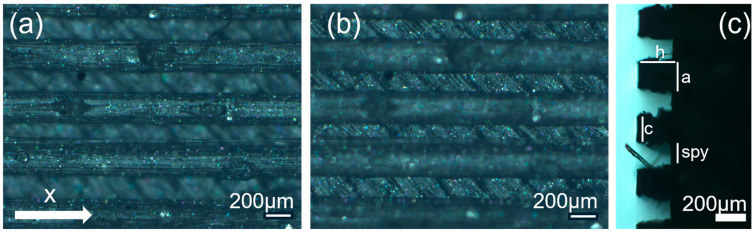 Figure 1
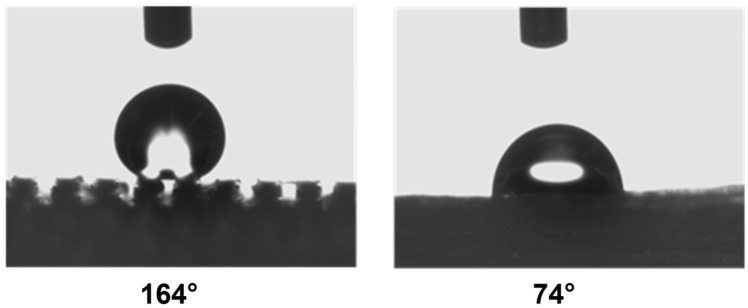 Figure 2
 Figure 3
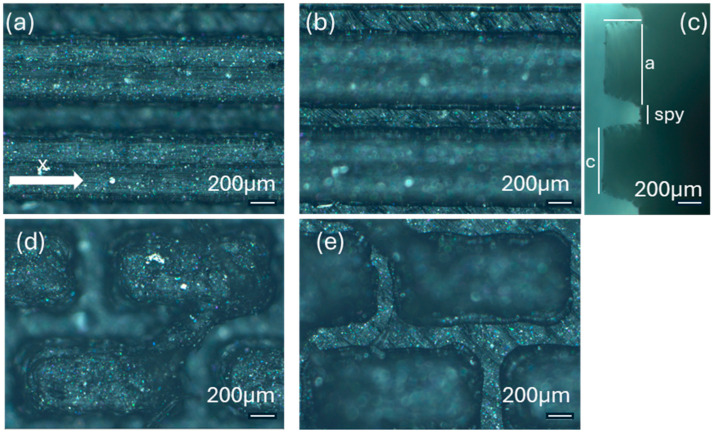 Figure 4
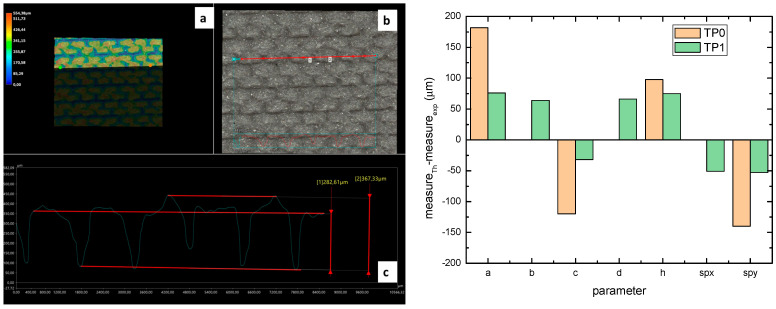 Figure 5
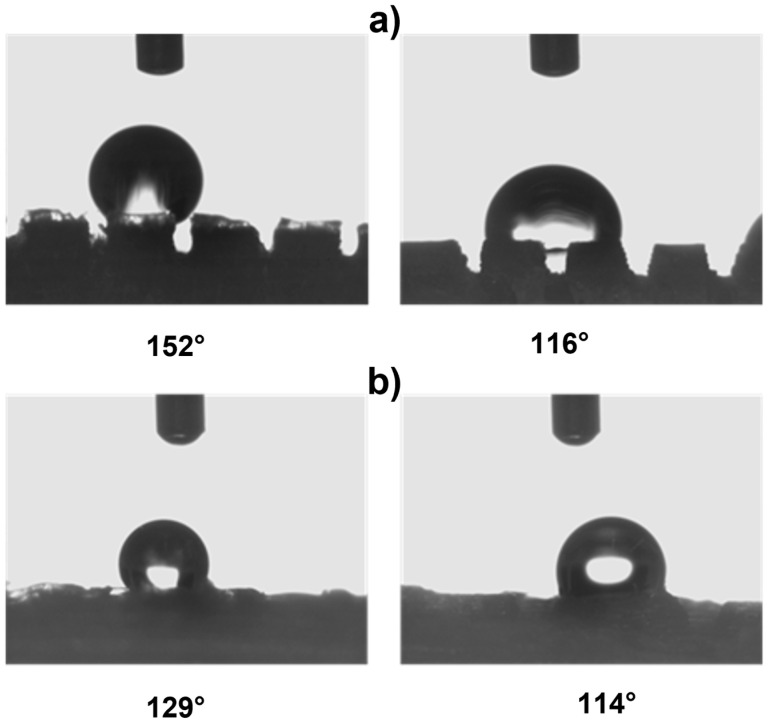 Figure 6
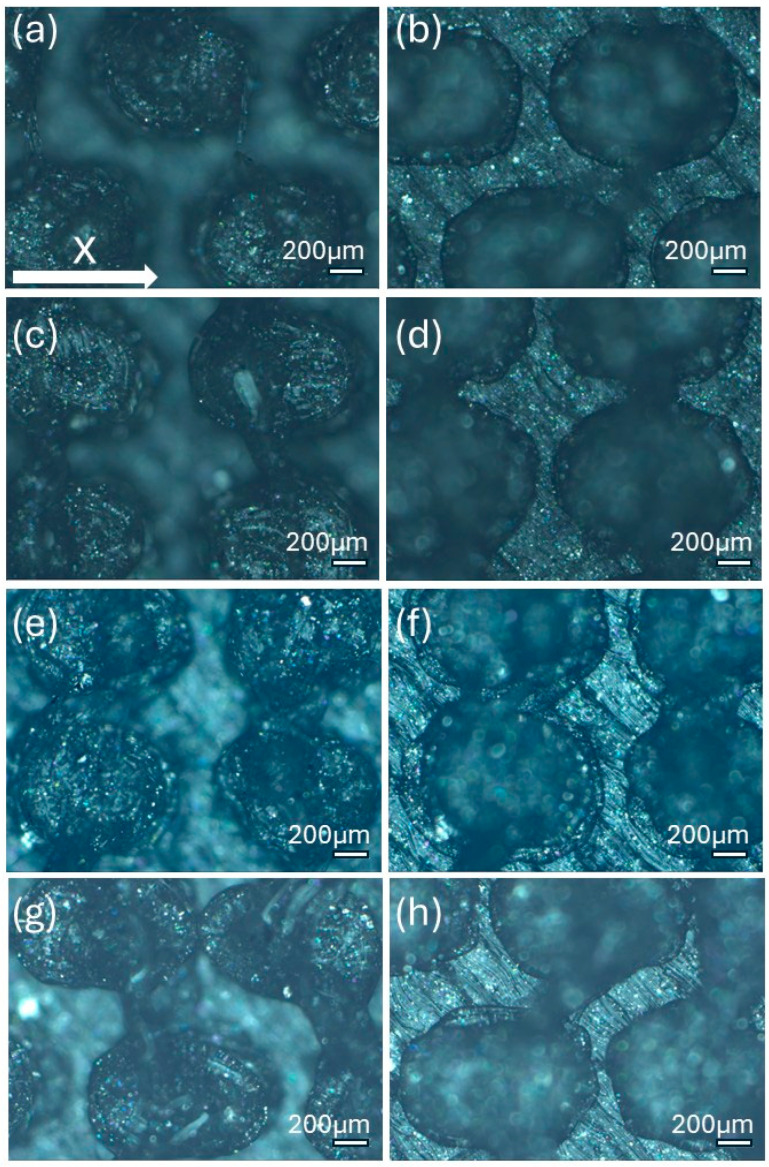 Figure 7
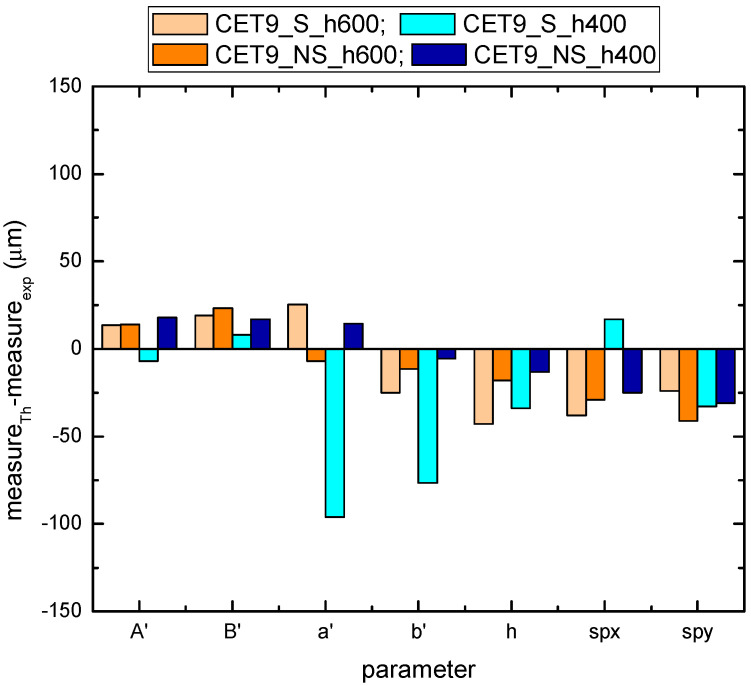 Figure 8
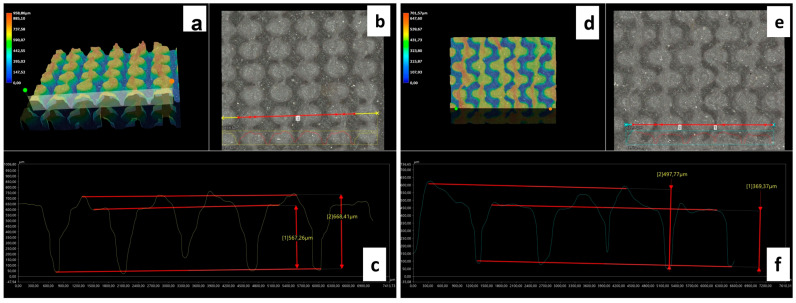 Figure 9
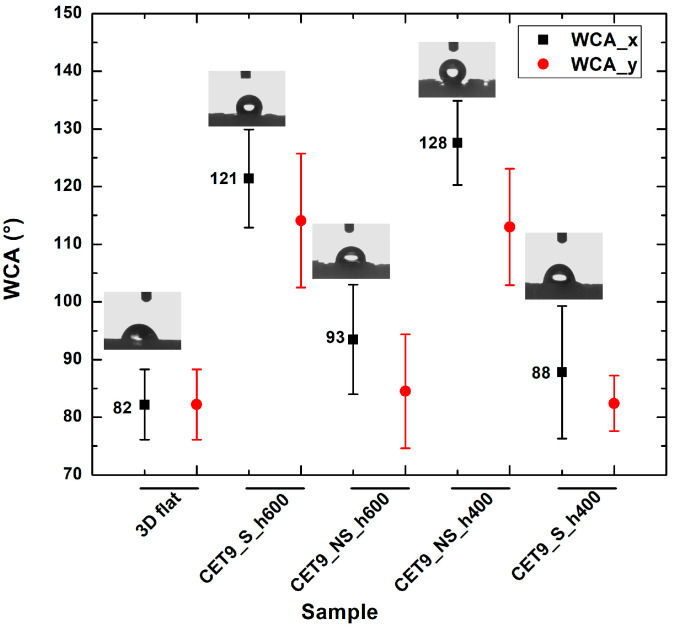 Figure 10
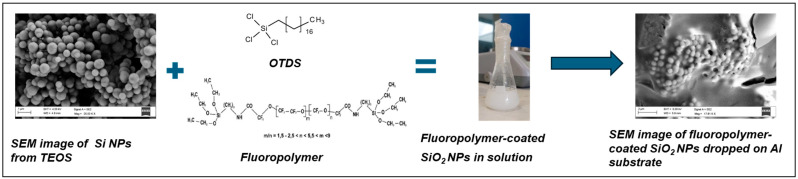 Figure 11
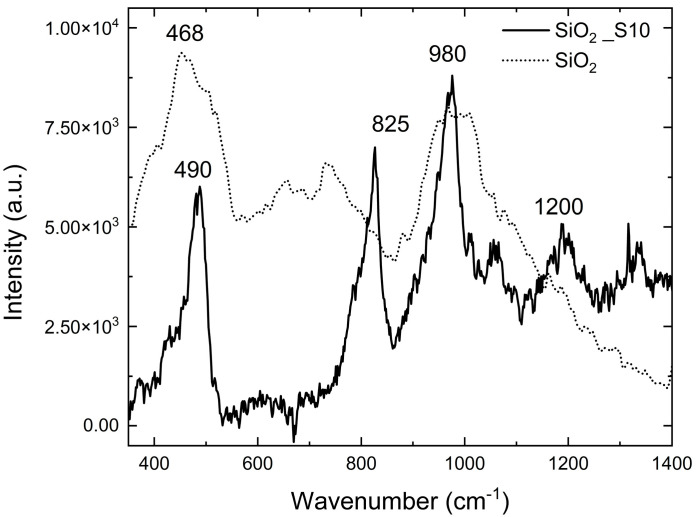 Figure 12
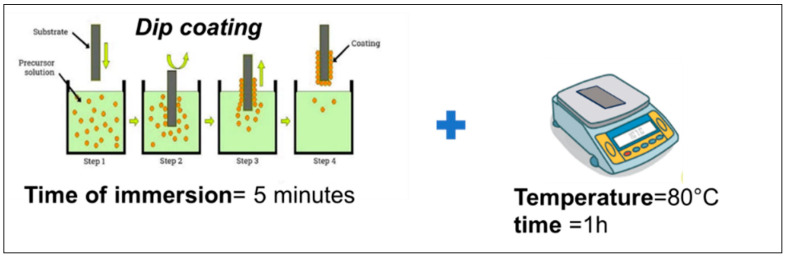 Figure 13
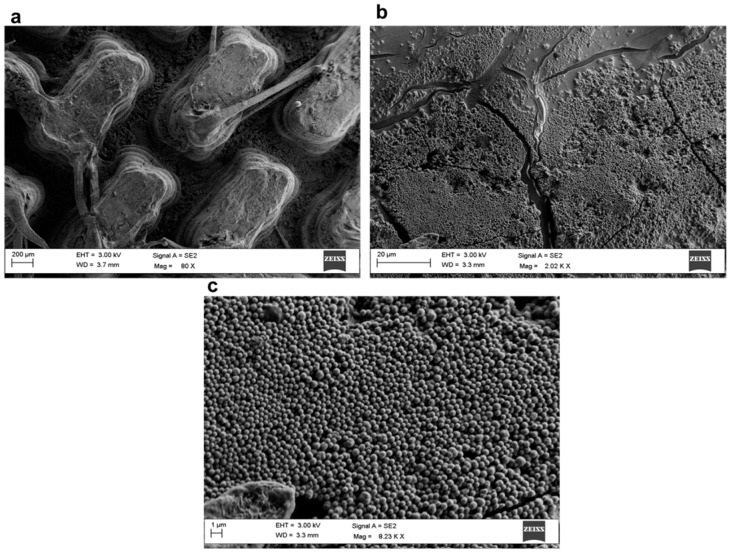 Figure 14
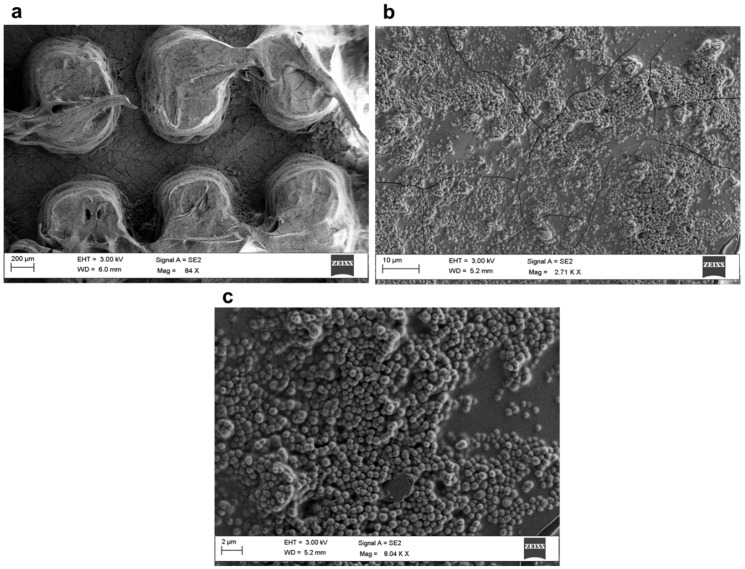 Figure 15
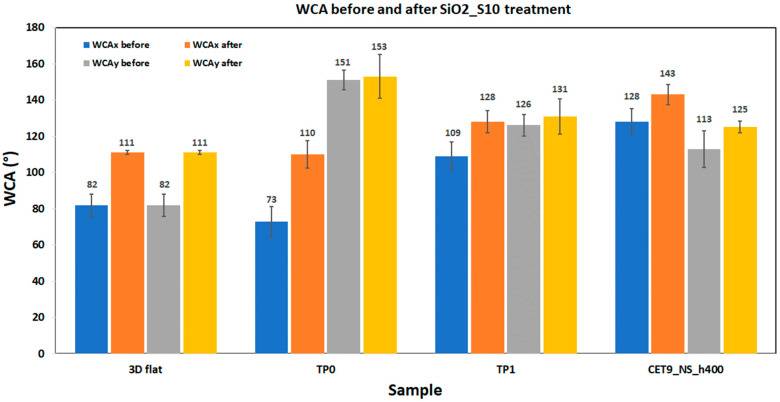 Figure 16
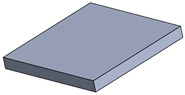 Figure 17
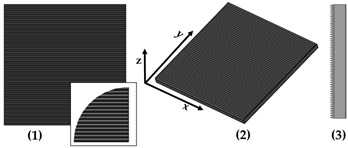 Figure 18
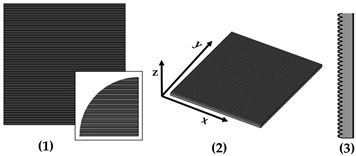 Figure 19
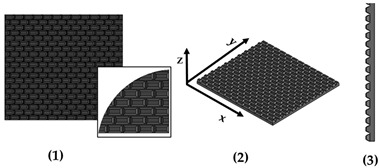 Figure 20
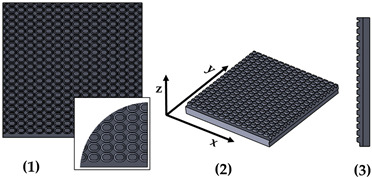 Figure 21
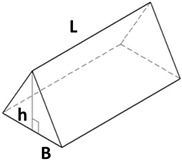 Figure 22
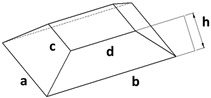 Figure 23
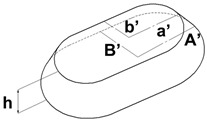 Figure 24
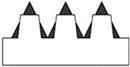 Figure 25
 Figure 26
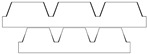 Figure 27
 Figure 28
 Figure 29
 Figure 30
 Figure 31
 Figure 32
 Figure 33
 Figure 34
 Figure 35
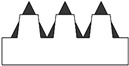 Figure 36
 Figure 37
 Figure 38
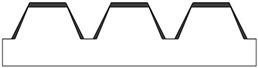 Figure 39
 Figure 40
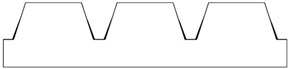 Figure 41
Peer Reviews
No public reviews on file for this paper yet. If you reviewed it on a platform where reviews are public (OpenReview, ICLR, NeurIPS, ICML), you can paste yours below so the community can read it here.
Videos
No videos yet. Explain this paper in a talk, walkthrough, or lecture? Add one.
Taxonomy
TopicsSurface Modification and Superhydrophobicity · Additive Manufacturing and 3D Printing Technologies · Advanced Sensor and Energy Harvesting Materials