Synthesis, Structures and Corrosion Inhibition Properties of 4-Nitrophenylacetato-Rare-Earth(III) 1D Coordination Polymers
Jacob M. Neill, Naveena Y. Salpadoru Thuppahige, Zhifang Guo, Glen B. Deacon, Peter C. Junk

TL;DR
This paper reports the synthesis and corrosion inhibition properties of rare-earth coordination polymers with 4-nitrophenylacetate ligands.
Contribution
The study introduces new rare-earth coordination polymers and identifies one with high corrosion inhibition efficiency.
Findings
Complex 5Dy showed the highest corrosion inhibition efficiency (89%) among the tested complexes.
The coordination structures of the complexes vary with the rare-earth element and hydration state.
Coordination isomerism was observed in some complexes between single crystals and powders.
Abstract
The rare earth (RE) aqua 4-nitrophenylacetate (4npa) complexes {[RE(4npa)3(H2O)2]·2H2O}n (RE = La (1La), Nd (2Nd)), [Ce(4npa)3(H2O)2]n (3Ce), and {[RE2(4npa)6(H2O)]·2H2O}n (RE = Gd (4Gd), Dy (5Dy), Y (6Y), Er (7Er), Yb (8Yb)) were synthesised by salt metathesis reactions of REIII chlorides or nitrates with sodium 4-nitrophenylacetate Na(4npa) in aqueous ethanol. The structures of all the complexes were determined by single-crystal X-ray diffraction (SCXRD) except for RE = 4Gd, which was determined to be isomorphous with the 5Dy and 7Er complexes by X-ray powder diffraction (XRPD). All the complexes crystallise as one-dimensional polymers linked by bridging carboxylates. Complexes (1La–3Ce) have mononuclear repeating units with two coordinated waters and ten coordinate RE ions, 1La and 2Nd also have two waters of crystallization, but 3Ce has none. By contrast, complexes (4Gd–8Yb) have…
Genes, proteins, chemicals, diseases, species, mutations and cell lines named across the full text — each resolved to its canonical identifier and authoritative record.
Click any figure to enlarge with its caption.
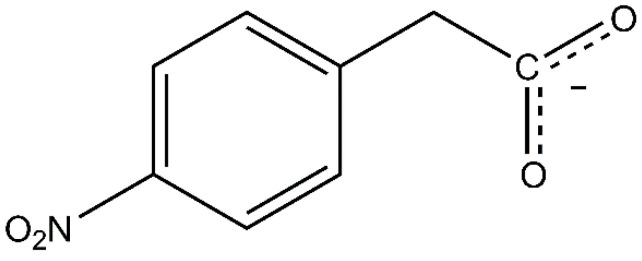 Figure 1
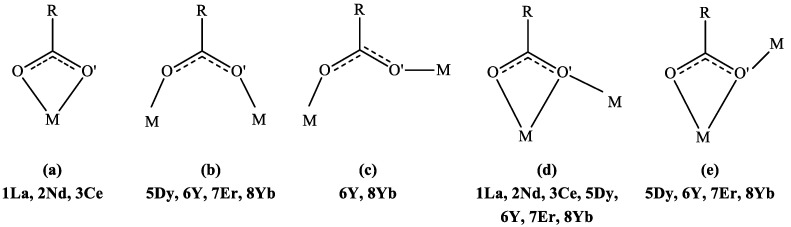 Figure 2
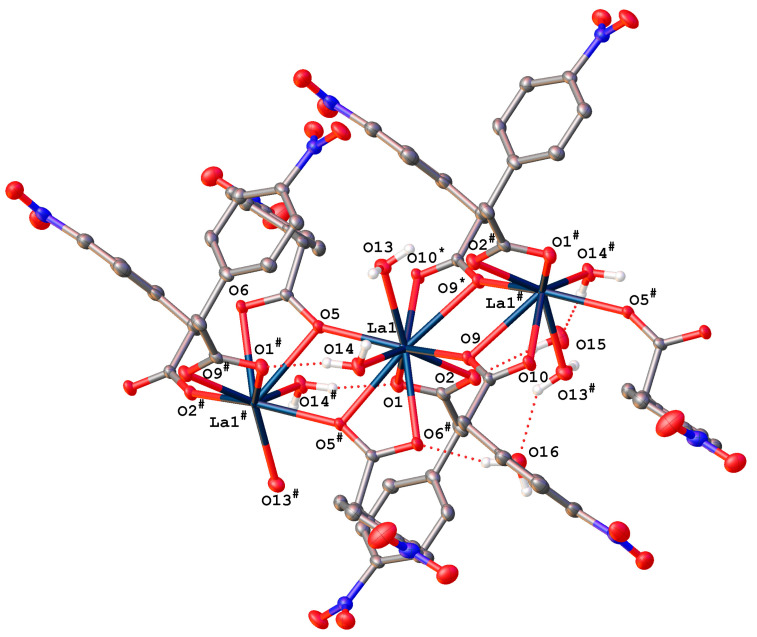 Figure 3
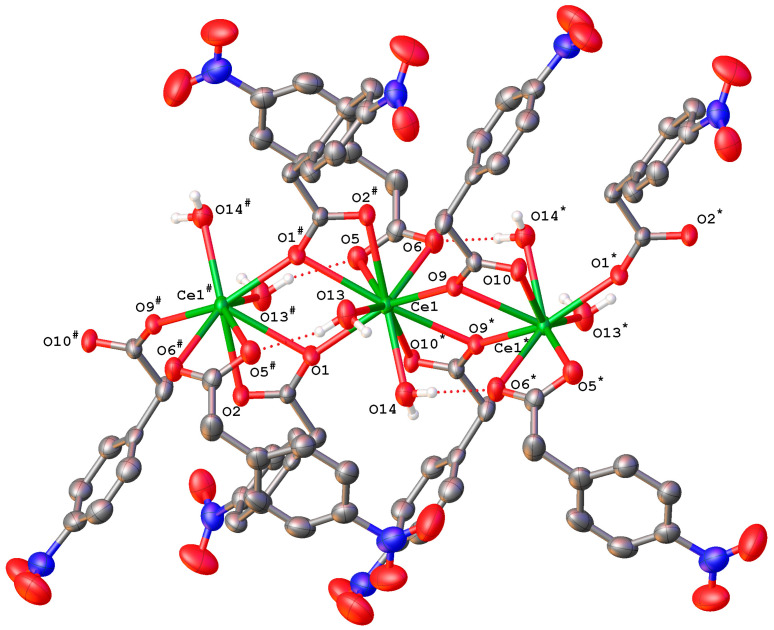 Figure 4
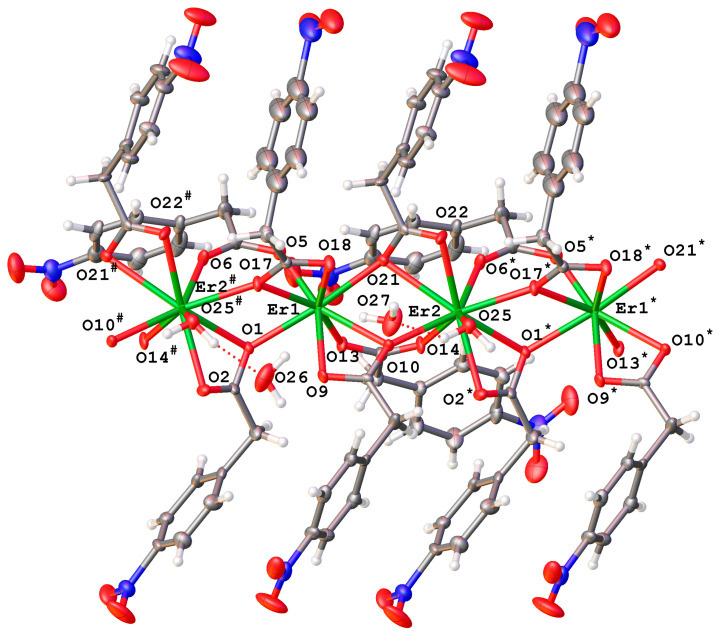 Figure 5
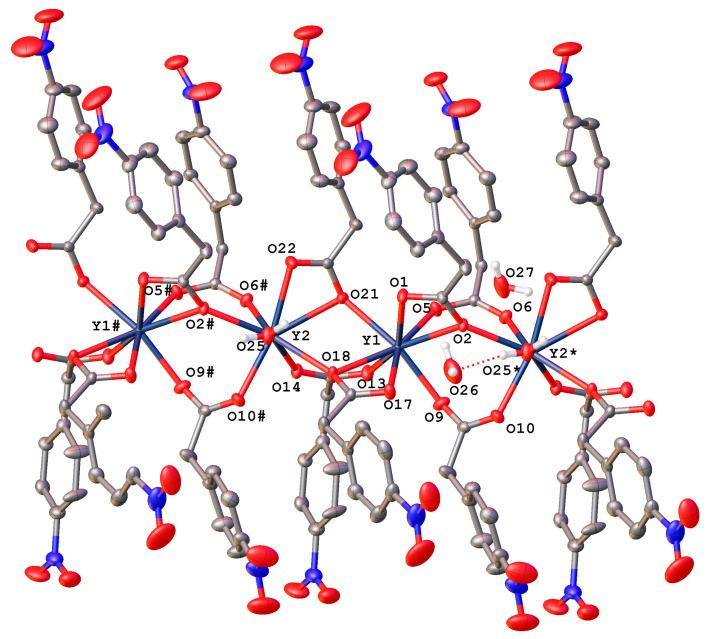 Figure 6
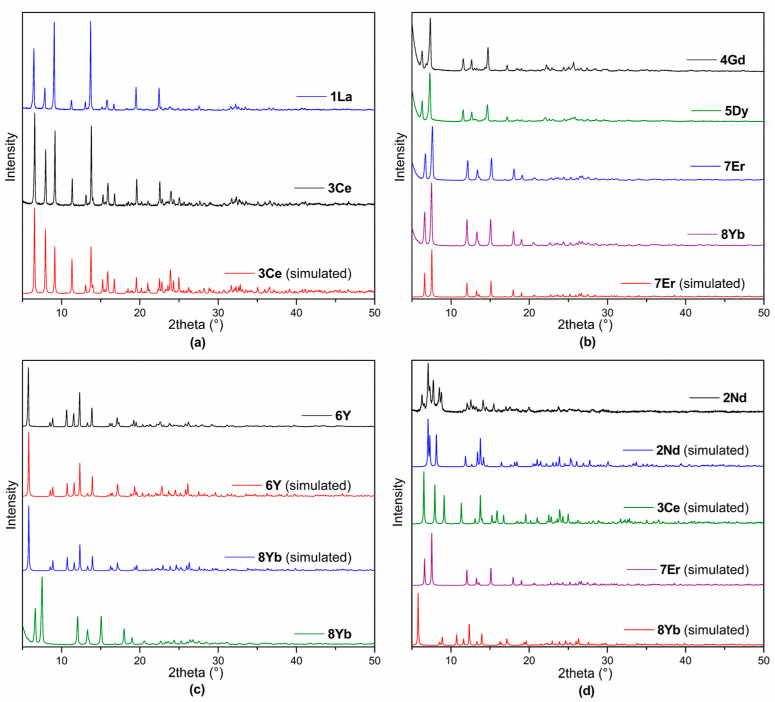 Figure 7
 Figure 8
Peer Reviews
No public reviews on file for this paper yet. If you reviewed it on a platform where reviews are public (OpenReview, ICLR, NeurIPS, ICML), you can paste yours below so the community can read it here.
Videos
No videos yet. Explain this paper in a talk, walkthrough, or lecture? Add one.
Taxonomy
TopicsLanthanide and Transition Metal Complexes · Metal-Organic Frameworks: Synthesis and Applications · Magnetism in coordination complexes