A Thorough Understanding of Methylrhodium(III)–Porphyrin Photophysics: A DFT/TDDFT Study
Piotr Lodowski, Maria Jaworska

TL;DR
This study uses computational methods to explore how light causes the methyl ligand to detach from a rhodium-porphyrin complex.
Contribution
The paper proposes the most probable photodissociation mechanism of methyl ligands in methylrhodium(III)–porphyrin complexes using DFT/TDDFT calculations.
Findings
Photolysis from triplet states is a plausible pathway for methyl ligand dissociation.
The binding energy of the methyl-rhodium bond and the energy of the radical dimer formation were quantified.
The most probable mechanism for photodissociation was identified based on calculated energy profiles.
Abstract
Rhodium–porphyrin complexes are characterised by their ability to activate C-H and C-C bonds and, therefore, find applications in synthesis and catalysis. Axial rhodoporphyrin ligands are susceptible to photodissociation under the influence of light. DFT and TDDFT calculations were performed to investigate the mechanism of photodissociation of the methyl ligand from the methylrhodium(III)–porphyrin complex (MeRhPor). Various photolysis pathways of the rhodium–methyl bond were investigated, including photolysis from states in the Q and Soret bands. Photolysis from triplet states was also considered. Based on the calculations, the most probable mechanism for photodissociation of the methyl ligand was proposed. The methyl-rhodium binding energy in the methylrhodium(III)–porphyrin complex and the energy of formation of the rhodium–porphyrin radical dimer formed by methyl dissociation were…
Genes, proteins, chemicals, diseases, species, mutations and cell lines named across the full text — each resolved to its canonical identifier and authoritative record.
Click any figure to enlarge with its caption.
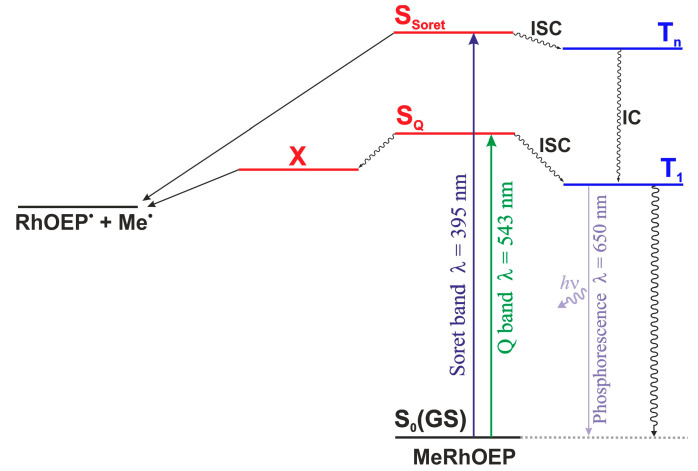 Figure 1
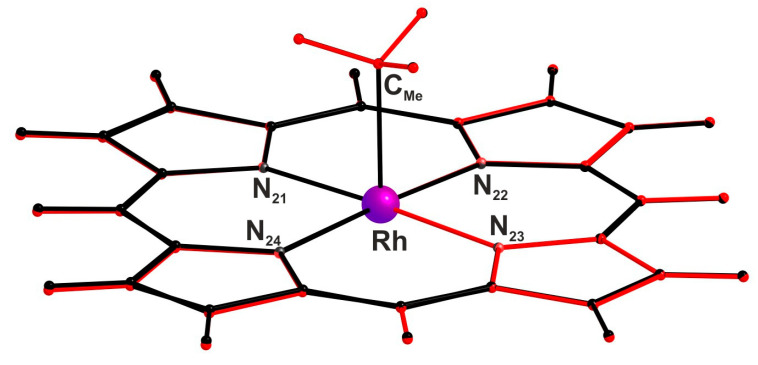 Figure 2
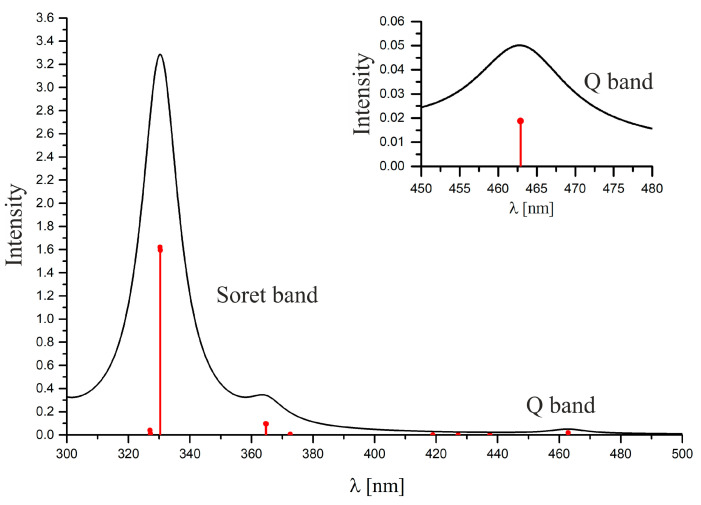 Figure 3
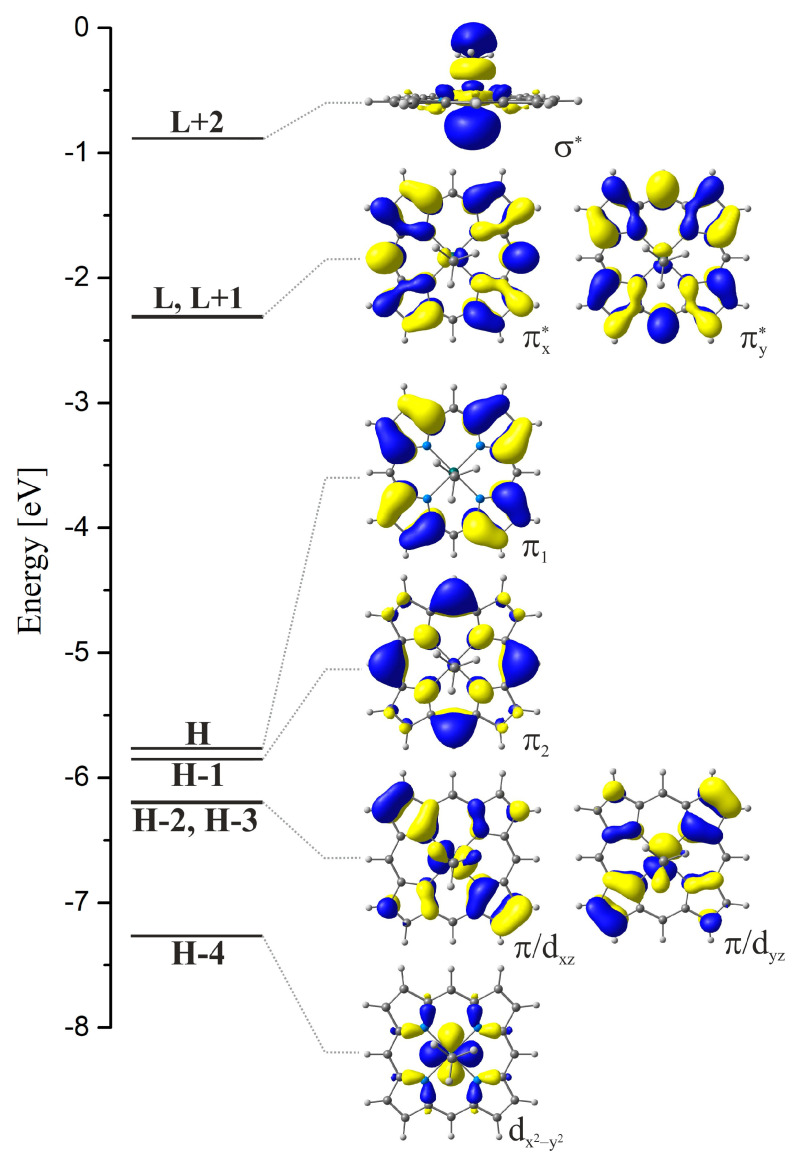 Figure 4
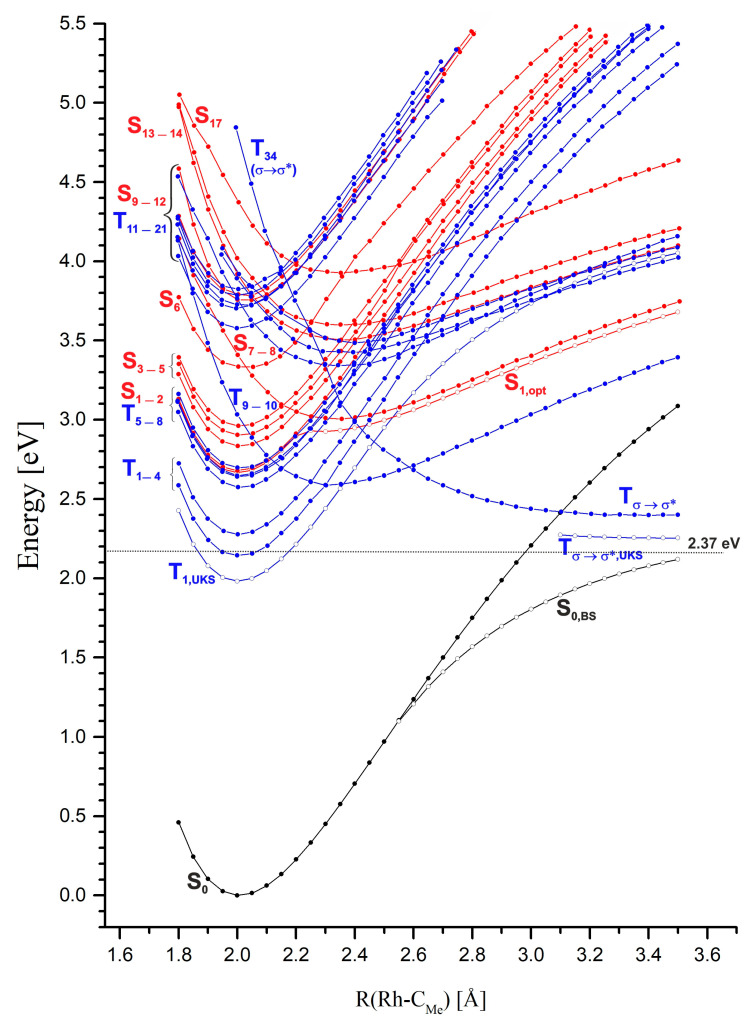 Figure 5
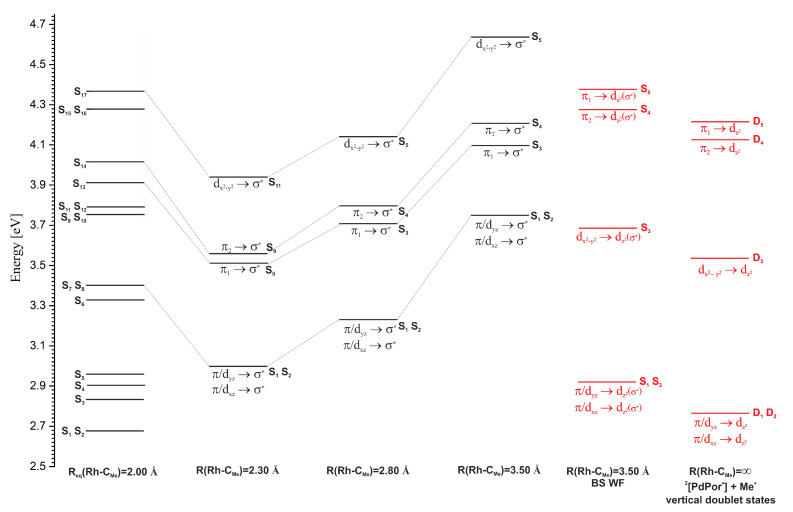 Figure 6
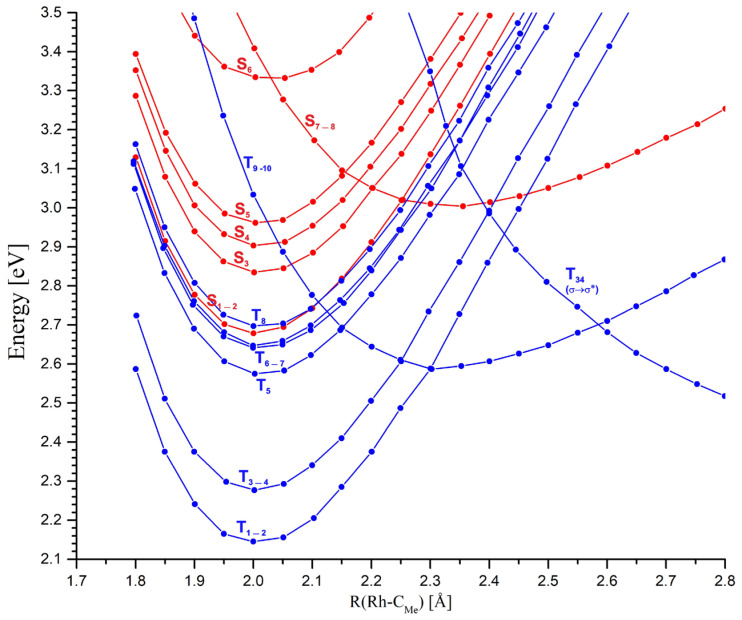 Figure 7
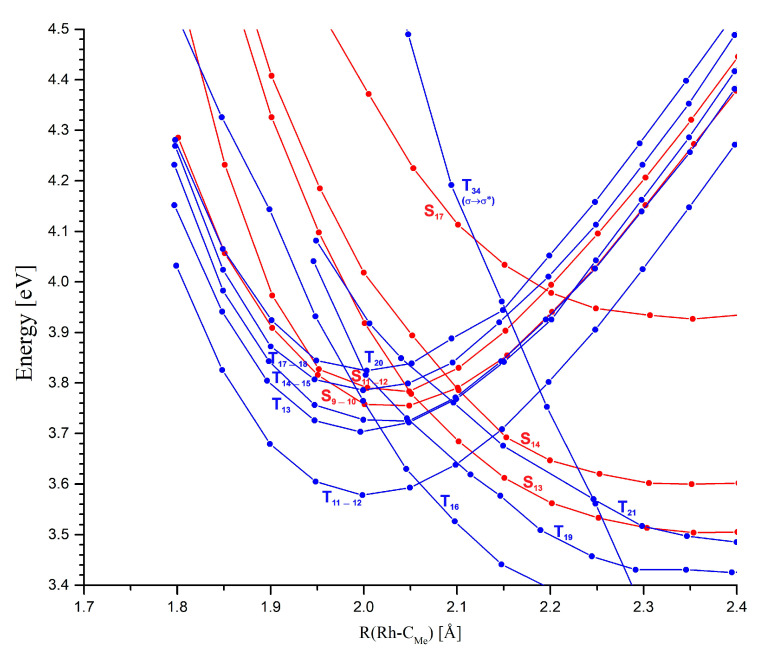 Figure 8
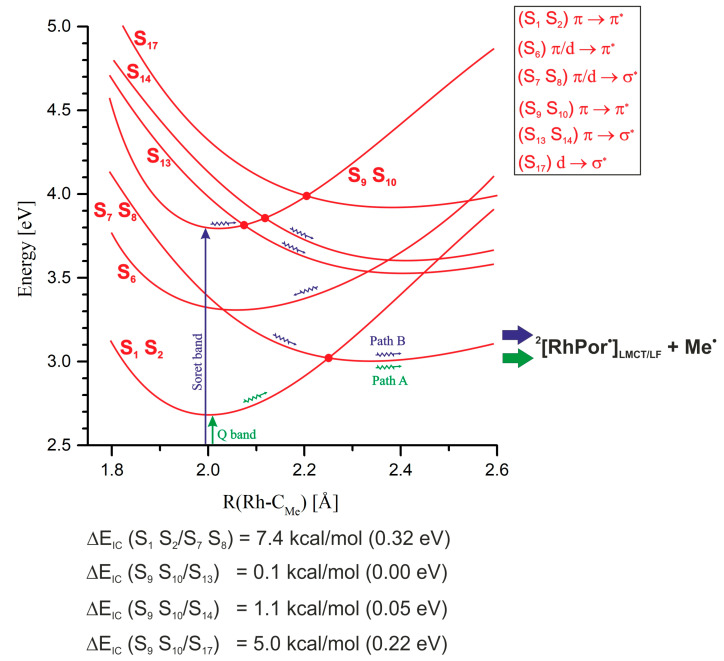 Figure 9
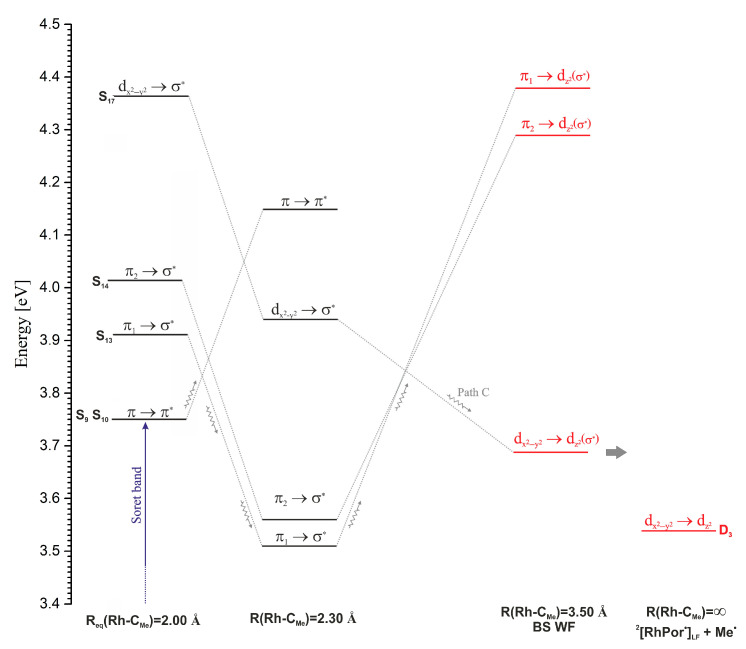 Figure 10
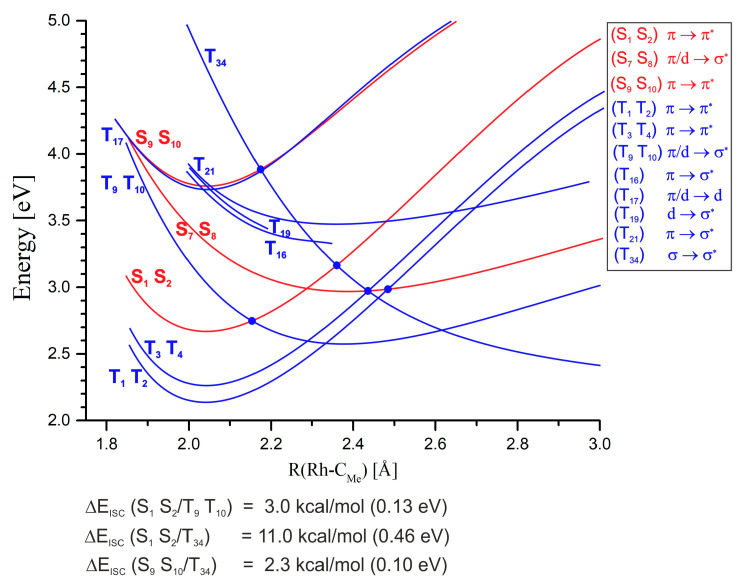 Figure 11
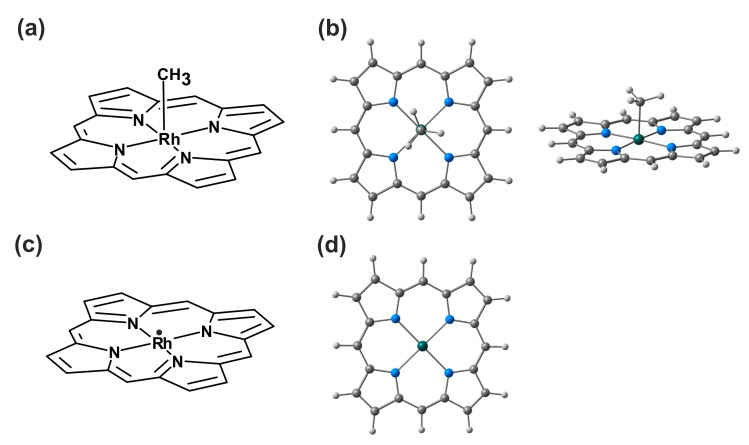 Figure 12
Peer Reviews
No public reviews on file for this paper yet. If you reviewed it on a platform where reviews are public (OpenReview, ICLR, NeurIPS, ICML), you can paste yours below so the community can read it here.
Videos
No videos yet. Explain this paper in a talk, walkthrough, or lecture? Add one.
Taxonomy
TopicsPorphyrin and Phthalocyanine Chemistry · CO2 Reduction Techniques and Catalysts · Advanced Chemical Physics Studies