Dillapiole Dampens the Expression of the Major Virulence Genes of Francisella tularensis
Elliot M. Collins, Anthony Sako, Kristen Sikorsky, James Denvir, Jun Fan, Donald A. Primerano, Deanna M. Schmitt, Stuart Cantlay, Roger Seeber, Francisco León, Joseph Horzempa

TL;DR
Dillapiole, a compound from fennel, reduces the virulence of Francisella tularensis by dampening key pathogenic genes, offering a new potential treatment for tularemia.
Contribution
Dillapiole is identified as a novel compound that specifically dampens virulence gene expression in Francisella tularensis during infection.
Findings
Dillapiole significantly downregulates MglA- and SspA-controlled virulence genes in Francisella tularensis.
RNA-seq and Western blot analyses confirm reduced expression of IglA and IglC in F. tularensis treated with dillapiole.
Dillapiole limits F. tularensis replication in THP-1 cells without enhancing host immunity.
Abstract
Francisella tularensis is a pathogenic bacterium and the causative agent of the disease tularemia. Because of the virulence of this bacterium and the potential for weaponization, the Centers for Disease Control and Prevention (CDC) has classified F. tularensis as a Category A Bioterrorism Agent. Therefore, the need for new treatments for tularemia is critical. In this work, we screened a cataloged library of natural extracts to identify those that inhibit the growth of F. tularensis only during infection of THP-1 monocyte cells. One of the most promising extracts identified in this screen was derived from Foeniculum vulgare (fennel). Using bioassay-guided fractionation, the fennel extract was fractionated, and the bioactive compound was isolated and structurally elucidated as the phenylpropanoid dillapiole. We subsequently confirmed that dillapiole alone could limit the replication of…
Genes, proteins, chemicals, diseases, species, mutations and cell lines named across the full text — each resolved to its canonical identifier and authoritative record.
Click any figure to enlarge with its caption.
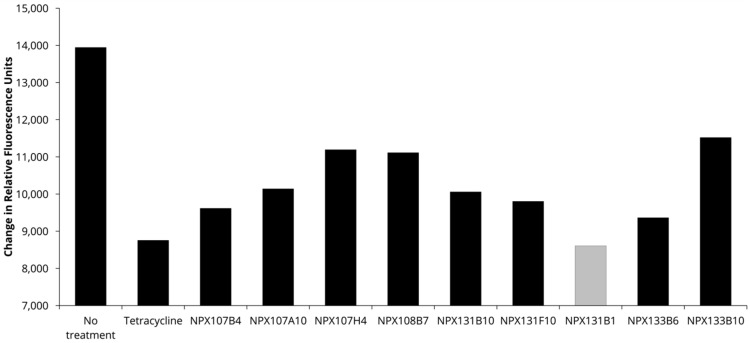 Figure 1
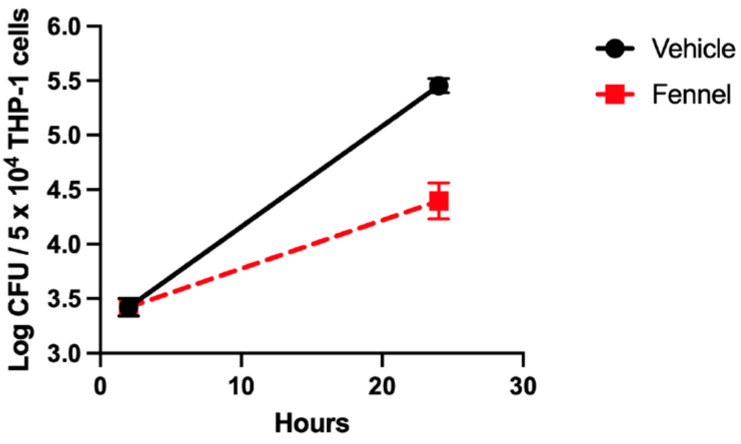 Figure 2
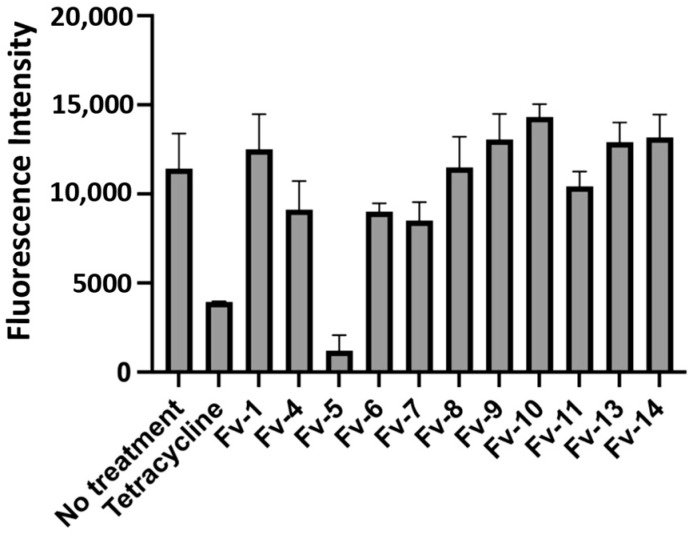 Figure 3
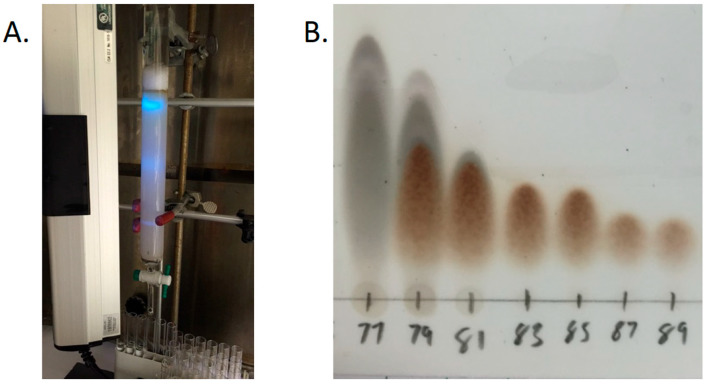 Figure 4
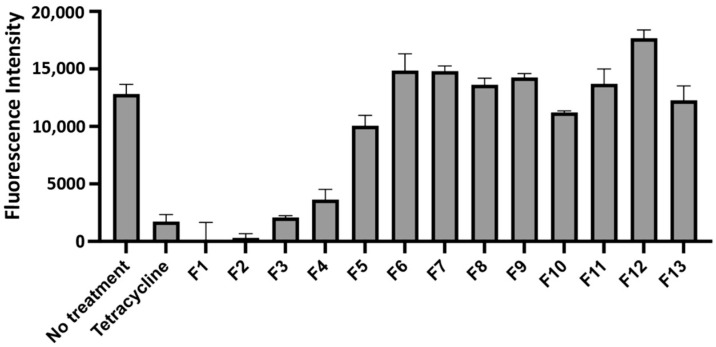 Figure 5
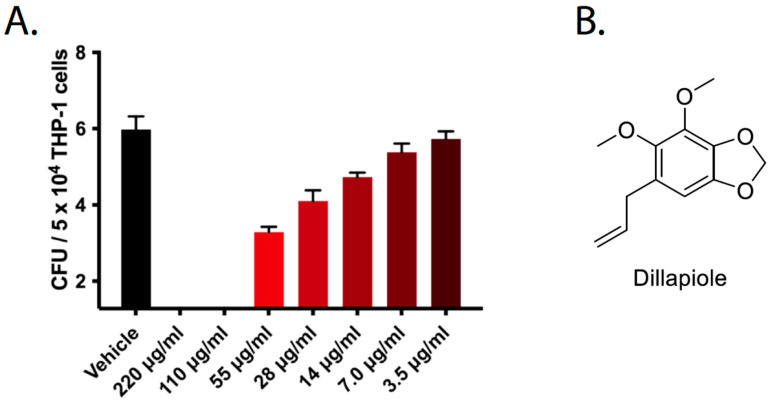 Figure 6
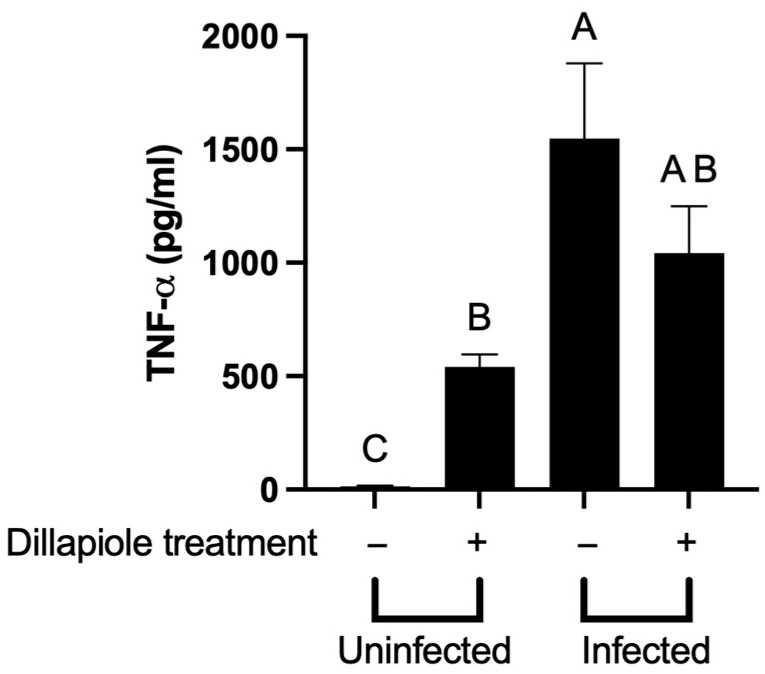 Figure 7
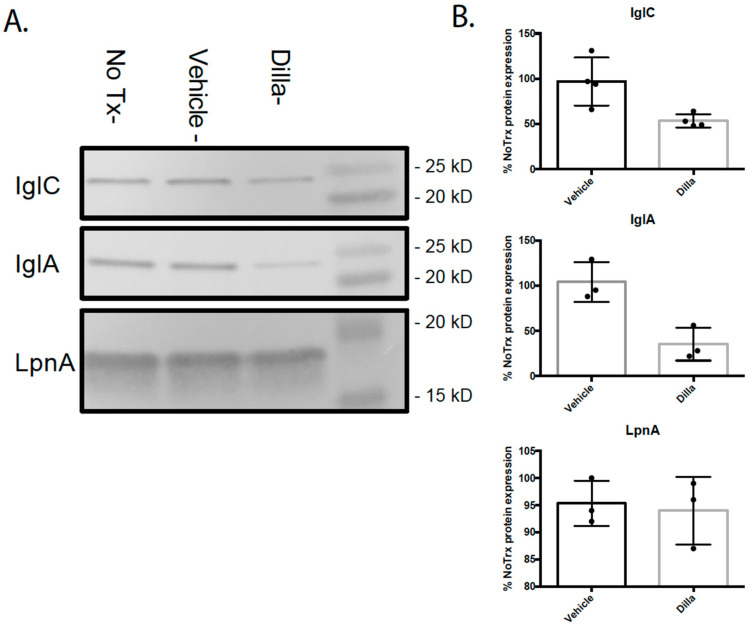 Figure 8
Peer Reviews
No public reviews on file for this paper yet. If you reviewed it on a platform where reviews are public (OpenReview, ICLR, NeurIPS, ICML), you can paste yours below so the community can read it here.
Videos
No videos yet. Explain this paper in a talk, walkthrough, or lecture? Add one.
Taxonomy
TopicsBacillus and Francisella bacterial research · Yersinia bacterium, plague, ectoparasites research · Bacterial Genetics and Biotechnology