Chemotaxonomic Insights into Korean Daphne spp. and Wikstroemia spp. by Integrating Flavonoid Contents with Ecological Factors
Yonghwan Son, Ji Ah Kim, Ho Jun Son, Hyun-Jun Kim, Wan-Geun Park

TL;DR
This study uses chemical and ecological data to clarify the classification of Korean Daphne and Wikstroemia species, showing that flavonoid profiles and environmental factors can help distinguish these plants.
Contribution
The study introduces a chemotaxonomic framework combining flavonoid data and ecological factors to resolve taxonomic ambiguity in Daphne and Wikstroemia.
Findings
Multivariate analysis of flavonoid data clearly separates Daphne and Wikstroemia into distinct clades.
Ecological factors like precipitation and canopy openness influence flavonoid levels but do not alter diagnostic chemical fingerprints.
Chemical and environmental data together provide a robust method for taxonomic classification in Thymelaeaceae.
Abstract
The placement of Daphne genkwa has long been controversial, as its intermediate morphological traits blur the boundary between Daphne and Wikstroemia. To address this challenge, we adopted a chemotaxonomic approach, integrating flavonoid contents with ecological indicators, as an independent line of evidence complementing morphology and molecular data. Using UPLC-UV, six flavonoids were quantified from 16 Korean populations representing six taxa. Multivariate analyses clearly distinguished Daphne and Wikstroemia, with D. genkwa and W. ganpi forming closely related but separate clades. Ecological factors such as precipitation and canopy openness significantly affected flavonoid levels, particularly luteolin 7-O-glucoside and yuankanin. However, the diagnostic flavonoid fingerprints remained consistent across habitats. This study demonstrates that integrating chemical and environmental…
Genes, proteins, chemicals, diseases, species, mutations and cell lines named across the full text — each resolved to its canonical identifier and authoritative record.
Click any figure to enlarge with its caption.
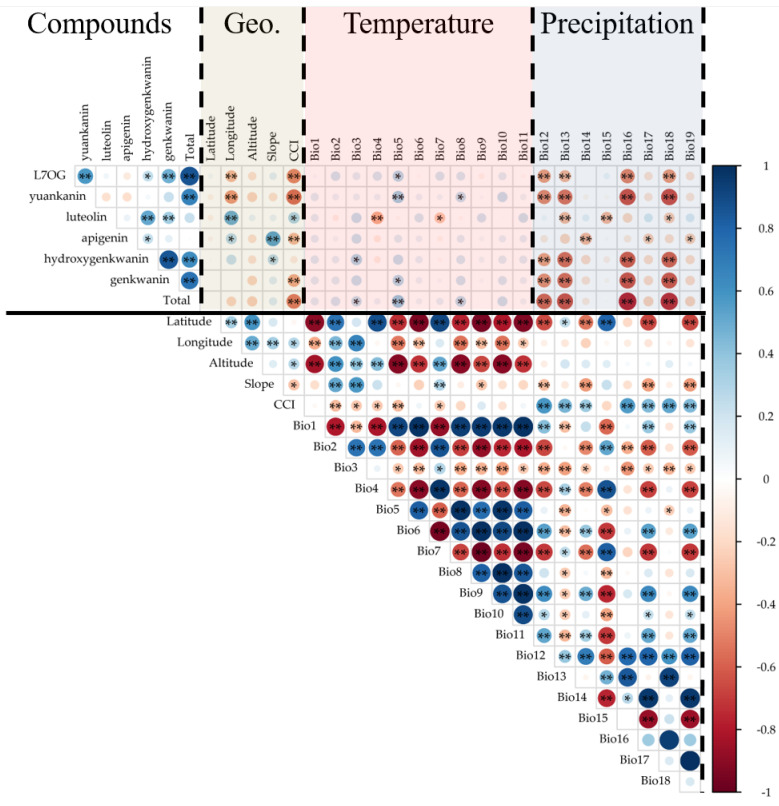 Figure 1
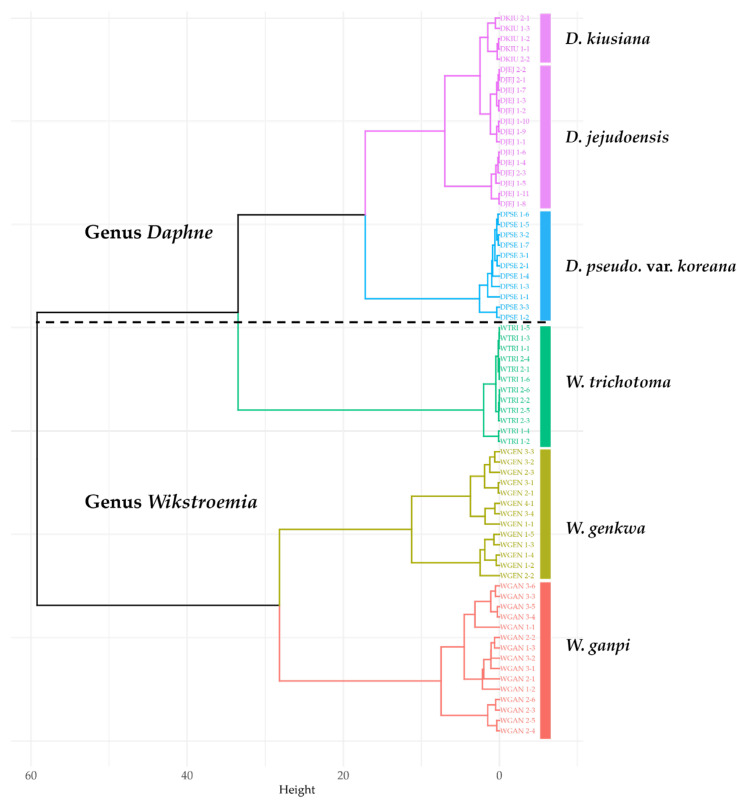 Figure 2
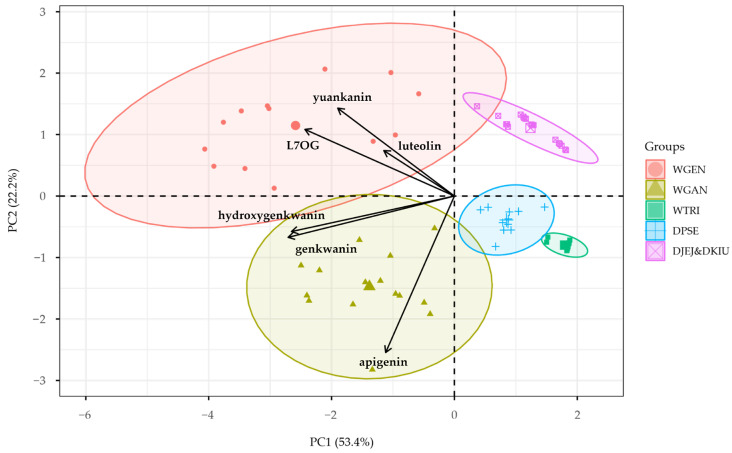 Figure 3
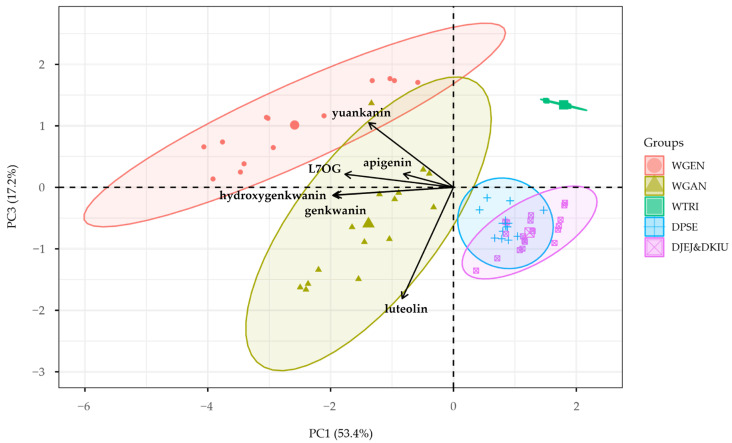 Figure 4
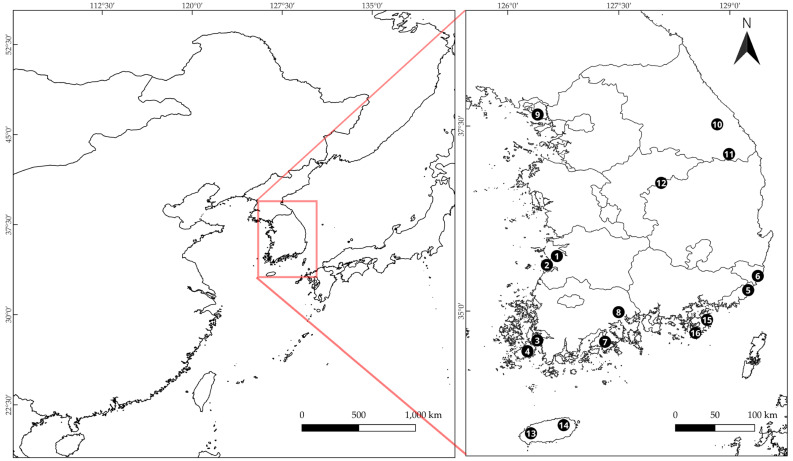 Figure 5
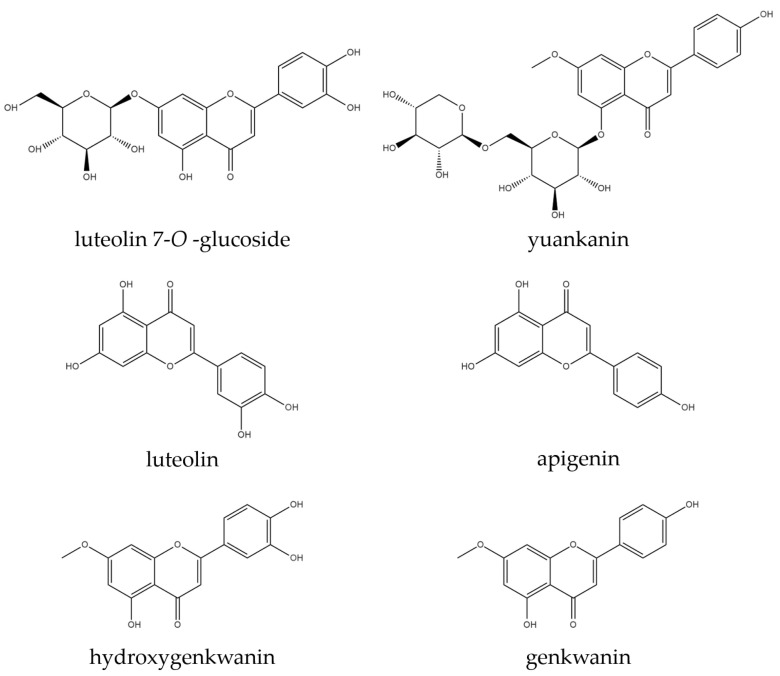 Figure 6
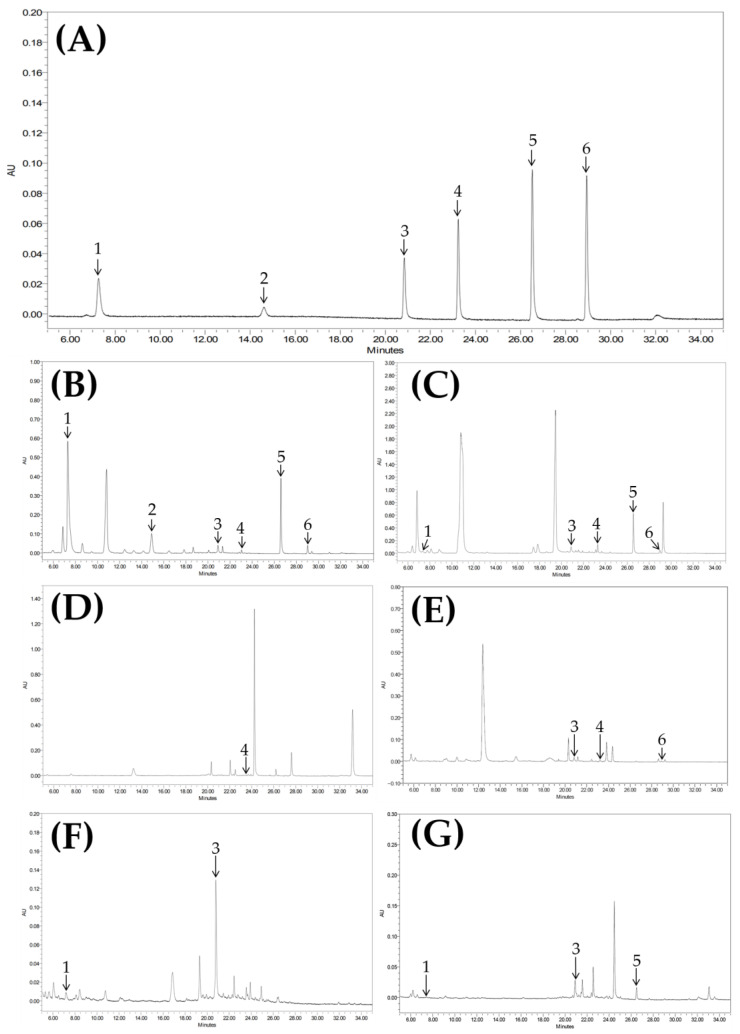 Figure 7
Peer Reviews
No public reviews on file for this paper yet. If you reviewed it on a platform where reviews are public (OpenReview, ICLR, NeurIPS, ICML), you can paste yours below so the community can read it here.
Videos
No videos yet. Explain this paper in a talk, walkthrough, or lecture? Add one.
Taxonomy
TopicsBioactive Natural Diterpenoids Research · Plant and Fungal Species Descriptions · Plant Diversity and Evolution