Derivative-Based Non-Target Identification of DNA-Reactive Impurities with Fragment Ion Filtering
Dongmei Zhang, Baojian Hang, Yiran Zhang, Pengfei You, Feng Shi, Liping Gong

TL;DR
This paper introduces a new method to detect DNA-reactive impurities in drugs using derivatization and mass spectrometry.
Contribution
A novel derivatization approach with ion filtering is proposed for non-target identification of DNA-reactive impurities.
Findings
Derivatization reagents with reactive and report groups were designed to detect DDRIs.
Non-target screening was achieved using product ion filtering of the report group via UPLC-HRMS.
Abstract
DNA direct reactive impurities (DDRIs) can react with nucleophilic sites of DNA, leading to mutations. The control strategies outlined in International Council for Harmonisation of Technical Requirements for Pharmaceuticals for Human Use (ICH) M7 are based on the known compound structure of DDRIs. Non-target screening of DDRIs in drugs is still challenging due to the diversity of the species and the poor stability. In this study, a derivatization reagent including a reactive group and report group was designed to screen DDRIs. Based on the electrophilic theory of chemical carcinogenesis, an amine reagent was used as a reactive group to interact with DDRIs. Two derivatization reagents, p-methoxyaniline and p-methoxybenzoyl-β-alaninamide, were employed, each containing different chromatographic modification groups to mitigate matrix effects. The derivatization products were analyzed by…
Genes, proteins, chemicals, diseases, species, mutations and cell lines named across the full text — each resolved to its canonical identifier and authoritative record.
Click any figure to enlarge with its caption.
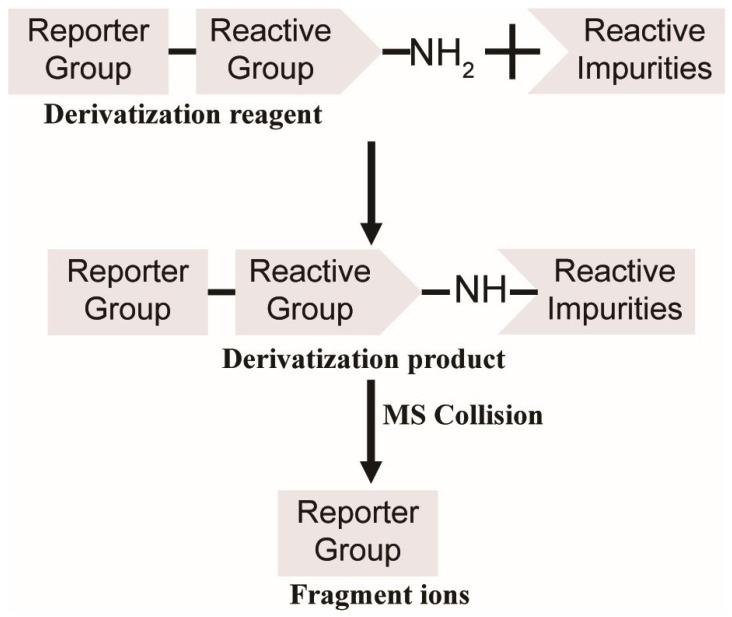 Figure 1
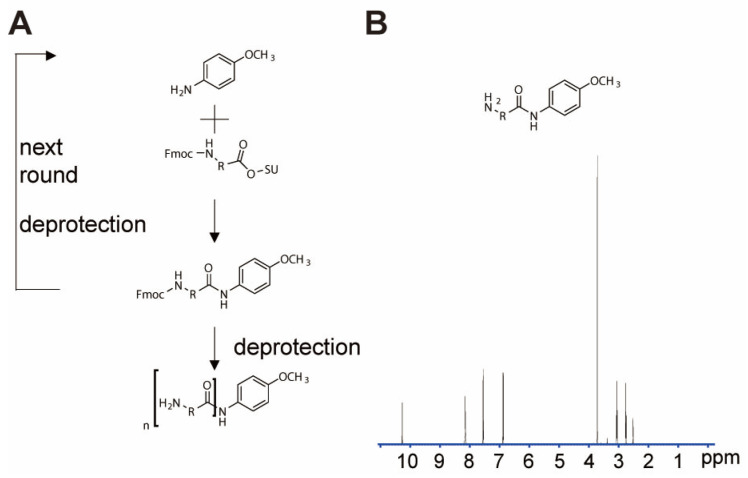 Figure 2
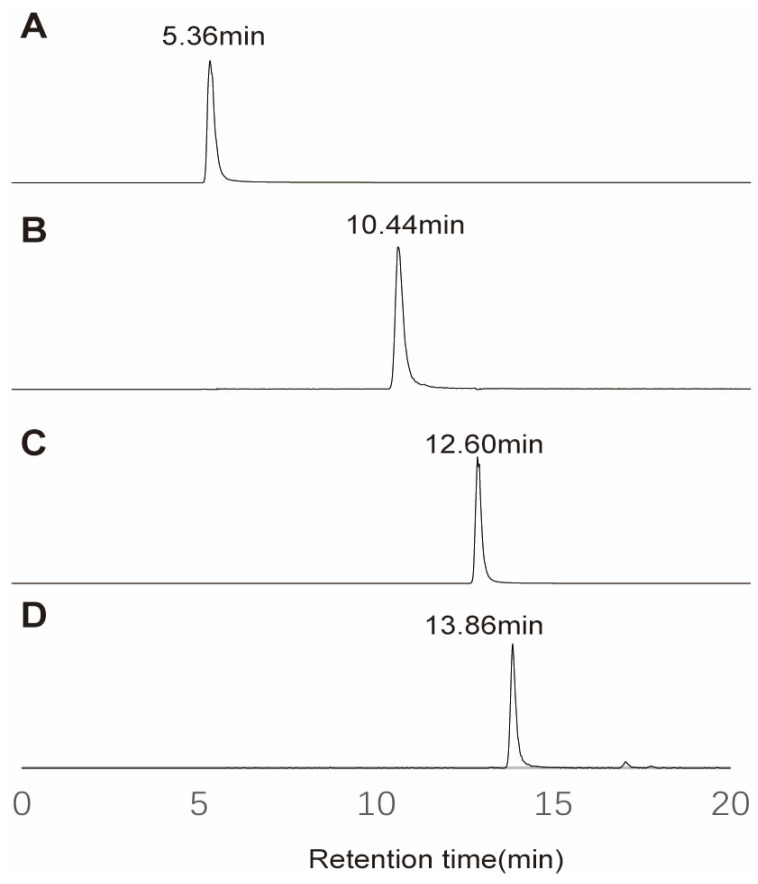 Figure 3
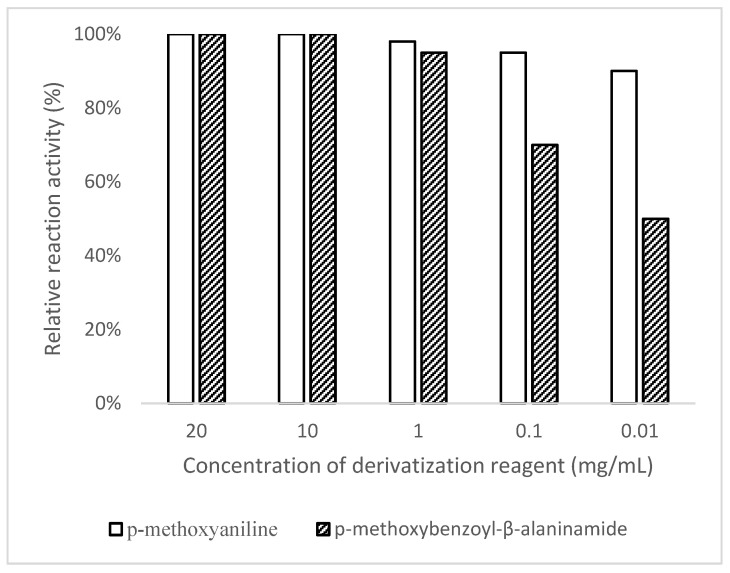 Figure 4
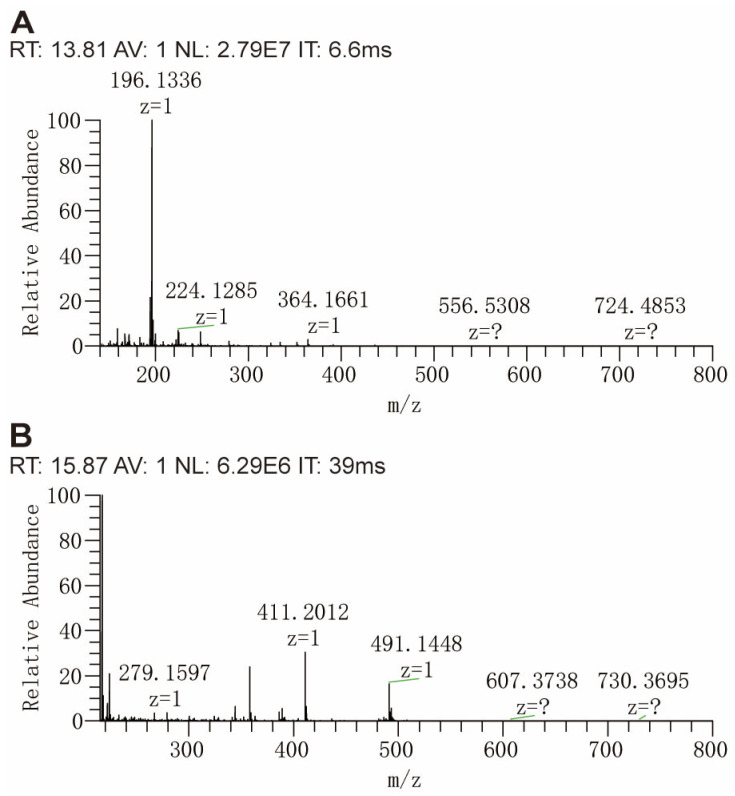 Figure 5
Peer Reviews
No public reviews on file for this paper yet. If you reviewed it on a platform where reviews are public (OpenReview, ICLR, NeurIPS, ICML), you can paste yours below so the community can read it here.
Videos
No videos yet. Explain this paper in a talk, walkthrough, or lecture? Add one.
Taxonomy
TopicsDNA and Nucleic Acid Chemistry · Synthesis and Biological Evaluation · Analytical Chemistry and Chromatography