Ab initio insights into the face, edge, and vertex interactions of BH41− with electron-accepting molecules
Abedien Zabardasti, Mohammad Solimannejad, Mohammad N. AL-Baiati, Maryam Salehnassaj

TL;DR
This paper uses ab initio calculations to explore how BH41− interacts with various molecules through its faces, edges, and vertices, revealing preferences for specific interaction sites.
Contribution
The study provides new insights into BH41−'s σ-hole interactions and triel bonding with electron-accepting molecules using computational methods.
Findings
BH41− interacts with molecules via faces, edges, and vertices, with preferences for specific geometries.
σ-hole interactions and triel bonding play significant roles in BH4(L)f1− adducts.
Bader's QTAIM and NBO analyses confirm the nature of noncovalent interactions in BH4(L)1− complexes.
Abstract
The ab initio calculations at the MP2/aug-cc-pvdz computational level were used to analyze the interactions of FCN, ClCN, BrCN, CF3H, CF3Cl, CH3OH, HF, HCl, HCN, SH2, SHF, SF2, H2O, HOCl, HOBr, CO, N2, and H2 molecules with BH41−. On BH41−, three sites were accessible for interactions with L molecules to form BH4(L)1− aggregates. The faces, edges, and vertices of BH41− as electron donors, could interact with electron acceptor species. In addition, the BH41− anion, through its σ-holes, could obtain electrons from interacting molecules. The significant preference of some molecules was interaction along the triangular faces, BH4(L)f1− (where L = ClCN, BrCN, FCN, CF3Cl, CF3H) whereas, for others, the vertices, BH4(L)v1− (where L = HOCl, HOBr, PF3) or edges, BH4(L)e1− (where L = H2O, HF, HCl) of BH41− might be more suitable for interaction. Some molecules, such as CH4 and H2, despite their…
Genes, proteins, chemicals, diseases, species, mutations and cell lines named across the full text — each resolved to its canonical identifier and authoritative record.
Click any figure to enlarge with its caption.
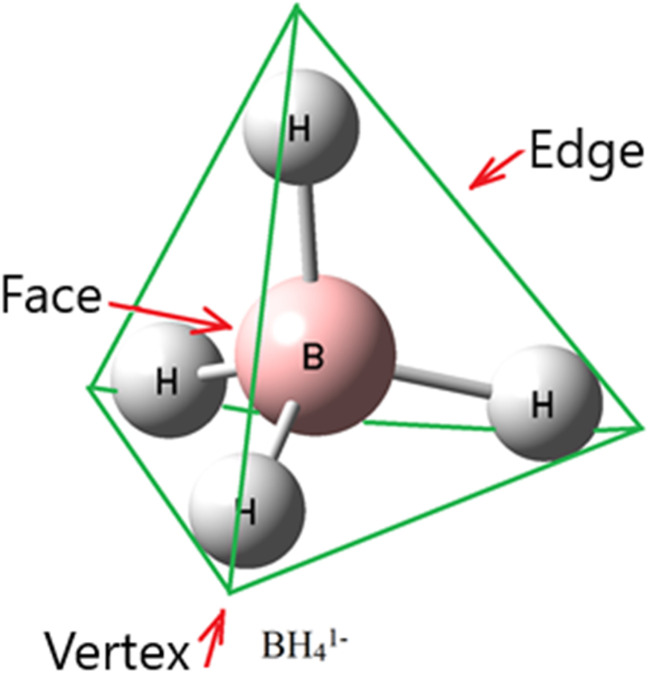 Figure 1
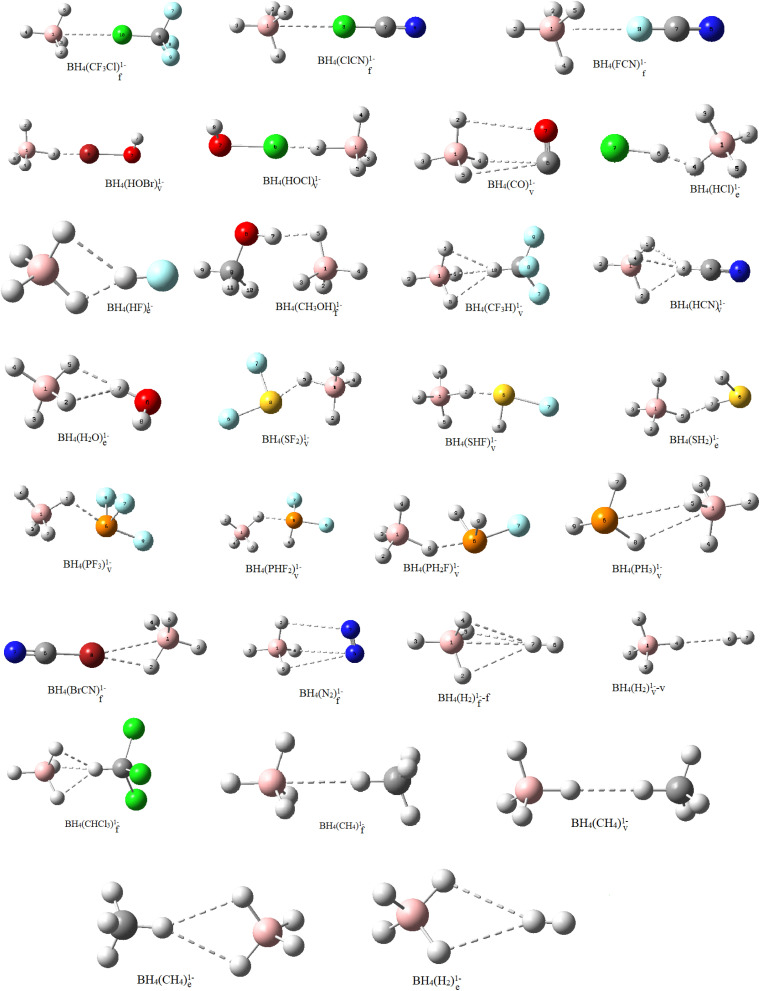 Figure 2
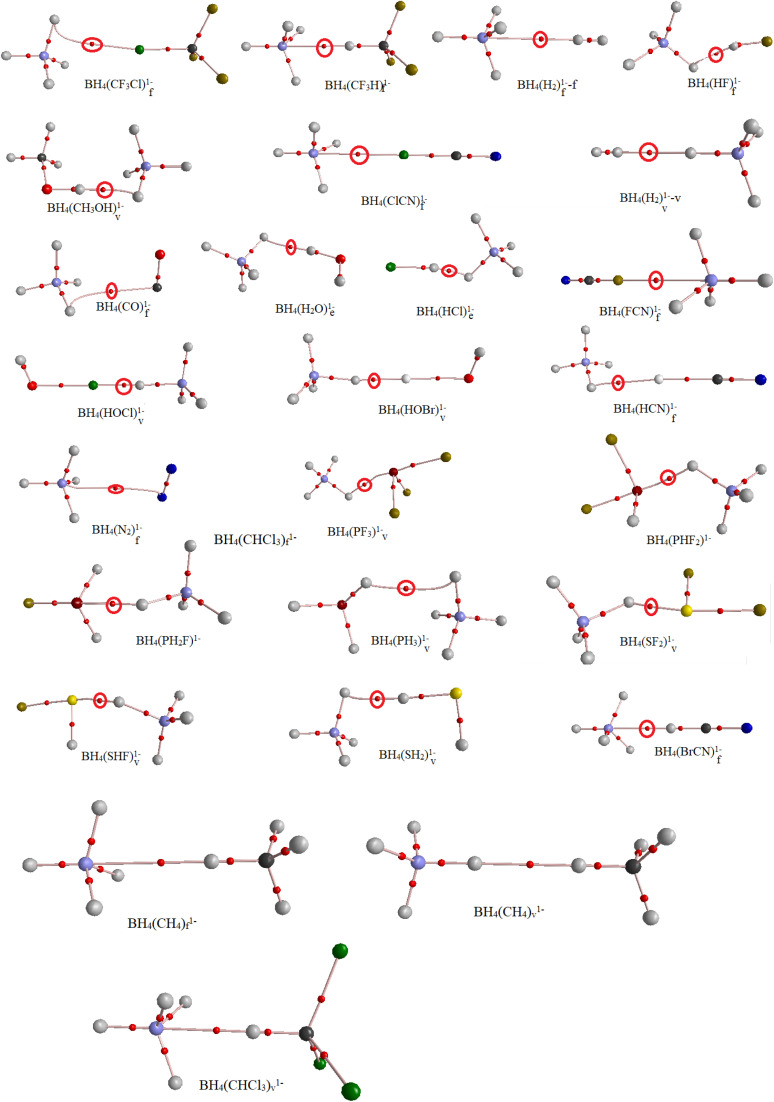 Figure 3
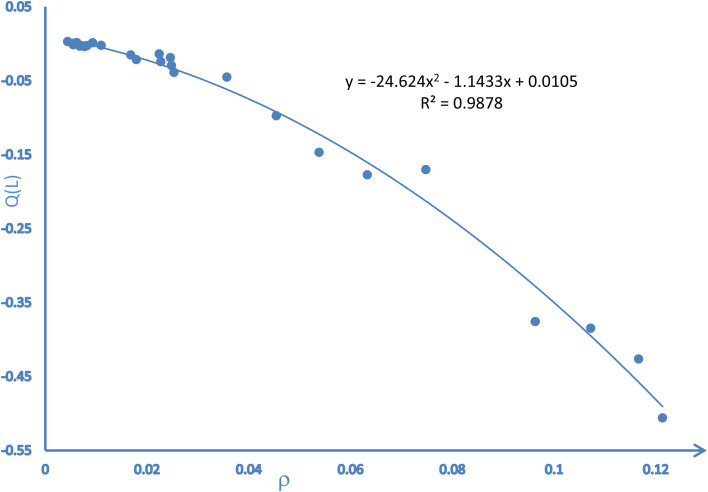 Figure 4
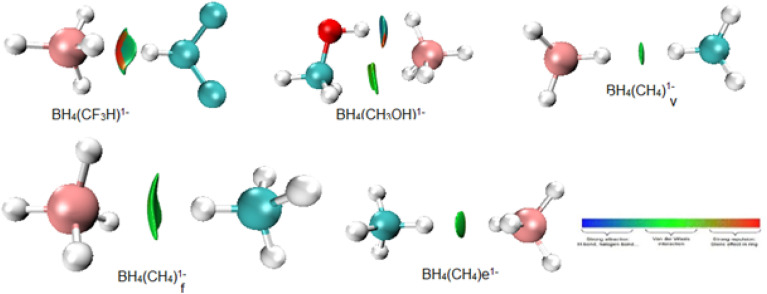 Figure 5
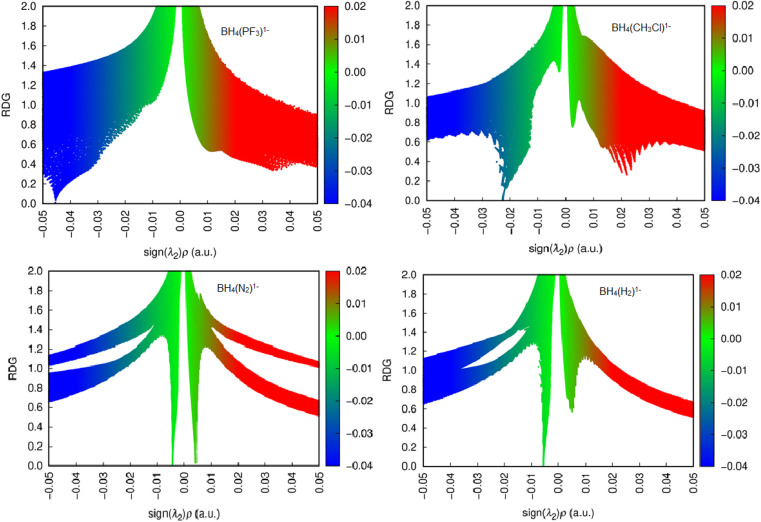 Figure 6
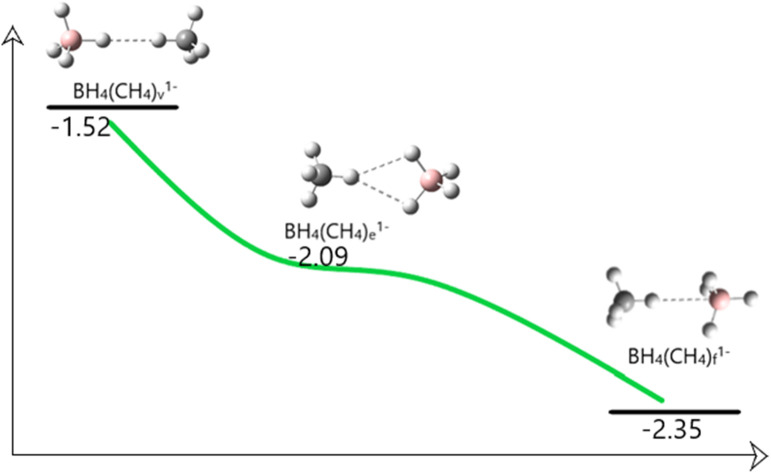 Figure 7
Peer Reviews
No public reviews on file for this paper yet. If you reviewed it on a platform where reviews are public (OpenReview, ICLR, NeurIPS, ICML), you can paste yours below so the community can read it here.
Videos
No videos yet. Explain this paper in a talk, walkthrough, or lecture? Add one.
Taxonomy
TopicsAdvanced Chemical Physics Studies · Crystallography and molecular interactions · Inorganic Fluorides and Related Compounds