Volume Changes of Alkali-Activated Slag-Based Mortars and Concretes in Sealed and Free Conditions
Maïté Lacante, Brice Delsaute, Stéphanie Staquet

TL;DR
This study examines how alkali-activated slag-based materials expand or contract under different conditions and at various stages of their development.
Contribution
The paper introduces a method to assess autogenous and thermal strains in alkali-activated slag-based materials across different scales and conditions.
Findings
The sand's restraint on paste is more significant than coarse aggregate's effect on mortar.
Long-term autogenous strains in mortars vary based on solution concentration.
Good correlations exist between different testing methods for lower solution-to-binder ratios.
Abstract
The goal of this paper is to assess the evolution of the autogenous strains as well as the thermal strains (thanks to the assessment of the coefficient of thermal expansion) of alkali-activated slag-based materials at early age. The effect of the sand and the coarse aggregates on the paste and mortar scale to upscale to mortar and concrete, respectively, has been investigated as a function of the age of the material. The restraint imposed by the sand on the paste seemed more significant than that of the coarse aggregate on the mortar. In addition, the long-term autogenous strains have been monitored on the mortar scale. These results revealed a separation into groups based on the solution concentration. Different testing methods were also compared. Thermal and autogenous strains were monitored with a customized testing device where the thermal variations are controlled. These devices…
Genes, proteins, chemicals, diseases, species, mutations and cell lines named across the full text — each resolved to its canonical identifier and authoritative record.
Click any figure to enlarge with its caption.
 Figure 1
 Figure 2
 Figure 3
 Figure 4
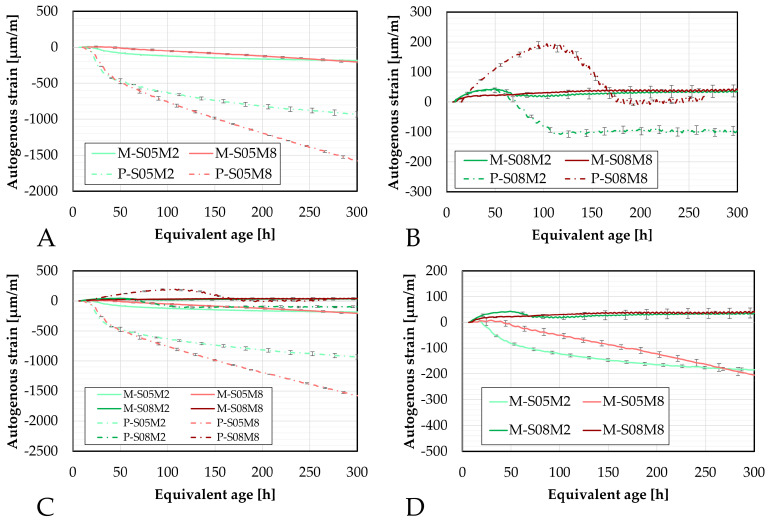 Figure 5
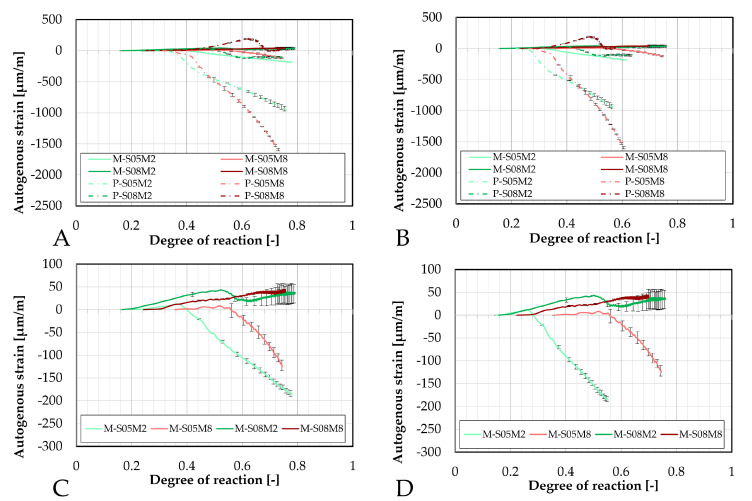 Figure 6
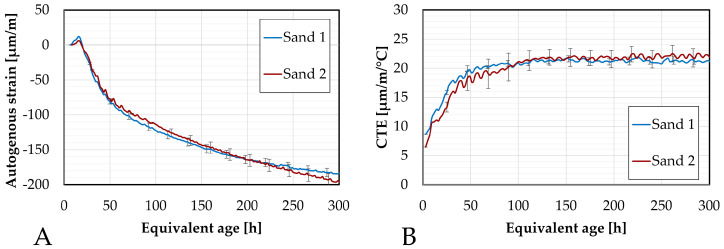 Figure 7
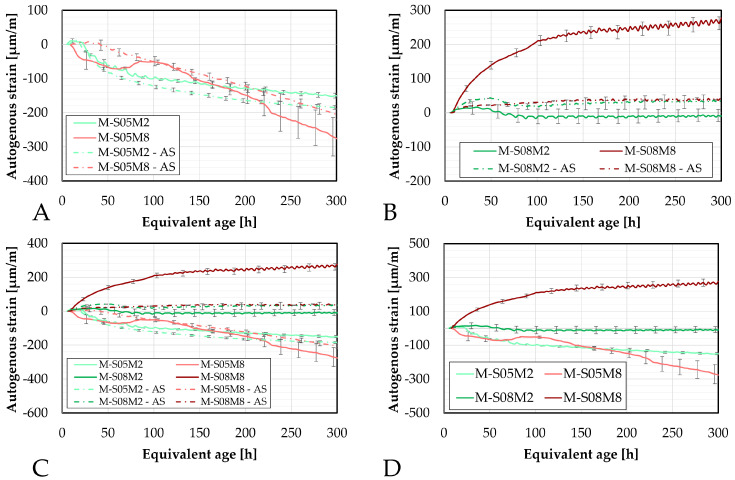 Figure 8
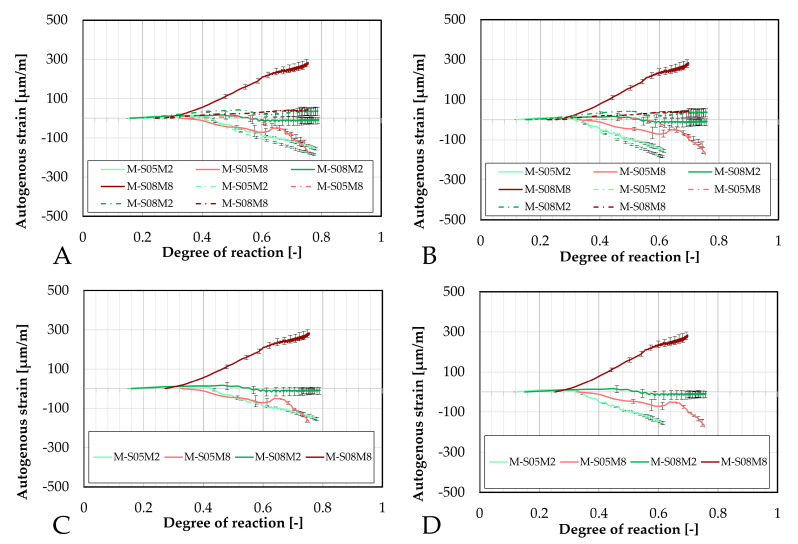 Figure 9
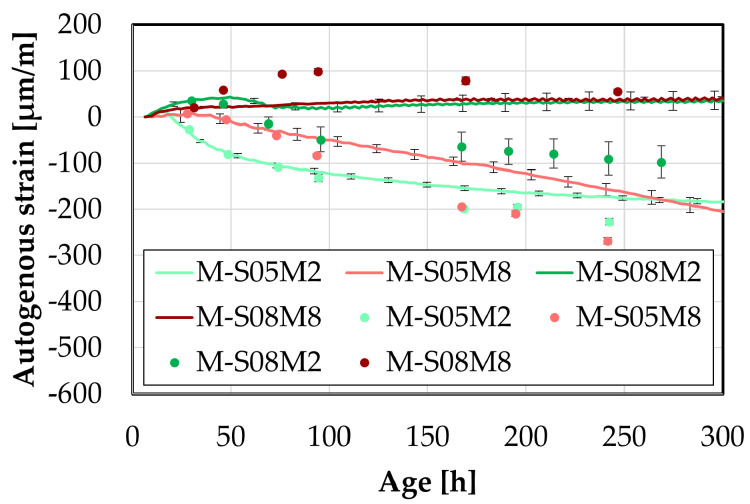 Figure 10
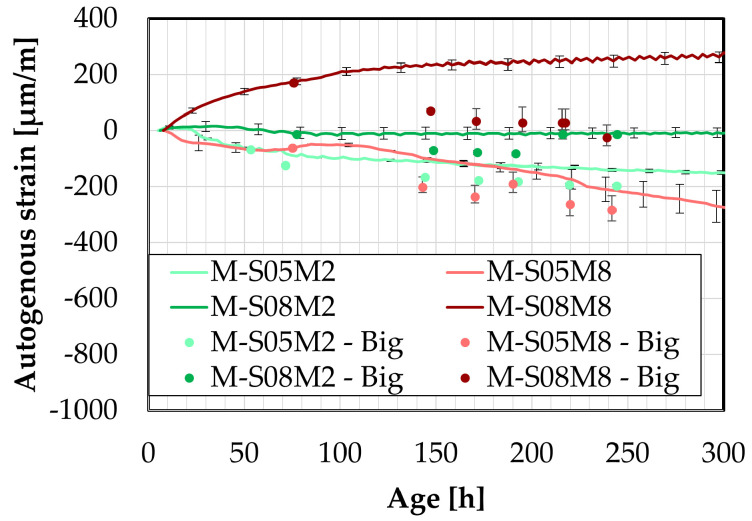 Figure 11
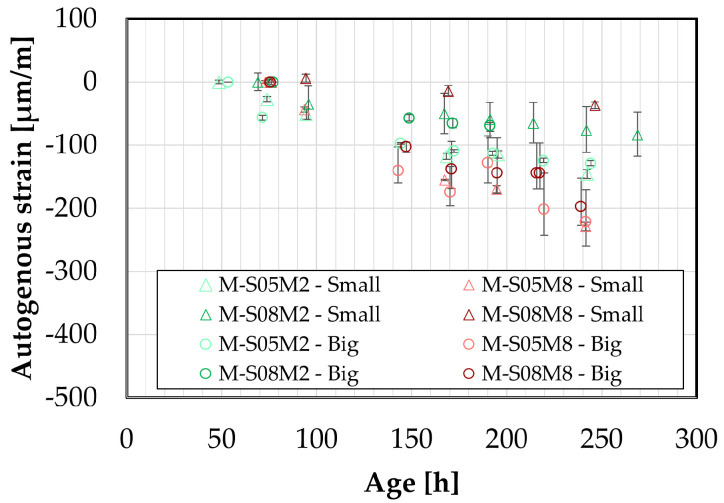 Figure 12
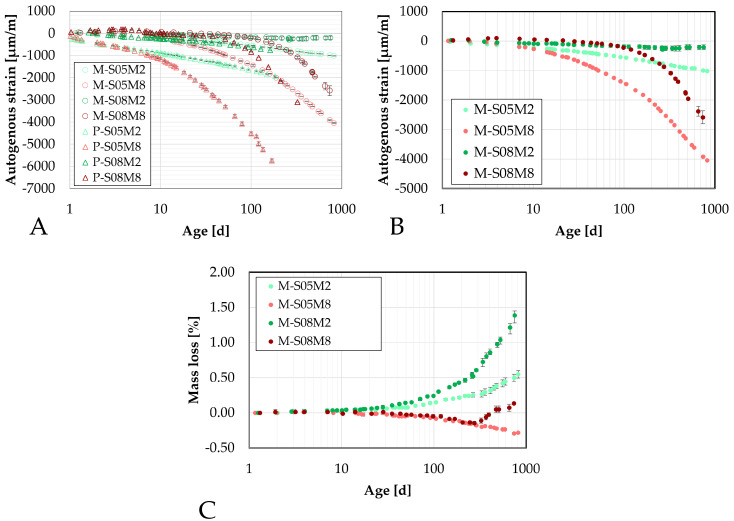 Figure 13
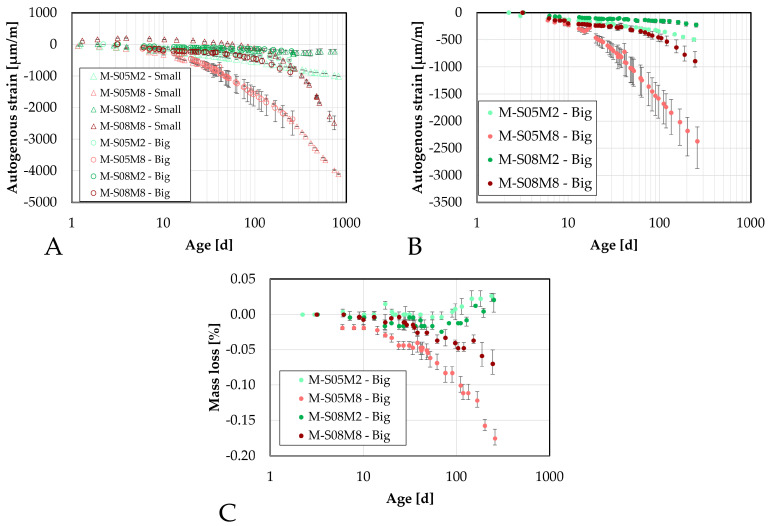 Figure 14
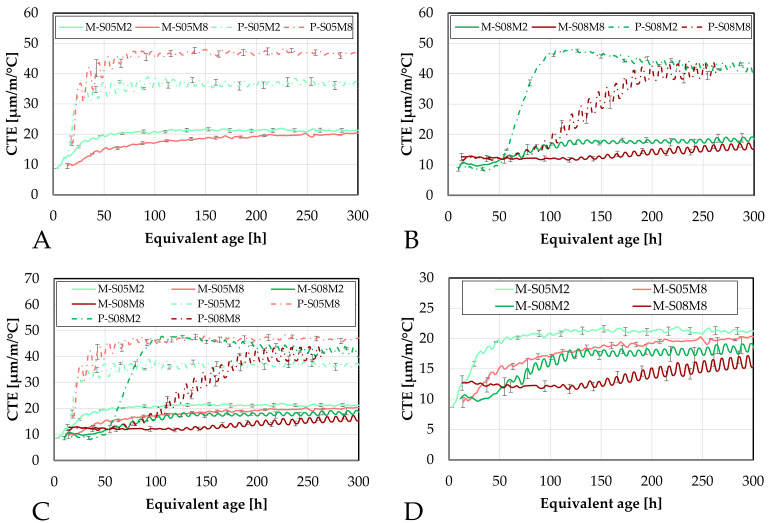 Figure 15
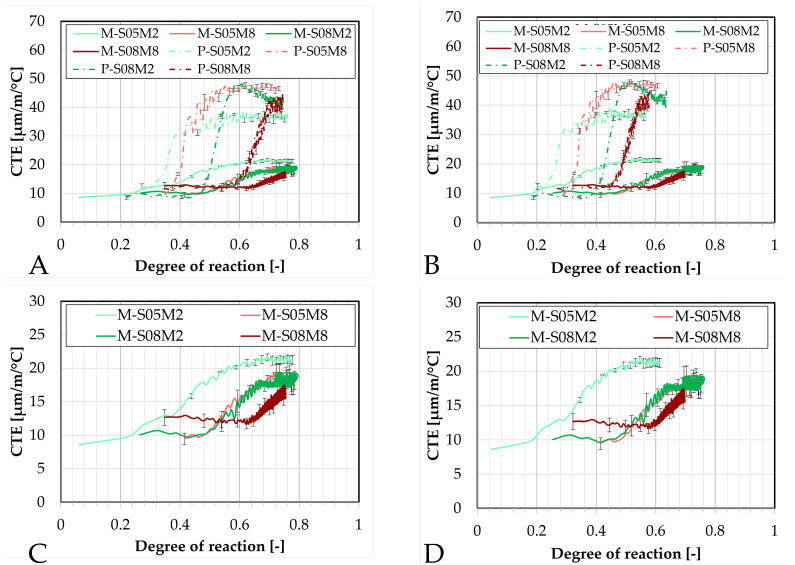 Figure 16
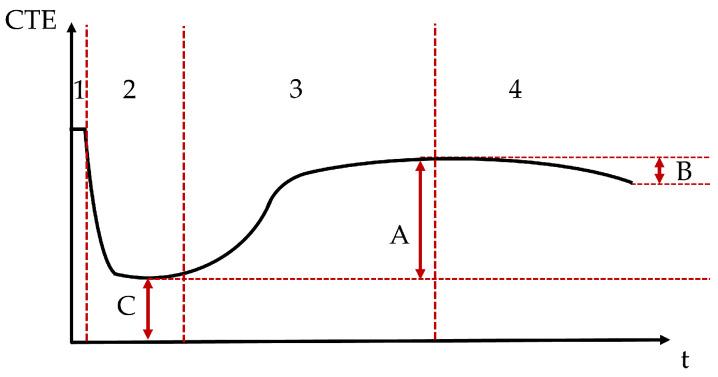 Figure 17
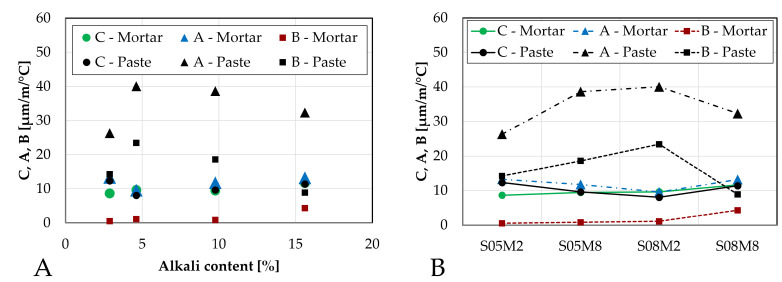 Figure 18
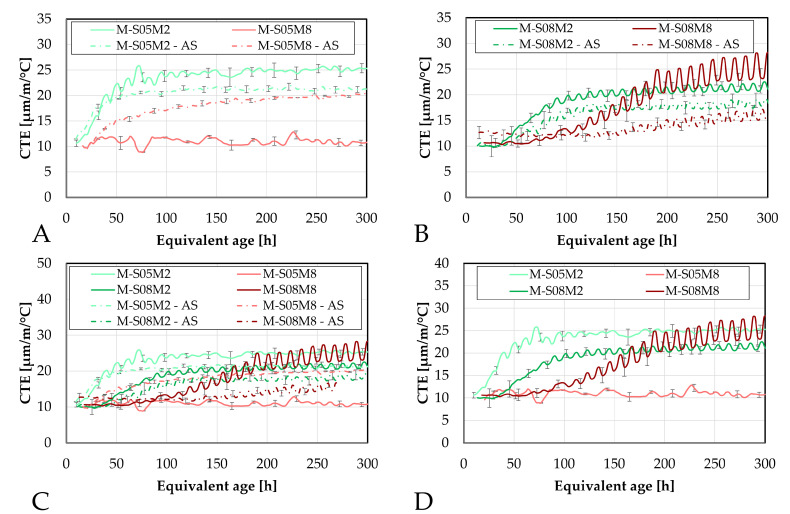 Figure 19
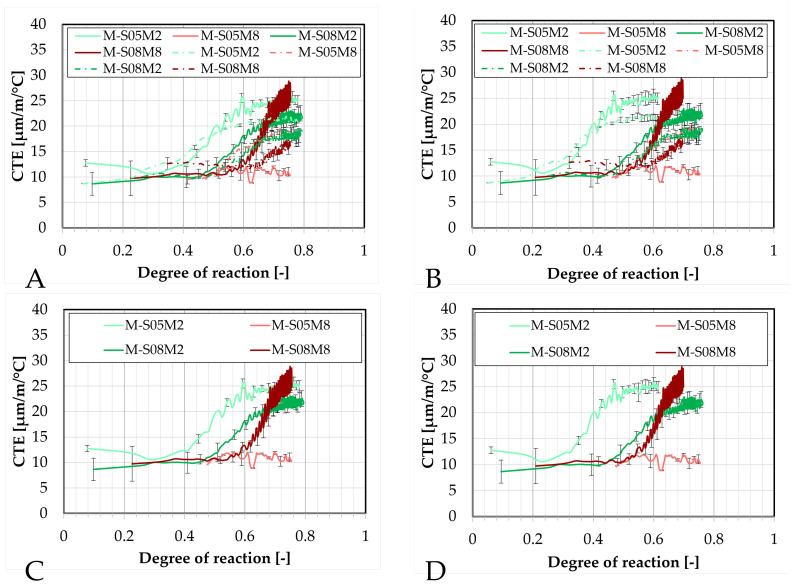 Figure 20
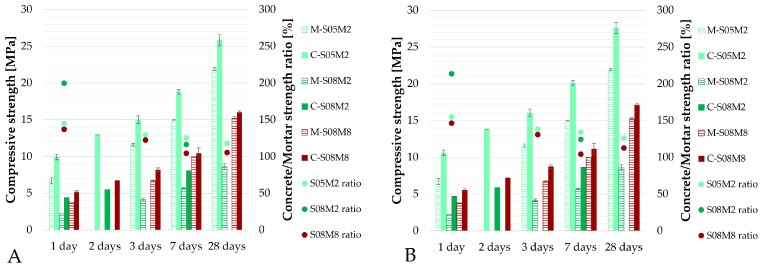 Figure 21
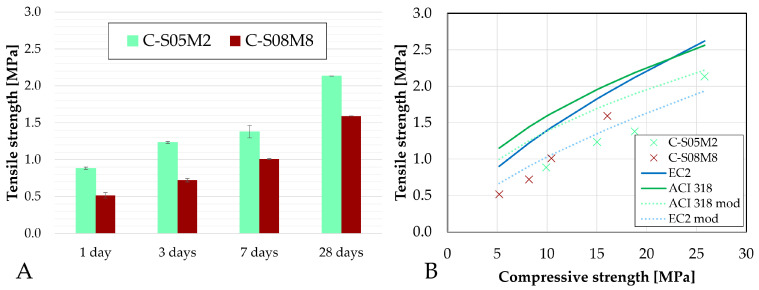 Figure 22
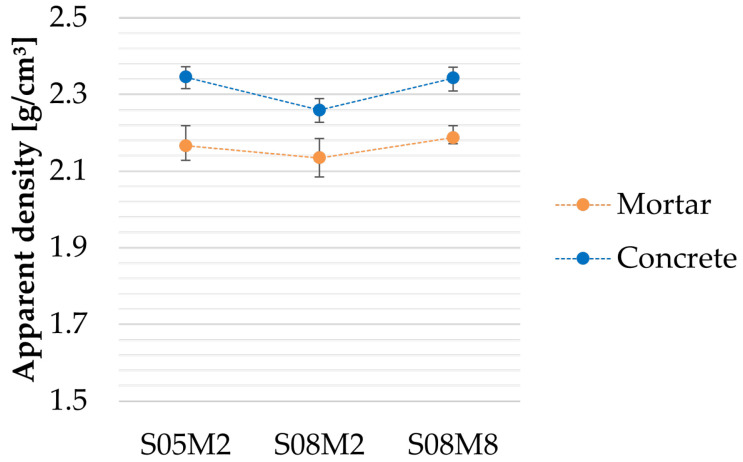 Figure 23
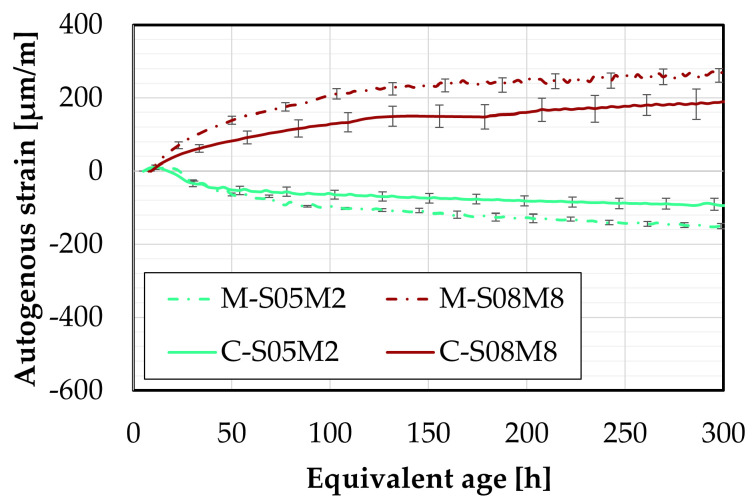 Figure 24
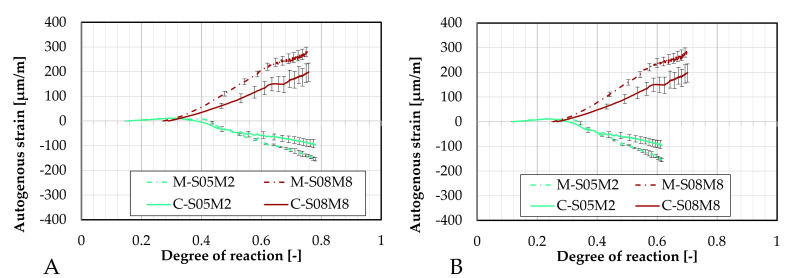 Figure 25
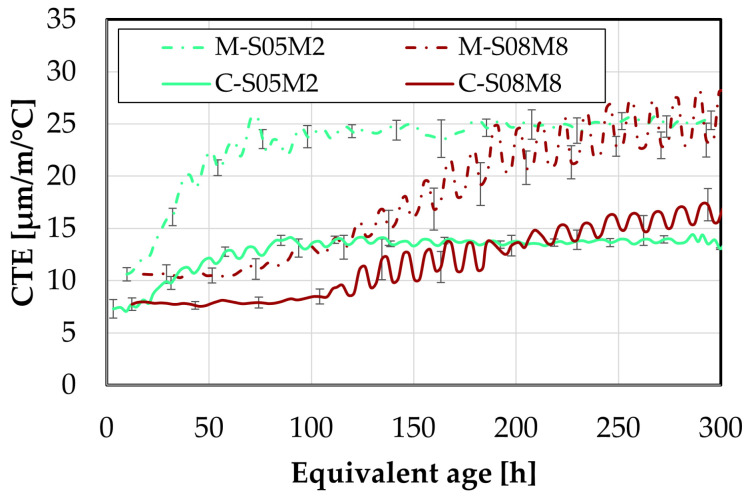 Figure 26
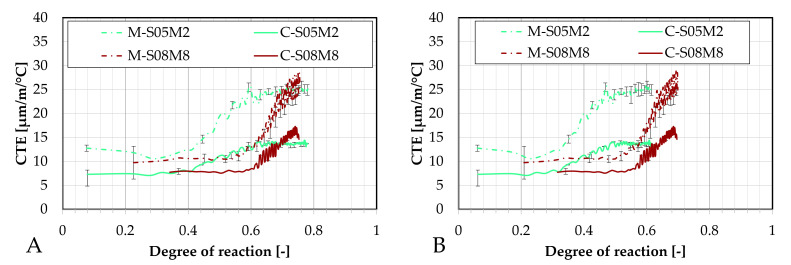 Figure 27
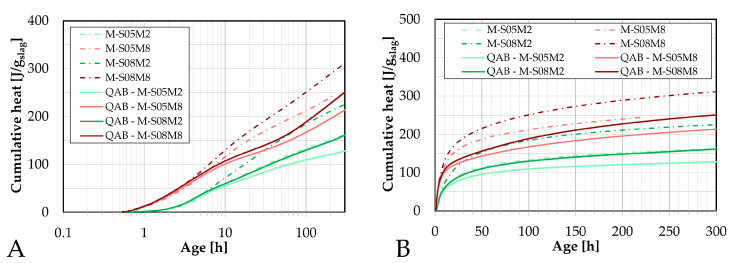 Figure 28
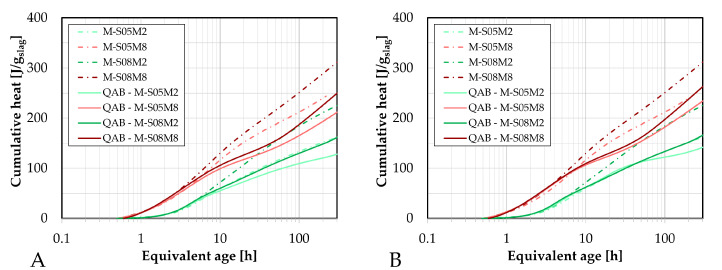 Figure 29
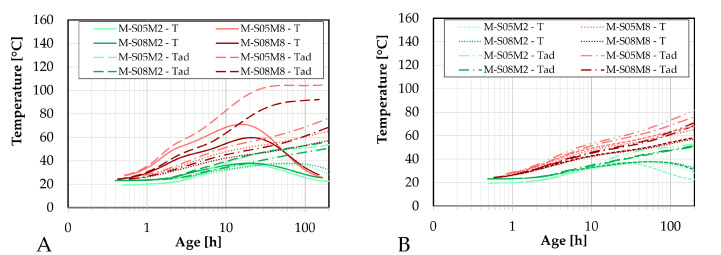 Figure 30
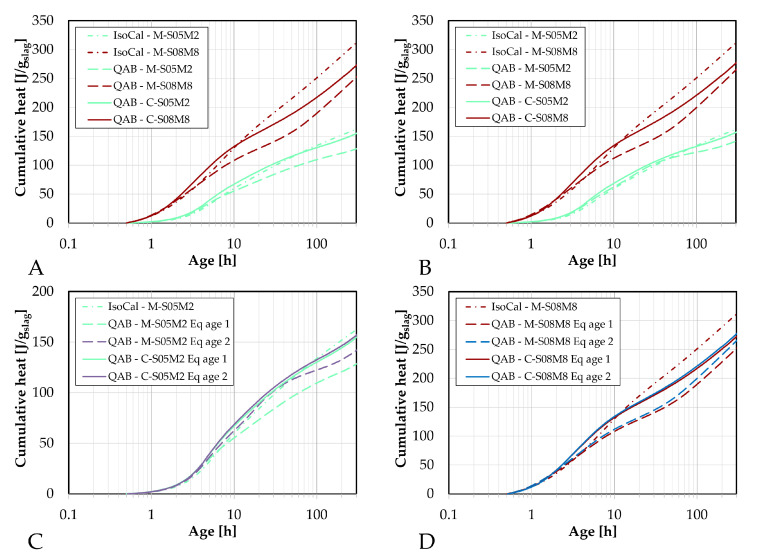 Figure 31
Peer Reviews
No public reviews on file for this paper yet. If you reviewed it on a platform where reviews are public (OpenReview, ICLR, NeurIPS, ICML), you can paste yours below so the community can read it here.
Videos
No videos yet. Explain this paper in a talk, walkthrough, or lecture? Add one.
Taxonomy
TopicsConcrete and Cement Materials Research · Concrete Properties and Behavior · Innovative concrete reinforcement materials