Structure and Phase Composition of the Products Derived from Vacuum–Thermal Treatment of a Tellurium-Containing Middling
Alina Nitsenko, Xeniya Linnik, Valeriy Volodin, Sergey Trebukhov, Bulat Sukurov, Farkhad Tuleutay, Tolebi Dzhienalyev

TL;DR
This study explores the products formed when copper telluride is processed under vacuum and high temperature, aiming to develop eco-friendly methods for tellurium recovery.
Contribution
The paper presents novel phase composition data from vacuum-thermal treatment of copper telluride middling, supporting eco-friendly processing methods.
Findings
The residue after processing mainly contained copper(I) oxide.
The condensate included phases like CuTe2O5, CuO·CuTeO3, TeO2, SiO2, and CuTe2Cl.
Tellurium oxide monophase was identified in the condensate at 150 to 270 °C.
Abstract
In this paper, the results from a study of the products obtained by vacuum–thermal processing of industrial copper telluride in an inert atmosphere at a pressure of 66 Pa and a temperature of 1100 °C are presented. The residue obtained mainly consisted of the copper(I) oxide phase. The condensate was represented by the phases CuTe2O5, CuO·CuTeO3, TeO2, SiO2, and CuTe2Cl. The vapor phase condensed in four temperature zones, each represented by a different phase composition. A monophase of tellurium oxide was identified in the condensate at temperatures of 150 to 270 °C. The obtained data contribute to expanding scientific knowledge and form the basis for developing a new, environmentally safe method of processing tellurium-containing middling. The creation of new technologies promotes increased efficiency of tellurium recovery and reduces environmental risks.
Genes, proteins, chemicals, diseases, species, mutations and cell lines named across the full text — each resolved to its canonical identifier and authoritative record.
Click any figure to enlarge with its caption.
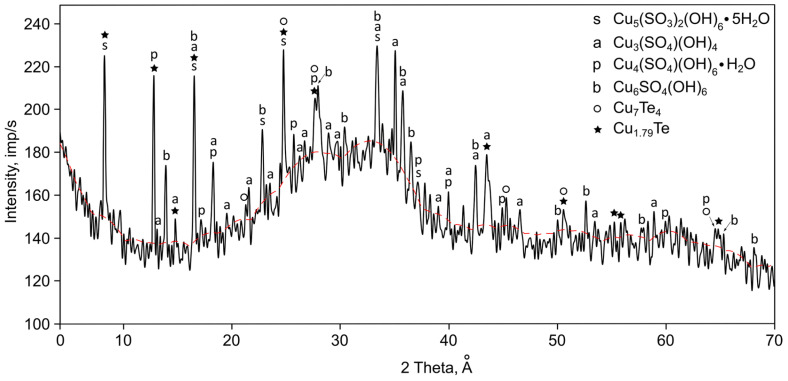 Figure 1
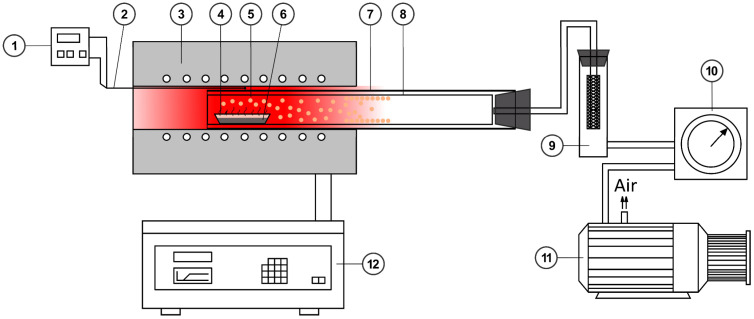 Figure 2
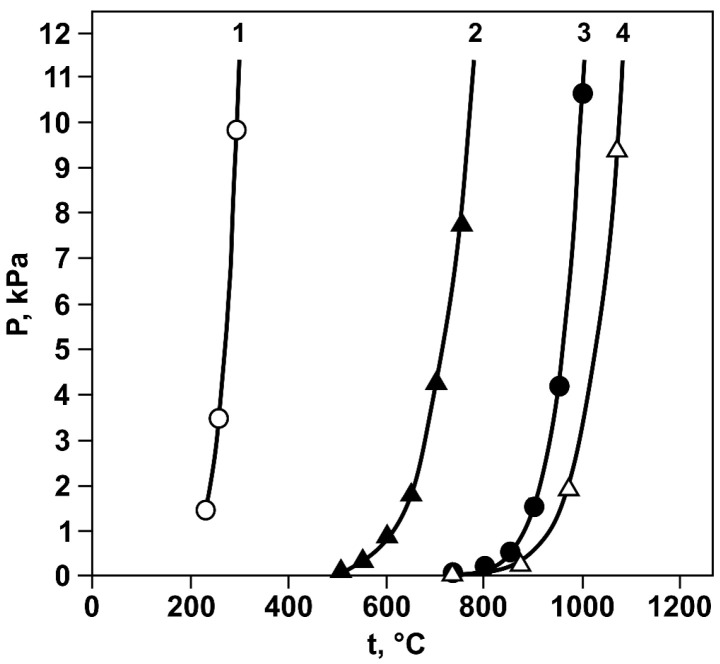 Figure 3
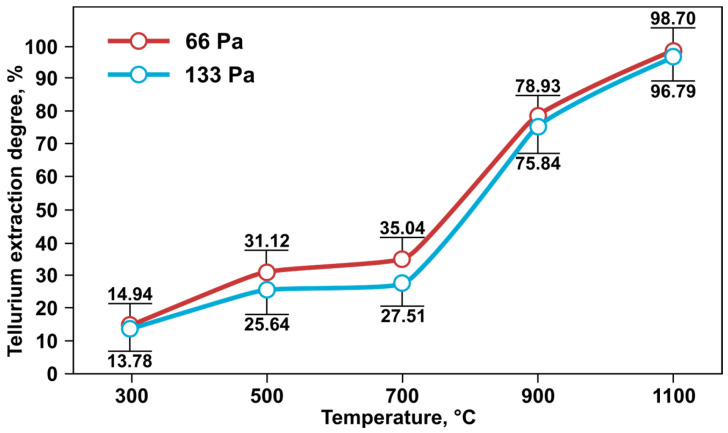 Figure 4
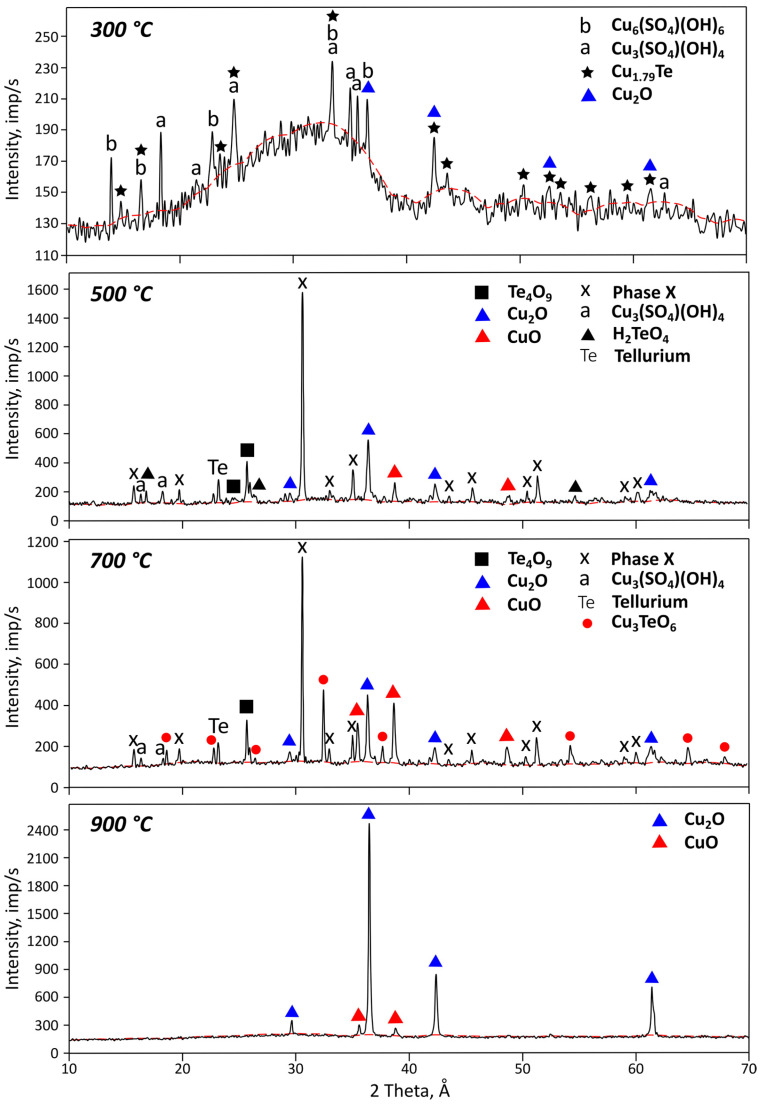 Figure 5
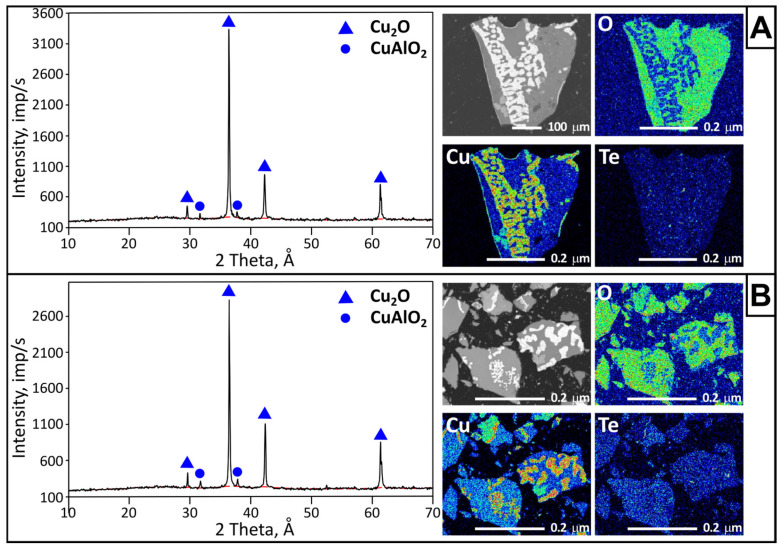 Figure 6
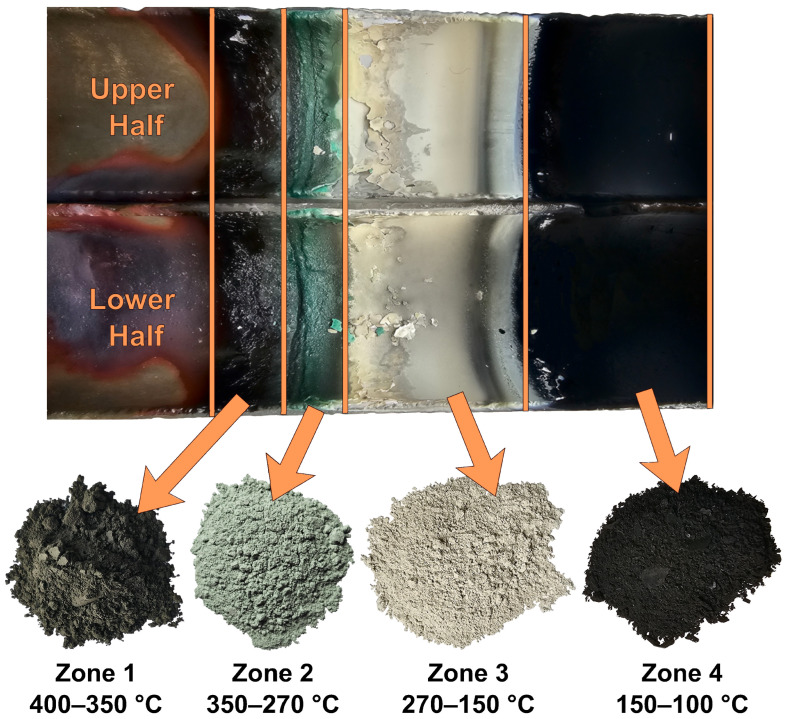 Figure 7
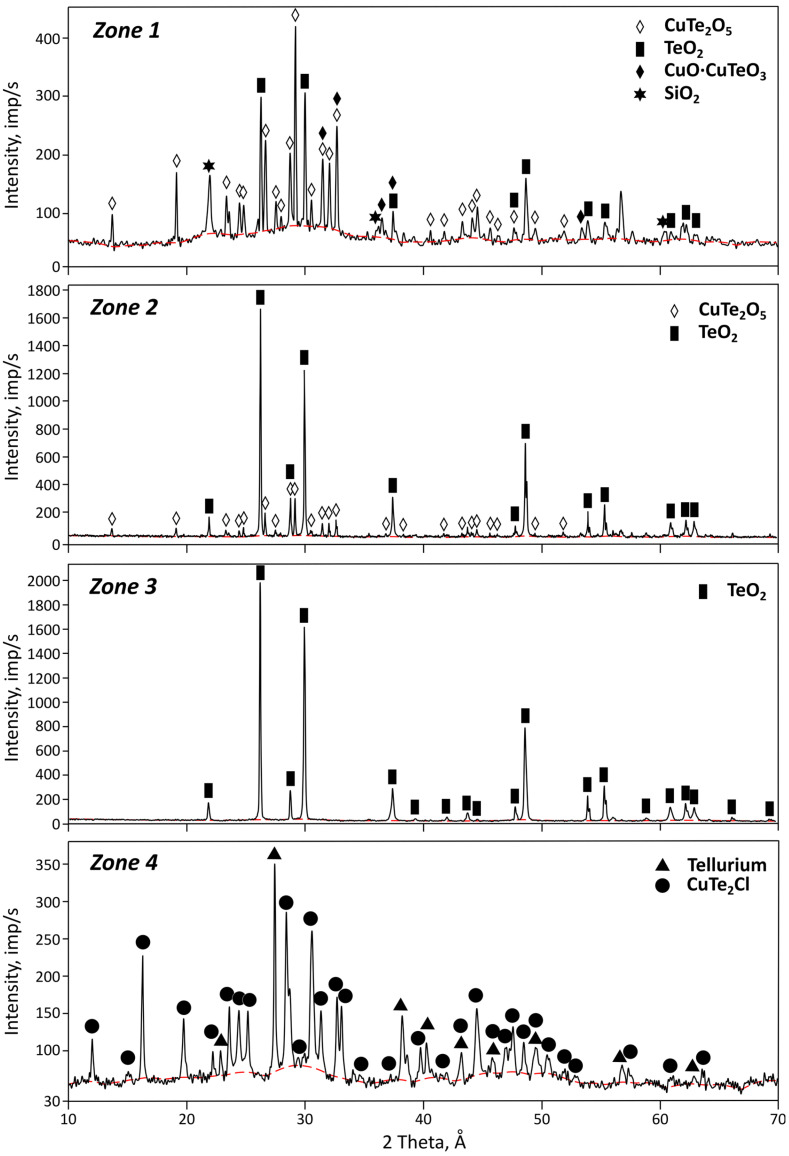 Figure 8
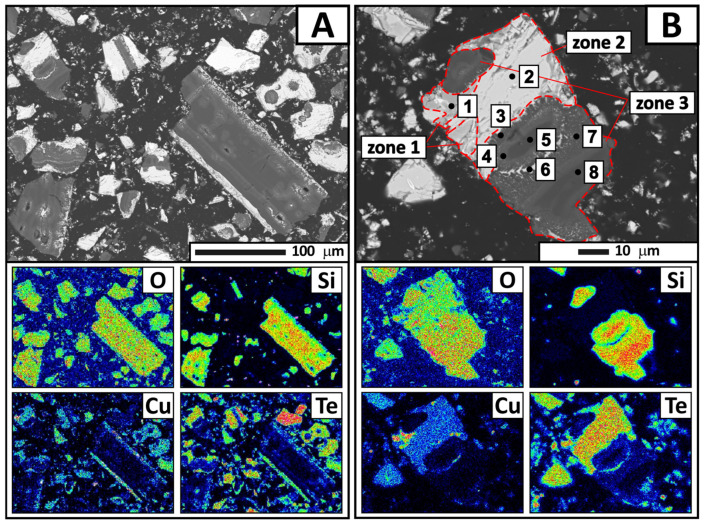 Figure 9
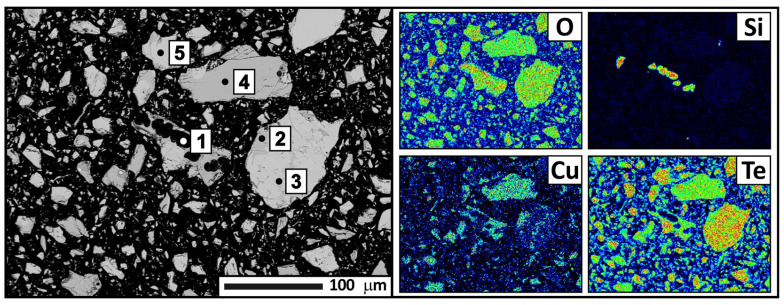 Figure 10
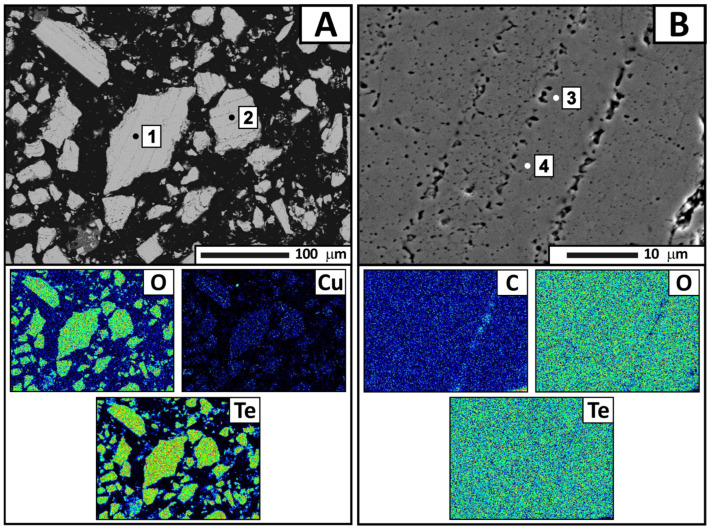 Figure 11
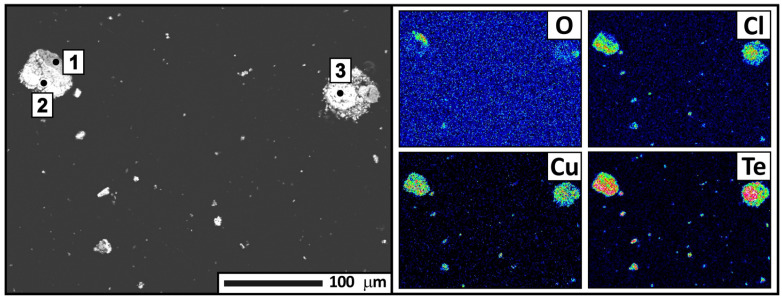 Figure 12
Peer Reviews
No public reviews on file for this paper yet. If you reviewed it on a platform where reviews are public (OpenReview, ICLR, NeurIPS, ICML), you can paste yours below so the community can read it here.
Videos
No videos yet. Explain this paper in a talk, walkthrough, or lecture? Add one.
Taxonomy
TopicsChalcogenide Semiconductor Thin Films · Advanced Semiconductor Detectors and Materials · Metal Extraction and Bioleaching