Assessing the Insecticidal Performance of Commiphora myrrha Essential Oil Against Prostephanus truncatus and Sitophilus zeamais Using a Metabolomic Approach
Nickolas G. Kavallieratos, Maria C. Boukouvala, Constantin S. Filintas, Demeter Lorentha S. Gidari, Anna Skourti, Vasiliki Panagiota C. Kyrpislidi, Filippo Maggi, Riccardo Petrelli, Eleonora Spinozzi, Marta Ferrati, Cristina Teruzzi, Fabrizio Araniti

TL;DR
This study explores how myrrh essential oil affects two insect pests, finding it more effective against one and using metabolomics to understand the differences.
Contribution
The study introduces a metabolomic approach to assess the insecticidal effects of myrrh essential oil on two insect species.
Findings
Myrrh essential oil caused high mortality in Prostephanus truncatus but only moderate in Sitophilus zeamais.
Metabolomic analysis revealed species-specific metabolic shifts caused by the essential oil.
The essential oil shows potential as a botanical insecticide and could aid in integrated pest management.
Abstract
Botanical insecticides have gained interest due to a rising demand for environmentally friendly pest control methods for stored-product protection. The insecticidal effectiveness of the essential oil (EO) obtained from the oleo-gum-resin of myrrh (Commiphora myrrha (Nees) Engl.), against Prostephanus truncatus (Horn) and Sitophilus zeamais Motschulsky, and the metabolic shifts of the two species, were investigated in this work. A thorough gas chromatography-mass spectrometry (GC-MS) investigation showed that the composition of this EO was dominated by furanosesquiterpenes, specifically, furanoeudesma-1,3-diene and curzerene. Commiphora myrrha EO treatments, especially at 1000 ppm, resulted in high adult mortality for P. truncatus (up to 85.6%), while S. zeamais showed only moderate mortality (up to 25.6%). To investigate the different species-specific effectiveness of the EO, untargeted…
Genes, proteins, chemicals, diseases, species, mutations and cell lines named across the full text — each resolved to its canonical identifier and authoritative record.
Click any figure to enlarge with its caption.
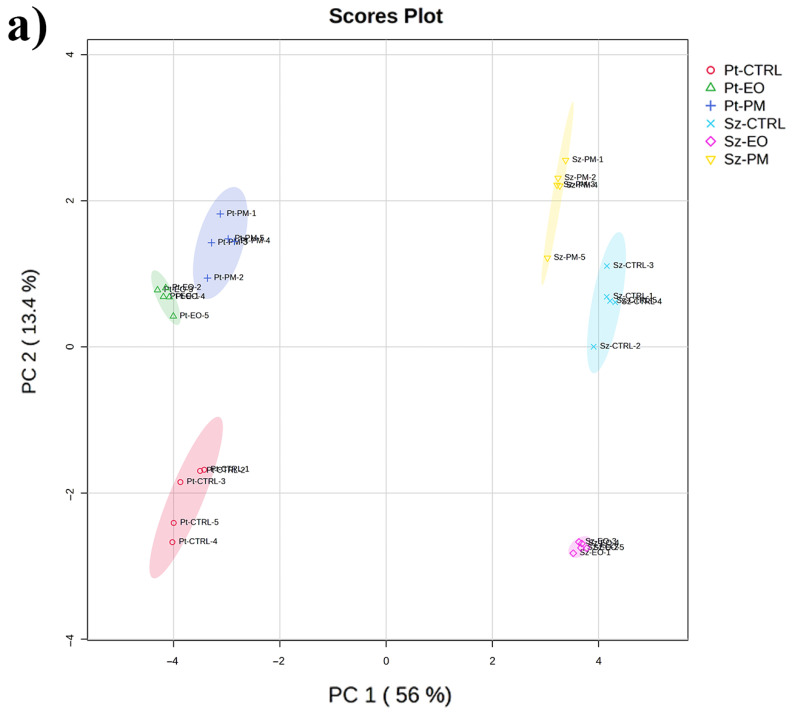 Figure 1
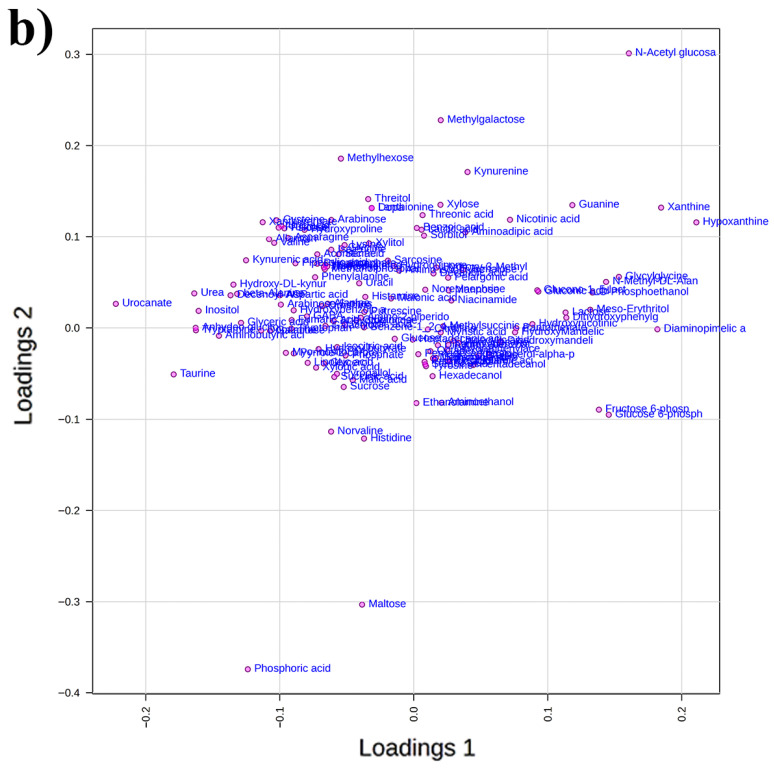 Figure 2
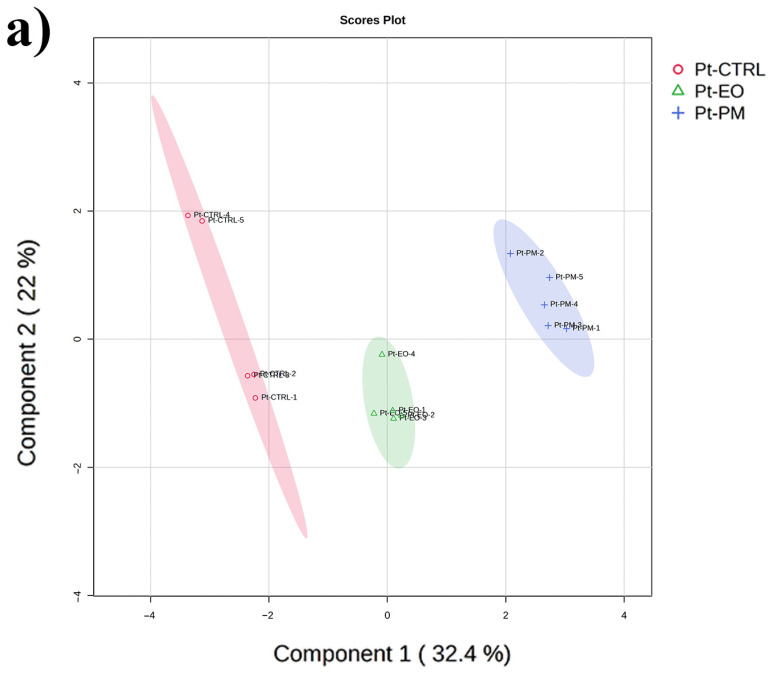 Figure 3
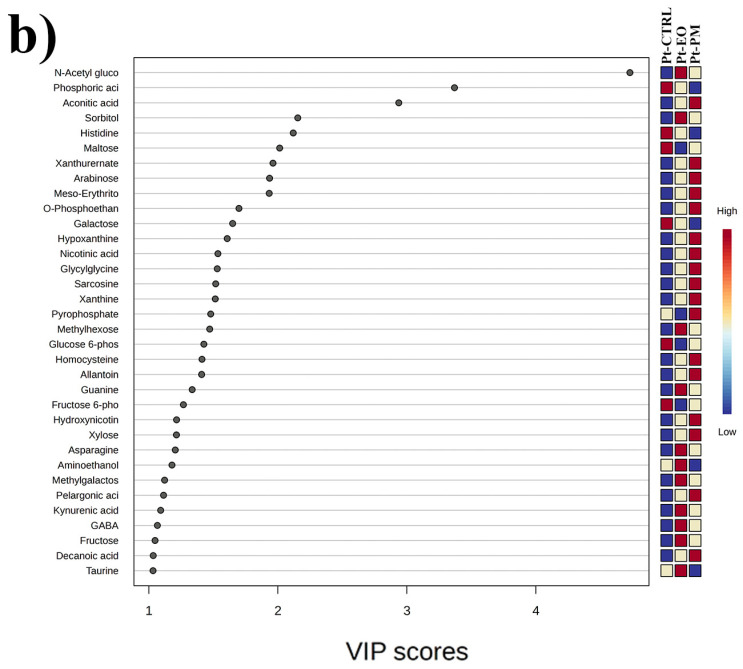 Figure 4
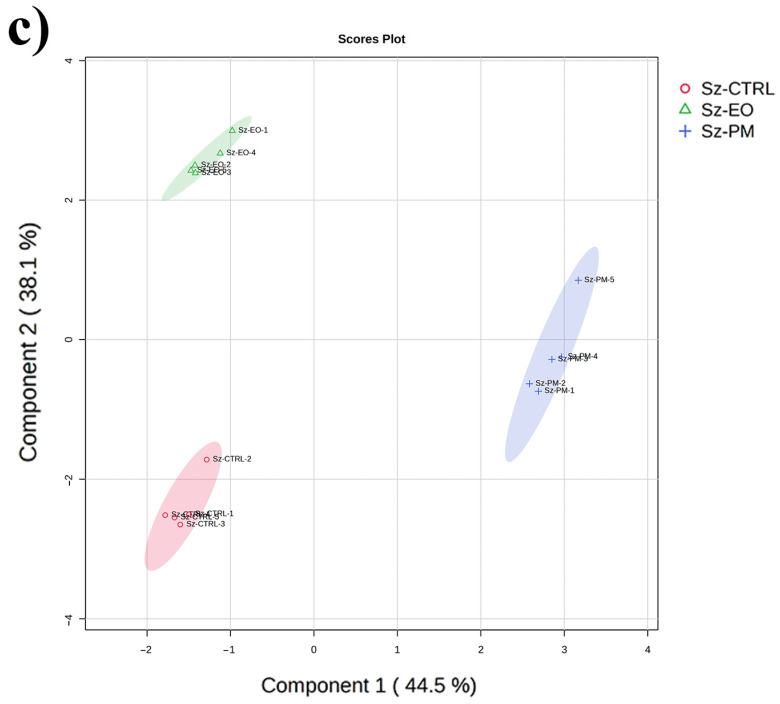 Figure 5
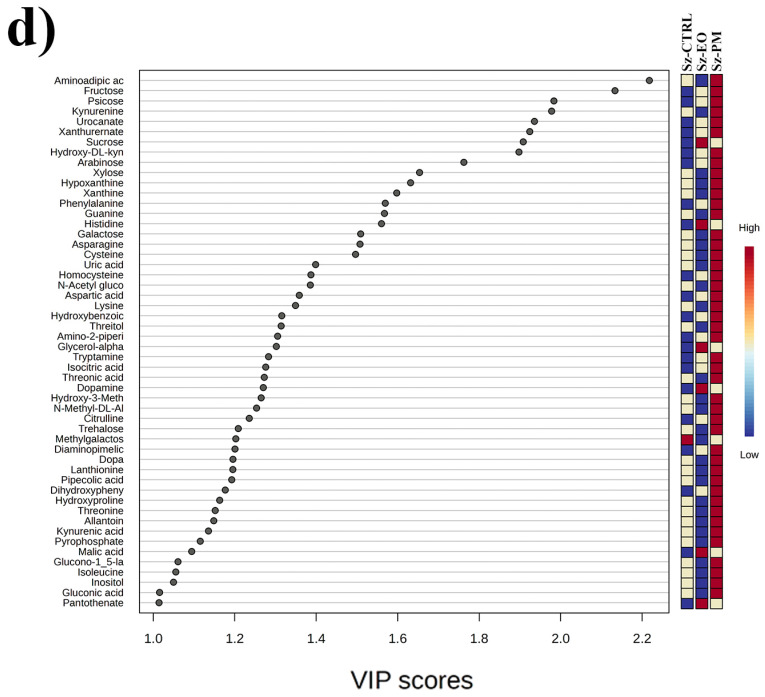 Figure 6
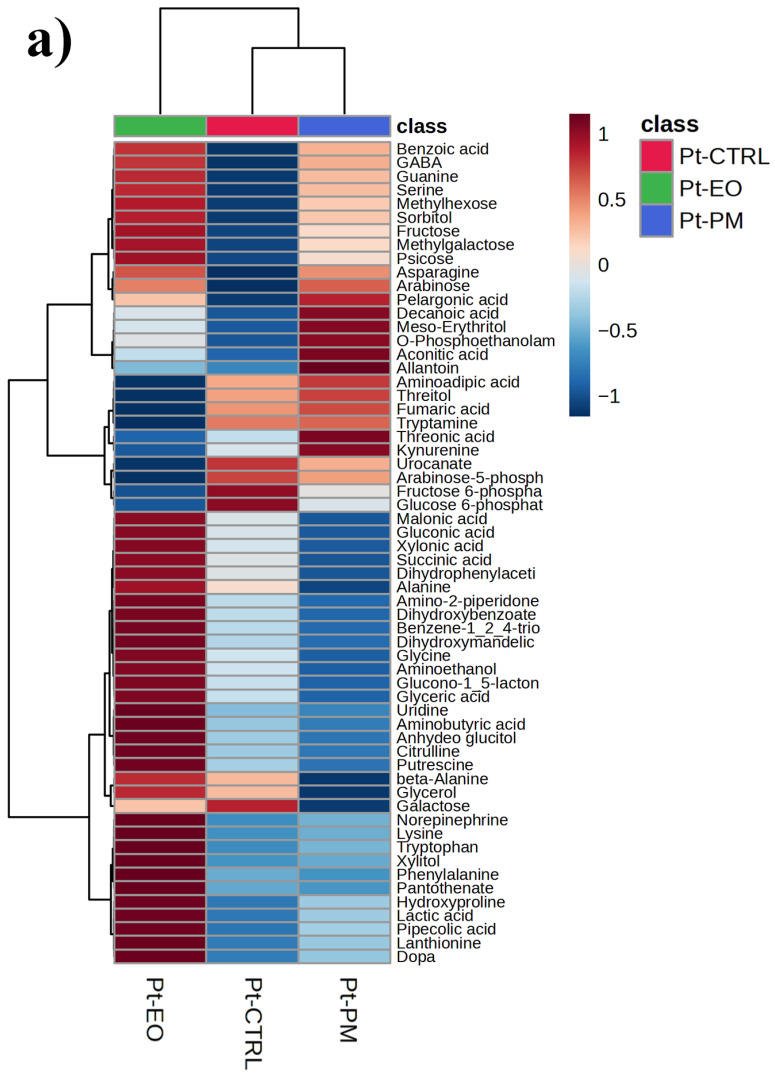 Figure 7
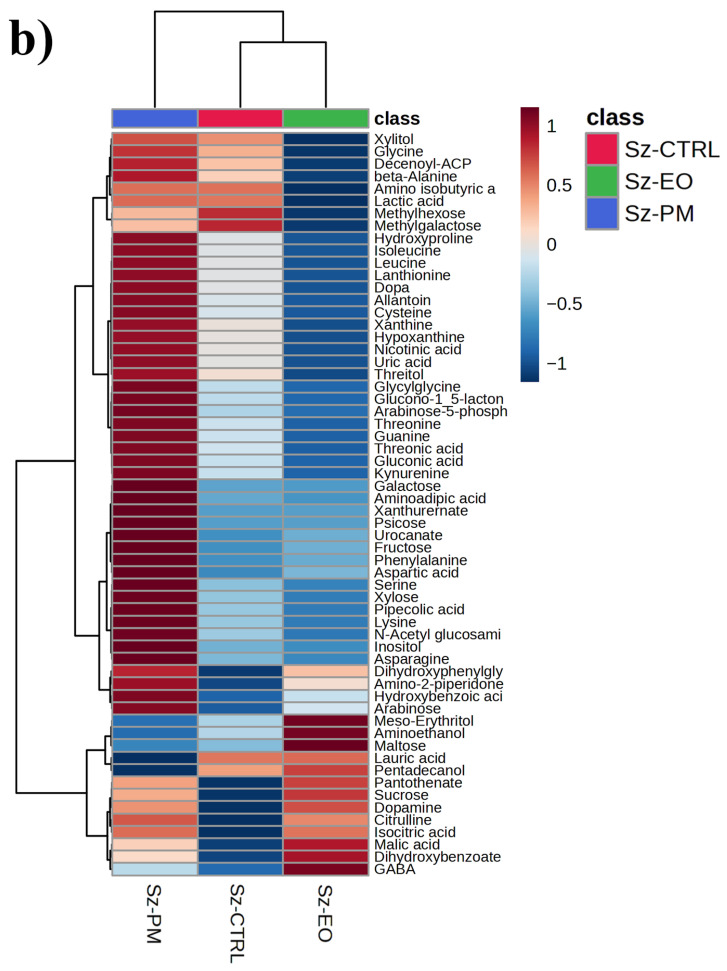 Figure 8
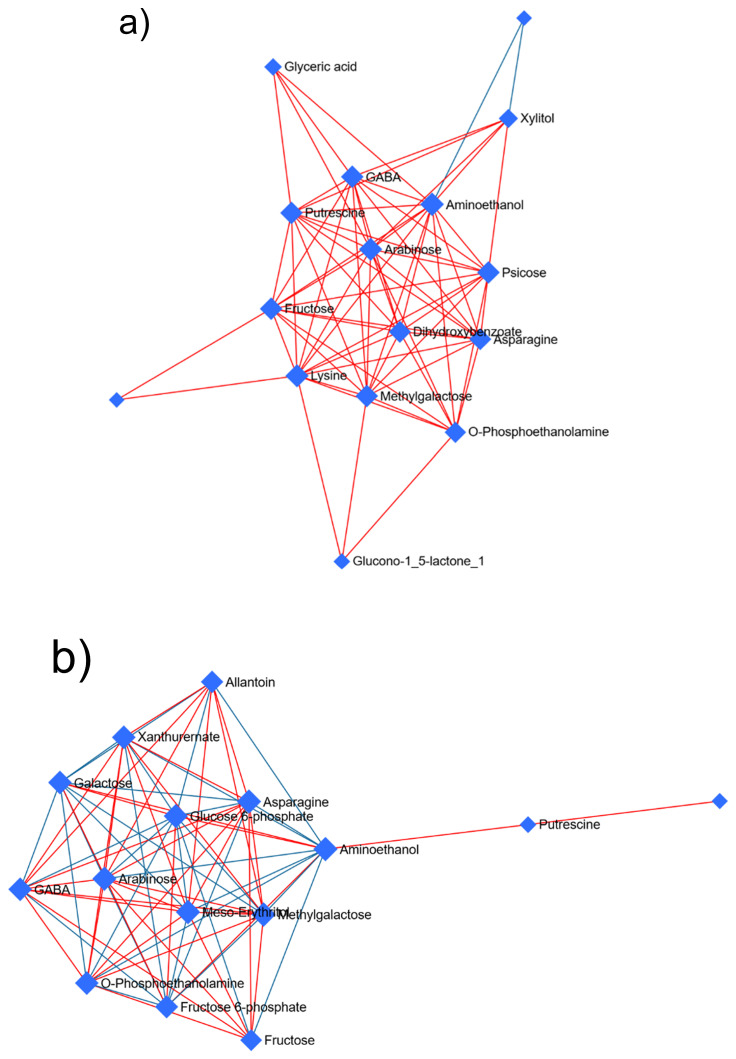 Figure 9
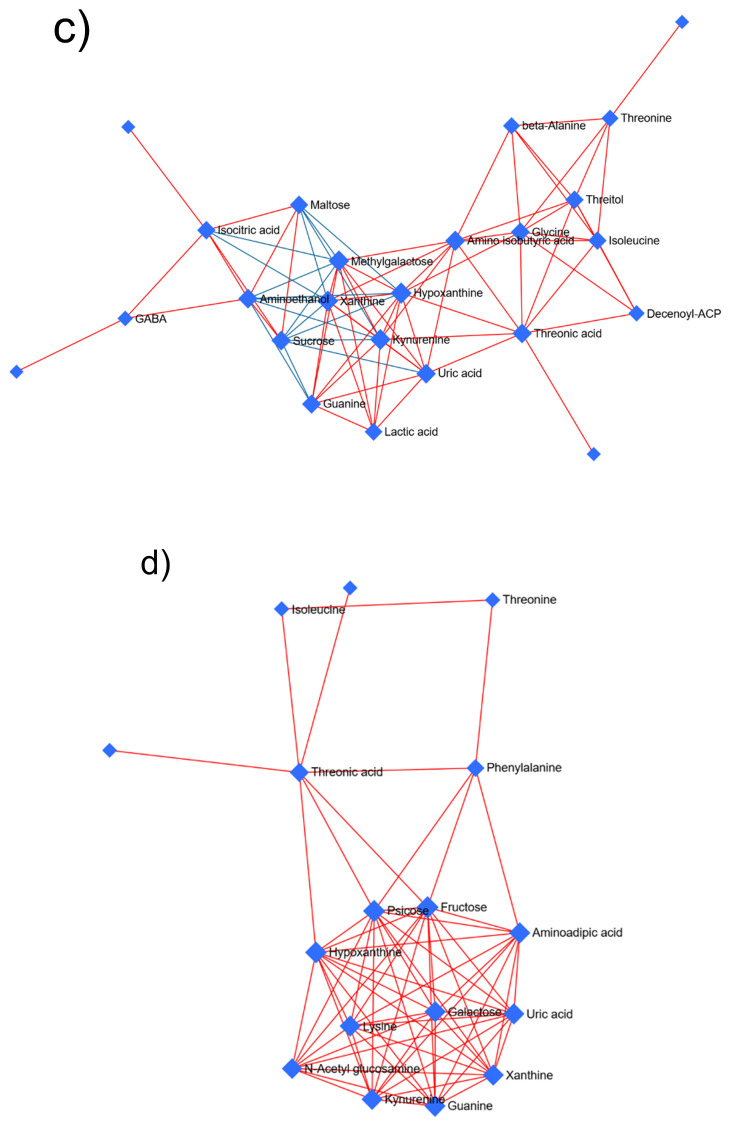 Figure 10
Peer Reviews
No public reviews on file for this paper yet. If you reviewed it on a platform where reviews are public (OpenReview, ICLR, NeurIPS, ICML), you can paste yours below so the community can read it here.
Videos
No videos yet. Explain this paper in a talk, walkthrough, or lecture? Add one.
Taxonomy
TopicsInsect Pest Control Strategies · Insect and Pesticide Research · Essential Oils and Antimicrobial Activity