Three-Dimensional Printable Photocurable Elastomer Composed of Hydroxyethyl Acrylate and Hydroxy Fatty Acid Derived from Waste Cooking Oil: An Innovative Strategy for Sustainable, Highly Flexible Resin Development
Fangping Shen, Chuanyang Tang, Yang Yang, Guangzhi Qin, Minghui Li, Haitian Jiang, Mengyao Wu, Shuoping Chen

TL;DR
Scientists developed a flexible 3D printable material from waste cooking oil, offering a sustainable alternative with high flexibility and multiple useful properties.
Contribution
A new strategy to convert waste cooking oil into a photocurable elastomer with exceptional flexibility and multifunctional properties.
Findings
The WHFA/HEA elastomer achieves an elongation at break of 1184.66%, surpassing pure HEA by 360%.
The material shows weldability, reprocessability, pressure-sensitive adhesion, and biodegradability.
The optimized material has potential for use in flexible electronics and biomedical scaffolds.
Abstract
Waste cooking oil (WCO), a significant urban waste stream, presents untapped potential for synthesizing high-value materials. This study introduces an innovative “epoxidation-hydrolysis-blending” strategy to conveniently transform WCO into a highly flexible, photocurable elastomer suitable for 3D printing. Initially, WCO is converted into WCO-based hydroxy fatty acids (WHFA) via epoxidation and hydrolysis, yielding linear chains functionalized with multiple hydrogen-bonding sites. Subsequently, blending WHFA with hydroxyethyl acrylate (HEA) yields a novel photocurable WHFA/HEA elastomer. This elastomer exhibits excellent dimensional accuracy during vat photopolymerization 3D printing. Within the WHFA/HEA system, WHFA acts as a dual-functional modifier: its flexible alkyl chains enhance conformational freedom through plasticization while serving as dynamic hydrogen-bonding cross-linking…
Genes, proteins, chemicals, diseases, species, mutations and cell lines named across the full text — each resolved to its canonical identifier and authoritative record.
Click any figure to enlarge with its caption.
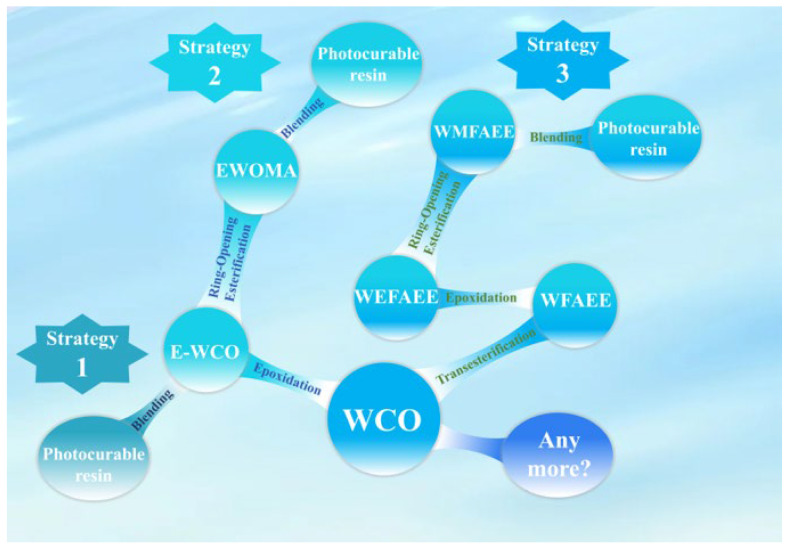 Figure 1
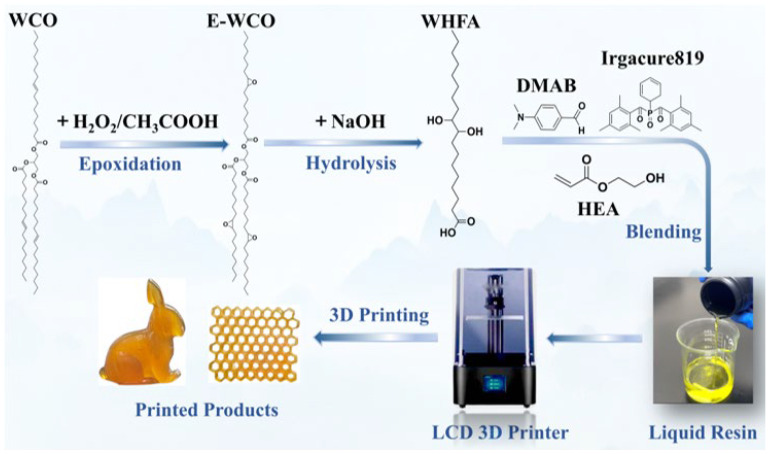 Figure 2
 Figure 3
 Figure 4
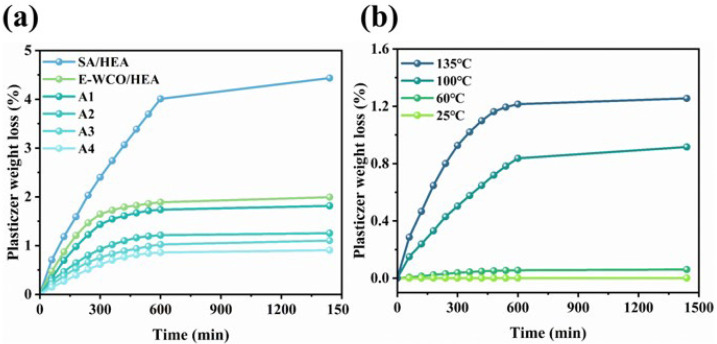 Figure 5
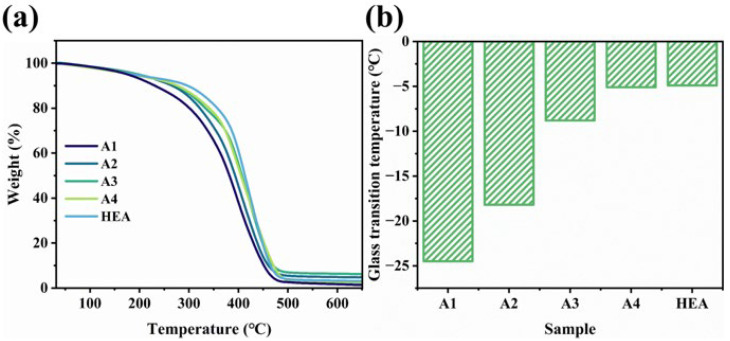 Figure 6
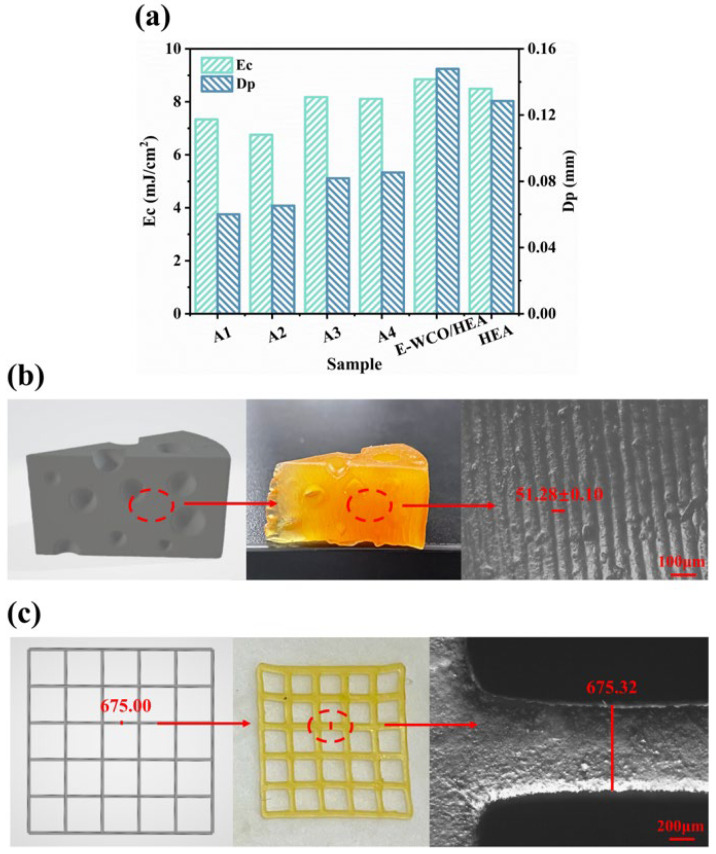 Figure 7
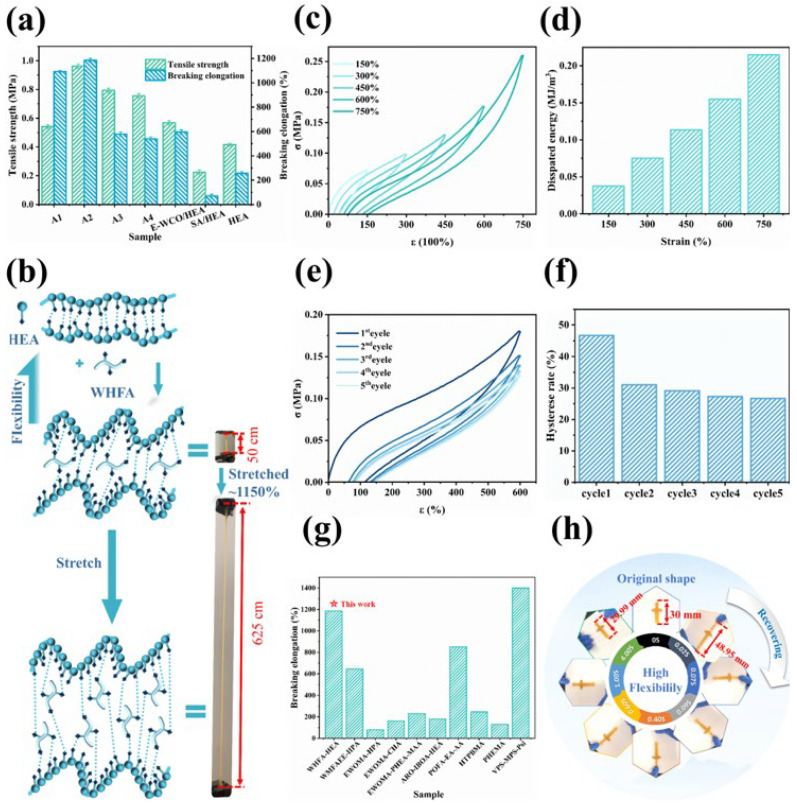 Figure 8
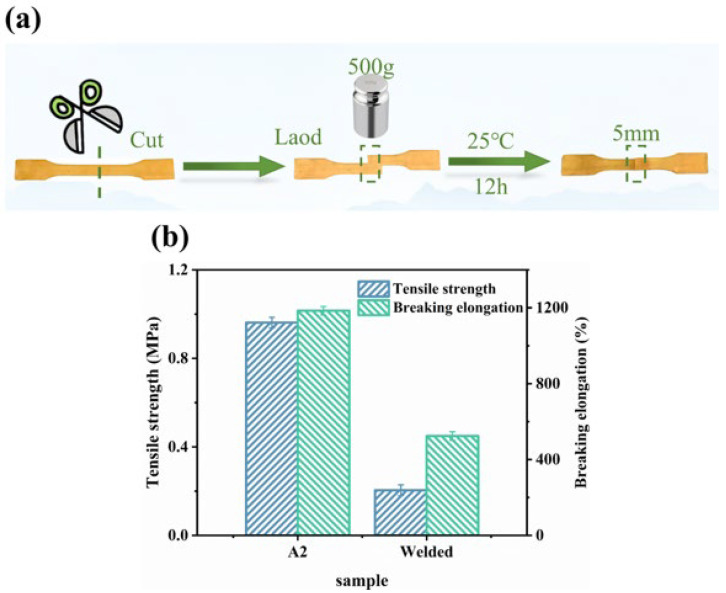 Figure 9
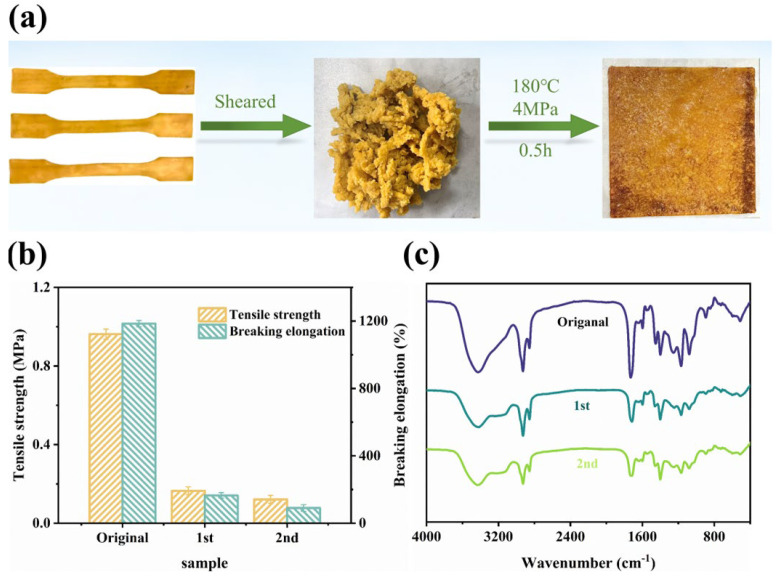 Figure 10
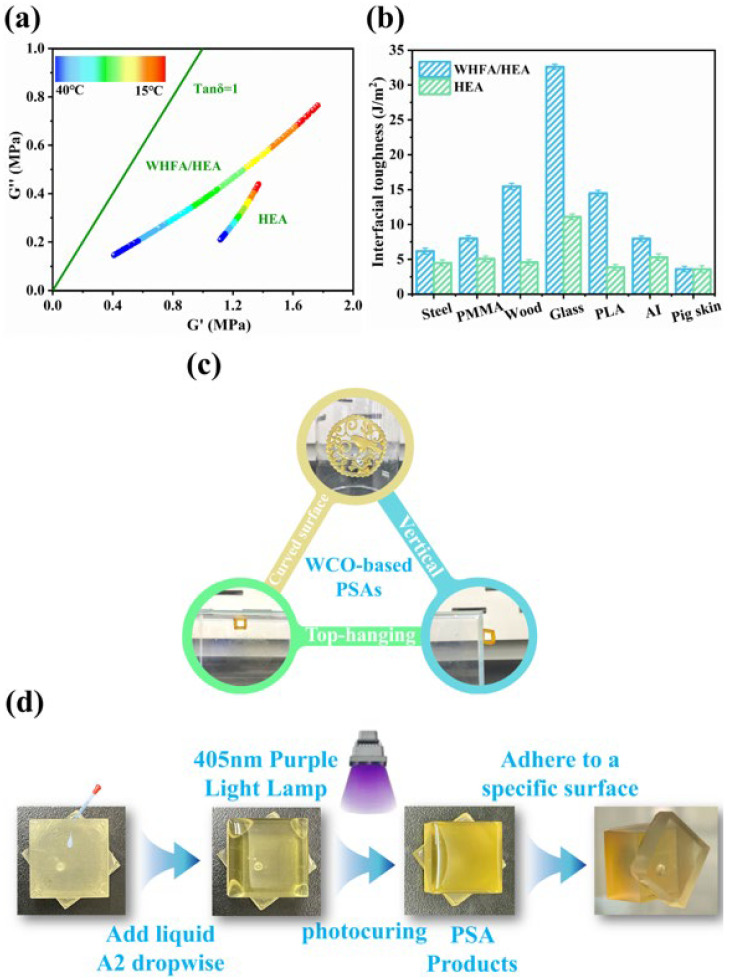 Figure 11
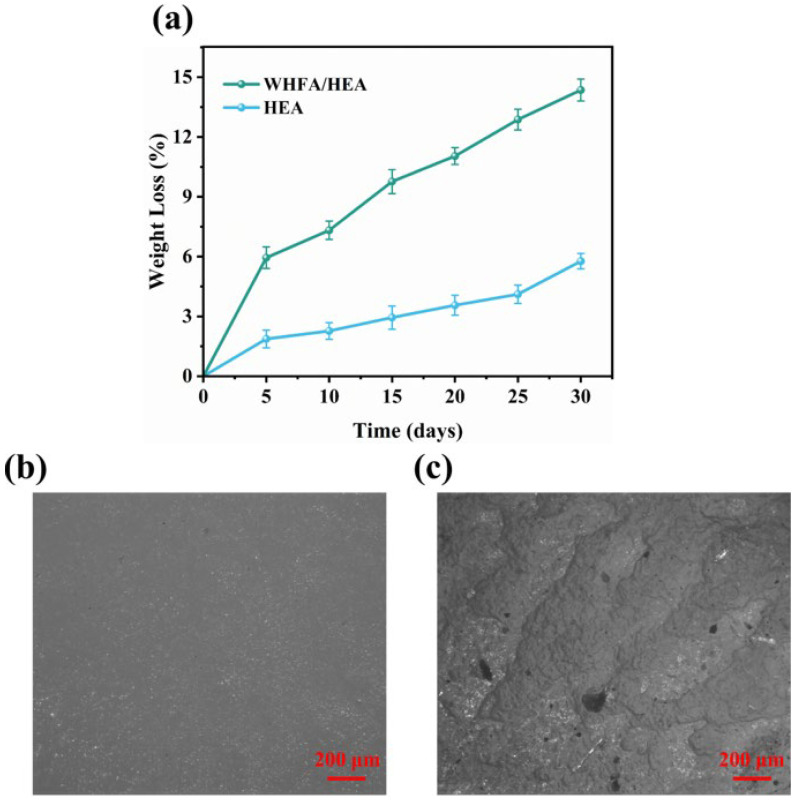 Figure 12
Peer Reviews
No public reviews on file for this paper yet. If you reviewed it on a platform where reviews are public (OpenReview, ICLR, NeurIPS, ICML), you can paste yours below so the community can read it here.
Videos
No videos yet. Explain this paper in a talk, walkthrough, or lecture? Add one.
Taxonomy
TopicsPolymer composites and self-healing · Electrospun Nanofibers in Biomedical Applications · Advanced Sensor and Energy Harvesting Materials