Physiologically Based Pharmacokinetic Modelling of Serum 25-Hydroxyvitamin D Concentrations in Schoolchildren Receiving Weekly Oral Vitamin D3 Supplementation
Nadda Muhamad, Neil Walker, Keren Middelkoop, Davaasambuu Ganmaa, Adrian R. Martineau, Tao You

TL;DR
Researchers created a model to predict vitamin D levels in children after weekly supplementation, finding that weight and BMI are key factors in how much vitamin D is absorbed.
Contribution
The first PBPK model to successfully predict long-term serum 25(OH)D3 increases in children receiving oral vitamin D3 supplementation.
Findings
Weight and BMI Z-score were significant covariates in predicting variability in 25(OH)D3 concentrations.
The model predicted 76.7% of observations within 95% prediction intervals for Cape Town children.
Mongolian children showed higher average increases in 25(OH)D3 but were overestimated by the model.
Abstract
Background: Following vitamin D3 oral administration, attained serum concentrations of its metabolite 25-hydroxyvitamin D3 (25(OH)D3) are variable among children. Methods: We developed physiologically based pharmacokinetic (PBPK) modelling using annually measured serum 25(OH)D3 concentrations in 77 Cape Town schoolchildren aged 6–11 years who received weekly oral doses of 10,000 IU vitamin D3 for 3 years during a clinical trial (Δ25(OH)D = 32.2 nmol/L, 95% CI: [−3.2, 65.8] nmol/L). Simulations were performed to test the model on 463 other participants in the same trial, and in a cohort of 1756 Mongolian schoolchildren aged 6–11 years who received weekly oral doses of 14,000 IU vitamin D3 for 3 years in another trial. Results: The best model attributed most of the variability in post-supplementation 25(OH)D3 concentrations to hepatic clearance and covariates including weight (ΔAIC = −21)…
Genes, proteins, chemicals, diseases, species, mutations and cell lines named across the full text — each resolved to its canonical identifier and authoritative record.
Click any figure to enlarge with its caption.
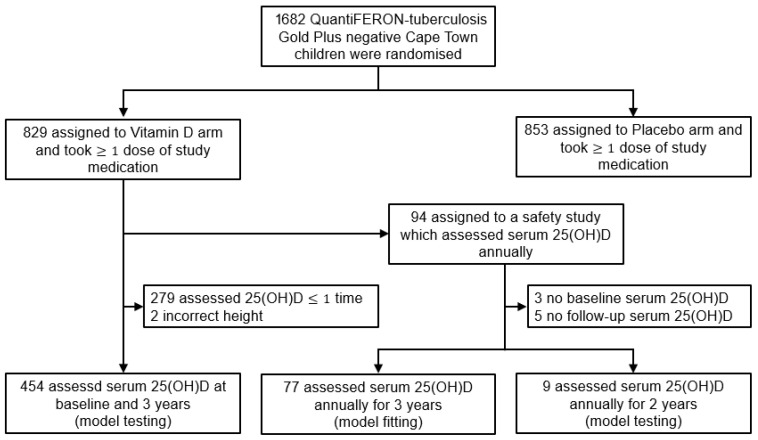 Figure 1
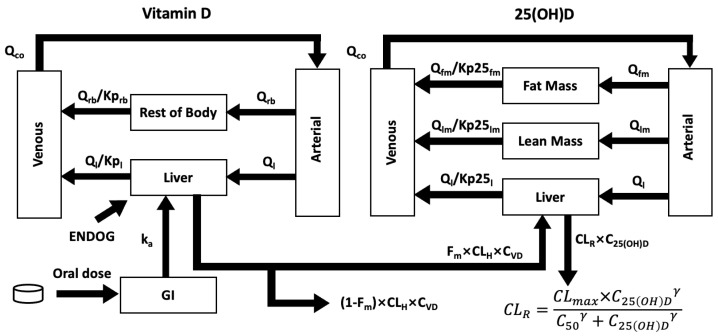 Figure 2
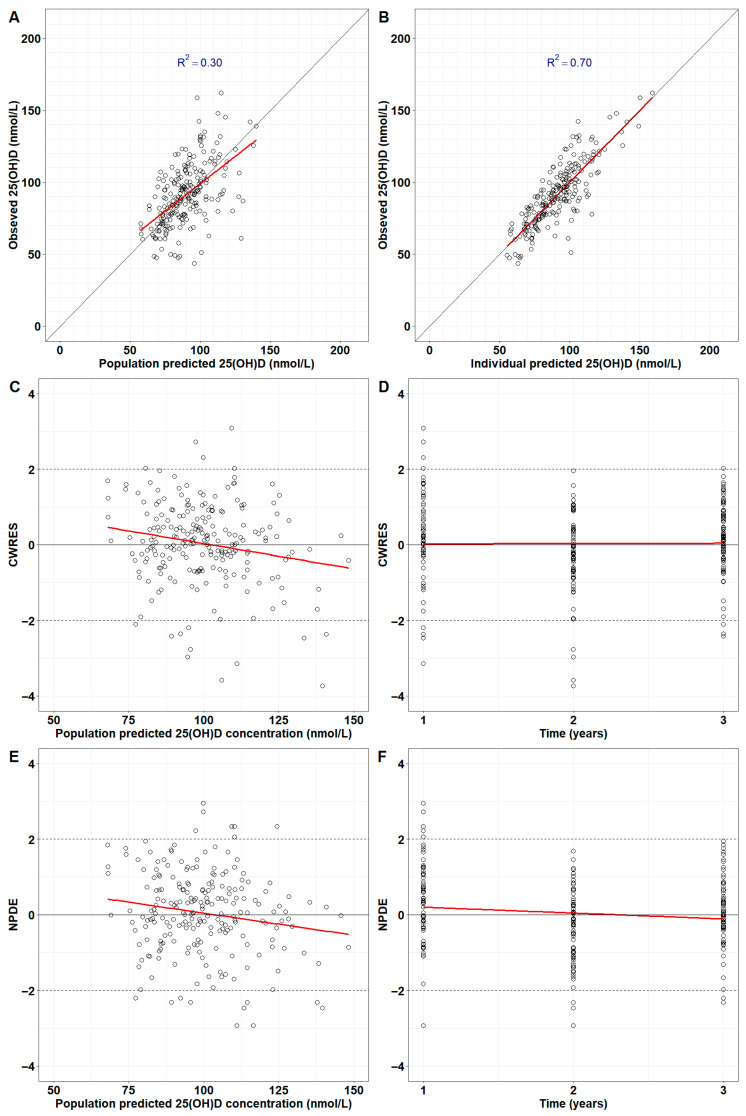 Figure 3
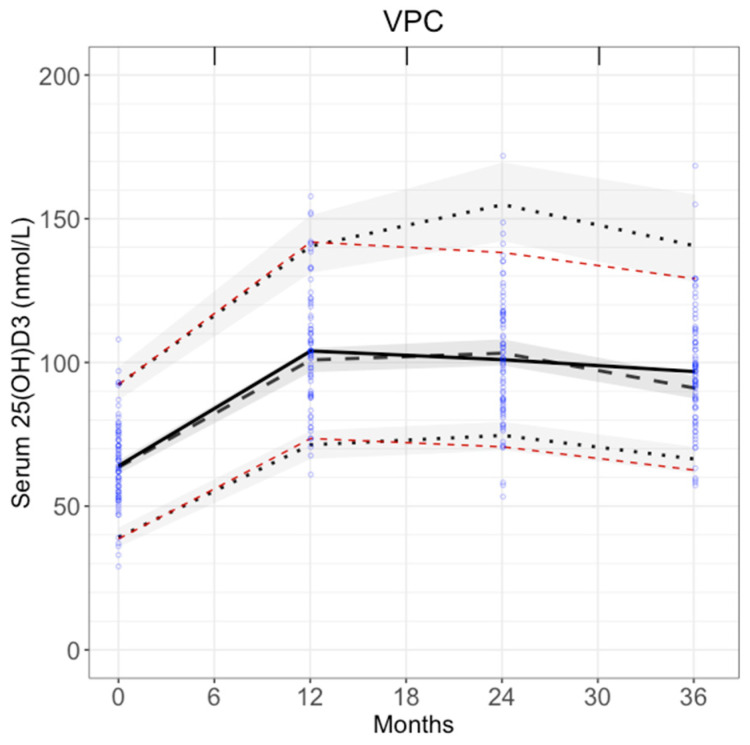 Figure 4
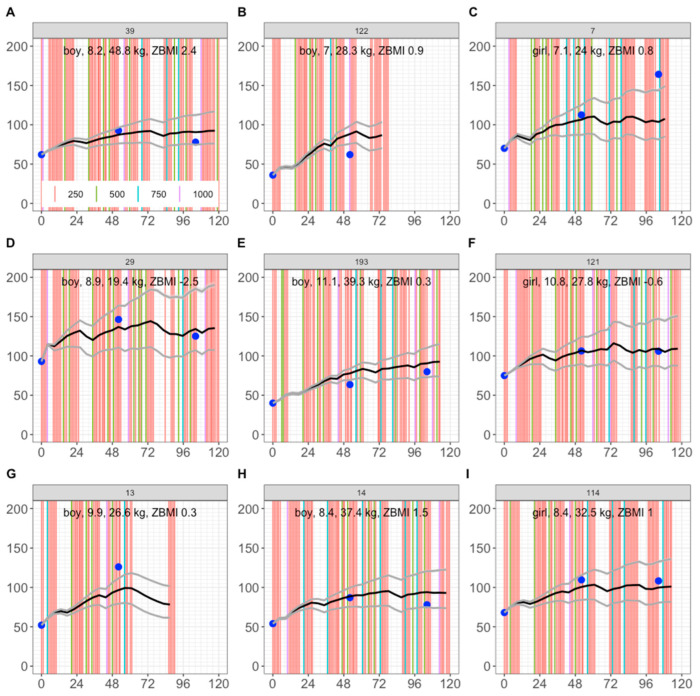 Figure 5
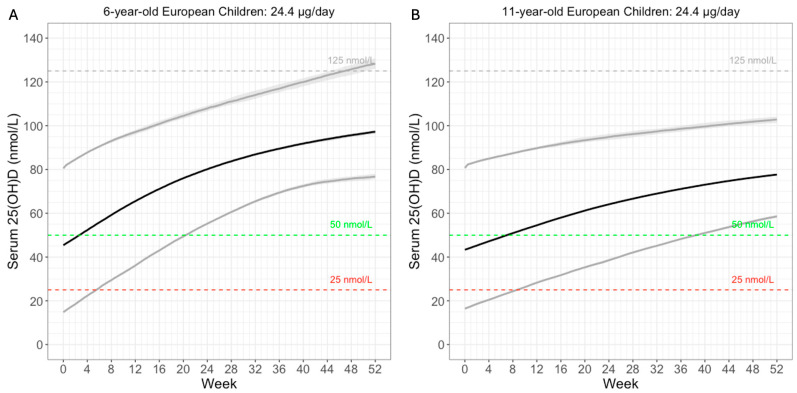 Figure 6
Peer Reviews
No public reviews on file for this paper yet. If you reviewed it on a platform where reviews are public (OpenReview, ICLR, NeurIPS, ICML), you can paste yours below so the community can read it here.
Videos
No videos yet. Explain this paper in a talk, walkthrough, or lecture? Add one.
Taxonomy
TopicsVitamin D Research Studies · Diet and metabolism studies · Vitamin K Research Studies