The Implantable Electrode Co-Deposited with Iron Oxide Nanoparticles and PEDOT:PSS
Yiyang Liu, Hui Wu, Sheng Wang, Quanwei Yang, Baolin Zhang

TL;DR
This study improves implantable electrodes by coating them with iron oxide nanoparticles and a conductive polymer, enhancing their performance and neuron bonding.
Contribution
The novel approach of co-depositing iron oxide nanoparticles and PEDOT:PSS on electrodes is introduced for improved neural interfacing.
Findings
Impedance was reduced, and charge storage increased with the new coating.
Signal quality improved in vivo, showing better performance of the modified electrodes.
The combination of IONs and PEDOT:PSS enhanced neuron bonding and MRI compatibility.
Abstract
Iron oxide nanoparticles (IONs) exhibit biocompatibility, ease of drug loading, and potential for generating forces and heat in a magnetic field, enhancing Magnetic Resonance Imaging (MRI). This study proposes coating IONs on electrode surfaces to improve performance and neuron bonding. Methods included synthesizing IONs, grafting chondroitin sulfate (CS), and co-depositing with poly(3,4-ethylenedioxythiophene):poly(styrenesulfonate) (PEDOT:PSS). Results showed reduced impedance, increased charge storage, and improved signal quality in vivo.
Genes, proteins, chemicals, diseases, species, mutations and cell lines named across the full text — each resolved to its canonical identifier and authoritative record.
Click any figure to enlarge with its caption.
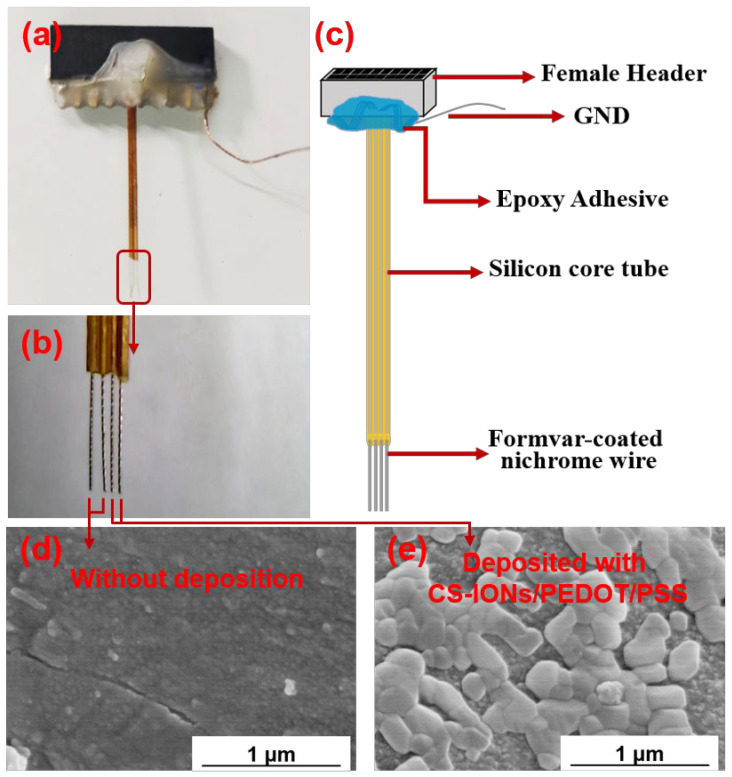 Figure 1
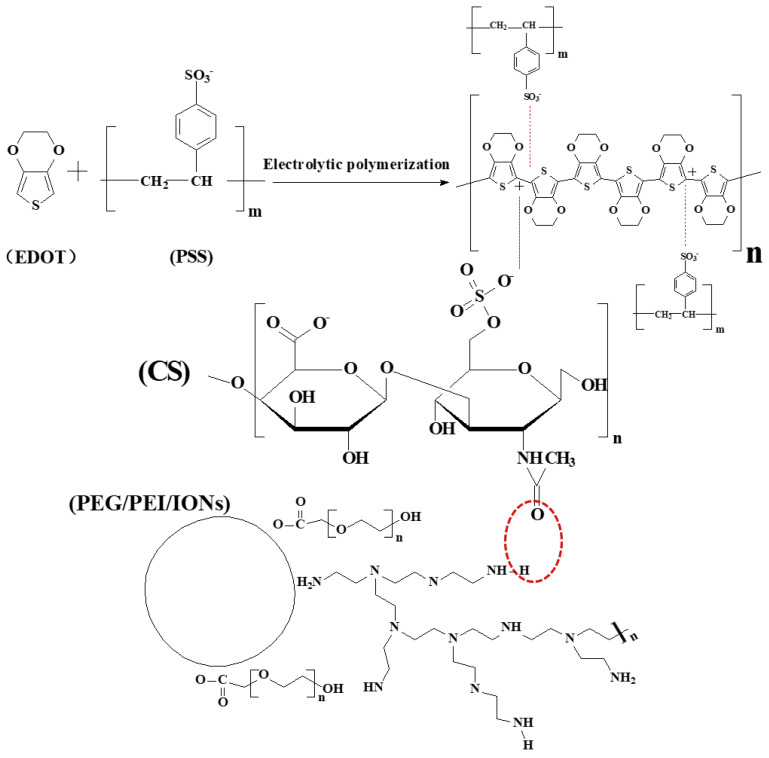 Figure 2
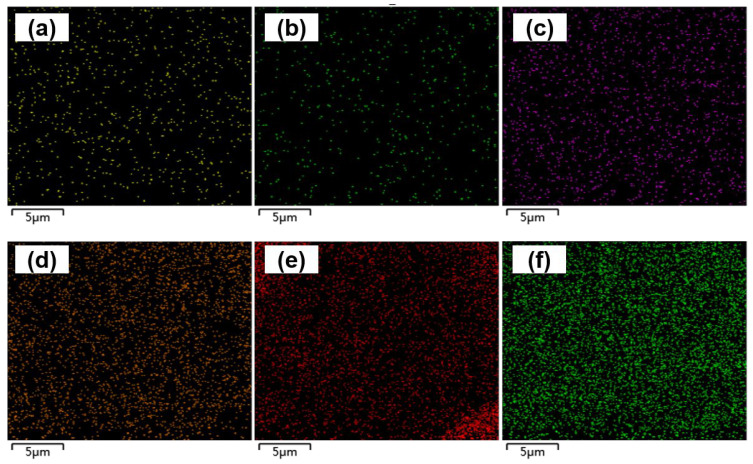 Figure 3
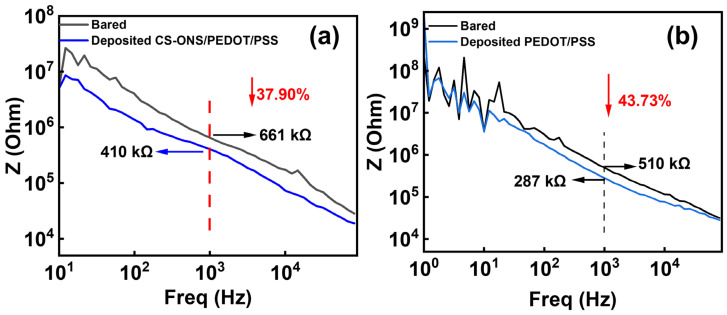 Figure 4
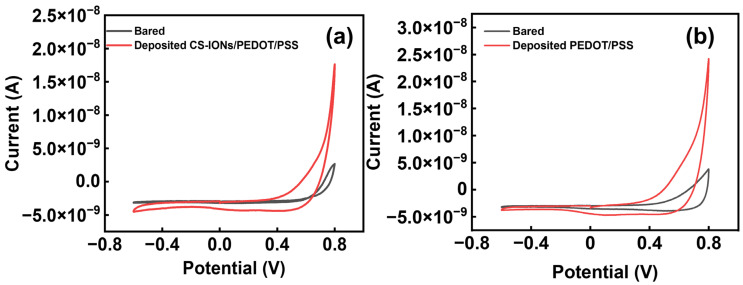 Figure 5
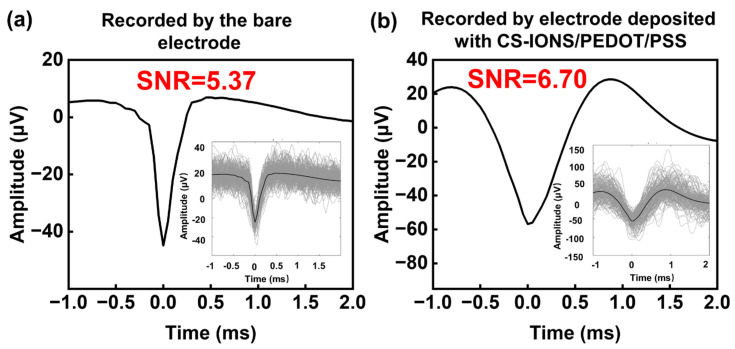 Figure 6
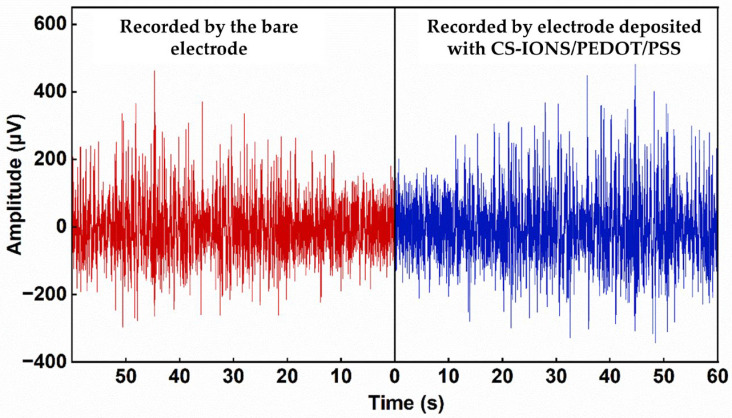 Figure 7
Peer Reviews
No public reviews on file for this paper yet. If you reviewed it on a platform where reviews are public (OpenReview, ICLR, NeurIPS, ICML), you can paste yours below so the community can read it here.
Videos
No videos yet. Explain this paper in a talk, walkthrough, or lecture? Add one.
Taxonomy
TopicsConducting polymers and applications · Neuroscience and Neural Engineering · Electrochemical sensors and biosensors