Characterization of Bulgarian Rosehip Oil by GC-MS, UV-VIS Spectroscopy, Colorimetry, FTIR Spectroscopy, and 3D Excitation–Emission Fluorescence Spectra
Krastena Nikolova, Tinko Eftimov, Natalina Panova, Veselin Vladev, Samia Fouzar, Kristian Nikolov

TL;DR
This study analyzed Bulgarian rosehip oils using various techniques to identify differences in their chemical composition and quality.
Contribution
The paper introduces a low-cost, non-destructive method for quality control of rosehip oils using optical markers and chemometric models.
Findings
GC-MS identified two distinct groups of rosehip oils based on their fatty acid composition.
FTIR and PCA analysis showed significant variation between samples, with S1 being distinct from others.
Smartphone spectrometry enabled low-volume, non-destructive analysis of sample differences.
Abstract
We report the study of seven commercially available rosehip oils (Rosa canina L.) using GC-MS, colorimetry (CIELab), UV-VIS, FTIR, and 3D EEM fluorescence spectroscopy, including using a smartphone spectrometer. GC-MS revealed two groups of oil samples with different chemical constituents: ω-6-dominant with 45–51% α-linolenic acid (samples S1, S2, and S5–S7) and ω-3-dominant with 47–49% α-linolenic, 7.3–19.1% oleic, 1.9–2.8% palmitic, 1.0–1.8% stearic, and 0.1–0.72% arachidic acid (S3, S4). In S1 PUFA content was found to be ~75% with ω-6/ω-3 ≈ 2:1. Favorable lipid indices of AI 0.0197–0.0302, TI 0.0208–0.0304, and h/H 33.0–50.6 were observed. The highest h/H (50.55) was observed in S5 and the lowest TI (0.0208) in S3. FTIR showed characteristic lines at ~3021, 2929/2853, 1749, and ~1370 cm−1, and PCA yielded 60–80% variation and separated S1 from the rest of the samples, while the…
Genes, proteins, chemicals, diseases, species, mutations and cell lines named across the full text — each resolved to its canonical identifier and authoritative record.
Click any figure to enlarge with its caption.
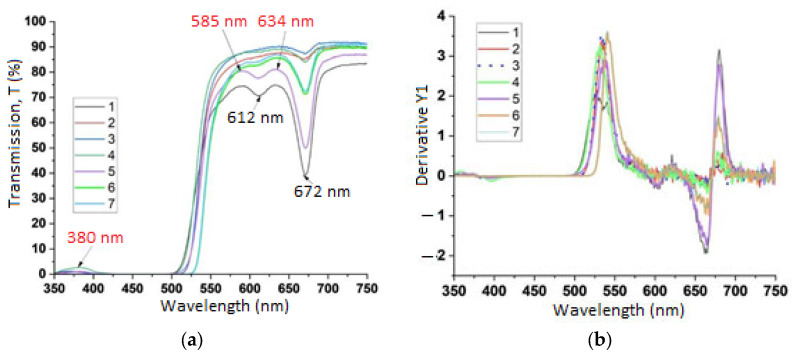 Figure 1
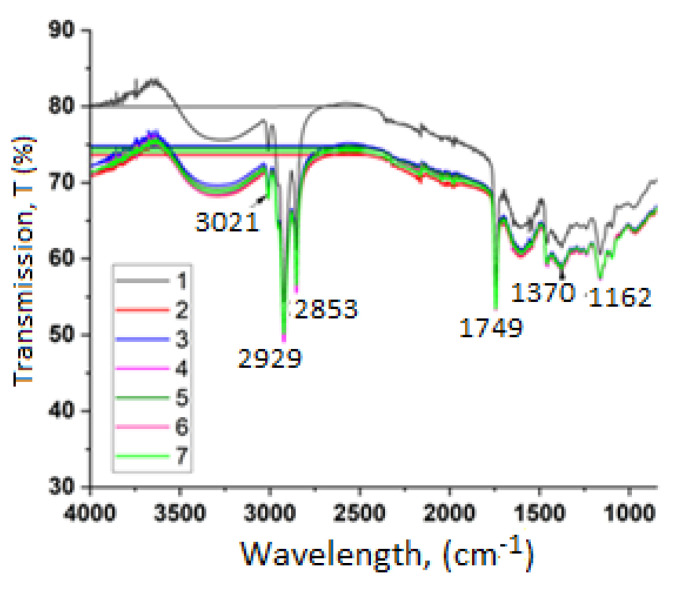 Figure 2
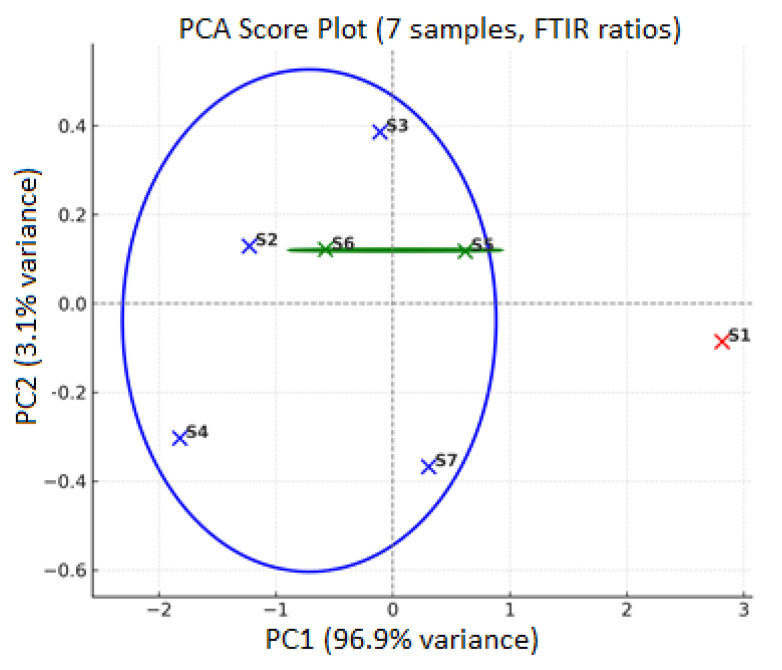 Figure 3
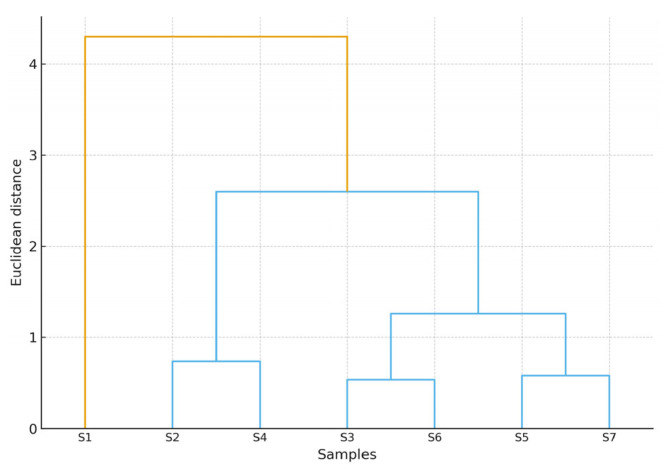 Figure 4
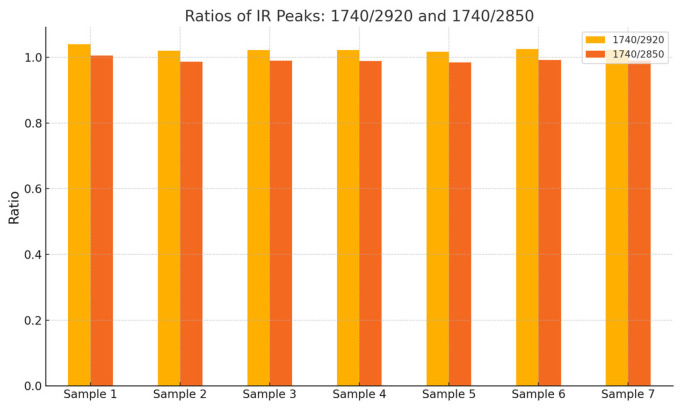 Figure 5
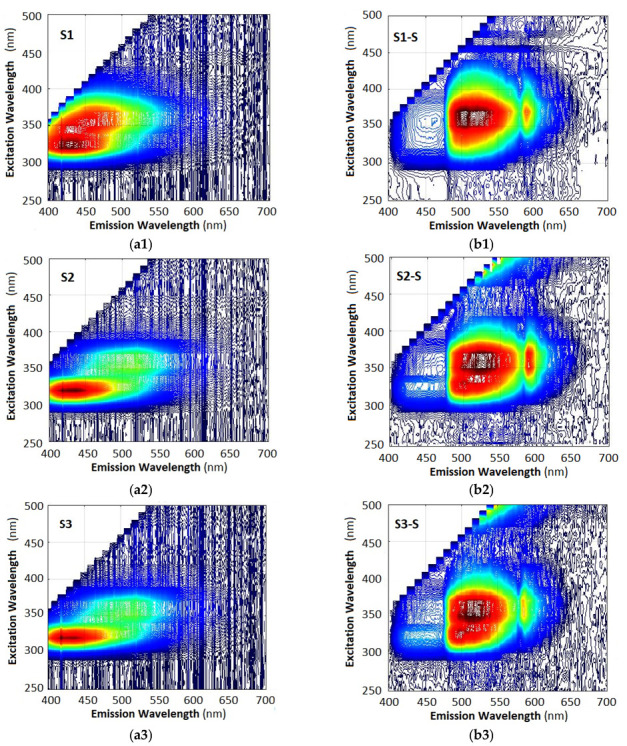 Figure 6
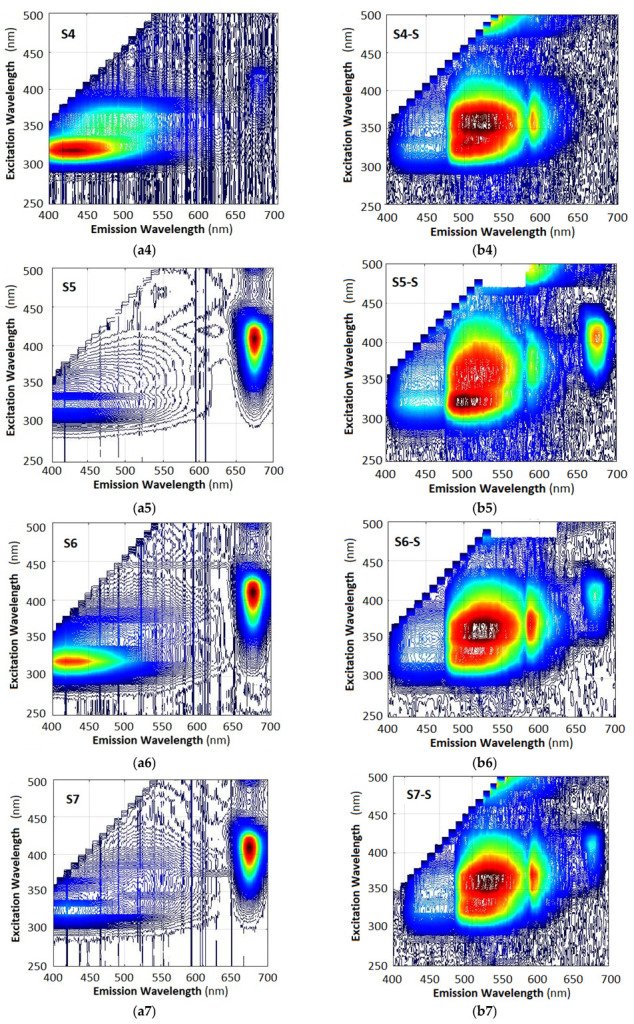 Figure 7
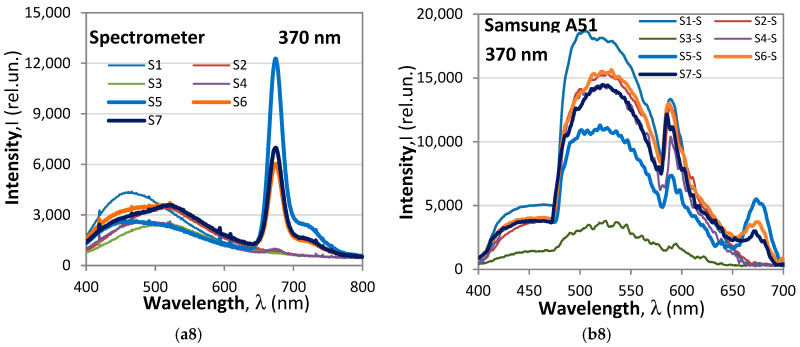 Figure 8
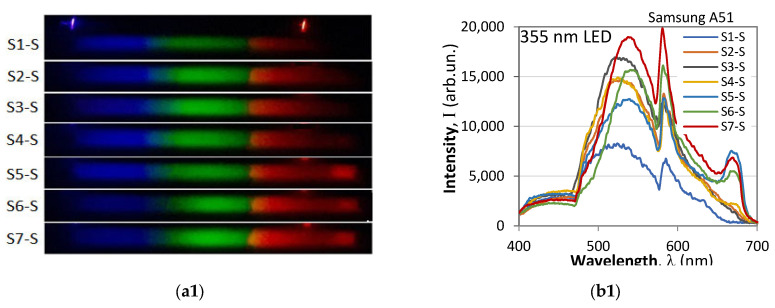 Figure 9
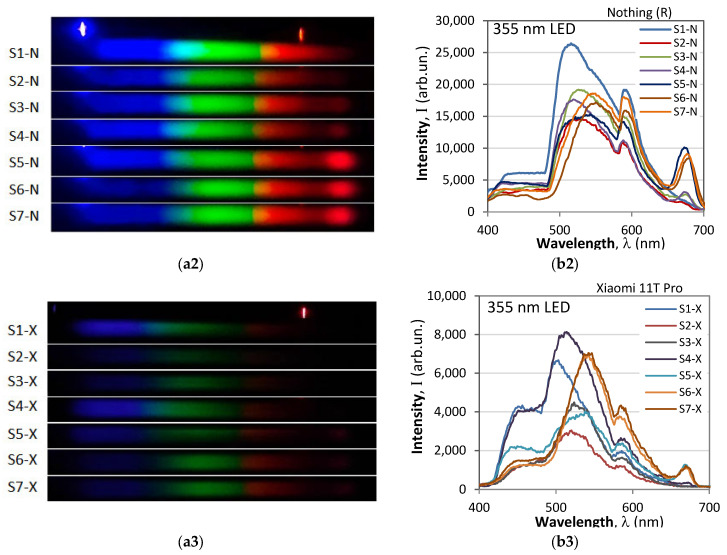 Figure 10
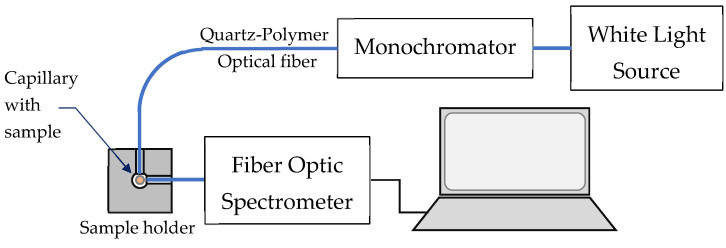 Figure 11
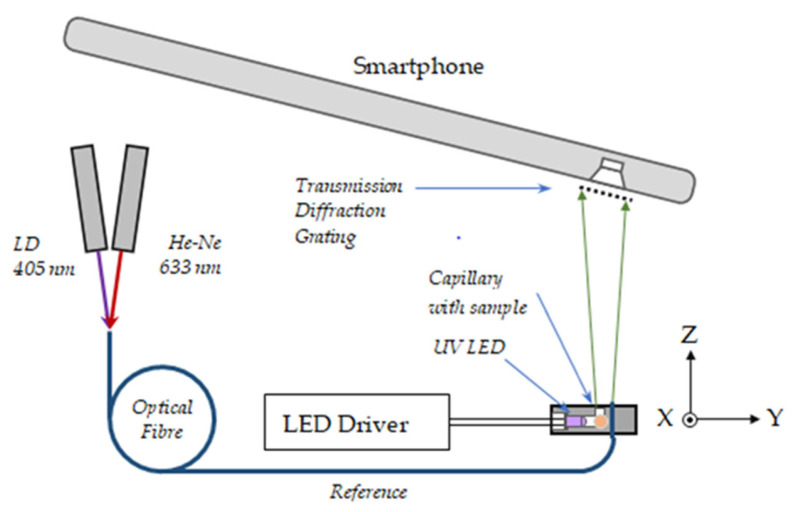 Figure 12
Peer Reviews
No public reviews on file for this paper yet. If you reviewed it on a platform where reviews are public (OpenReview, ICLR, NeurIPS, ICML), you can paste yours below so the community can read it here.
Videos
No videos yet. Explain this paper in a talk, walkthrough, or lecture? Add one.
Taxonomy
TopicsEssential Oils and Antimicrobial Activity · Meat and Animal Product Quality · Edible Oils Quality and Analysis