The Distribution of Nitric Oxide‐Synthesizing Neurons and Soluble Guanylate Cyclase in Relation to Dopaminergic Systems in the Pigeon Brain
Alina Steinemer, Marie Ziegler, Kevin Haselhuhn, Onur Güntürkün, Noemi Rook

TL;DR
This study maps nitric oxide-producing neurons and their relationship with dopamine systems in the pigeon brain, suggesting a role in memory flexibility.
Contribution
The study reveals anatomical evidence for nitric oxide–dopamine interactions in pigeons, potentially linking to memory flexibility mechanisms.
Findings
NADPH-d labeling was found in multiple brain regions, including dopaminergic midbrain structures.
Nidopallium caudolaterale neurons were contacted by both TH- and NADPH-d–positive fibers.
Findings suggest a potential for NO–dopamine interactions in avian species.
Abstract
Nitric oxide (NO) is a diffusible neuromodulator that acts as a retrograde messenger in vertebrates, regulating synaptic plasticity and interacting with dopaminergic systems. Despite its established functions in mammals, little is known about the anatomical distribution and potential roles of NO in birds. Using histochemical and immunohistochemical techniques, we mapped NO‐synthesizing neurons—identified by NADPH‐diaphorase (NADPH‐d) and neuronal nitric oxide synthase (nNOS)—and analyzed their relationship with soluble guanylate cyclase (sGC) and tyrosine hydroxylase (TH)‐positive dopaminergic pathways in the pigeon brain. We found NADPH‐d labeling throughout forebrain, midbrain, and hindbrain regions. Within dopaminergic midbrain structures, the locus coeruleus showed strong colocalization with nNOS, and moderate overlap was observed in the ventral tegmental area, substantia grisea…
Genes, proteins, chemicals, diseases, species, mutations and cell lines named across the full text — each resolved to its canonical identifier and authoritative record.
Click any figure to enlarge with its caption.
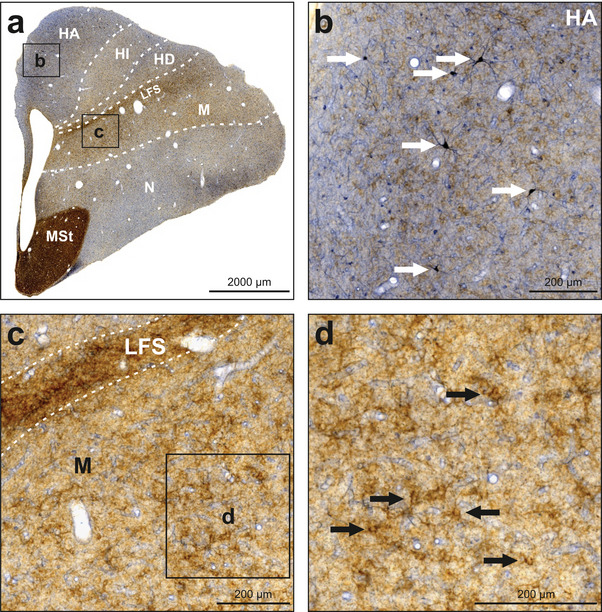 Figure 1
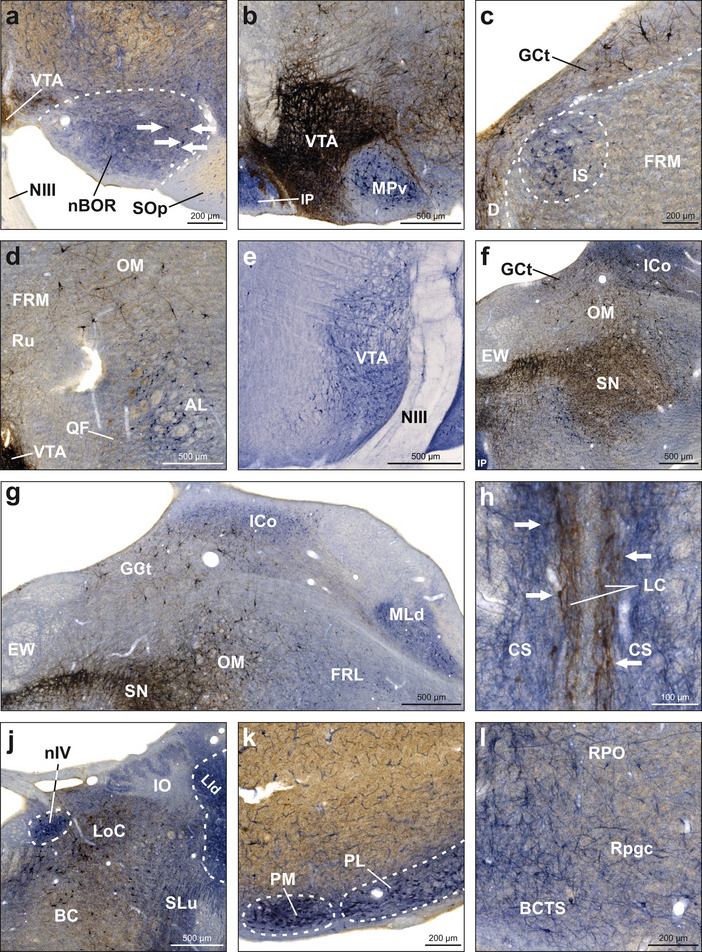 Figure 2
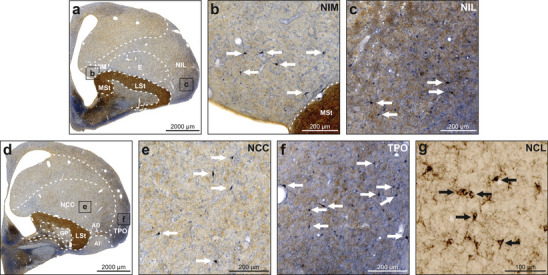 Figure 3
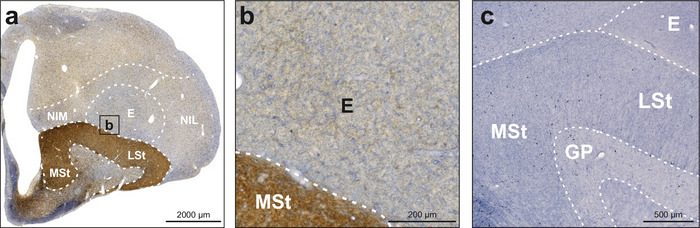 Figure 4
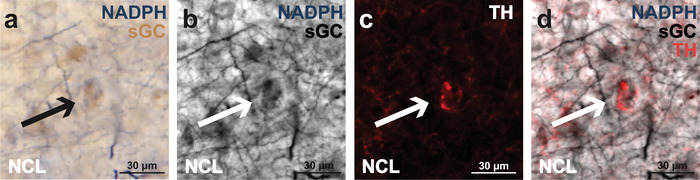 Figure 5
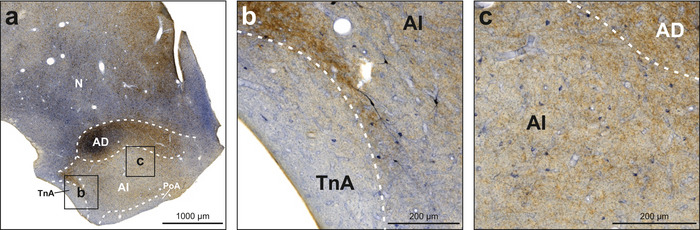 Figure 6
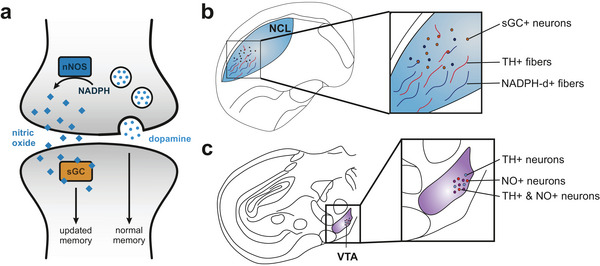 Figure 7
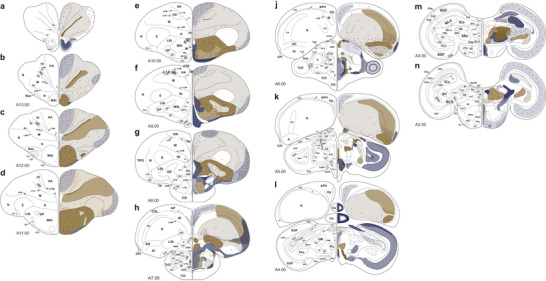 Figure 8
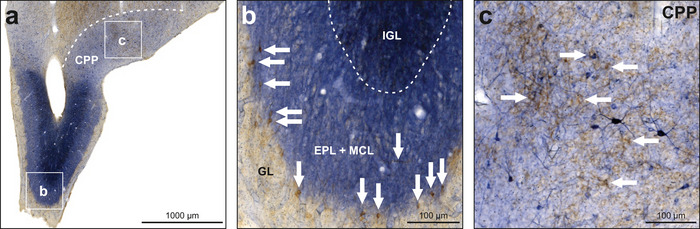 Figure 9
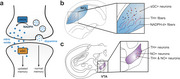 Figure 10
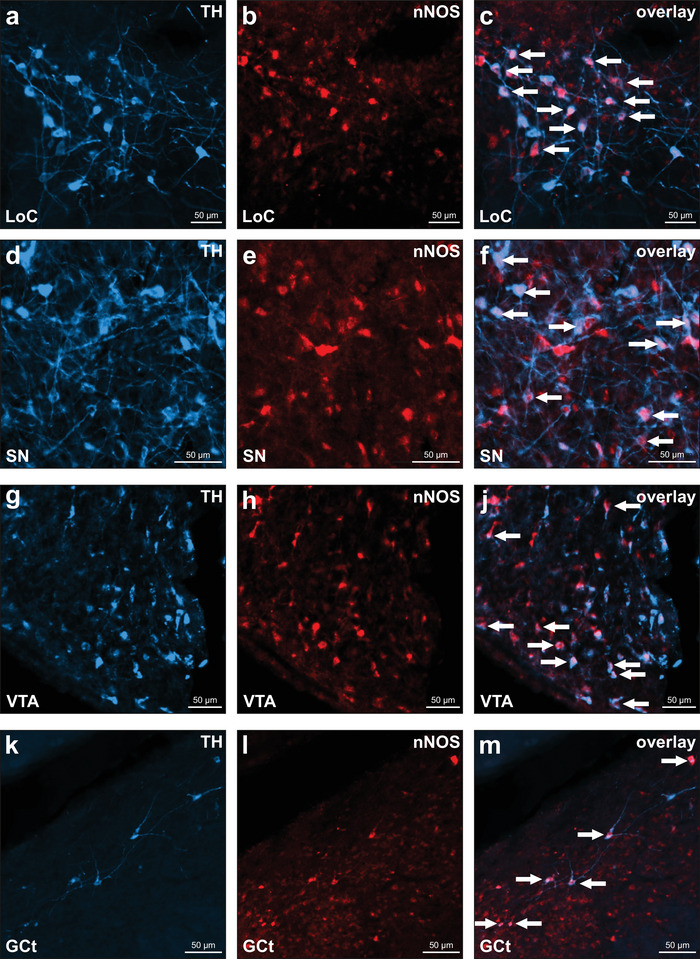 Figure 11
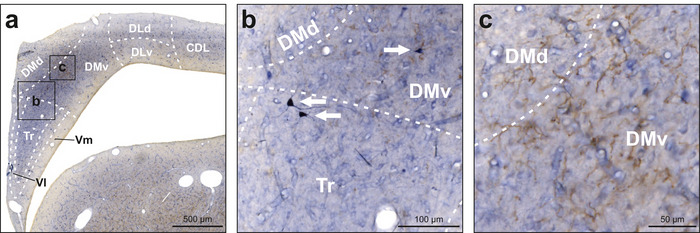 Figure 12
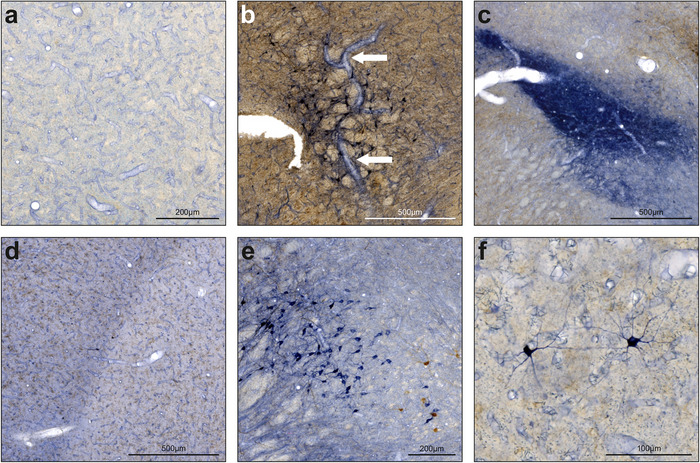 Figure 13
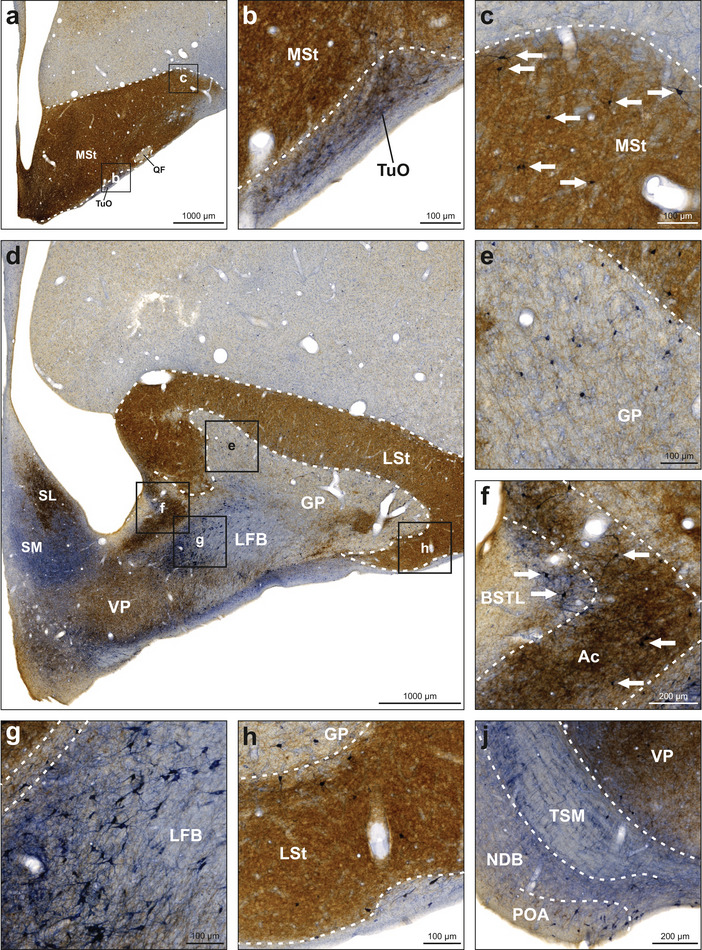 Figure 14
Peer Reviews
No public reviews on file for this paper yet. If you reviewed it on a platform where reviews are public (OpenReview, ICLR, NeurIPS, ICML), you can paste yours below so the community can read it here.
Videos
No videos yet. Explain this paper in a talk, walkthrough, or lecture? Add one.
Taxonomy
TopicsNeurobiology and Insect Physiology Research · Animal Behavior and Reproduction · Neuroendocrine regulation and behavior