Lipoprotein(a) Lipidome: Responses to Reduced Dietary Saturated Fat Intake in Two Randomized Controlled Feeding Trials
Munkhtuya Myagmarsuren, Hayley G. Law, Wei Zhang, Tselmen Anuurad, Heejung Bang, Lauren M. Bishop, Tong Shen, Oliver Fiehn, Kristina S. Petersen, Lars Berglund, Byambaa Enkhmaa

TL;DR
Reducing saturated fat intake increases Lp(a) levels and changes its lipid composition, suggesting diet affects cardiovascular risk factors.
Contribution
The study reveals diet-induced changes in Lp(a) lipid composition, showing dynamic responses to dietary interventions.
Findings
Replacing saturated fat with carbohydrates decreased ALDOPC in metabolically challenged individuals.
Triacylglycerol species with more carbon atoms and double bonds increased with saturated fat reduction.
Lp(a) lipid composition changes dynamically in response to dietary interventions.
Abstract
Background/Objectives: An elevated level of lipoprotein(a) [Lp(a)] is a genetically determined risk factor for cardiovascular disease. The atherogenic properties of Lp(a) include attribution to its role as a carrier of oxidized phospholipids (OxPL). Despite genetic control, Lp(a) levels increase with dietary saturated fat (SFA) reduction. However, little is known about the impact of dietary factors on Lp(a) risk properties. Methods: We assessed total Lp(a)-OxPL concentration, Lp(a)-OxPL subspecies abundance, and Lp(a) lipidomics in response to SFA reduction in two multicenter, randomized, controlled, crossover feeding trials, DELTA (Dietary Effects on Lipoproteins and Thrombogenic Activity) 1 (96 healthy individuals) and 2 (79 metabolically challenged individuals). In both trials, significant increases in Lp(a) levels were reported previously. Results: While no between-diet differences…
Genes, proteins, chemicals, diseases, species, mutations and cell lines named across the full text — each resolved to its canonical identifier and authoritative record.
Click any figure to enlarge with its caption.
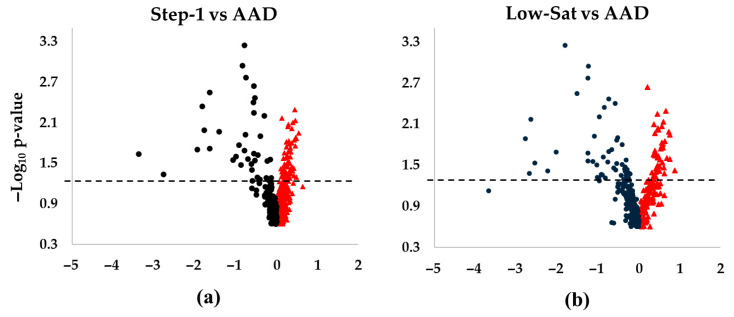 Figure 1
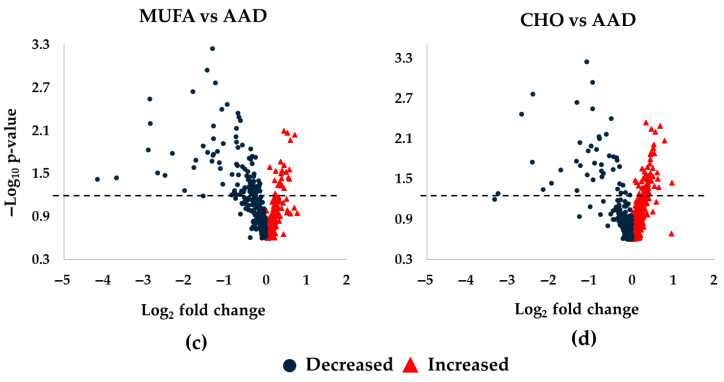 Figure 2
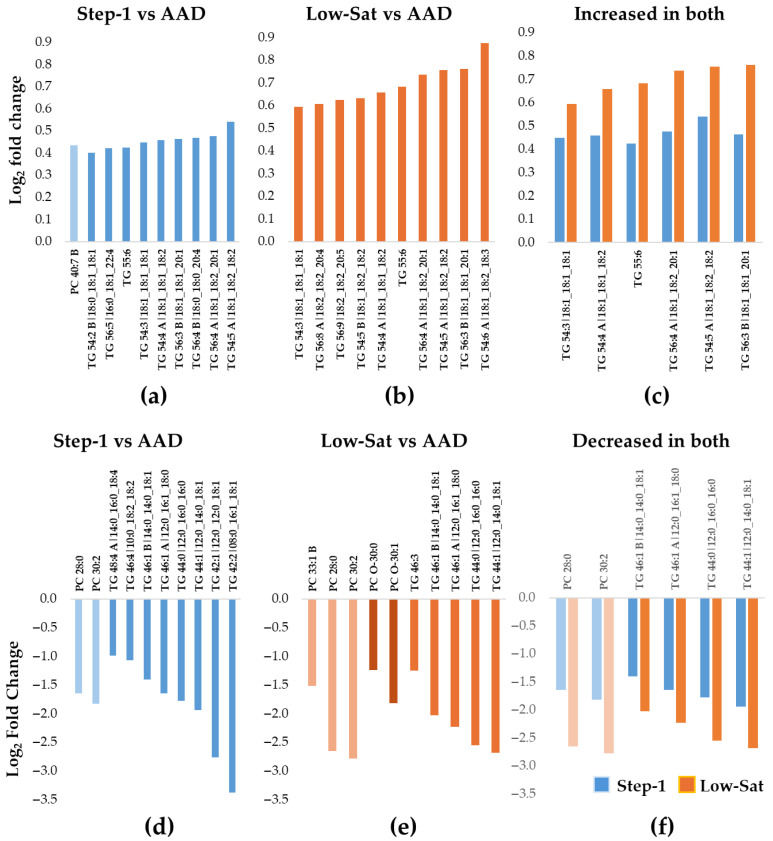 Figure 3
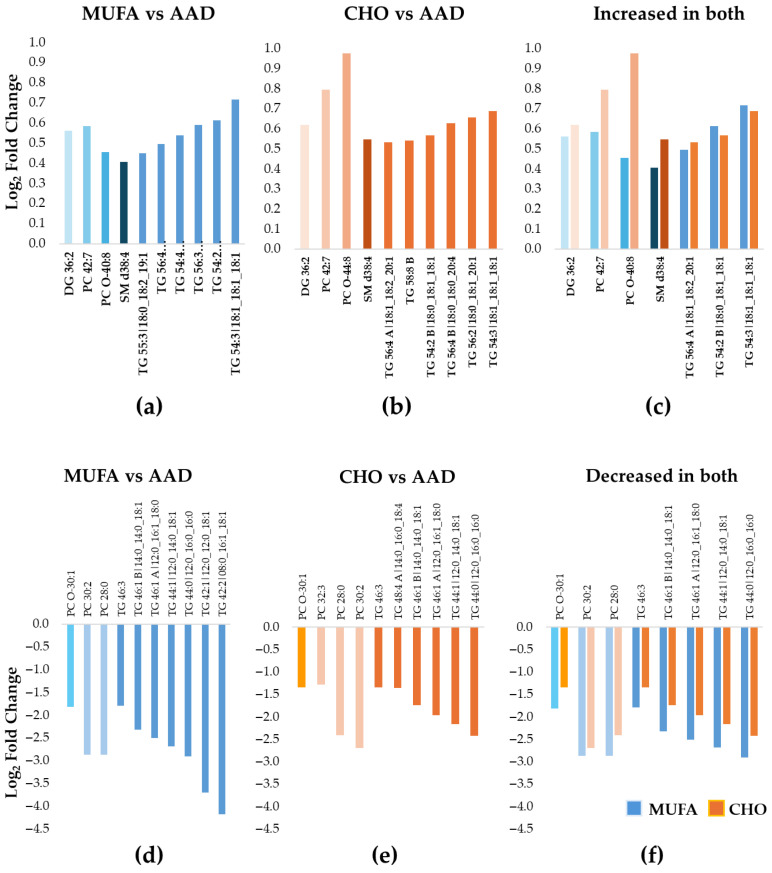 Figure 4
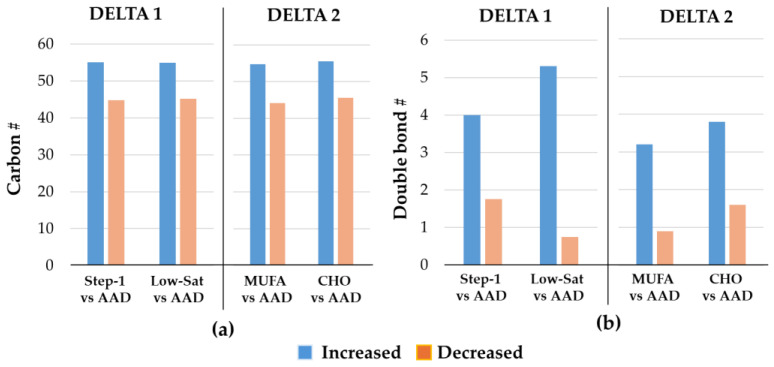 Figure 5
Peer Reviews
No public reviews on file for this paper yet. If you reviewed it on a platform where reviews are public (OpenReview, ICLR, NeurIPS, ICML), you can paste yours below so the community can read it here.
Videos
No videos yet. Explain this paper in a talk, walkthrough, or lecture? Add one.
Taxonomy
TopicsLipoproteins and Cardiovascular Health · Diabetes, Cardiovascular Risks, and Lipoproteins · Cancer, Lipids, and Metabolism