Aromaticity Tuning in Biaryl Monophosphines and Their Derivatives
Barbara Miroslaw, Pawel Rejmak, Izabela Dybala, Urszula Kosikowska, Sylwia Andrzejczuk, Łukasz Świątek, Kinga Salwa, Oleg M. Demchuk

TL;DR
This paper explores how adjusting aromaticity in biaryl monophosphines affects their catalytic performance and biological activity.
Contribution
The study introduces a systematic evaluation of aromaticity tuning in biaryl monophosphines using multiple computational and analytical methods.
Findings
Methoxy groups enhance aromaticity more effectively than hydroxy groups in biaryl monophosphines.
Hydroxy substituents hinder catalytic performance by blocking access to the phosphorus atom.
The compounds showed biological activity against various bacteria and were tested for cytotoxicity.
Abstract
Aromaticity tuning of biaryl monophosphines can significantly impact their catalytic performance. Biaryl monophosphines constitute a crucial class of compounds due to their potential as ligand precursors in asymmetric Pd-catalyzed cross-coupling and some other catalytic reactions. In this study, we investigate the tuning of aromaticity within a series of selected biaryl monophosphine derivatives exhibiting diverse steric and electronic properties. XRD structures and Hirshfeld surface analyses were complemented by DFT calculations. Aromaticity indices, such as geometric HOMA, HOMER, and magnetic NICS, were evaluated and correlated with ligand properties. NICS(1)zz was the most sensitive to aromaticity changes. The results showed that among the ring-activating substituents, methoxy groups were more beneficial than hydroxy ones. The hydroxy groups not only modulated the aromaticity but…
Genes, proteins, chemicals, diseases, species, mutations and cell lines named across the full text — each resolved to its canonical identifier and authoritative record.
Click any figure to enlarge with its caption.
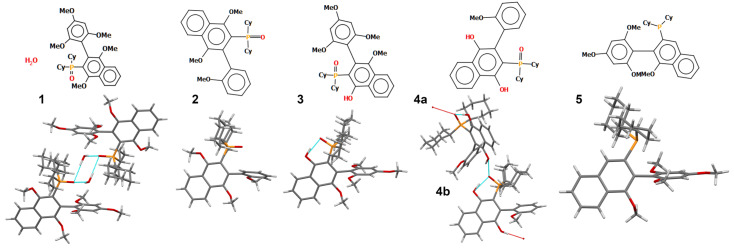 Figure 1
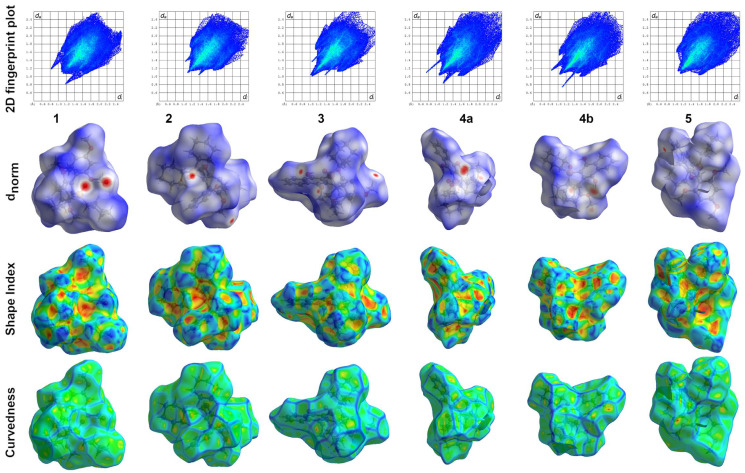 Figure 2
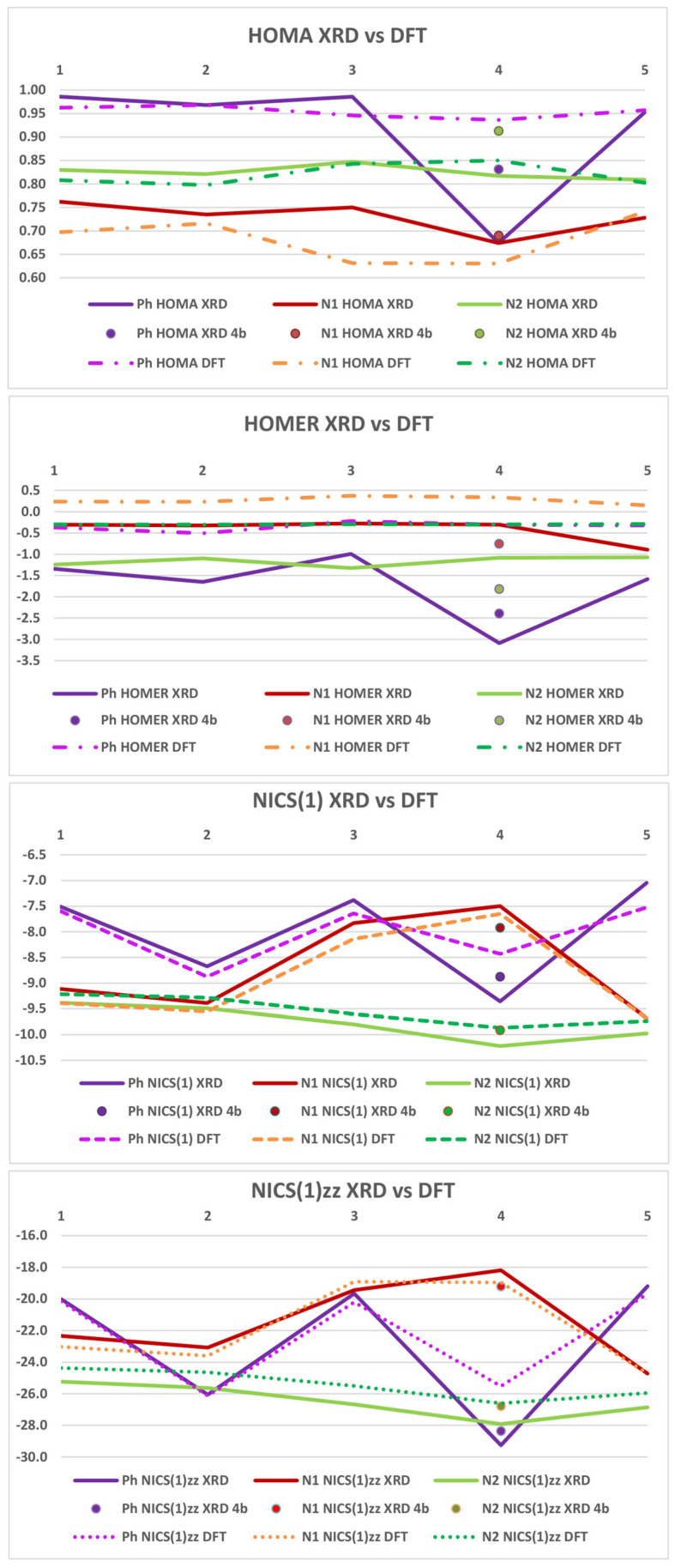 Figure 3
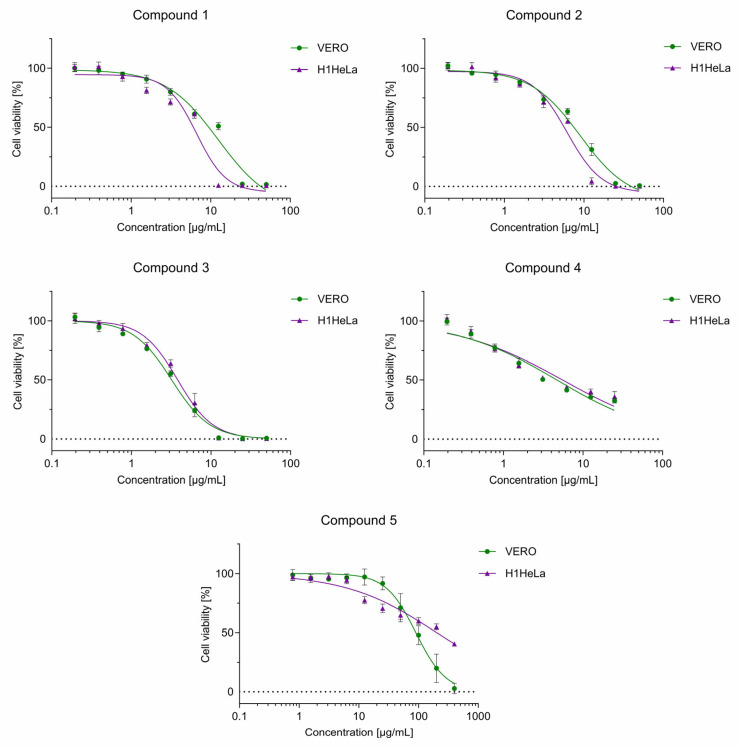 Figure 4
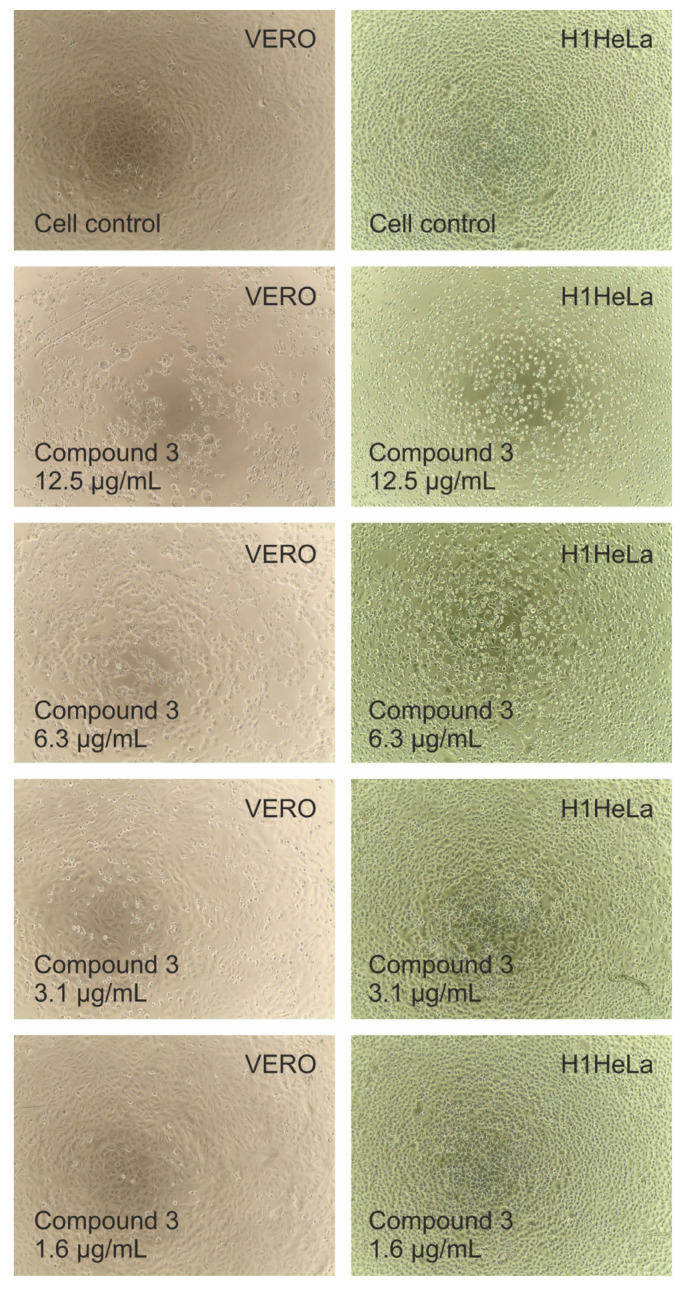 Figure 5
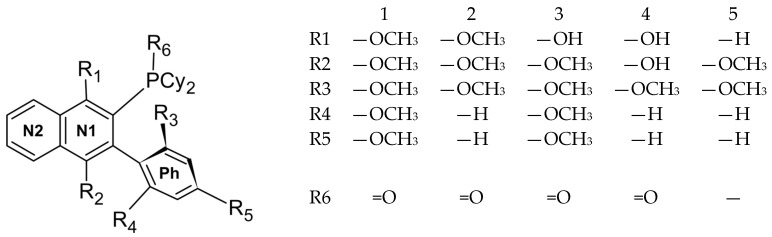 Figure 6
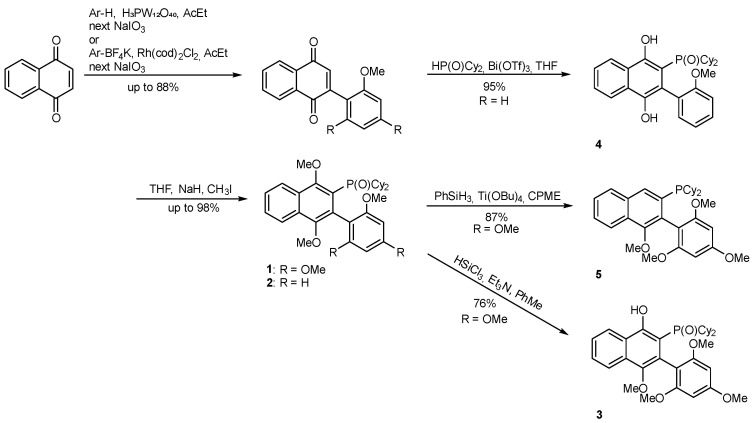 Figure 7
Peer Reviews
No public reviews on file for this paper yet. If you reviewed it on a platform where reviews are public (OpenReview, ICLR, NeurIPS, ICML), you can paste yours below so the community can read it here.
Videos
No videos yet. Explain this paper in a talk, walkthrough, or lecture? Add one.
Taxonomy
TopicsSynthesis and Properties of Aromatic Compounds · Axial and Atropisomeric Chirality Synthesis · Organoboron and organosilicon chemistry