Iridoids from Himatanthus sucuuba Modulate Feeding Behavior of Lutzomyia longipalpis: Integrated Experimental and Computational Approaches
Maíra M. H. Almeida, Jefferson D. da Cruz, Maria Athana M. Silva, Samara G. Costa-Latgé, Bruno Gomes, Fernando A. Genta, Jefferson R. A. Silva, Ana Claudia F. Amaral

TL;DR
This study explores how compounds from a plant affect the feeding behavior of sand flies that spread leishmaniasis, showing potential for safe vector control.
Contribution
The study integrates experimental and computational methods to evaluate iridoids as non-toxic, behavior-modulating agents for sand fly control.
Findings
Iridoids did not affect sand fly survival or feeding acceptance but altered diet preference after 48 hours.
Molecular docking and simulations showed stable interactions between iridoids and a gustatory receptor.
No acute toxicity was observed in non-target Drosophila melanogaster.
Abstract
Control strategies for leishmaniasis increasingly target sand fly vectors through sugar feeding approaches containing bioactive compounds. This study investigated the behavioral and toxicological effects of the iridoids plumericin and isoplumericin, isolated from Himatanthus sucuuba, on Lutzomyia longipalpis by integrating computational and experimental approaches focused on gustatory system interactions. The iridoids were purified by column chromatography and characterized by GC-MS. The gustatory receptor A0A1B0CHD5 was structurally characterized through homology modeling, followed by molecular docking and 100 ns molecular dynamics simulations. Behavioral assays evaluated survival, repellency, and feeding preferences using sugar solutions supplemented with an iridoid mixture. Toxicity was assessed in Drosophila melanogaster as a non-target organism model. Molecular docking results…
Genes, proteins, chemicals, diseases, species, mutations and cell lines named across the full text — each resolved to its canonical identifier and authoritative record.
Click any figure to enlarge with its caption.
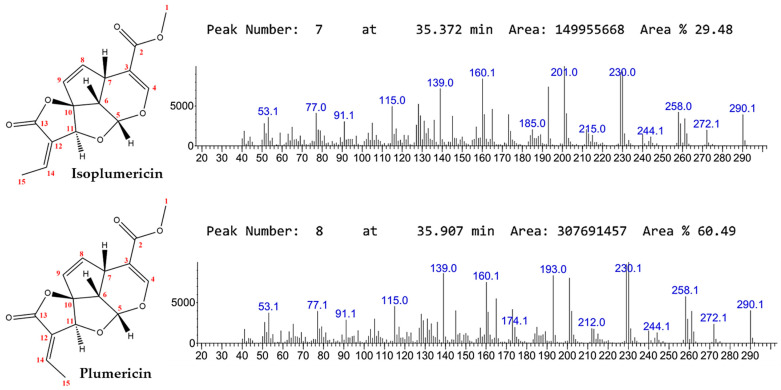 Figure 1
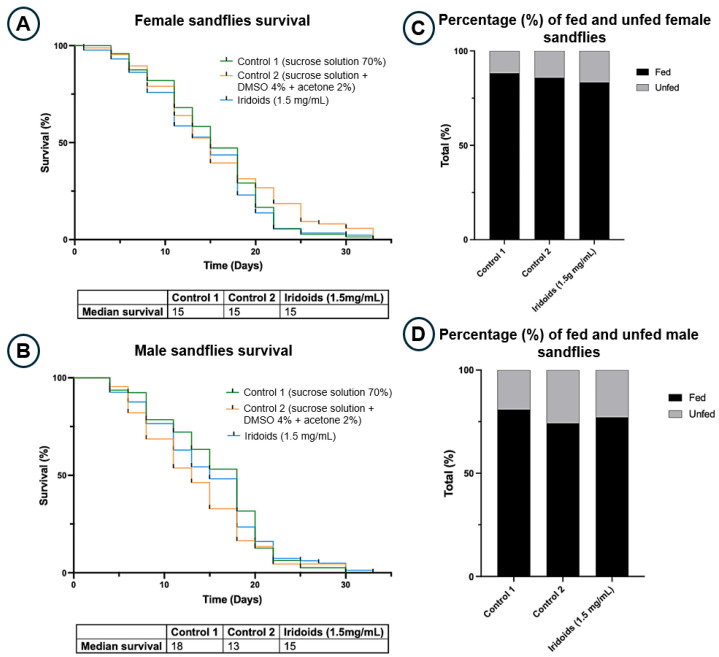 Figure 2
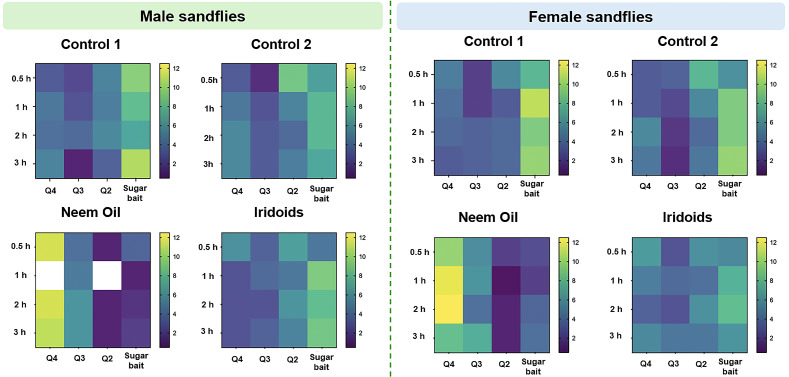 Figure 3
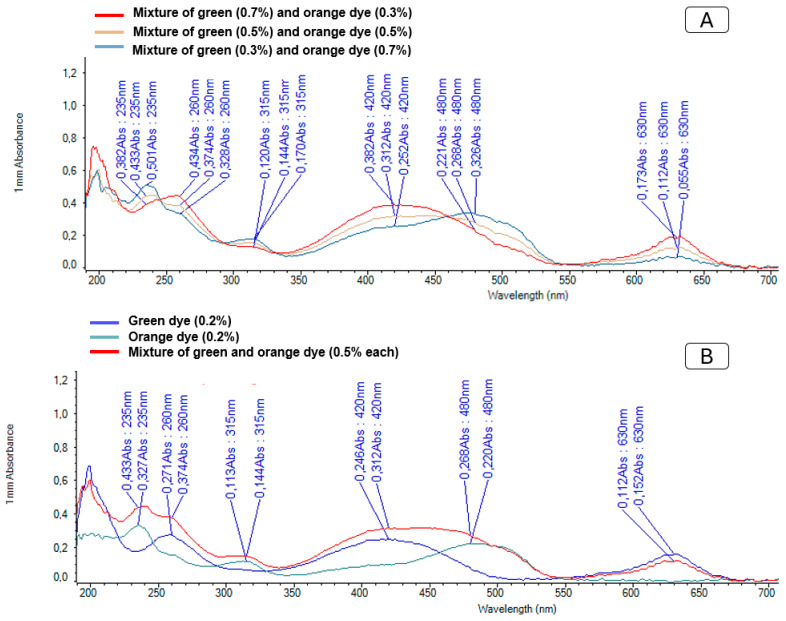 Figure 4
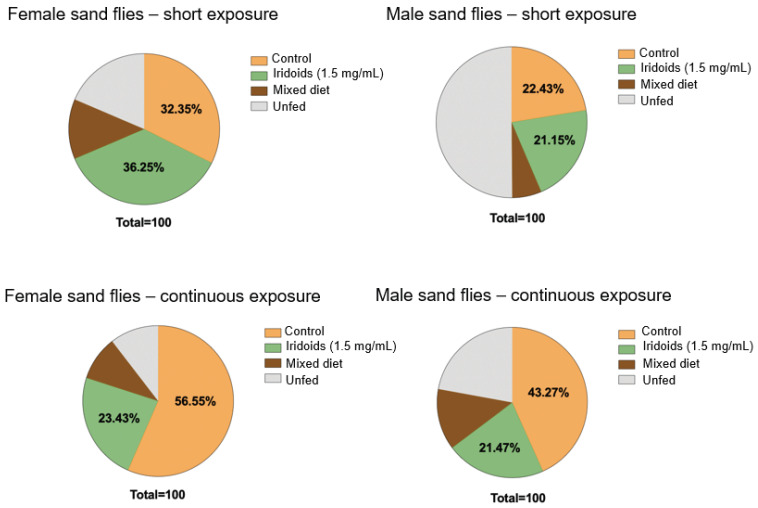 Figure 5
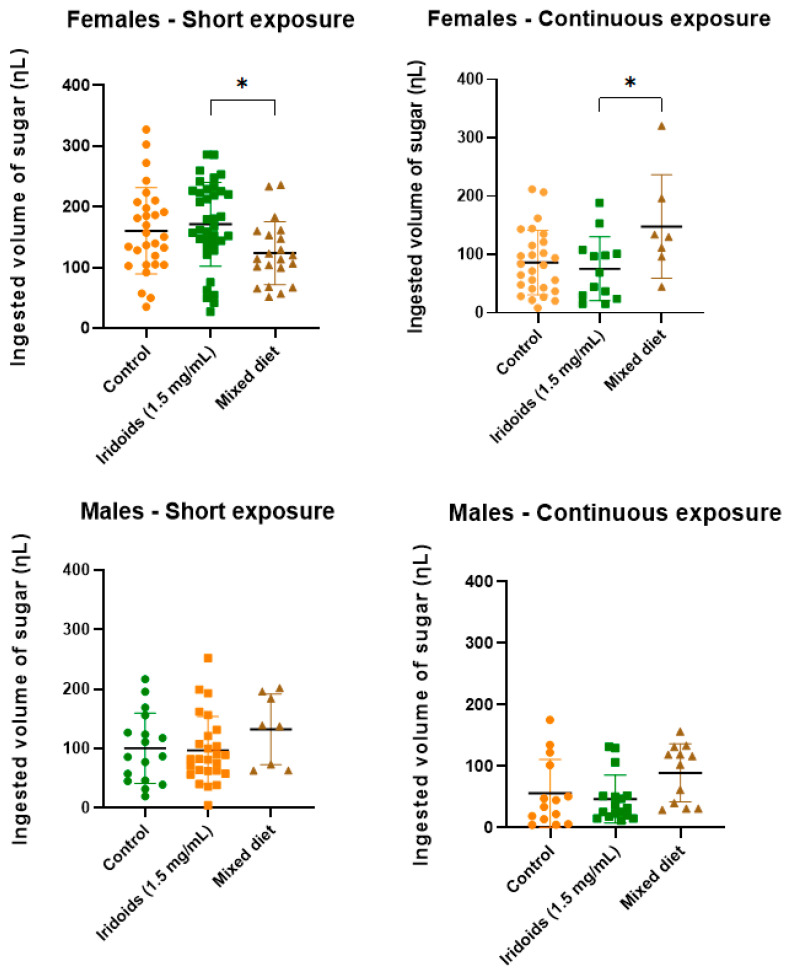 Figure 6
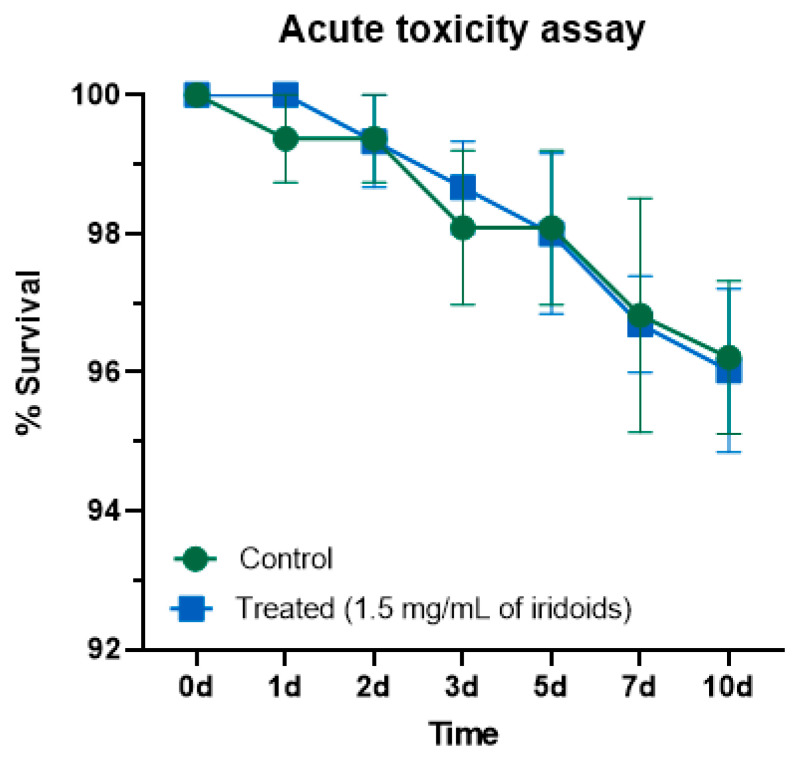 Figure 7
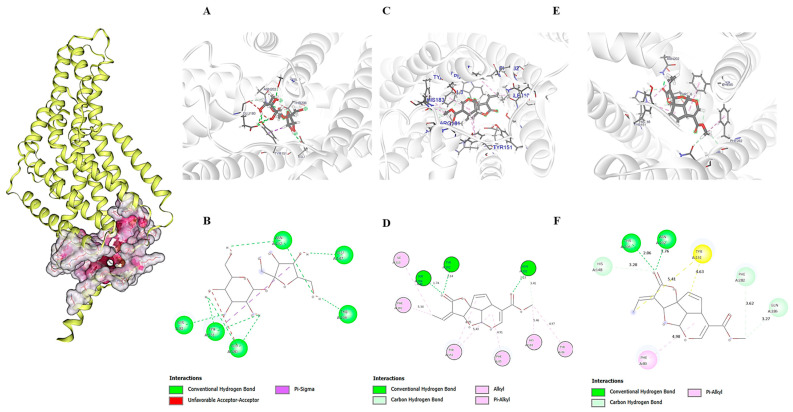 Figure 8
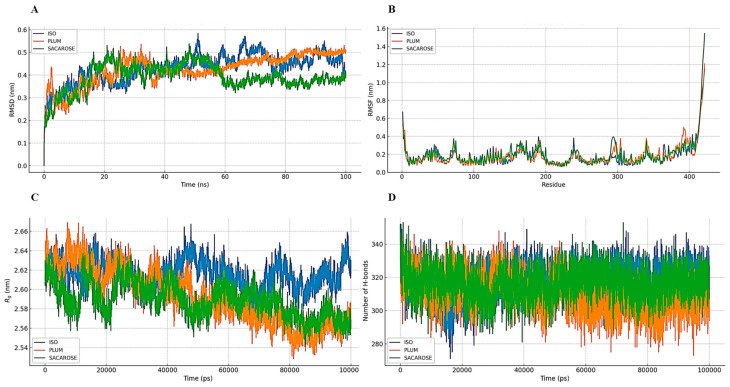 Figure 9
Peer Reviews
No public reviews on file for this paper yet. If you reviewed it on a platform where reviews are public (OpenReview, ICLR, NeurIPS, ICML), you can paste yours below so the community can read it here.
Videos
No videos yet. Explain this paper in a talk, walkthrough, or lecture? Add one.
Taxonomy
TopicsResearch on Leishmaniasis Studies · Chemical synthesis and pharmacological studies · Trypanosoma species research and implications