Comparison of Cu(II) Adsorption Using Fly Ash and Natural Sorbents During Temperature Change and Thermal–Alkaline Treatment
Anna Ďuricová, Veronika Štefanka Prepilková, Michal Sečkár, Marián Schwarz, Dagmar Samešová, Tomáš Murajda, Peter Andráš, Adriana Eštoková, Miriama Čambál Hološová, Juraj Poništ, Andrea Zacharová, Jarmila Schmidtová, Darina Veverková, Adrián Biroň

TL;DR
This paper compares how well fly ash and natural materials can remove copper from mine water, especially after temperature and chemical treatments.
Contribution
The study introduces a new thermal-alkaline modification method and uses fly ash from biomass combustion for Cu(II) adsorption.
Findings
Modified adsorbents improved Cu(II) removal efficiency across all concentrations.
Fly ash's Cu(II) adsorption capacity was comparable to natural sorbents.
Adsorption processes followed pseudo-second-order kinetics.
Abstract
Mine effluents represent a serious environmental problem on a global scale. Therefore, the effective treatment of this water is a serious issue in the scientific field. The adsorption process seems to be one of the attractive methods, especially due to the simplicity of design, affordability or high efficiency. The latest scientific knowledge has shown that the use of waste and natural adsorbents is economical and effective. This study aimed to evaluate the efficiency of the adsorption process of natural and waste materials—zeolite, bentonite and fly ash—under the influence of temperature and modification of these adsorbents. The novelty of this study resides in an adjustment of the modification method of adsorbents compared to previous research: thermal–alkaline treatment versus hydrothermal one. Another novelty is the use of modified fly ash from biomass combustion as an adsorbent in…
Genes, proteins, chemicals, diseases, species, mutations and cell lines named across the full text — each resolved to its canonical identifier and authoritative record.
Click any figure to enlarge with its caption.
 Figure 1
 Figure 2
 Figure 3
 Figure 4
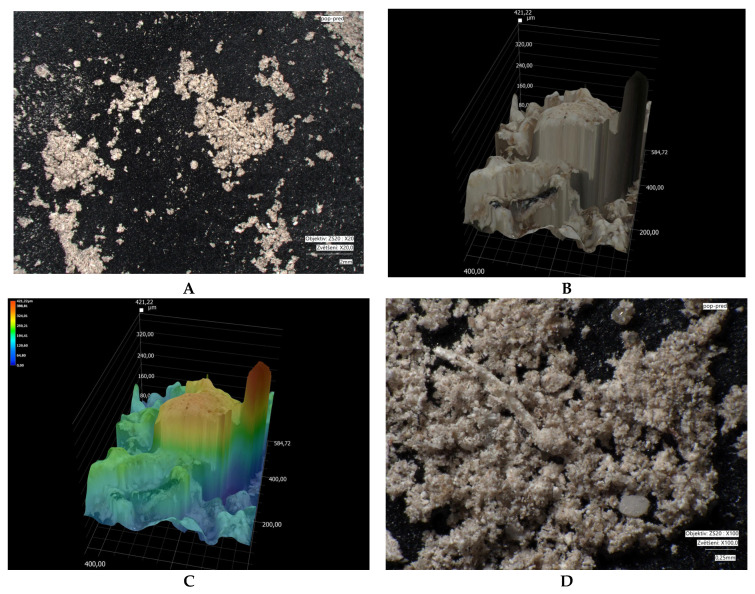 Figure 5
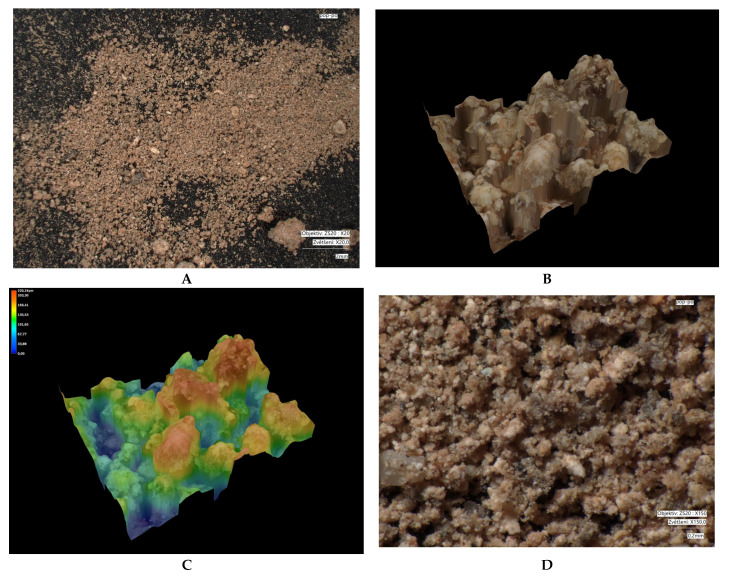 Figure 6
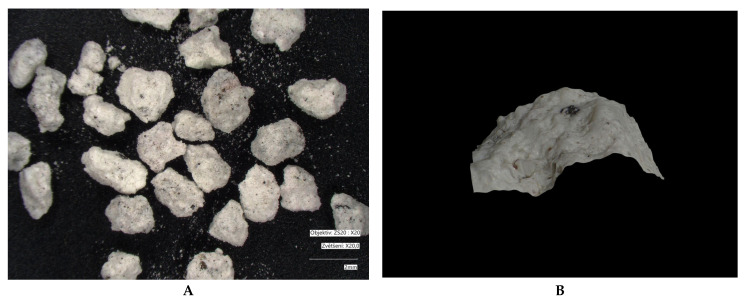 Figure 7
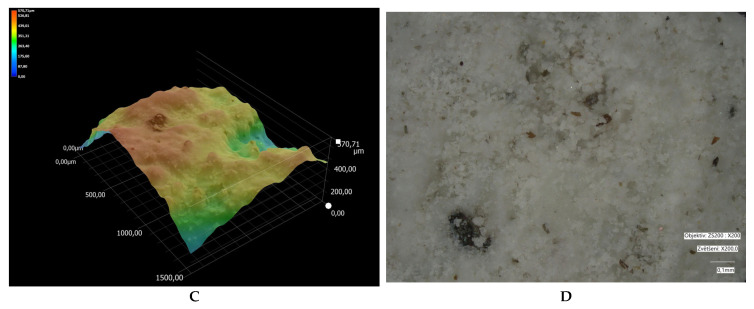 Figure 8
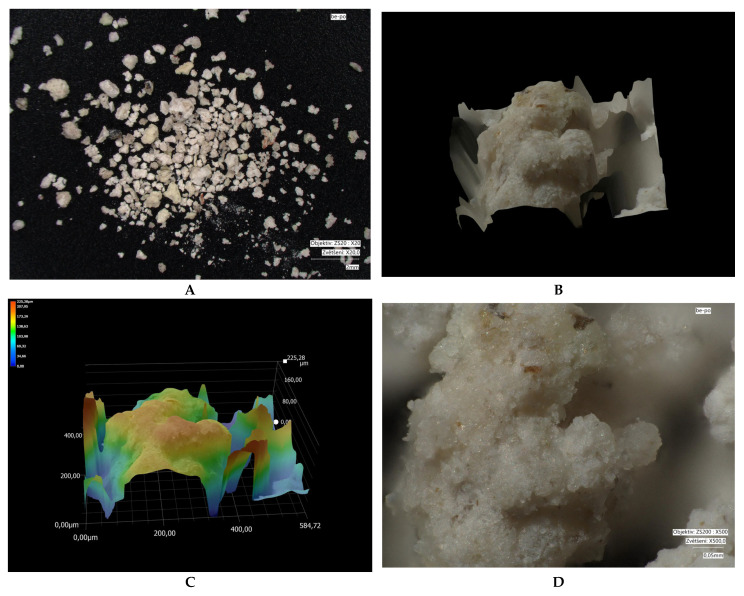 Figure 9
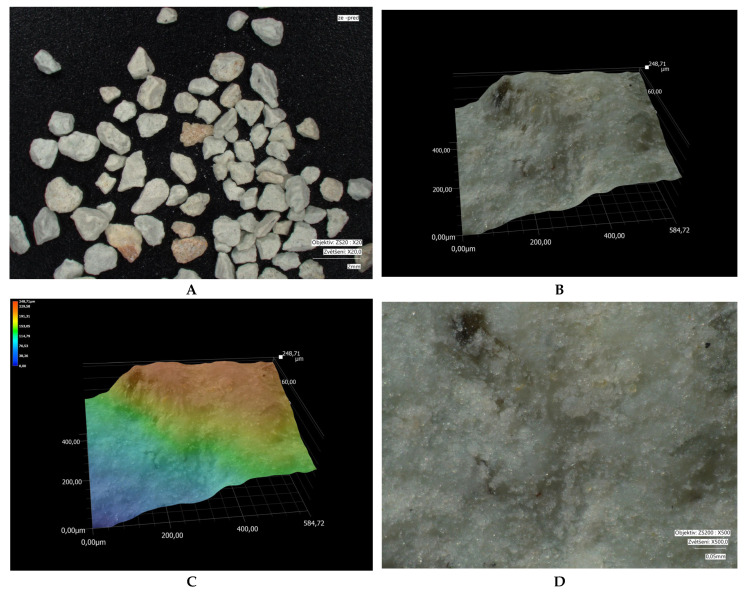 Figure 10
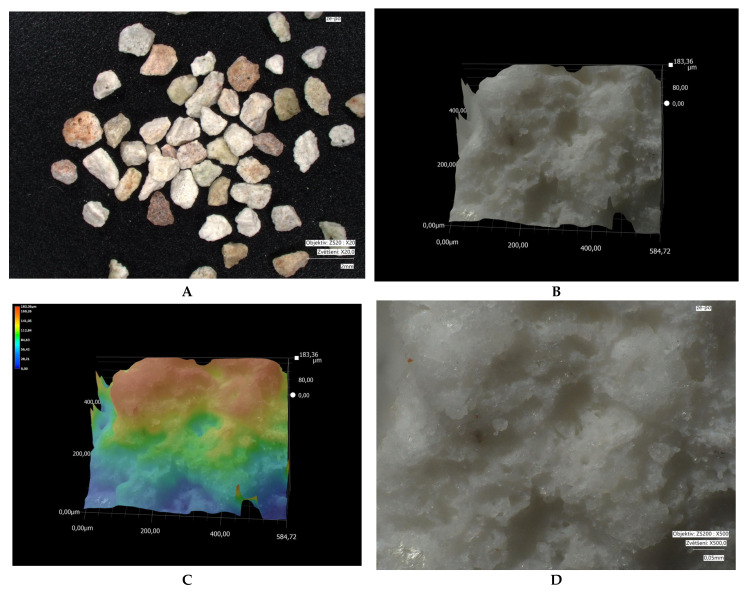 Figure 11
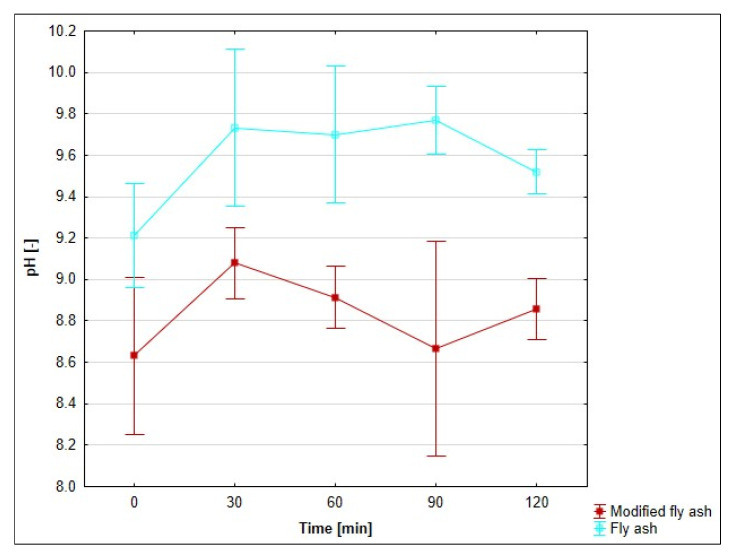 Figure 12
 Figure 13
 Figure 14
Peer Reviews
No public reviews on file for this paper yet. If you reviewed it on a platform where reviews are public (OpenReview, ICLR, NeurIPS, ICML), you can paste yours below so the community can read it here.
Videos
No videos yet. Explain this paper in a talk, walkthrough, or lecture? Add one.
Taxonomy
TopicsAdsorption and biosorption for pollutant removal · Analytical chemistry methods development · Extraction and Separation Processes