Cerium Phosphate Nanoparticles: Synthesis, Characterization, Biocompatibility, Regenerative Potential, and Antioxidant Activity
Ekaterina V. Silina, Victor A. Stupin, Natalia E. Manturova, Elena L. Chuvilina, Akhmedali A. Gasanov, Olga I. Andreeva, Elena V. Korobko, Natalia V. Andreeva, Svetlana A. Dodonova, Daria D. Tkachenko, Dmitry Y. Izmailov, Natalia Y. Tabachkova, Yulia G. Suzdaltseva

TL;DR
This paper describes the synthesis and biomedical evaluation of cerium phosphate nanoparticles, showing they are safe, promote cell growth, and have strong antioxidant properties.
Contribution
A novel method for synthesizing cerium phosphate nanoparticles with regenerative and antioxidant properties is developed and validated.
Findings
Cerium phosphate nanoparticles stimulate the proliferation of mesenchymal stem cells at concentrations of 10−2 to 10−3 M.
The nanoparticles show strong antioxidant activity, outperforming ascorbic acid at concentrations of 10−2 to 10−5 M.
The particles are non-cytotoxic and promote the metabolism of keratinocytes and fibroblasts over a wide concentration range.
Abstract
The aim of this study was to synthesize, characterize, and investigate the biomedical effects of nanoscale cerium phosphate obtained via different synthesis techniques, as well as to evaluate the influence of various CePO4 concentrations on cells involved in skin structure regeneration (human mesenchymal stem cells, keratinocytes, and fibroblasts) and establish their antioxidant properties. Methods and Results: Cerium(III) orthophosphate was obtained by precipitation with ammonium dihydrogen phosphate from a nitrate solution. By changing the initial concentrations of the solutions and the drying and annealing temperatures, the best conditions for obtaining nanosized phosphate powders were established. The structure of rhabdophane was obtained by X-ray diffraction analysis, and the particle sizes were measured by transmission electron microscopy. The particle sizes ranged from 2 to 10 nm…
Genes, proteins, chemicals, diseases, species, mutations and cell lines named across the full text — each resolved to its canonical identifier and authoritative record.
Click any figure to enlarge with its caption.
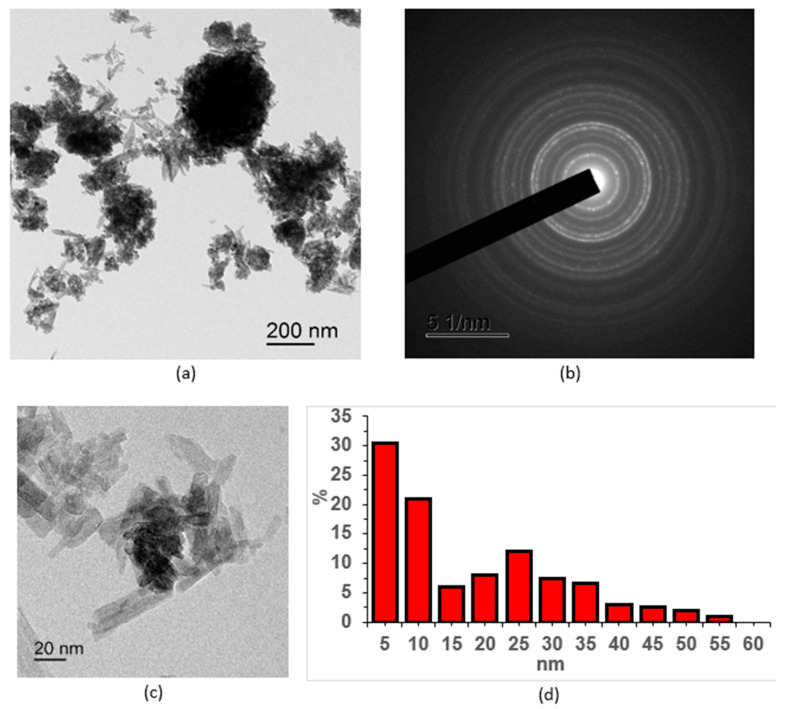 Figure 1
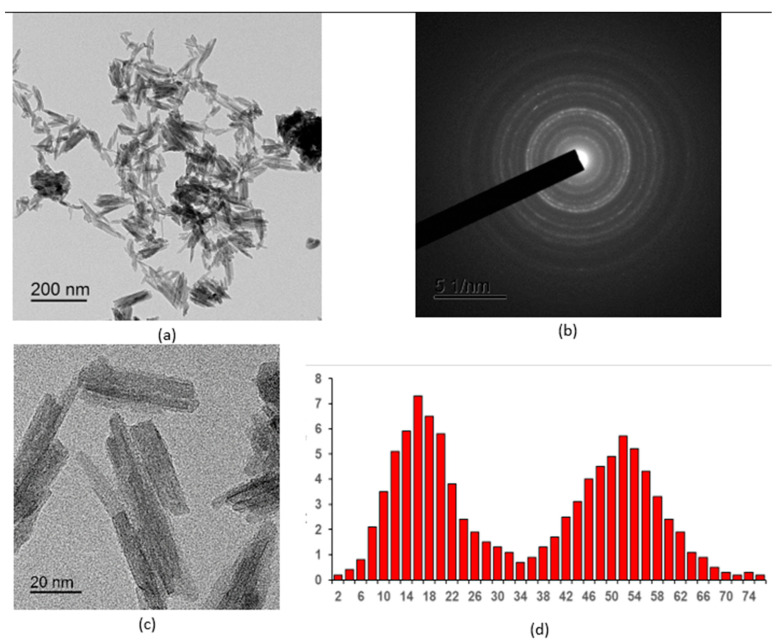 Figure 2
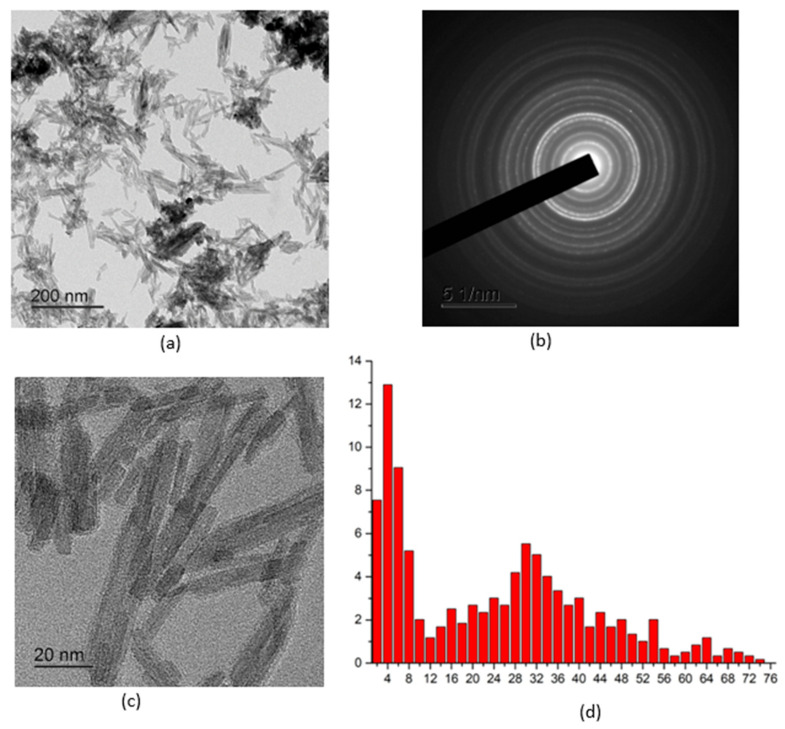 Figure 3
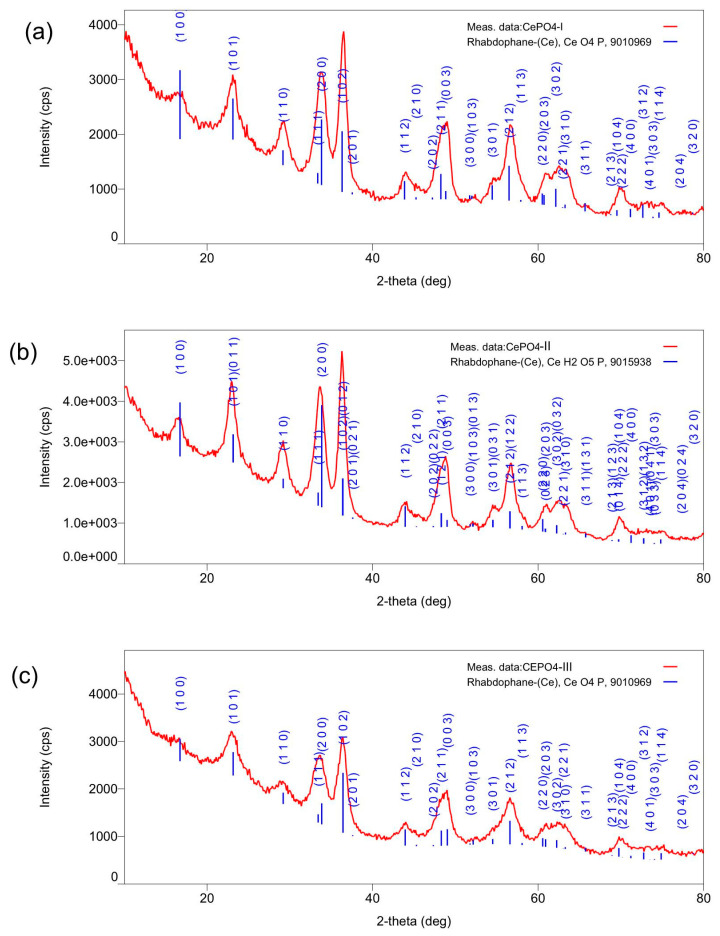 Figure 4
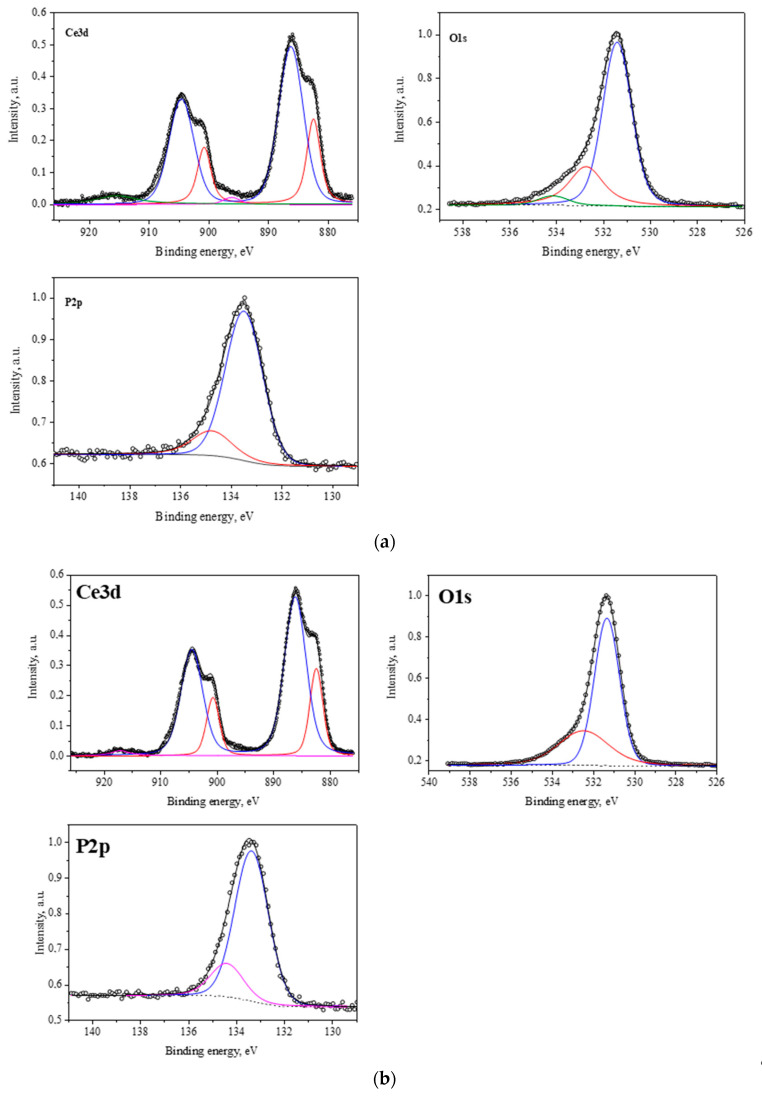 Figure 5
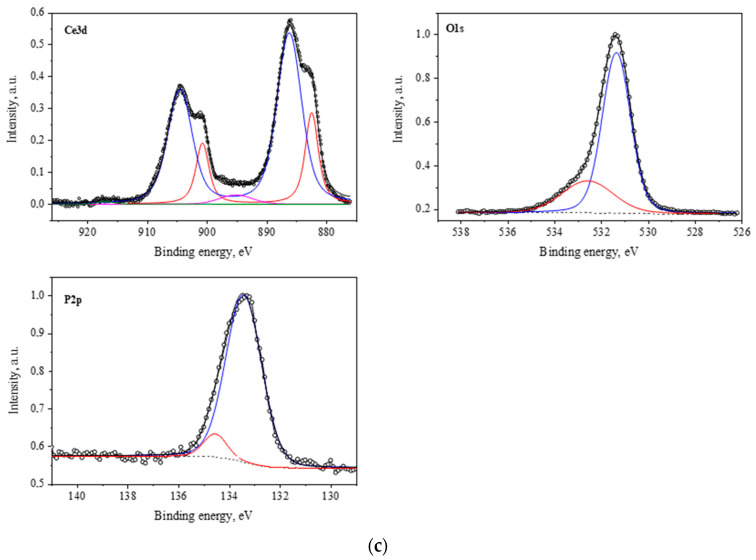 Figure 6
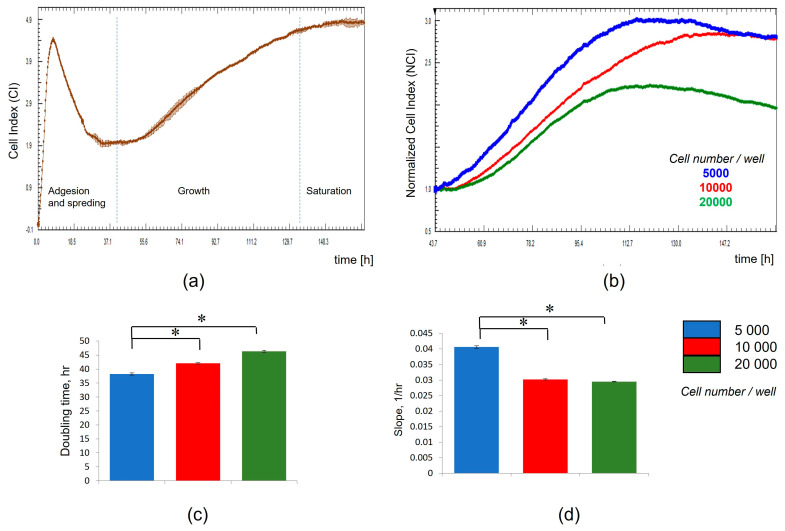 Figure 7
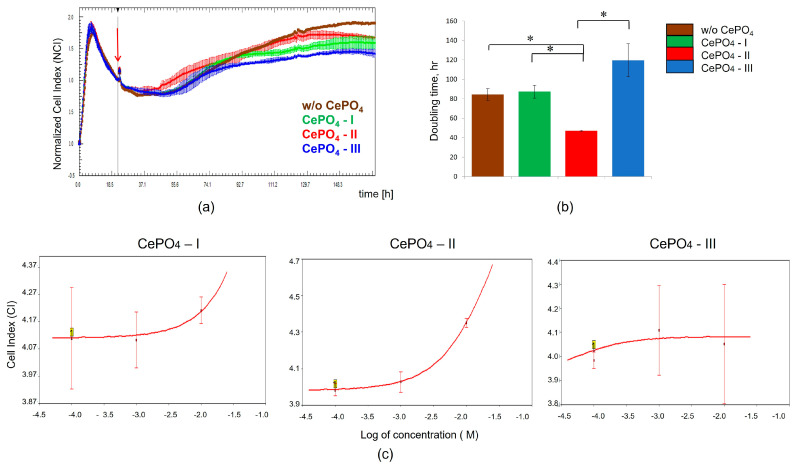 Figure 8
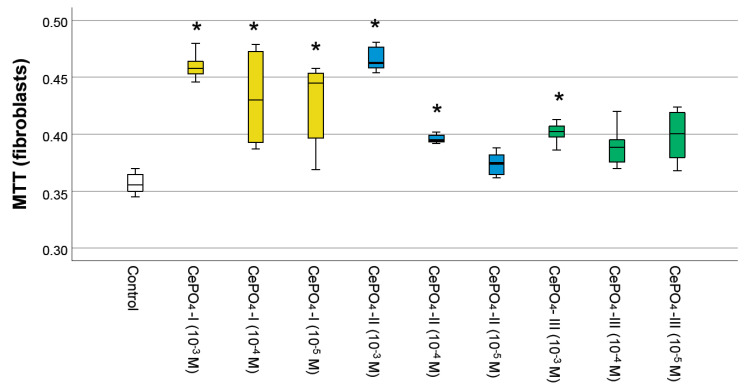 Figure 9
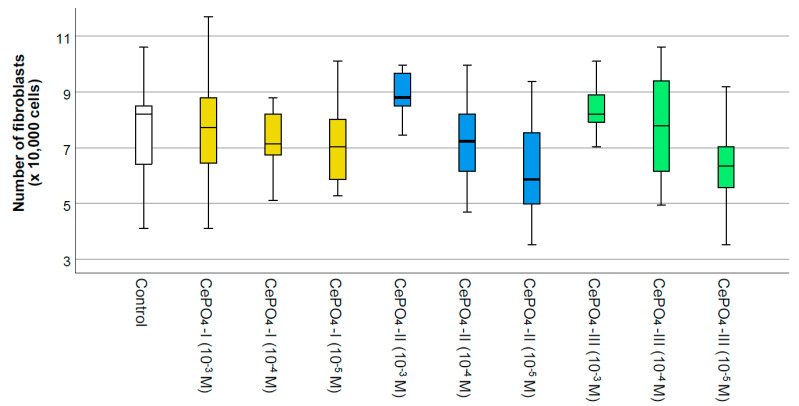 Figure 10
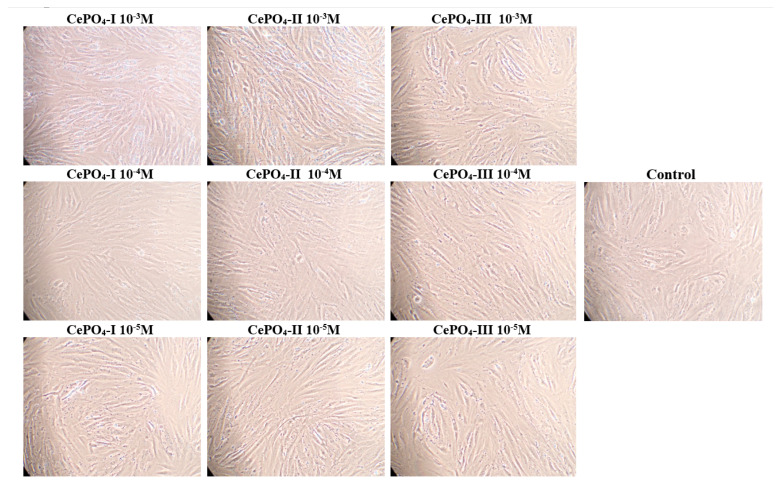 Figure 11
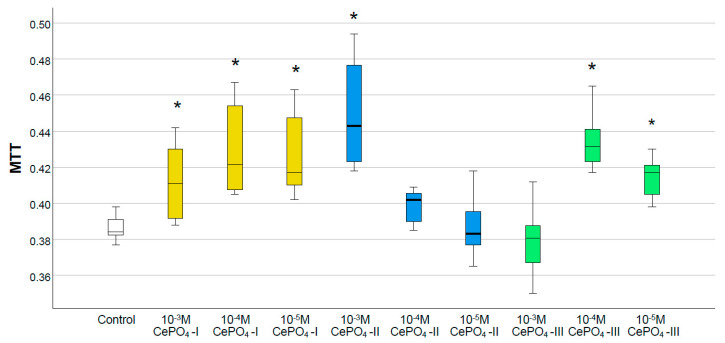 Figure 12
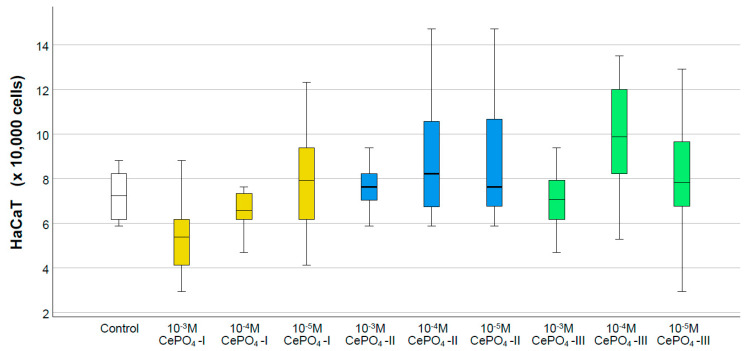 Figure 13
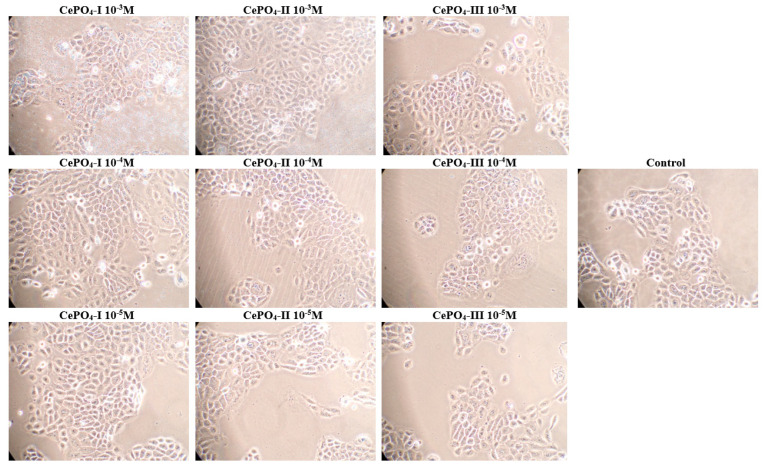 Figure 14
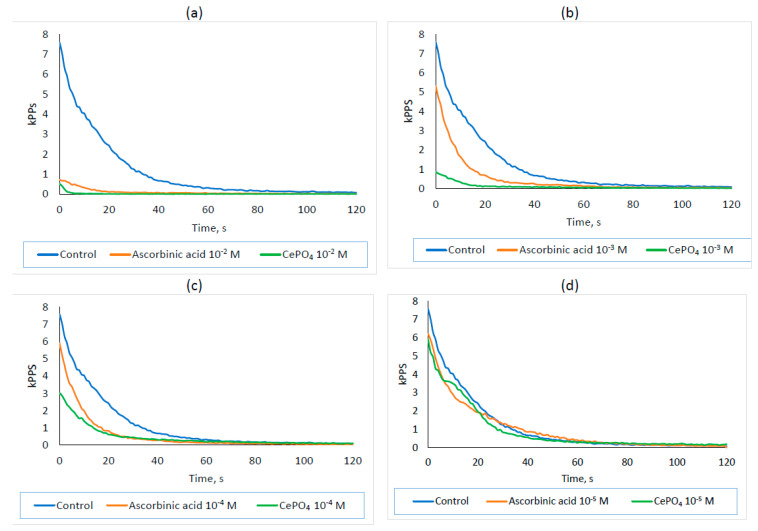 Figure 15
Peer Reviews
No public reviews on file for this paper yet. If you reviewed it on a platform where reviews are public (OpenReview, ICLR, NeurIPS, ICML), you can paste yours below so the community can read it here.
Videos
No videos yet. Explain this paper in a talk, walkthrough, or lecture? Add one.
Taxonomy
TopicsAdvanced Nanomaterials in Catalysis · Neurological Disorders and Treatments · Bone Tissue Engineering Materials