Fluorescent Dihomooxacalix[4]arenes for the Detection of Nitroaromatic Compounds in Solution and in the Vapour Phase: Structural and Supramolecular Insights
Beatriz V. Gil, Alexandre S. Miranda, Paula M. Marcos, José R. Ascenso, Tiago Palmeira, Mário N. Berberan-Santos, Rachel Schurhammer, Neal Hickey, Siddharth Joshi, Silvano Geremia

TL;DR
Researchers developed fluorescent calixarene compounds that can detect nitroaromatic compounds in both liquid and vapor forms, with structural insights into their sensing mechanism.
Contribution
The study introduces new fluorescent calixarene derivatives with structural adaptability for efficient and reversible detection of nitroaromatic compounds.
Findings
The calixarene derivatives show selectivity for 2,4,6-trinitrophenol (TNP) with a specific quenching order.
Both calixarenes enable fast and reversible detection of nitrobenzene (NB) and nitrotoluene (NT) vapors.
Structural flexibility and solvent effects influence the sensing performance of the calixarene framework.
Abstract
Two fluorescent ureido-dihomooxacalix[4]arene derivatives containing naphthyl residues at the lower rim (1 and 2) were studied for the detection of nitroaromatic compounds (NACs) in solution and in vapour phases. Their affinity in solution was determined by UV-Vis absorption, fluorescence and NMR spectroscopy. For NAC vapour sensing, calixarenes were dispersed in a polytetrafluoroethylene (PTFE) matrix. Four new solvated crystals of dihomooxacalix[4]arene 2 were obtained and the solvent’s influence on its structural characteristics was investigated. The solvent-dependent structural variations observed in the crystal structures highlight the intrinsic flexibility of the calixarene framework. Such conformational adaptability, evident in the disruption and reorganization of hydrogen bonding and π–π interactions, is directly relevant to nitroaromatic sensing, where a rapid and reversible…
Genes, proteins, chemicals, diseases, species, mutations and cell lines named across the full text — each resolved to its canonical identifier and authoritative record.
Click any figure to enlarge with its caption.
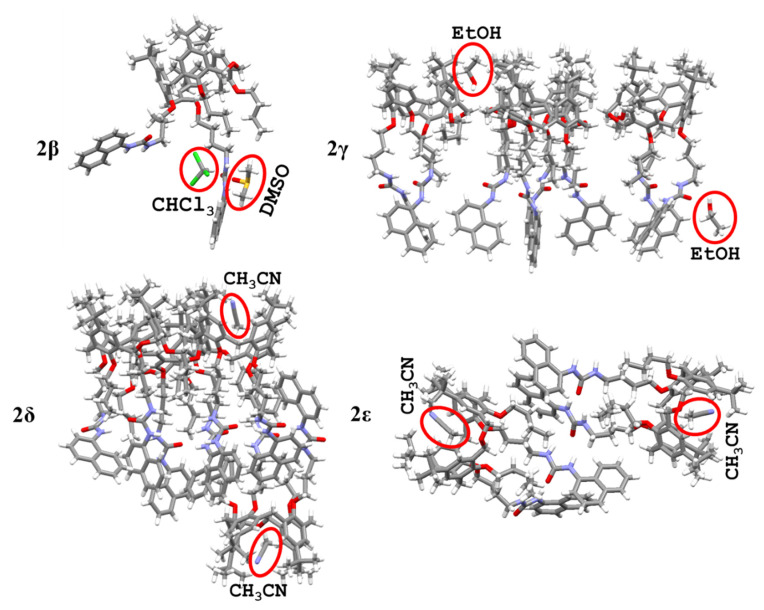 Figure 1
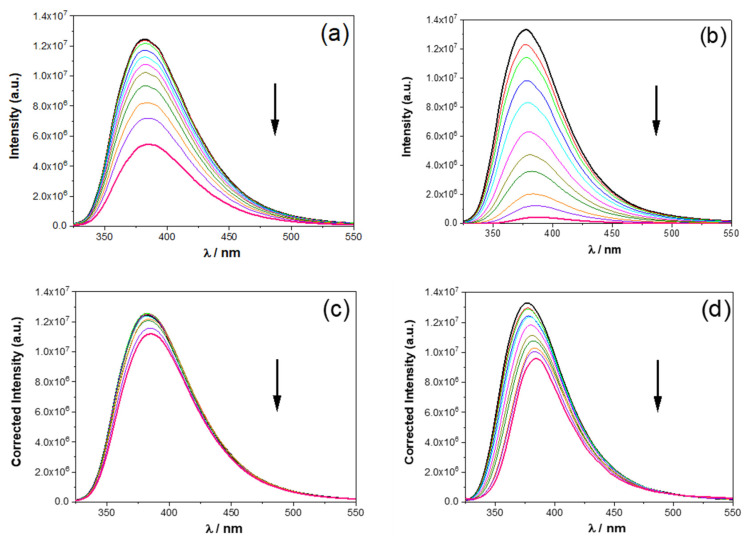 Figure 2
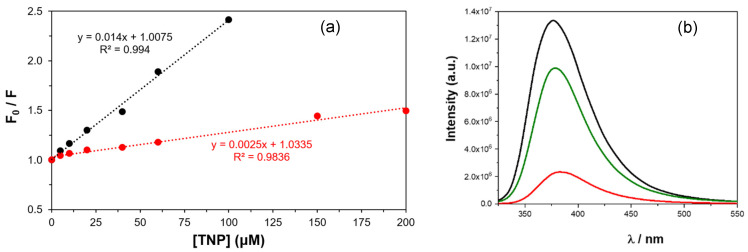 Figure 3
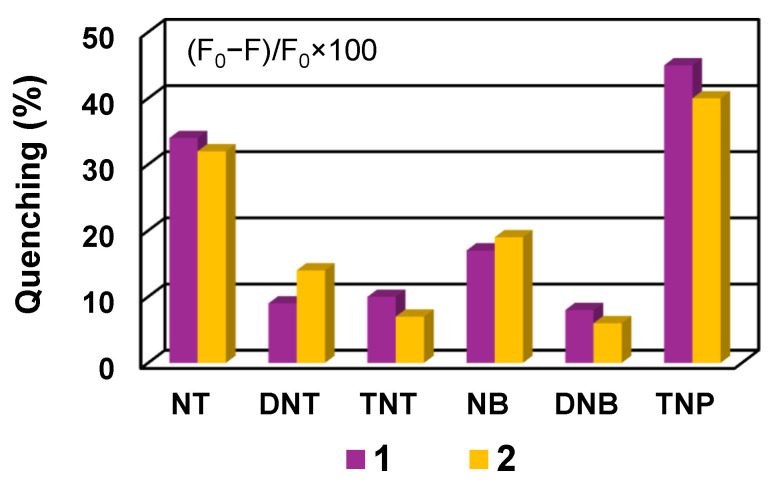 Figure 4
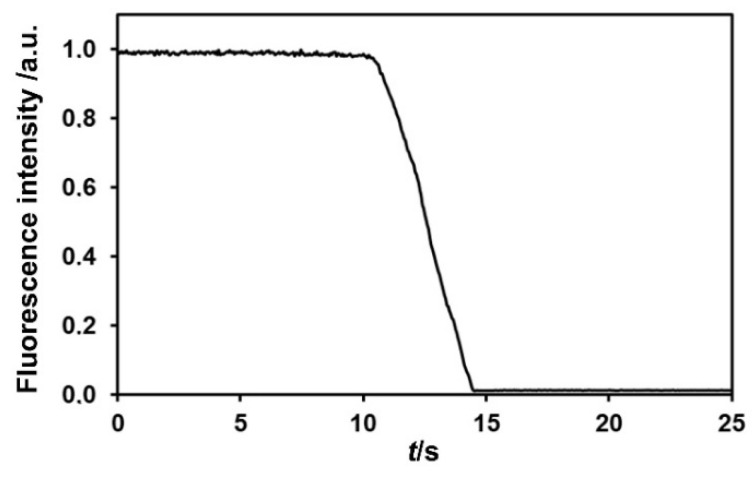 Figure 5
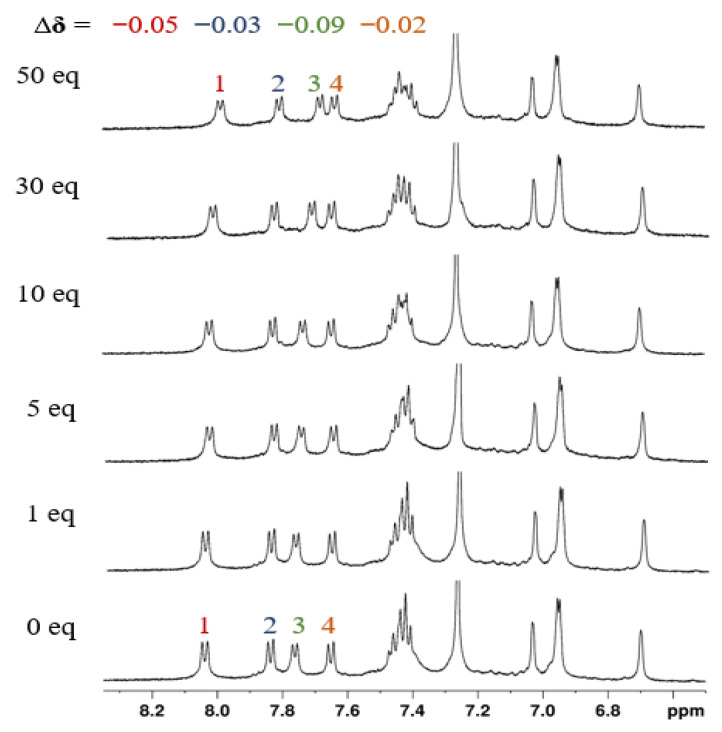 Figure 6
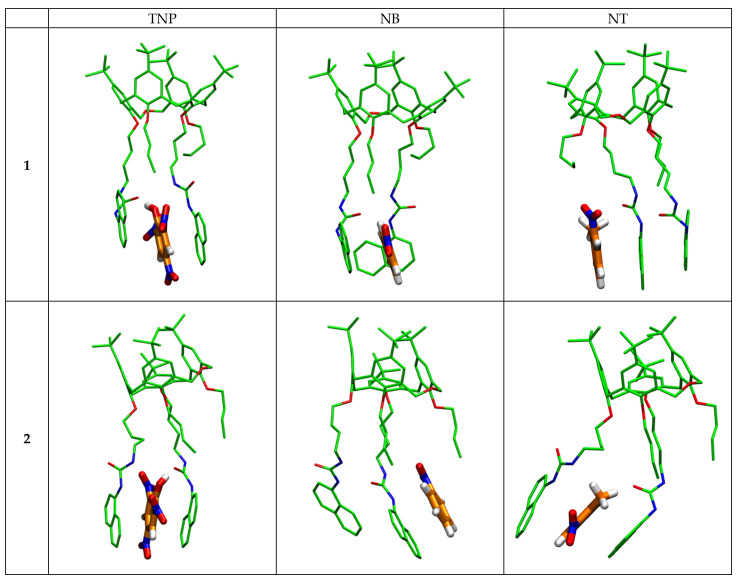 Figure 7
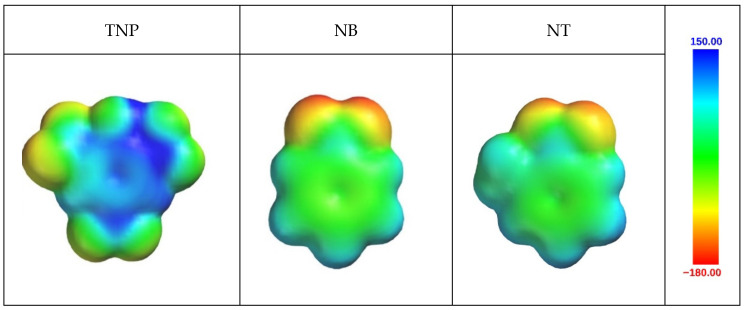 Figure 8
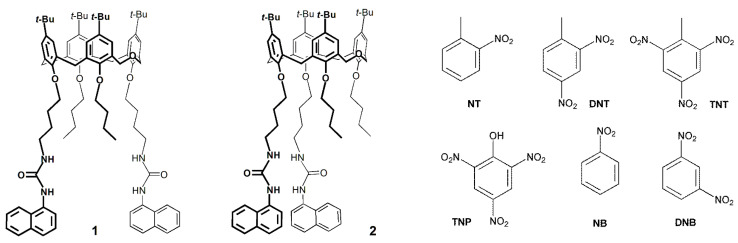 Figure 9
Peer Reviews
No public reviews on file for this paper yet. If you reviewed it on a platform where reviews are public (OpenReview, ICLR, NeurIPS, ICML), you can paste yours below so the community can read it here.
Videos
No videos yet. Explain this paper in a talk, walkthrough, or lecture? Add one.
Taxonomy
TopicsMolecular Sensors and Ion Detection · Luminescence and Fluorescent Materials · Supramolecular Chemistry and Complexes