Cross-Scale Modeling of CFRP Stacking Sequence in Filament-Wound Composite Pressure Vessels: In-Plane and Inter-Layer Homogenization Analysis
Ziqi Wang, Ji Shi, Xiaodong Zhao, Hui Li, Huiming Shen, Jianguo Liang, Jun Feng

TL;DR
This paper presents a cross-scale modeling method for filament-wound composite pressure vessels to balance computational efficiency and accuracy.
Contribution
A novel homogenization method is introduced for cross-scale modeling of CFRP layers in filament-wound vessels.
Findings
The partial homogenization method captures fiber-direction stress distribution in inner layers with 7.56% deviation from detailed models.
Fatigue life analysis shows only 0.28% variation in liner cycles across stacking sequences, indicating minimal impact from homogenization.
The proposed framework effectively balances computational efficiency and accuracy for multiscale simulations of composite vessels.
Abstract
Composite pressure vessels have attracted significant attention in recent years owing to their lightweight characteristics and superior mechanical performance. However, analyzing composite layers remains challenging due to complex filament-winding (FW) pattern structures and the associated high computational costs. This study introduces a homogenization method to achieve cross-scale modeling of carbon fiber-reinforced plastic (CFRP) layers, accounting for both lay-up sequence and in-plane FW diamond-shaped form. The stacking sequence in an FW Type IV composite pressure vessel is numerically investigated through ply modeling and cross-scale homogenization. The composite tank structure, featuring a polyamide PA66 liner, is designed for a working pressure of 70 MPa and comprises 12 helical winding layers and 17 hoop winding layers. An FW cross-undulation representative volume element (RVE)…
Genes, proteins, chemicals, diseases, species, mutations and cell lines named across the full text — each resolved to its canonical identifier and authoritative record.
Click any figure to enlarge with its caption.
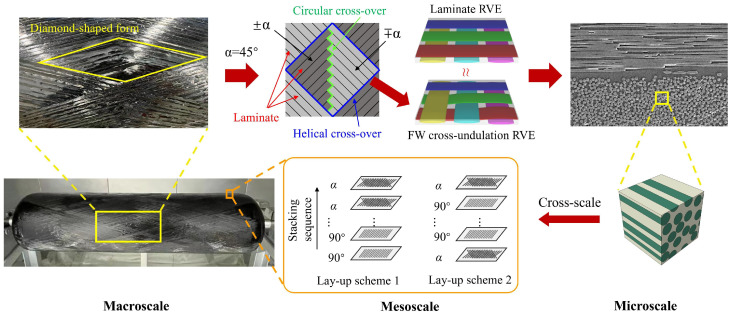 Figure 1
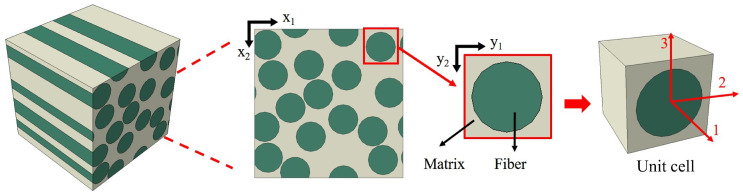 Figure 2
 Figure 3
 Figure 4
 Figure 5
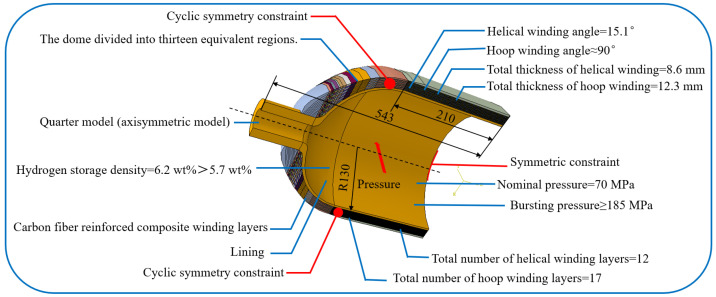 Figure 6
 Figure 7
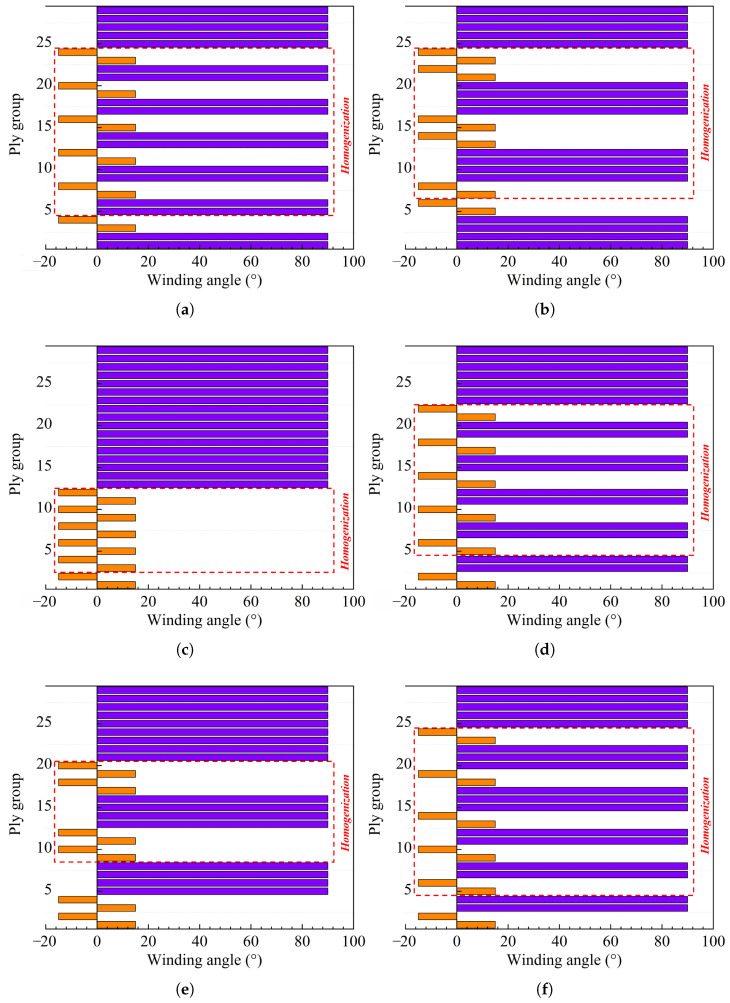 Figure 8
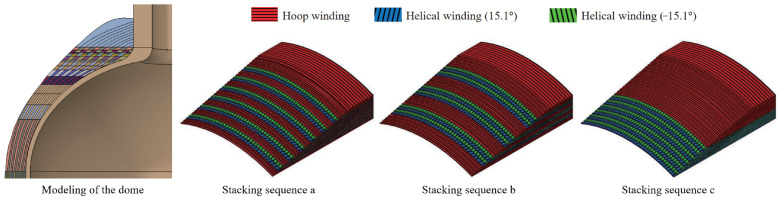 Figure 9
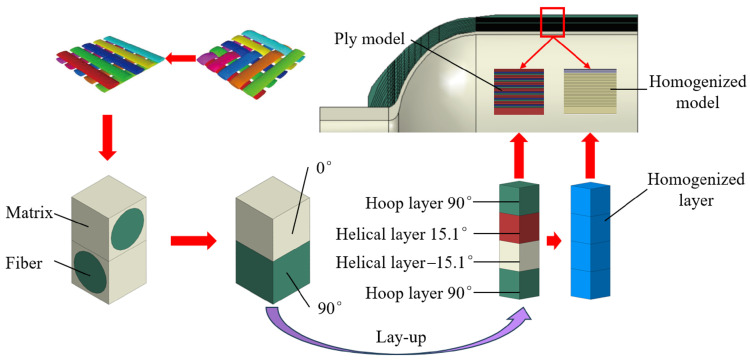 Figure 10
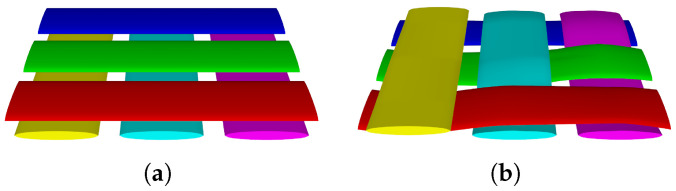 Figure 11
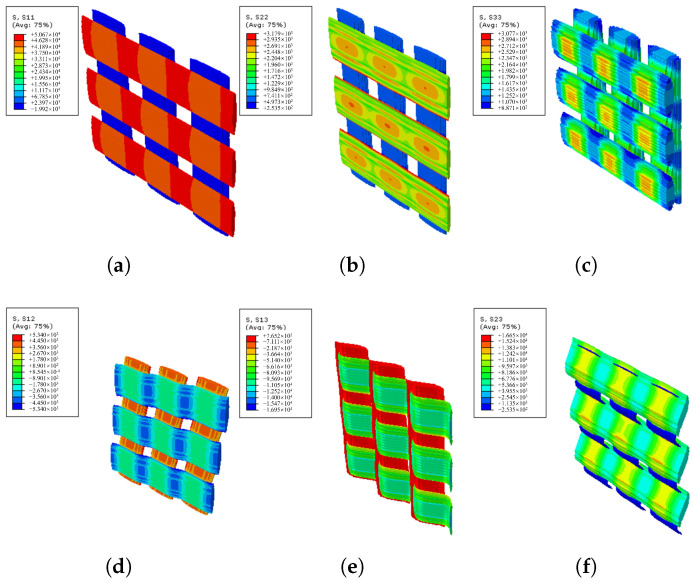 Figure 12
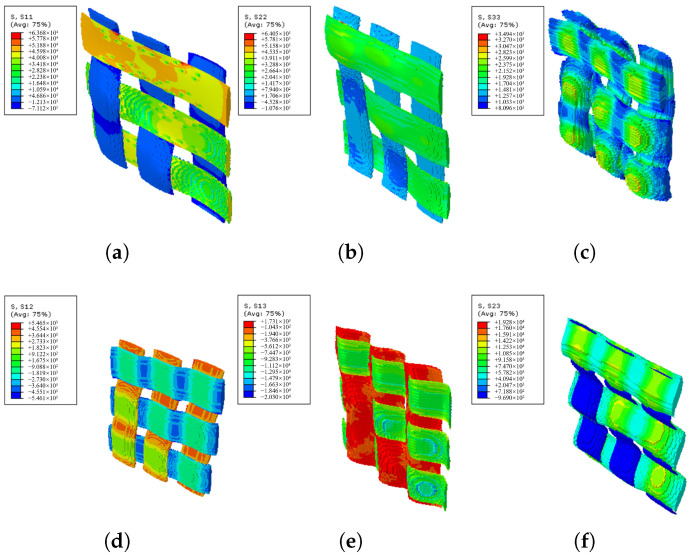 Figure 13
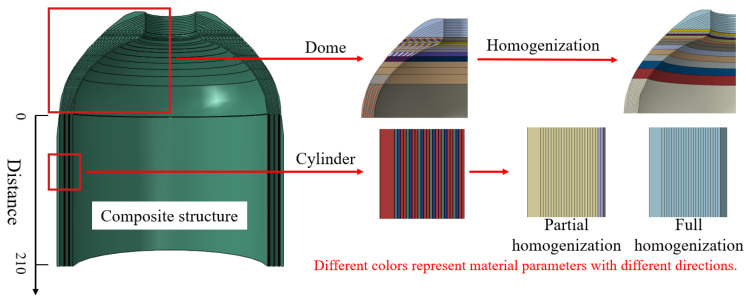 Figure 14
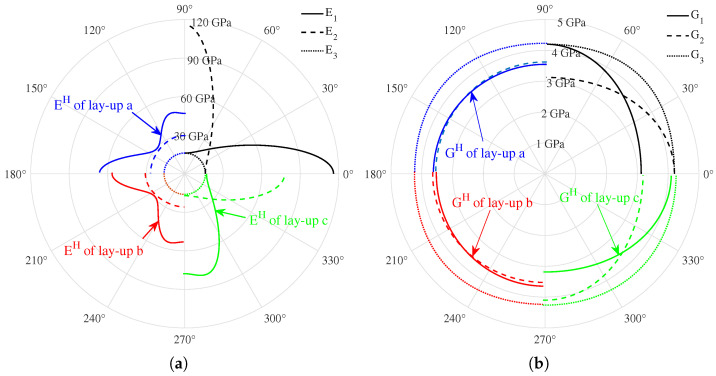 Figure 15
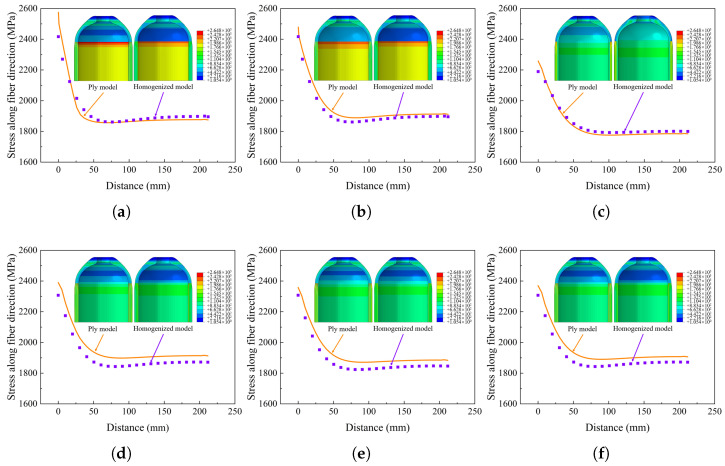 Figure 16
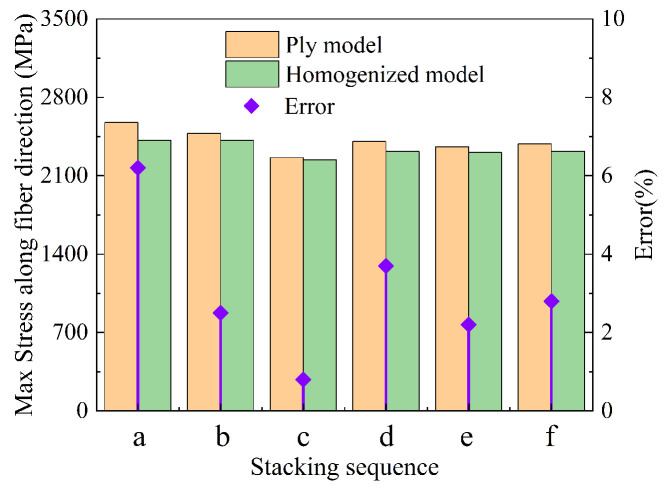 Figure 17
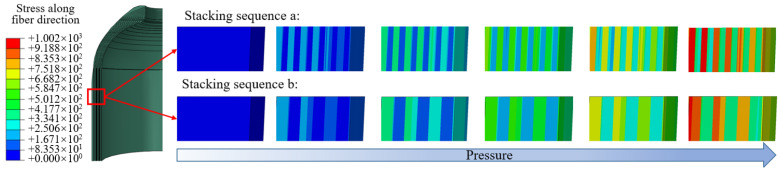 Figure 18
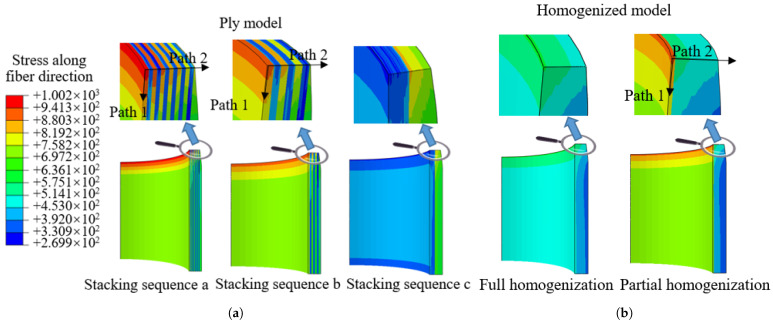 Figure 19
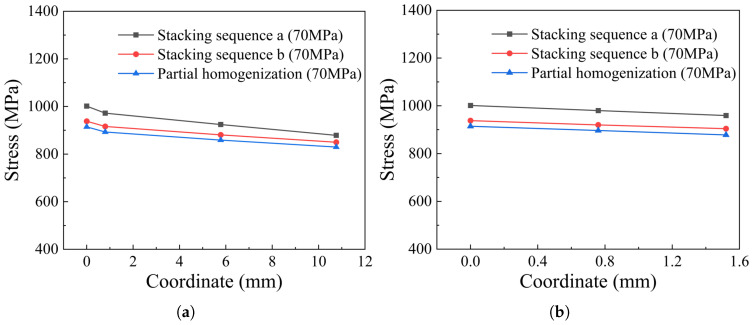 Figure 20
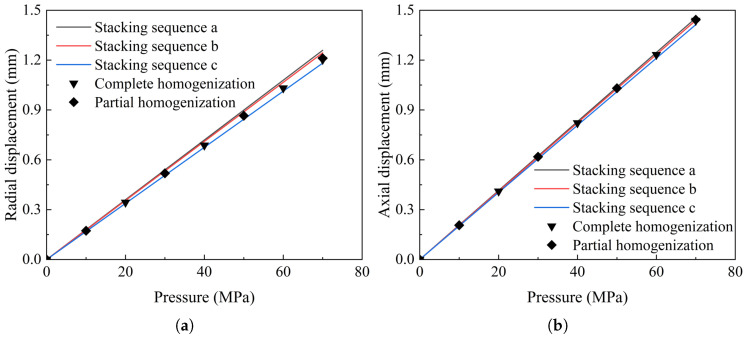 Figure 21
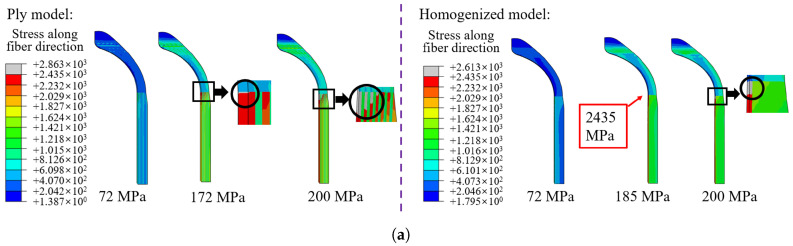 Figure 22
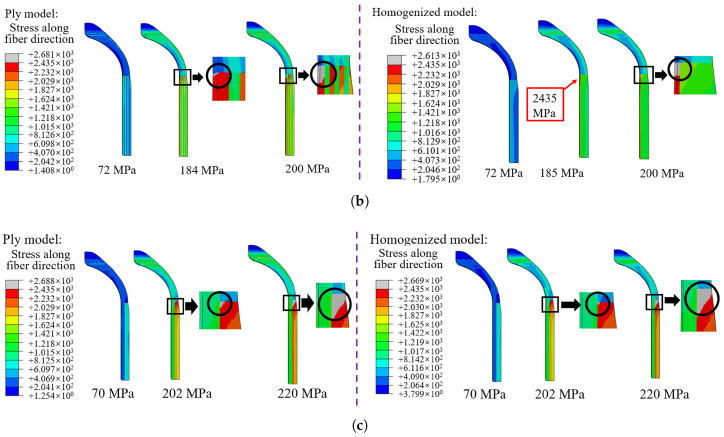 Figure 23
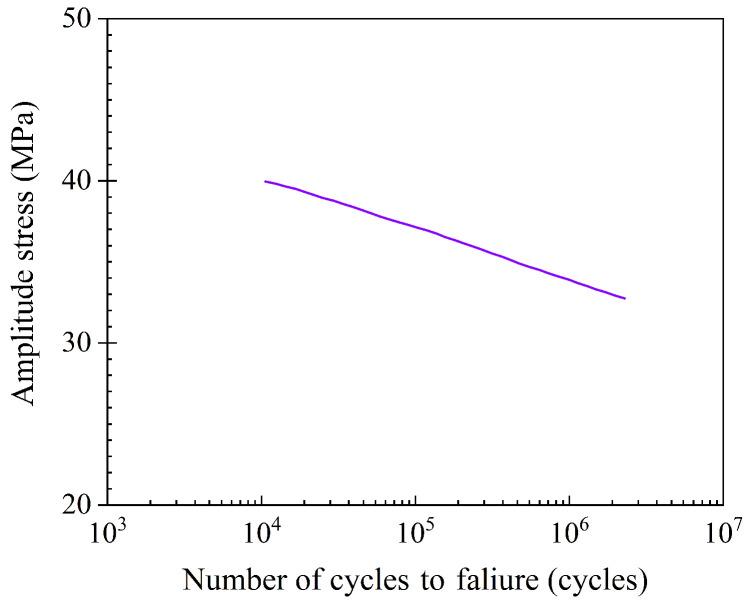 Figure 24
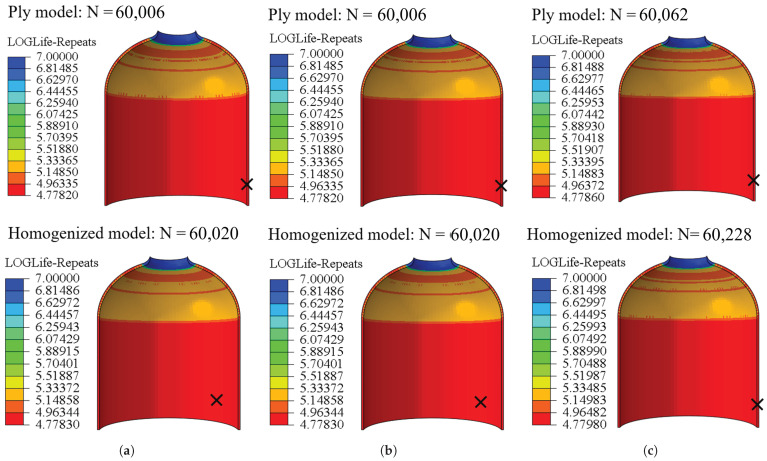 Figure 25
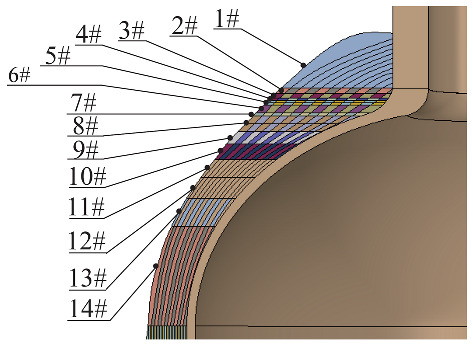 Figure 26
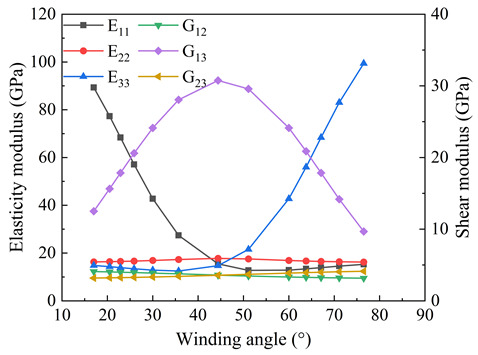 Figure 27
Peer Reviews
No public reviews on file for this paper yet. If you reviewed it on a platform where reviews are public (OpenReview, ICLR, NeurIPS, ICML), you can paste yours below so the community can read it here.
Videos
No videos yet. Explain this paper in a talk, walkthrough, or lecture? Add one.
Taxonomy
TopicsMechanical Behavior of Composites · Mechanical Engineering and Vibrations Research · Material Properties and Processing