Micro-Interface Slip Damping in a Compressed Coir Vibration Isolator
Jem A. Rongong, Jin-Song Pei, Joseph P. Wright, Gerald A. Miller

TL;DR
This paper explores a natural, eco-friendly vibration isolator made from compressed coir that uses micro-interface slip damping, which is less affected by temperature than traditional polymer-based systems.
Contribution
The study introduces a novel enhancement to the Masing model by incorporating time evolution from mem-models for better hysteresis representation.
Findings
The coir isolator shows highly nonlinear hysteresis under cyclic loading.
The proposed model with time integration improves the representation of micro-interface slip damping.
The modeling approach was validated using data from coir and clayey soil.
Abstract
The micro-interface slip damping mechanism is insensitive to temperature, making it suitable for applications where the operating environment makes viscoelastic polymers ineffective. Damping material systems that rely on micro-interface slip typically embody randomly disposed interlocking units leading to complex material behaviors. This work studies a compressed coir vibration isolator that provides a lightweight, low cost and environmentally friendly alternative to common polymer devices. Under cyclic loading, it displays highly nonlinear hysteresis and a gradual change in properties based on the load history. The nonlinear hysteresis is captured with a Masing model, which has been shown to provide an adequate phenomenological representation of systems with large numbers of miniature stick-slip contacts. This study further explores a new way to enrich the Masing model by encoding time…
Genes, proteins, chemicals, diseases, species, mutations and cell lines named across the full text — each resolved to its canonical identifier and authoritative record.
Click any figure to enlarge with its caption.
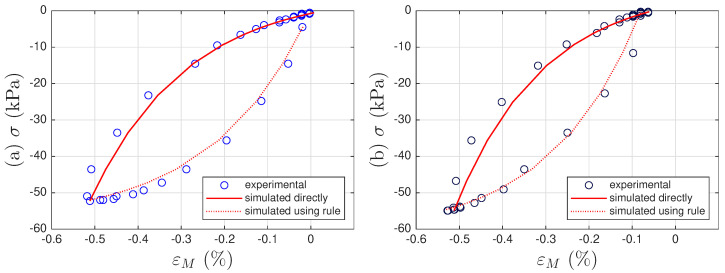 Figure 1
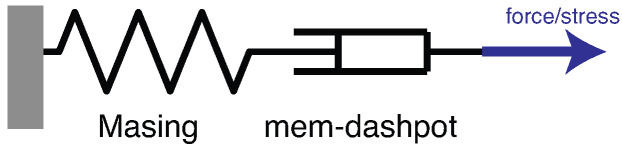 Figure 2
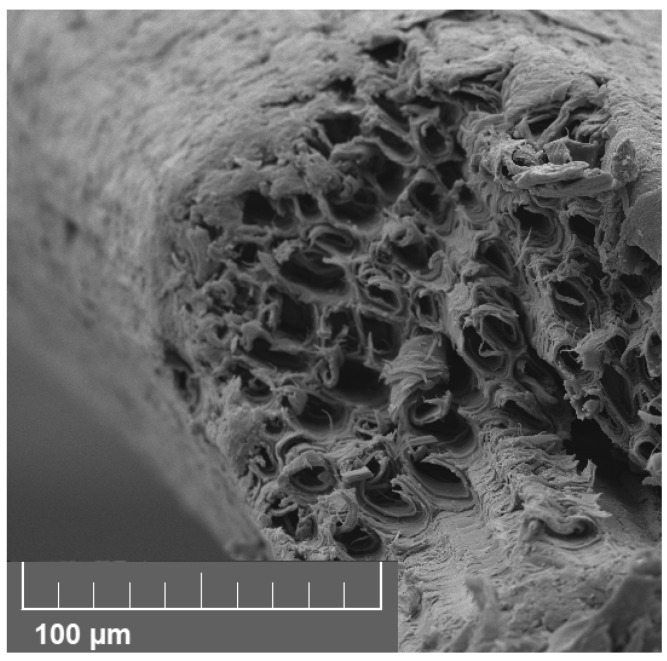 Figure 3
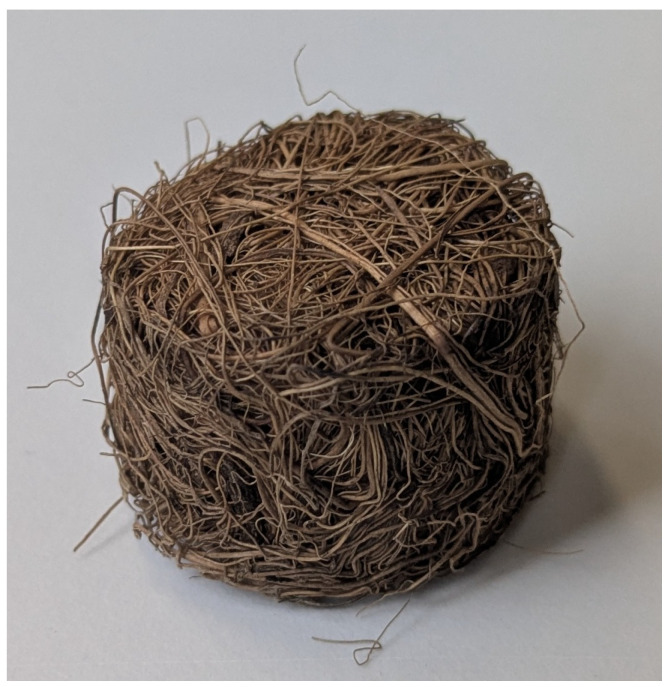 Figure 4
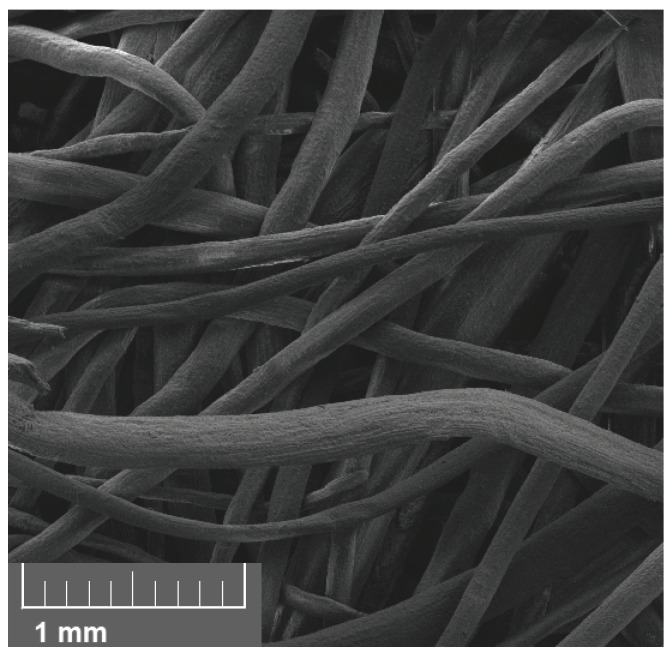 Figure 5
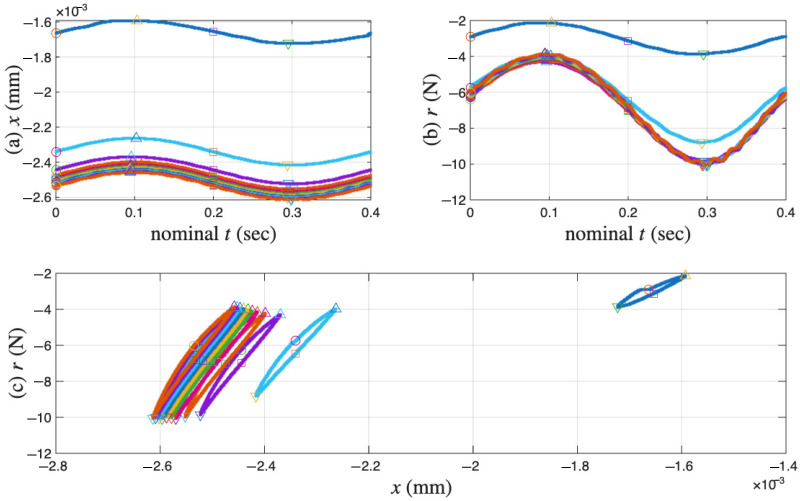 Figure 6
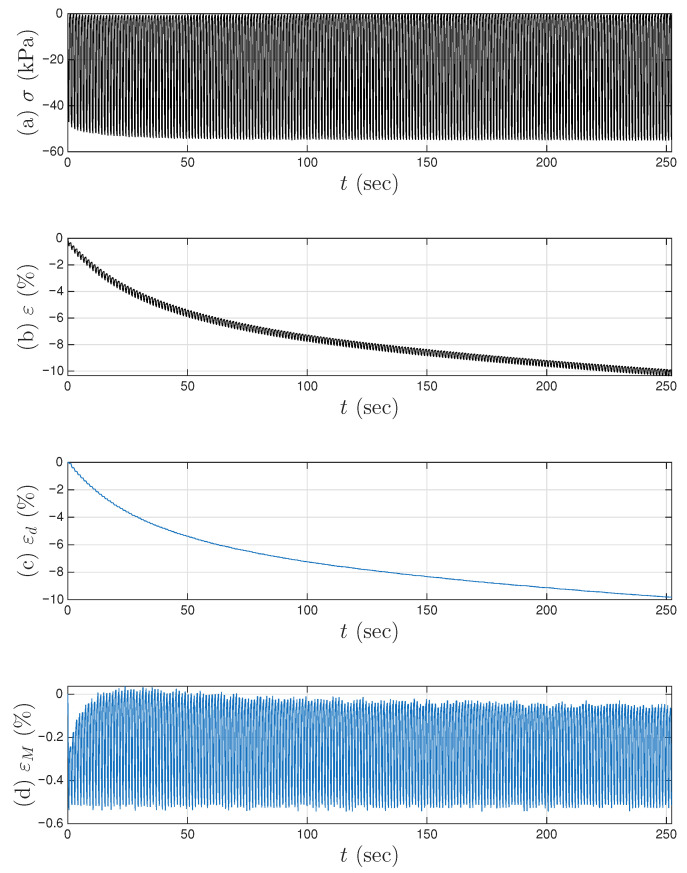 Figure 7
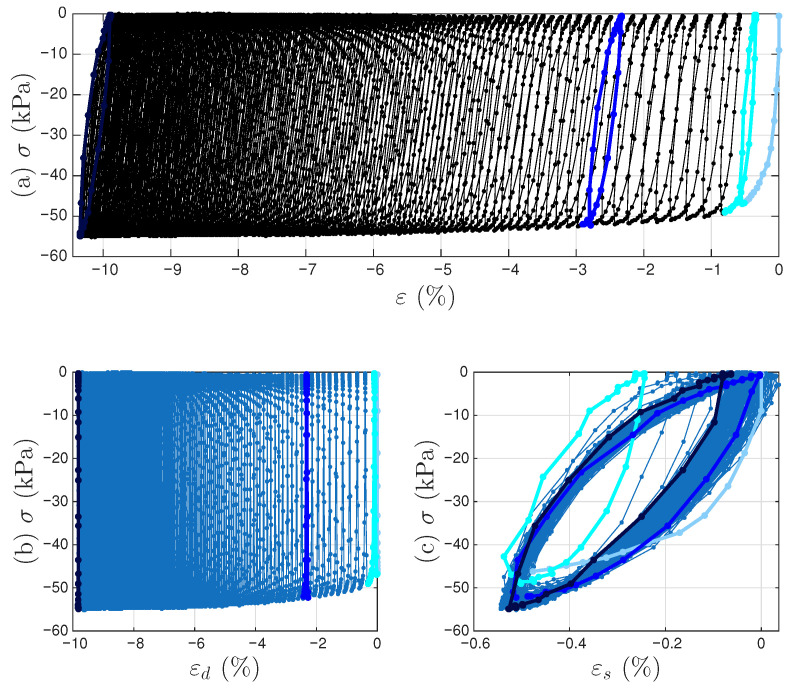 Figure 8
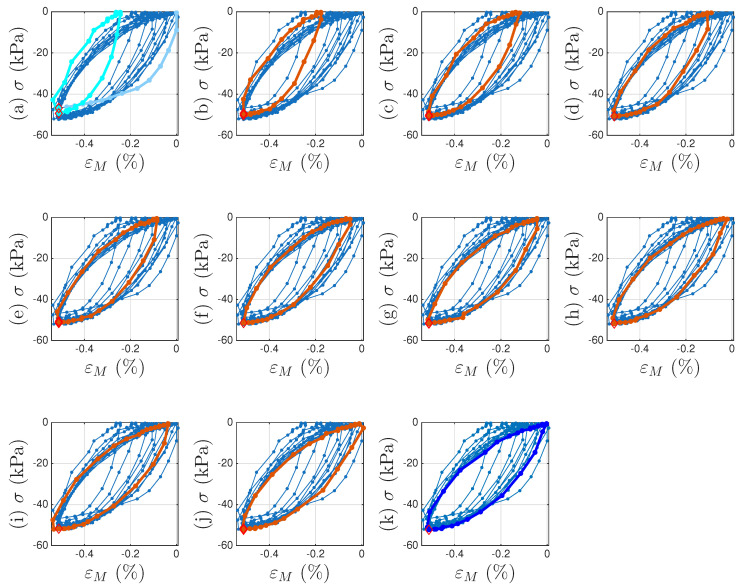 Figure 9
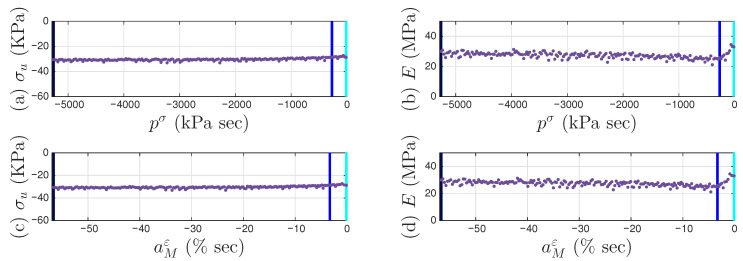 Figure 10
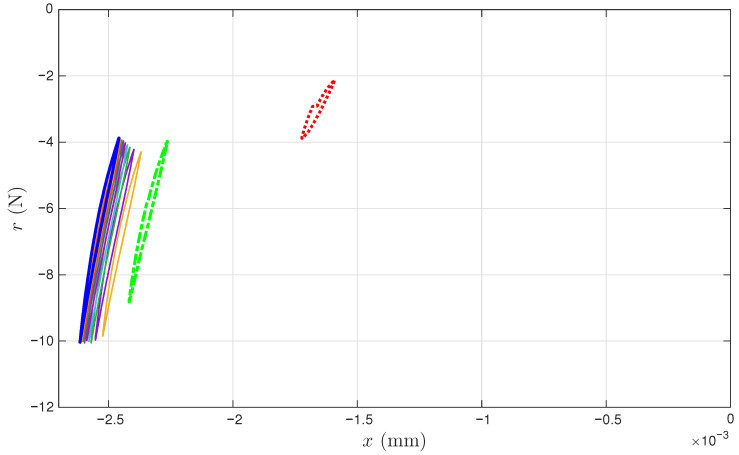 Figure 11
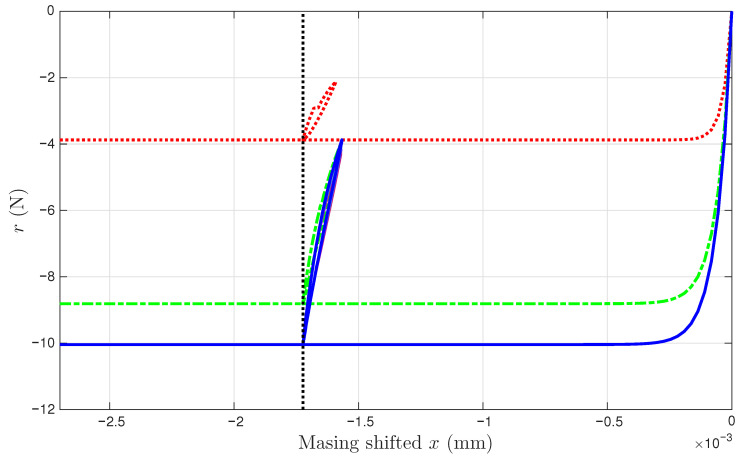 Figure 12
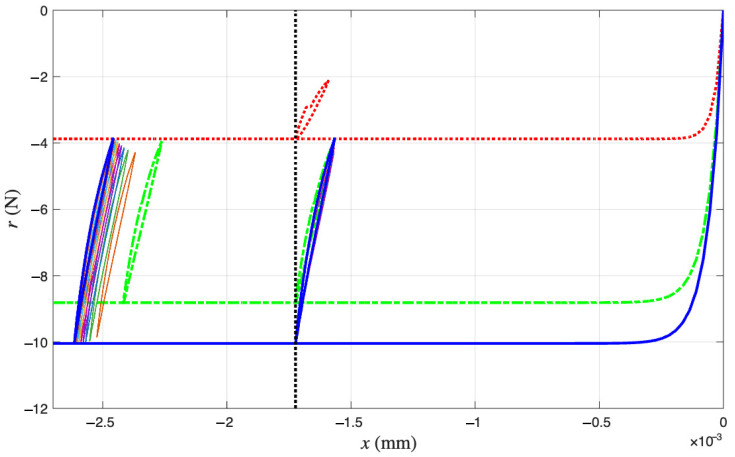 Figure 13
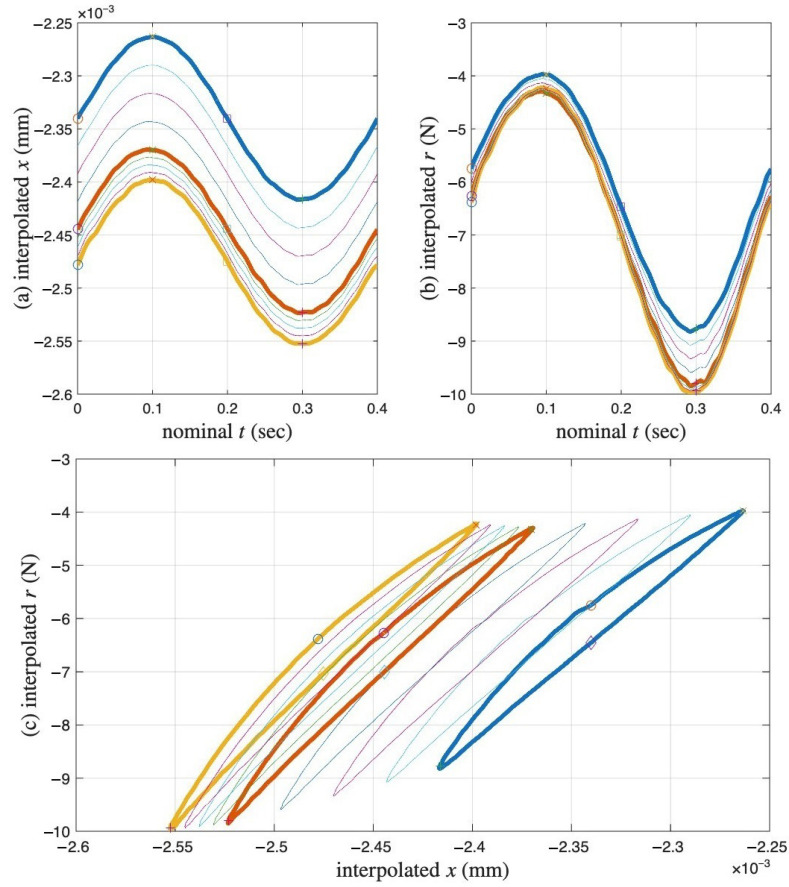 Figure 14
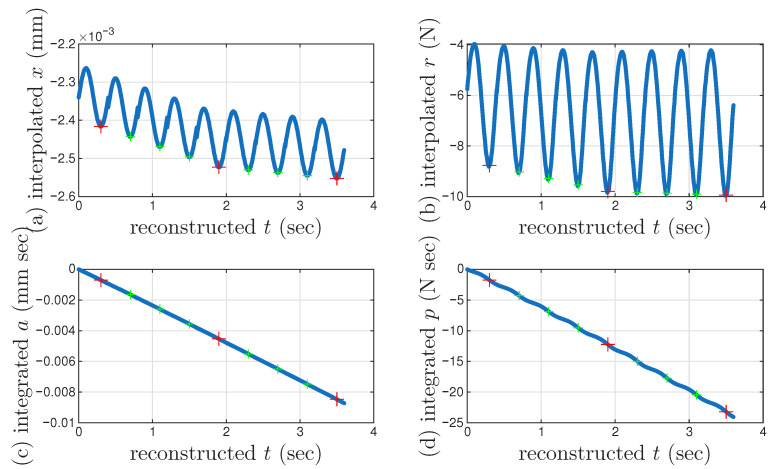 Figure 15
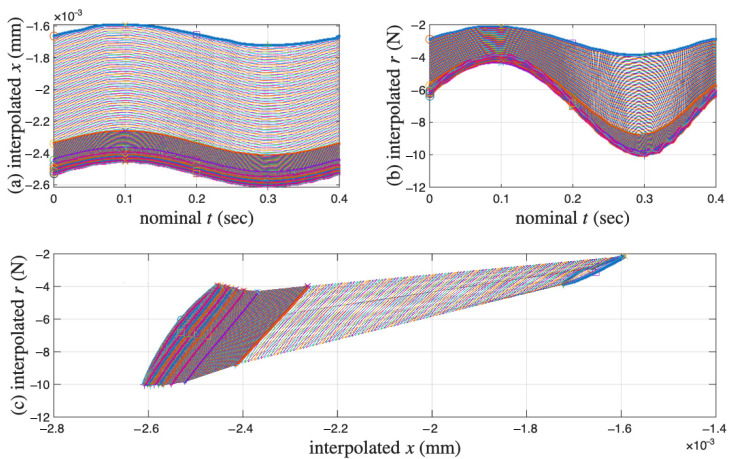 Figure 16
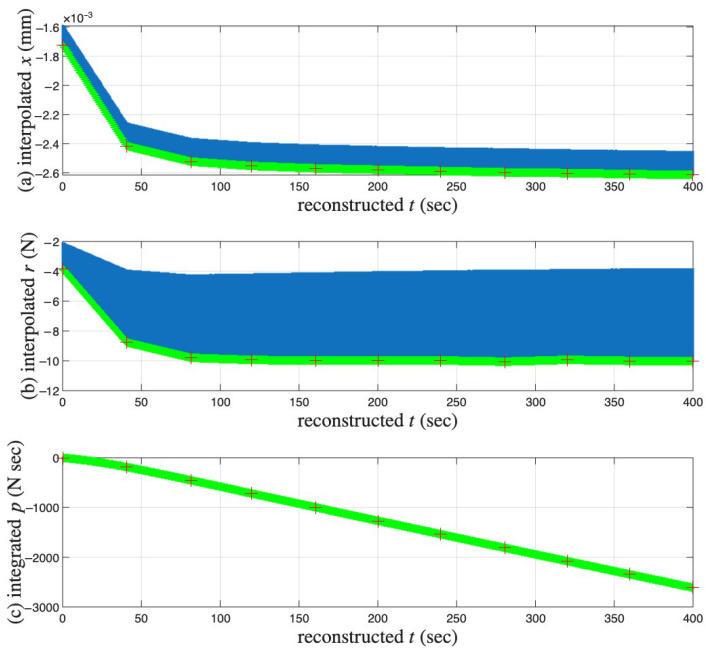 Figure 17
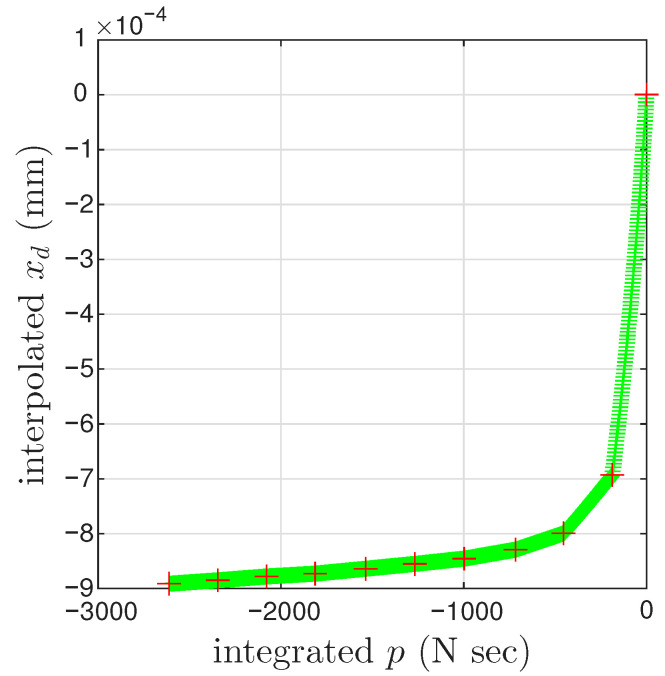 Figure 18
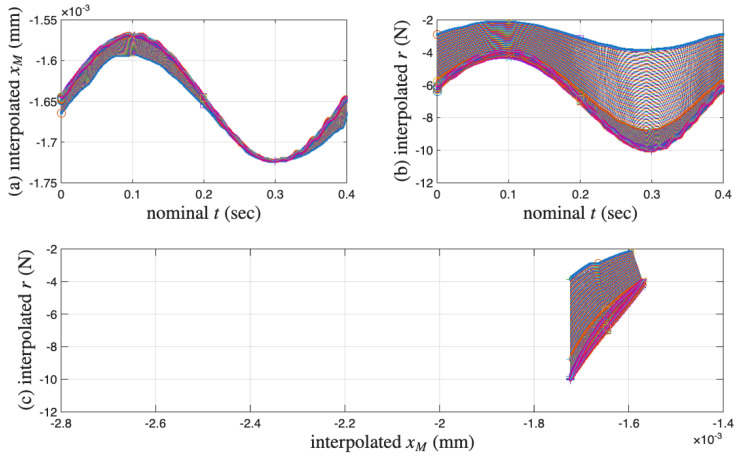 Figure 19
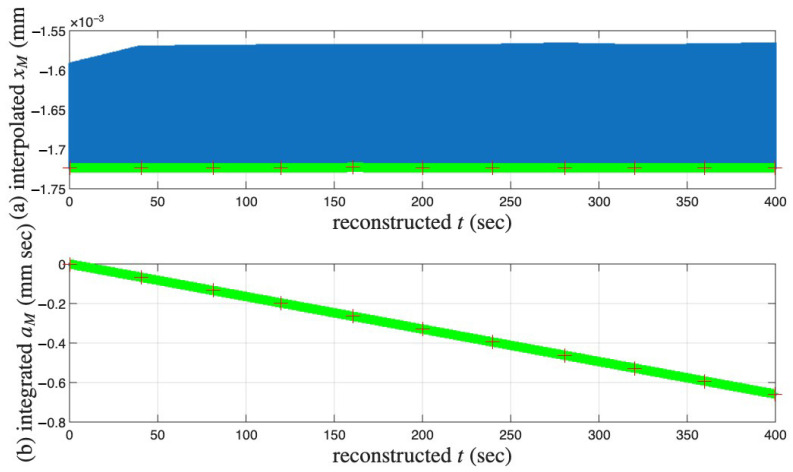 Figure 20
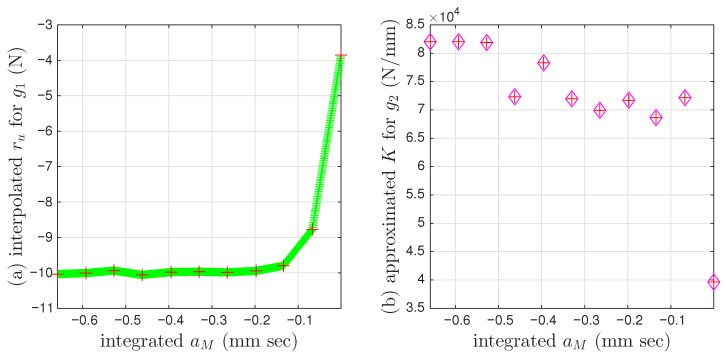 Figure 21
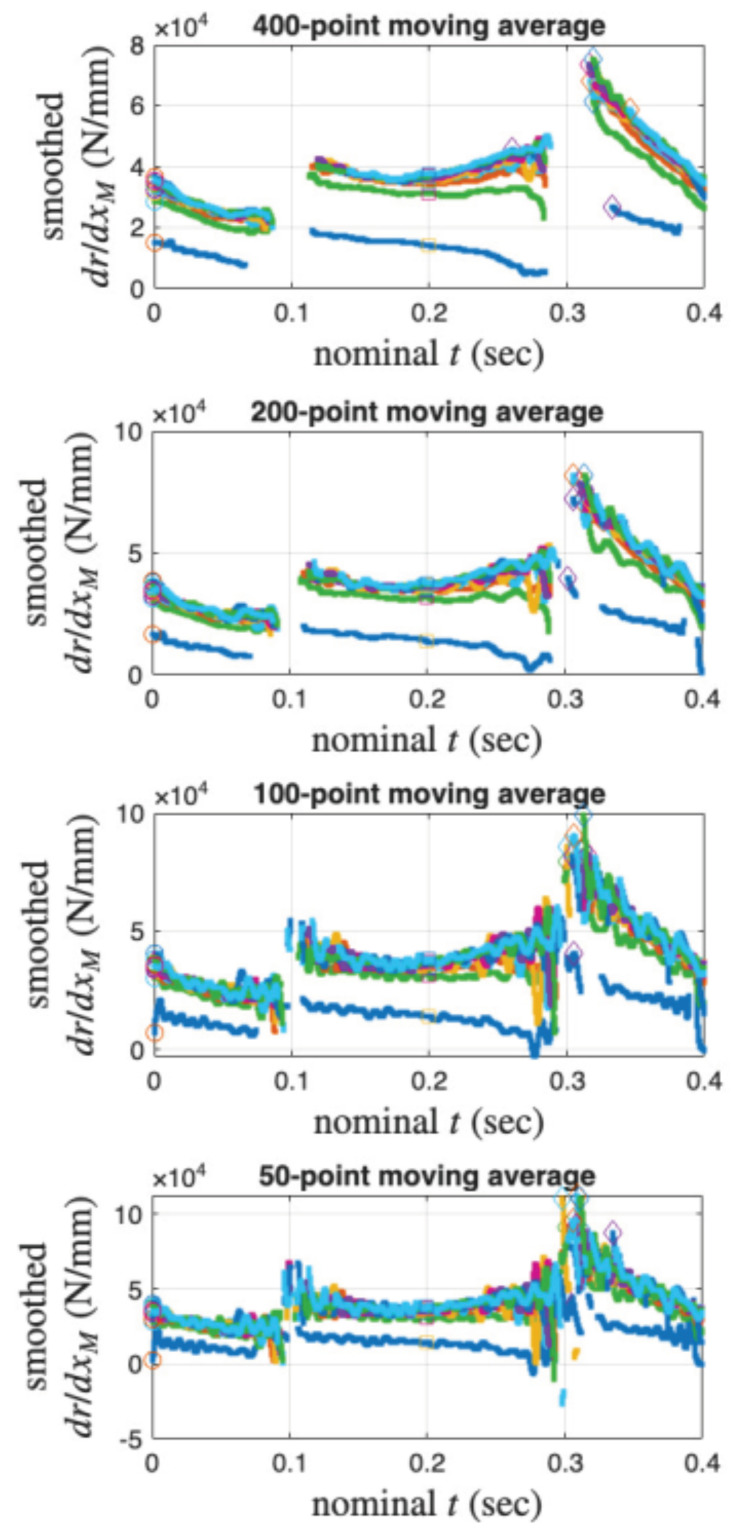 Figure 22
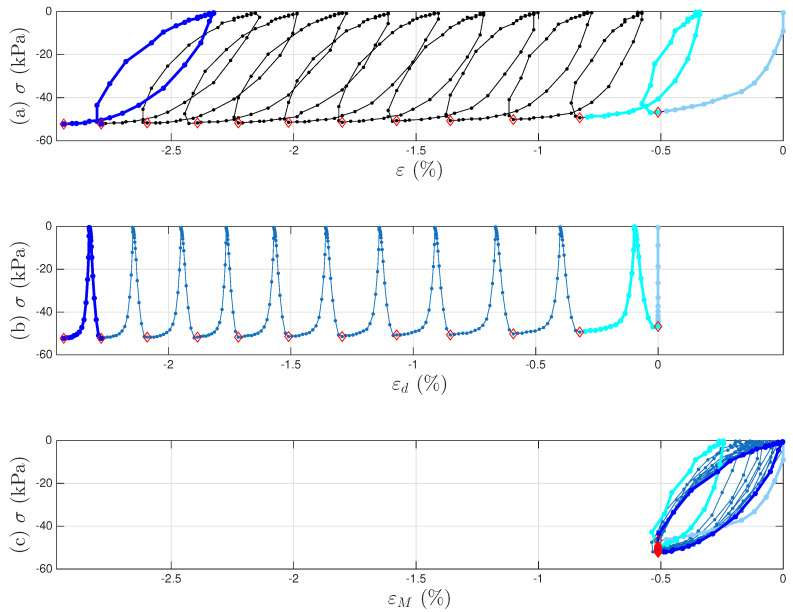 Figure 23
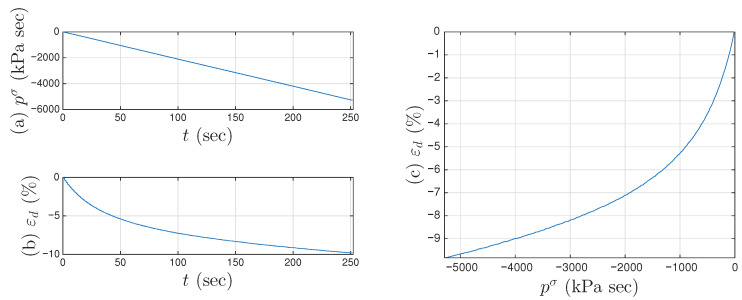 Figure 24
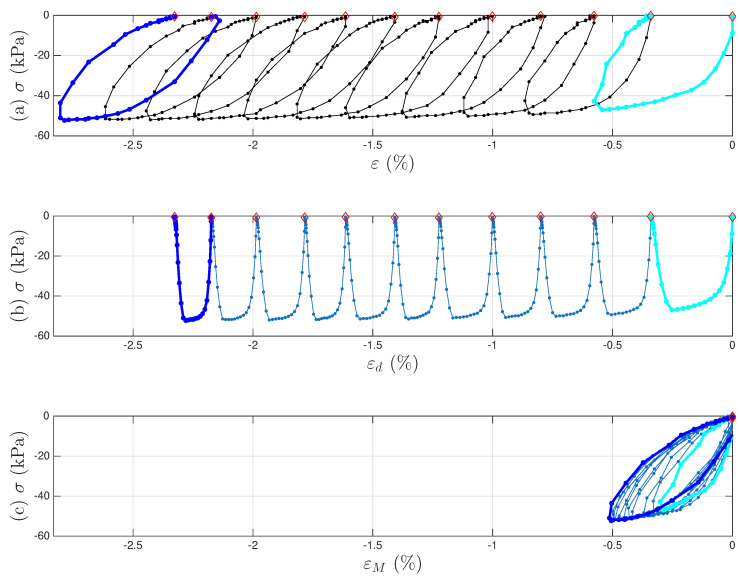 Figure 25
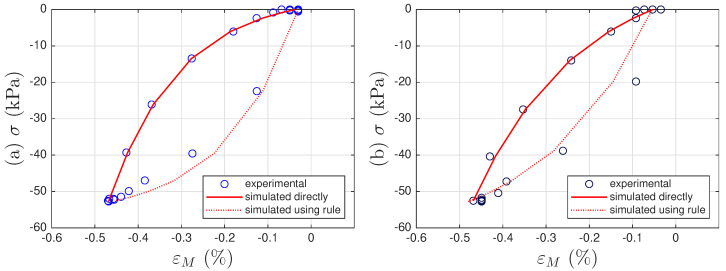 Figure 26
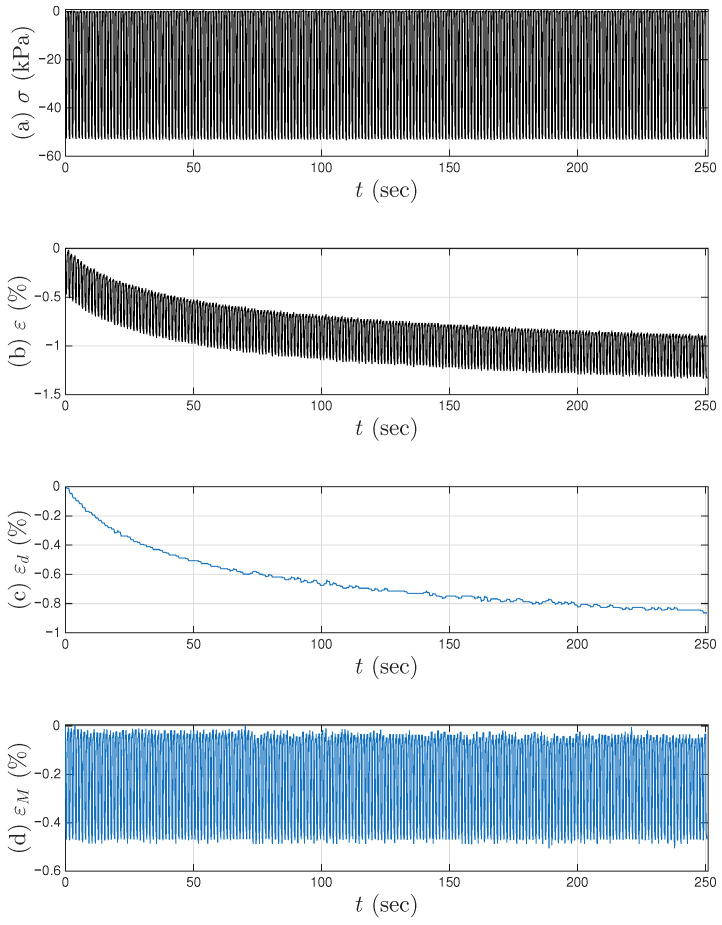 Figure 27
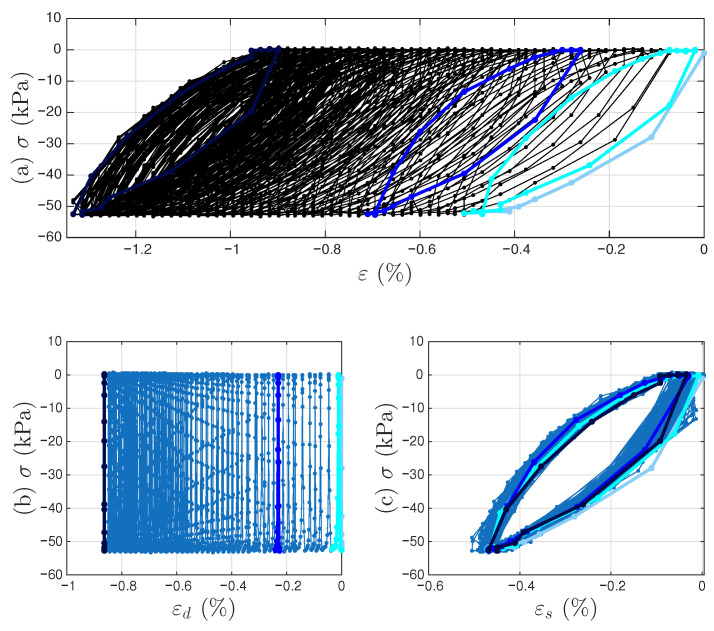 Figure 28
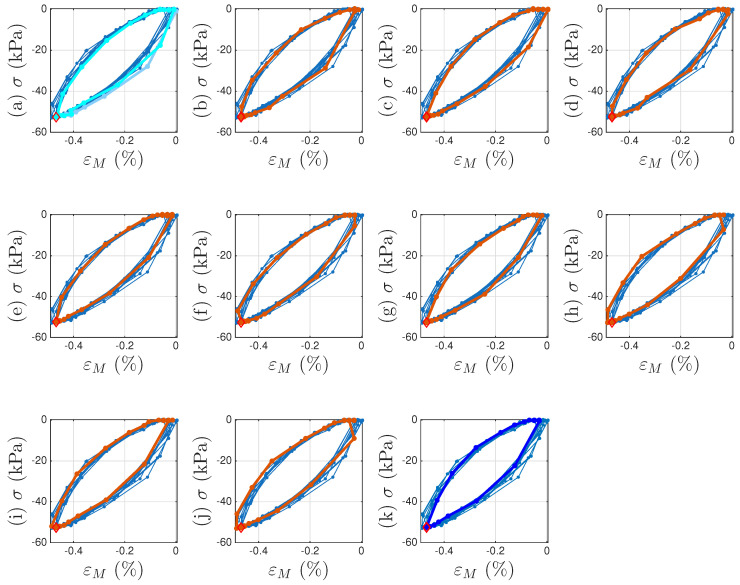 Figure 29
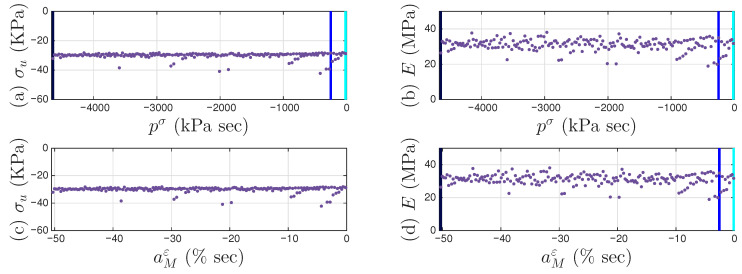 Figure 30
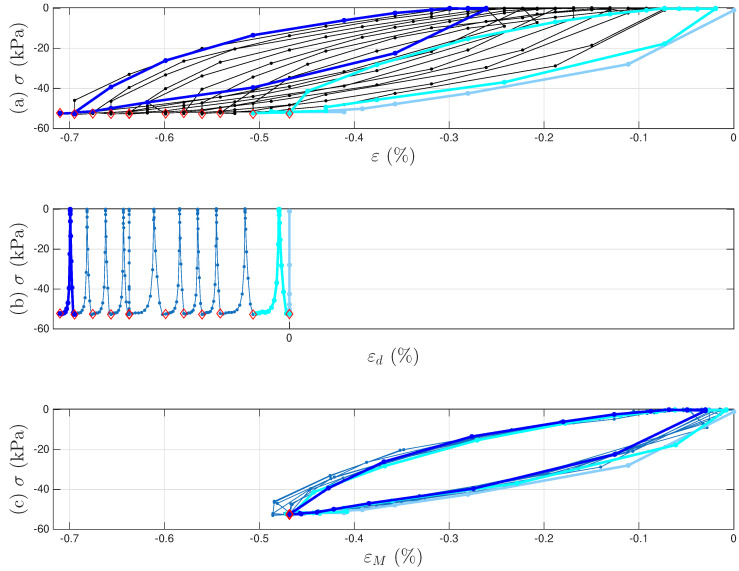 Figure 31
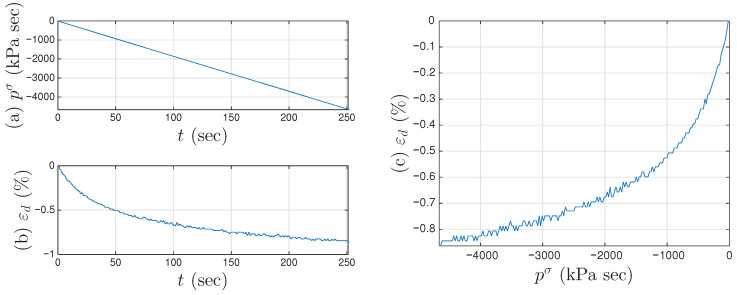 Figure 32
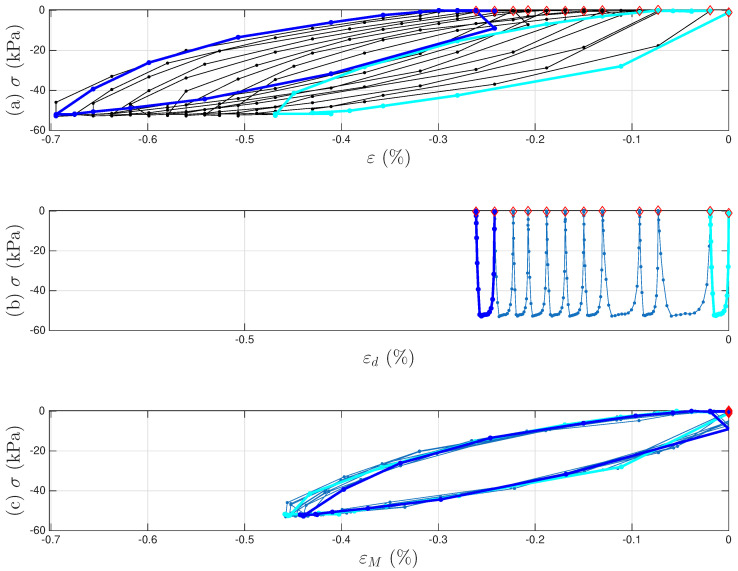 Figure 33
Peer Reviews
No public reviews on file for this paper yet. If you reviewed it on a platform where reviews are public (OpenReview, ICLR, NeurIPS, ICML), you can paste yours below so the community can read it here.
Videos
No videos yet. Explain this paper in a talk, walkthrough, or lecture? Add one.
Taxonomy
TopicsForce Microscopy Techniques and Applications · Adhesion, Friction, and Surface Interactions · Mechanical and Optical Resonators