Safety, Pharmacokinetics, Translational and Molecular Mechanistic Insights on the Prostate Cancer Recurrence Suppressor Pseurotin A
Oliver C. McGehee, Hassan Y. Ebrahim, Sharon Meyer, Nehal A. Ahmed, Chandra Mohan Reddy Muthumula, Dalal Dawud, Judy A. King, Amal Kaddoumi, Khalid A. El Sayed

TL;DR
Pseurotin A is a safe compound that suppresses prostate cancer recurrence by promoting tumor cell death and inhibiting cancer spread.
Contribution
The study provides new insights into the chronic safety and molecular mechanisms of Pseurotin A in suppressing prostate cancer recurrence.
Findings
Pseurotin A showed no major toxicity in 90-day chronic safety tests in mice.
Pseurotin A suppressed prostate cancer recurrence and induced tumor apoptosis.
RNA-sequencing revealed enriched pathways related to ubiquitin-proteasome system and tumor suppression.
Abstract
Elevated cholesterol levels play important mitogenic roles. Pseurotin A (PsA) is a fermentation product that has recently been reported as a dual inhibitor of proprotein convertase subtilisin/kexin type 9 (PCSK9) secretion and protein-protein interaction (PPI) with the LDLR. PsA showed a high acute safety profile and therapeutic potential against metastatic castration-resistant prostate cancer (mCRPC). The study aims to uncover the chronic safety, distribution, and anti-mCRPC genomic and molecular mechanistic insights of PsA. A 90-day chronic safety assessment of PsA up to 80 mg/kg in Swiss albino mice showed no signs of hematological, biochemical, or major organ toxicity. PsA demonstrated rapid intravenous distribution and elimination in Swiss albino mice. PsA is biodistributed to multiple key organs but was not detected in the brain, indicating its inability to cross the blood-brain…
Genes, proteins, chemicals, diseases, species, mutations and cell lines named across the full text — each resolved to its canonical identifier and authoritative record.
Click any figure to enlarge with its caption.
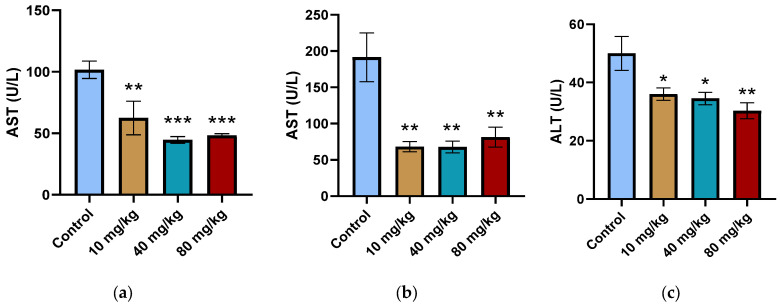 Figure 1
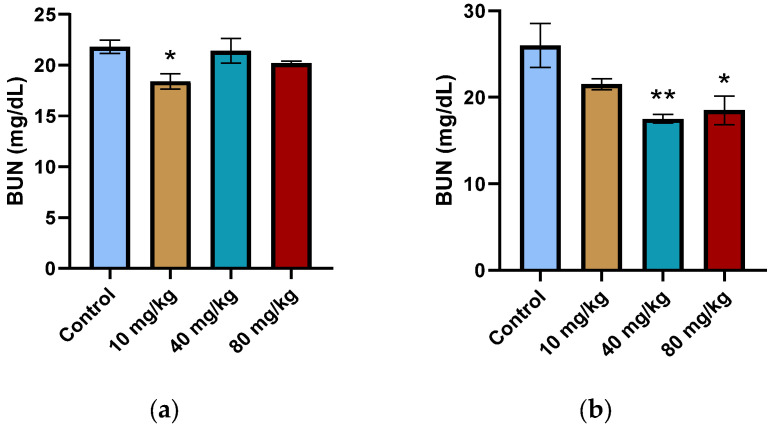 Figure 2
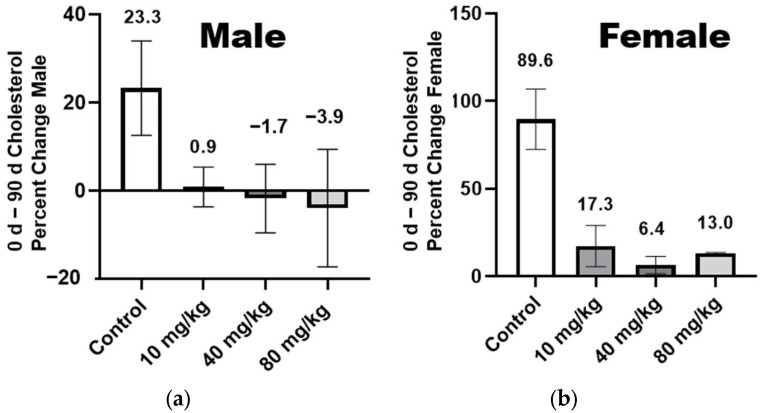 Figure 3
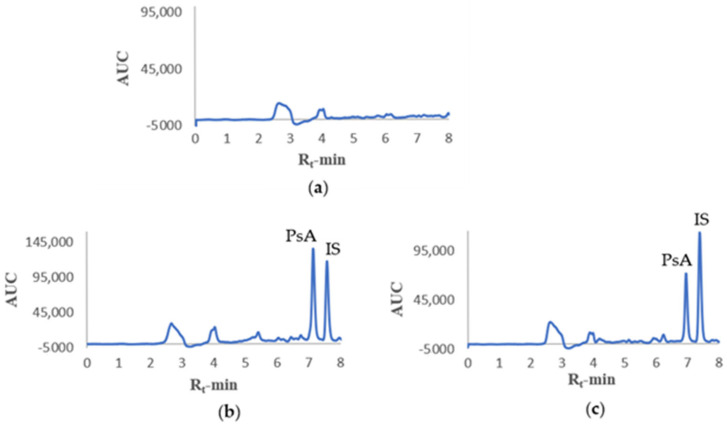 Figure 4
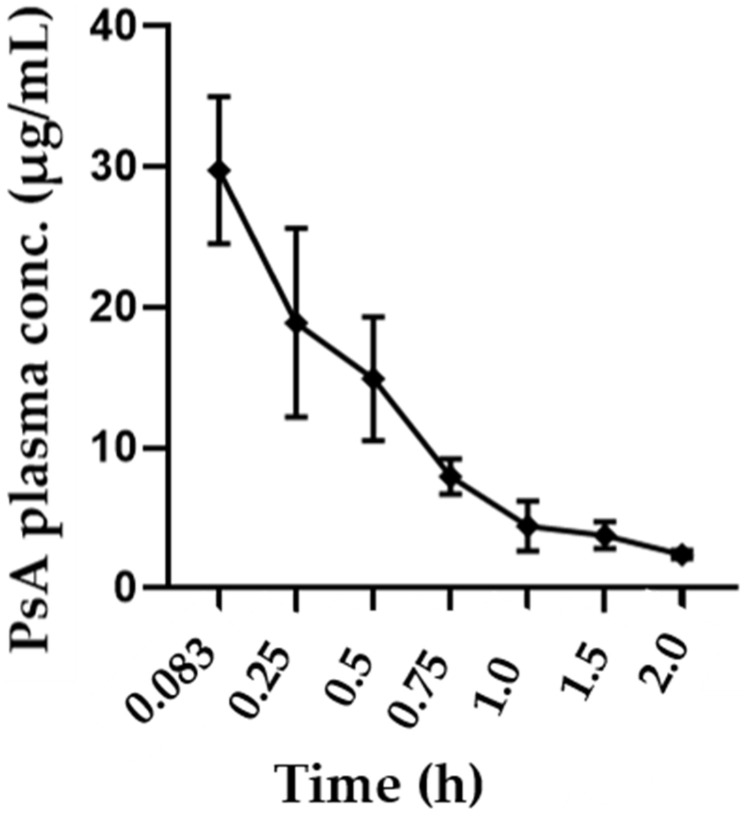 Figure 5
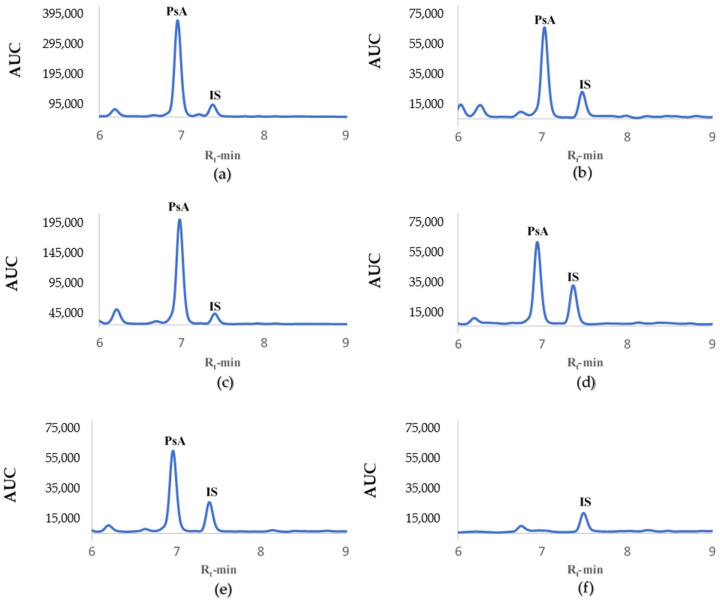 Figure 6
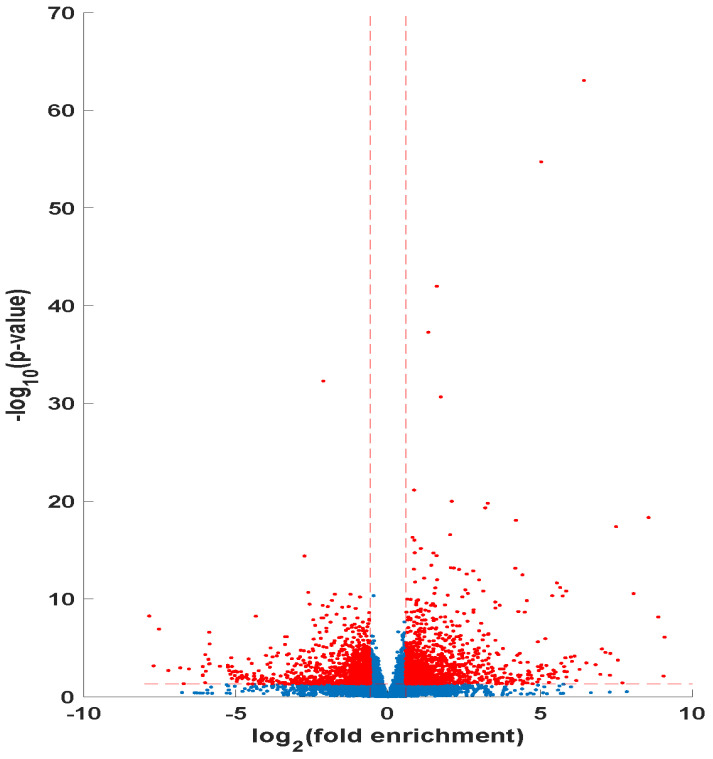 Figure 7
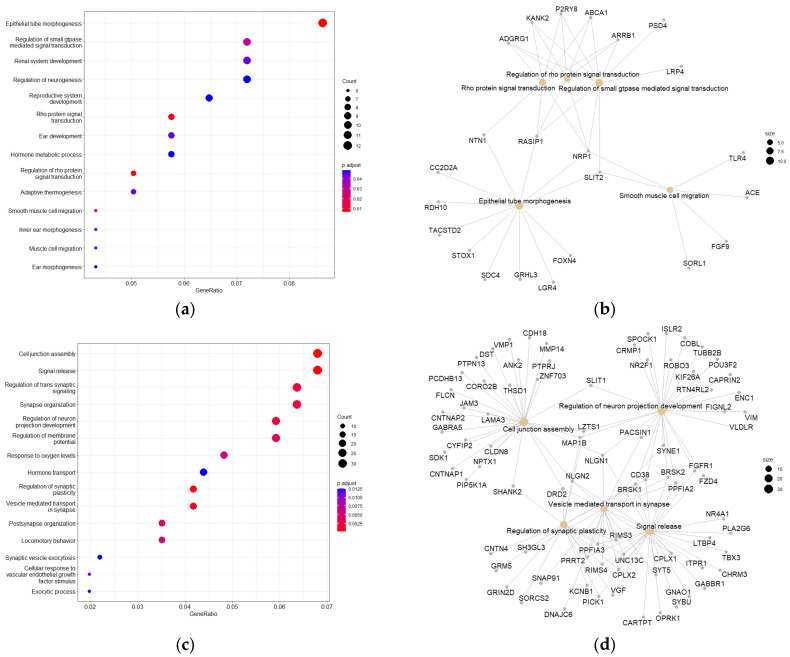 Figure 8
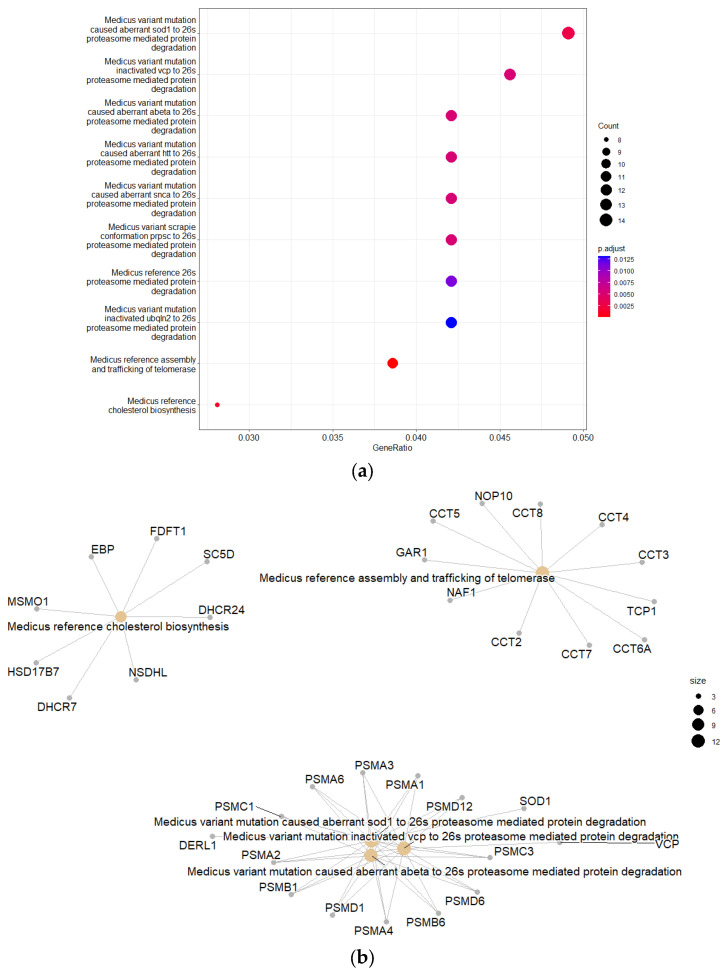 Figure 9
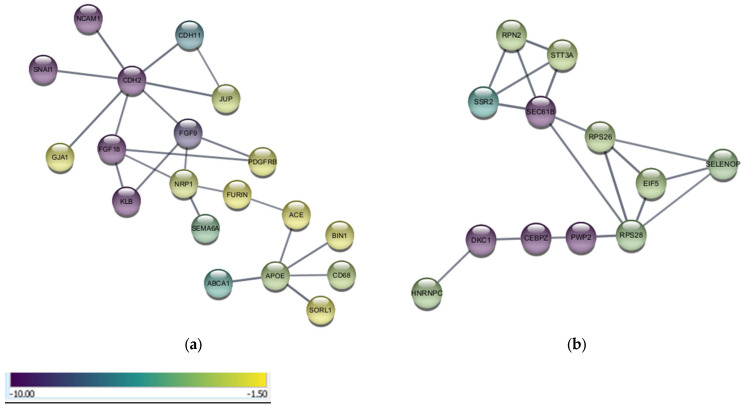 Figure 10
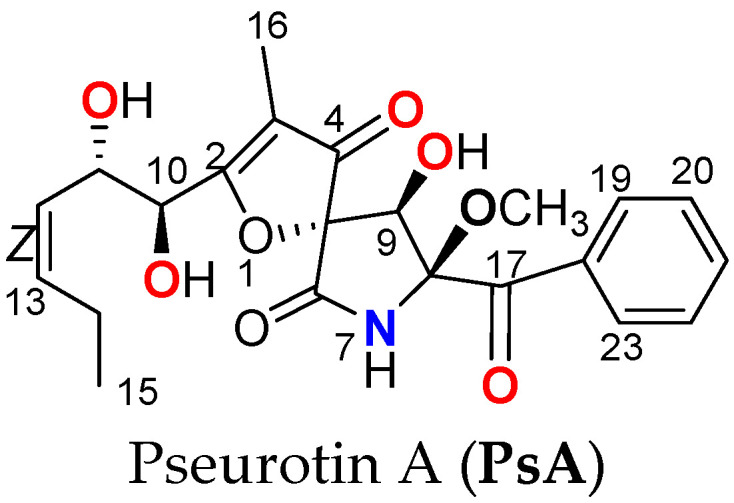 Figure 11
Peer Reviews
No public reviews on file for this paper yet. If you reviewed it on a platform where reviews are public (OpenReview, ICLR, NeurIPS, ICML), you can paste yours below so the community can read it here.
Videos
No videos yet. Explain this paper in a talk, walkthrough, or lecture? Add one.
Taxonomy
TopicsCancer, Lipids, and Metabolism · Prostate Cancer Treatment and Research · 14-3-3 protein interactions