Genome Size Variation Is Associated with Hybrid Vigor in Near-Isogenic Backgrounds in Brassica napus
Rui Wang, Meicui Yang, Haoran Shi, Yun Li, Jin Yang, Wanzhuo Gong, Qiong Zou, Lanrong Tao, Qiaobo Wu, Qin Yu, Hailan Liu, Shaohong Fu

TL;DR
This study shows that variation in genome size among near-isogenic parents in rapeseed is linked to hybrid vigor, offering a new approach to understanding heterosis.
Contribution
The study demonstrates that genome size variation alone can influence heterosis in near-isogenic Brassica napus hybrids.
Findings
Paternal genome size correlates with heterosis for thousand-seed weight and plot yield.
Genomic resequencing revealed yield-related heterosis is more pronounced on specific chromosomes.
Doubled haploid induction provides a novel method for studying heterosis in Brassica napus.
Abstract
Although heterosis plays a crucial role in enhancing crop yield and stress resistance, its underlying genetic mechanism remains not yet fully understood. Previous studies have shown that heterosis tends to increase with greater genetic distance in the absence of reproductive isolation barriers. However, whether variation in parental genome size alone can generate heterosis under near-isogenic backgrounds has not been thoroughly explored. Here, we used a rapeseed double haploid (DH) inducer line to generate progeny from the Pol CMS three-line hybrid Rongyou 18 (RY18). Although the progeny maintained the same ploidy level as the parents, their genome sizes showed notable variation (818.99–1024.88 Mb). To eliminate genetic distance effects, multiple DH progeny carrying restorer genes were crossed as paternal parents with the female parent 0068A of RY18, creating novel F1 hybrids. Using…
Genes, proteins, chemicals, diseases, species, mutations and cell lines named across the full text — each resolved to its canonical identifier and authoritative record.
Click any figure to enlarge with its caption.
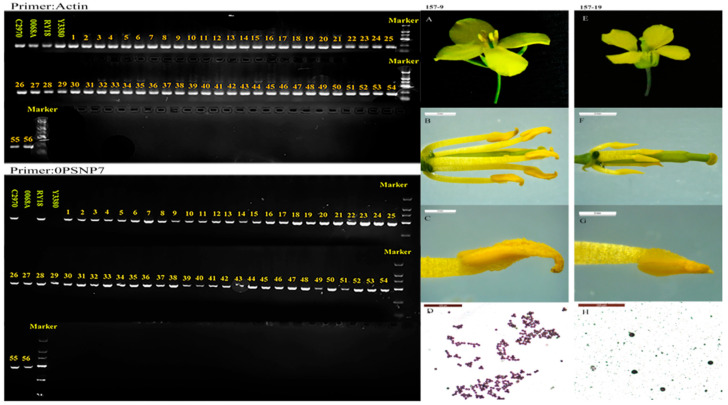 Figure 1
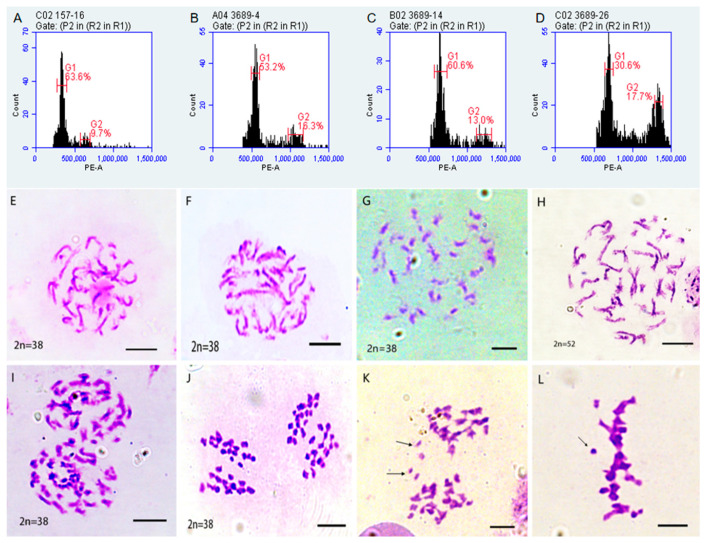 Figure 2
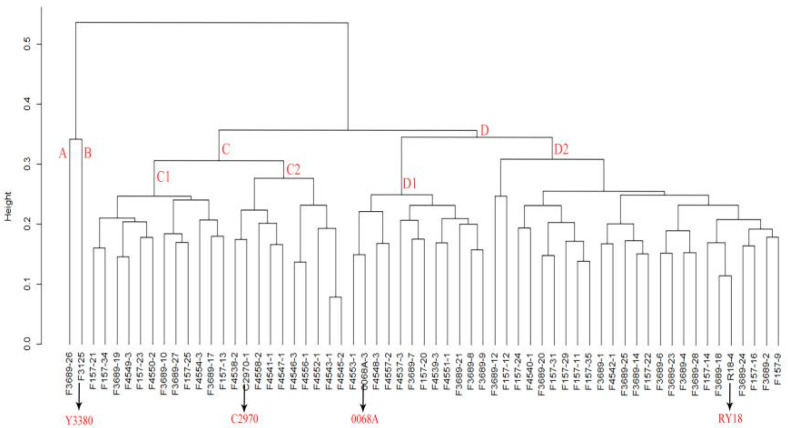 Figure 3
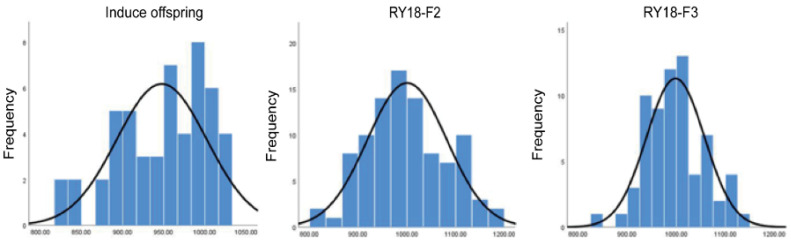 Figure 4
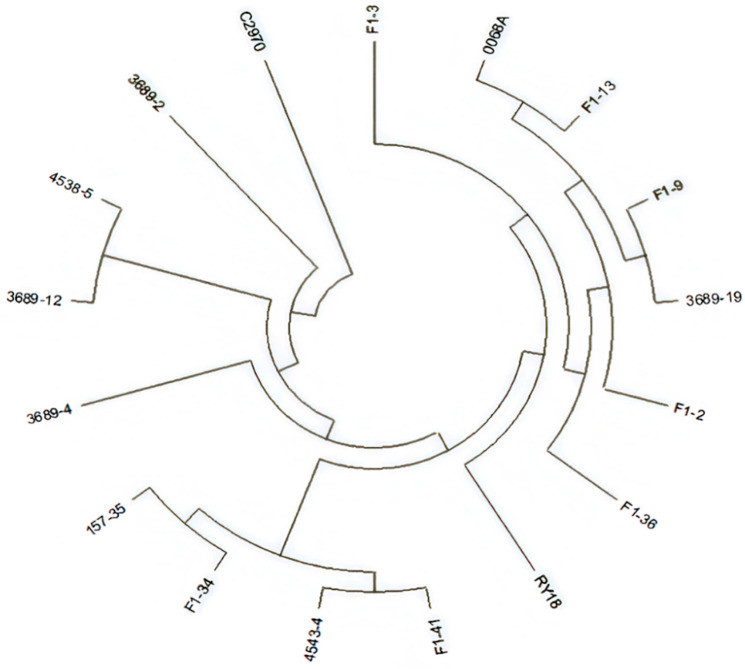 Figure 5
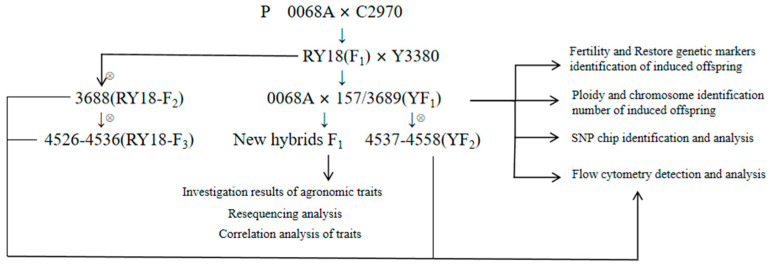 Figure 6
Peer Reviews
No public reviews on file for this paper yet. If you reviewed it on a platform where reviews are public (OpenReview, ICLR, NeurIPS, ICML), you can paste yours below so the community can read it here.
Videos
No videos yet. Explain this paper in a talk, walkthrough, or lecture? Add one.
Taxonomy
TopicsChromosomal and Genetic Variations · Genetic Mapping and Diversity in Plants and Animals · Genetic diversity and population structure