Anti-Helicobacter pylori Activity and Gastroprotective Effects of Diacetylcurcumin and Four Metal Derivatives
Almanelly Agabo-Martínez, Erika Gomez-Chang, Erick Hernández-Hipólito, Elizabet Estrada-Muñiz, Carolina Escobedo-Martínez, Marco A. Obregón-Mendoza, Raúl G. Enríquez, Libia Vega, Irma Romero

TL;DR
This study explores the anti-H. pylori and stomach-protecting effects of diacetylcurcumin and its metal derivatives, finding that copper and zinc complexes show strong potential as new treatments.
Contribution
The study introduces DAC2-Cu and DAC2-Zn as novel metal derivatives with effective anti-H. pylori activity and gastroprotective properties.
Findings
DAC2-Cu and DAC2-Zn inhibit H. pylori growth and urease activity effectively.
These compounds provided 70% gastroprotection in an ethanol-induced ulcer model.
They showed no toxicity in subacute toxicity tests in mice.
Abstract
Helicobacter pylori is the main etiological factor of gastritis, peptic ulcers, and gastric cancer. This bacterium’s antibiotic resistance has led to a lower eradication rate; therefore, new drugs with anti-H. pylori activity are needed. Curcumin exhibits multiple biological activities, but it has low stability and poor bioavailability. To overcome these disadvantages, different metal complexes have been synthesized. The objective of this study was to determine the in vitro anti-H. pylori activity of diacetylcurcumin (DAC), DAC2-Cu, DAC2-Zn, DAC2-Mn, and DAC2-Mg by obtaining the minimum inhibitory concentration of bacterial growth, and to investigate some mechanisms by which they could affect the bacteria (urease and DNA gyrase activities). Moreover, their gastroprotective potential was assayed in an ethanol-induced gastric ulcer model in mice. The results showed that DAC2-Cu and…
Genes, proteins, chemicals, diseases, species, mutations and cell lines named across the full text — each resolved to its canonical identifier and authoritative record.
Click any figure to enlarge with its caption.
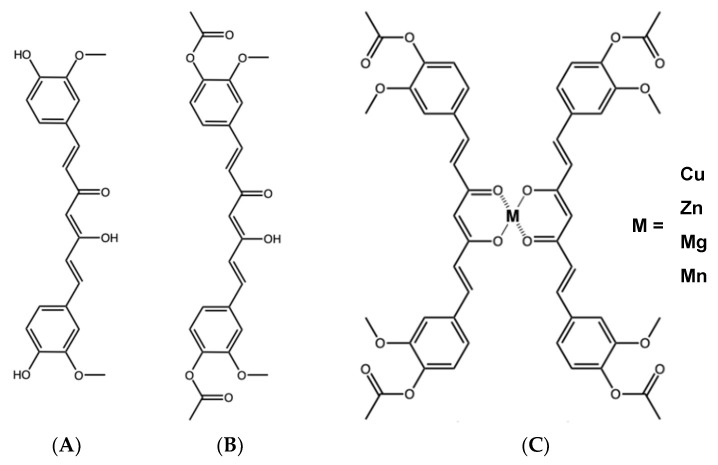 Figure 1
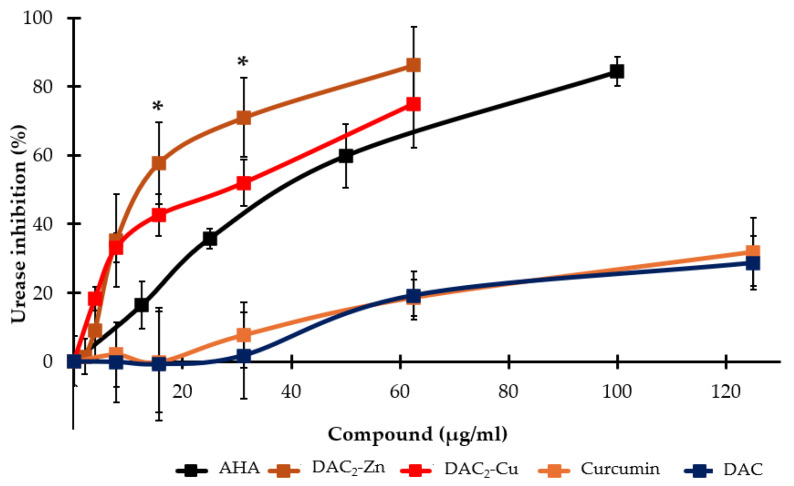 Figure 2
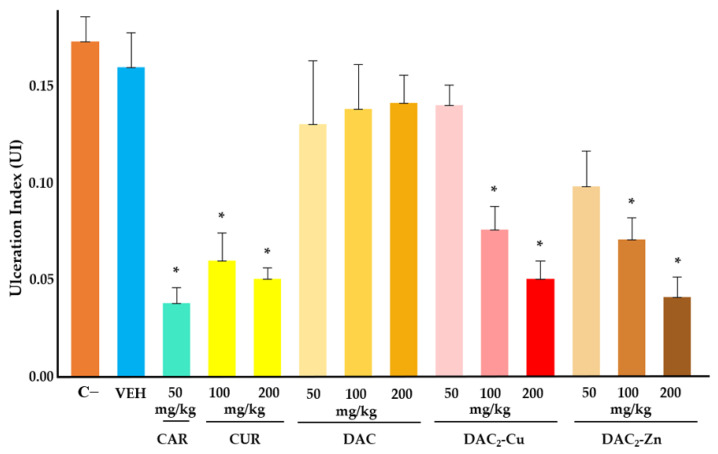 Figure 3
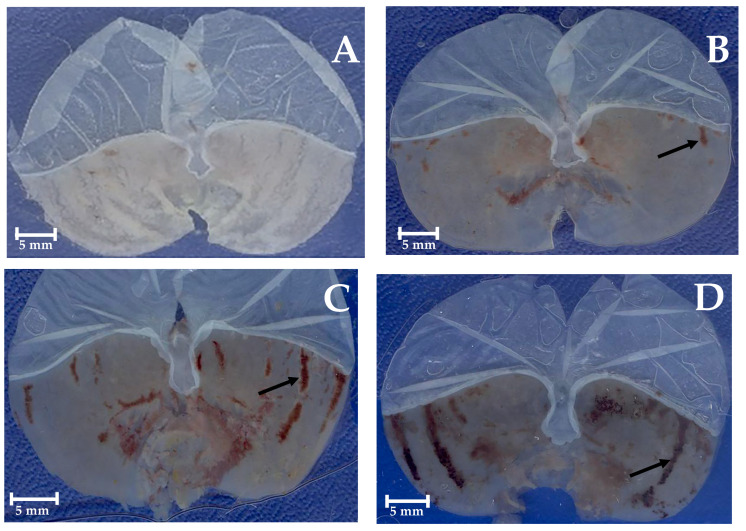 Figure 4
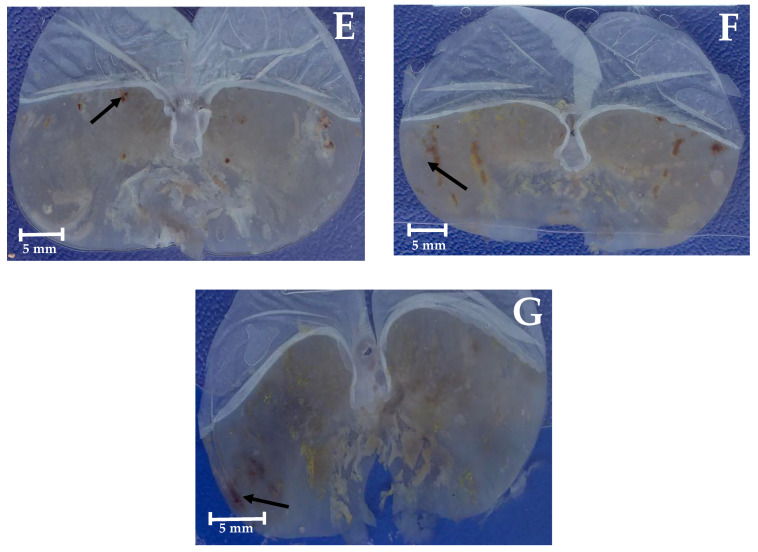 Figure 5
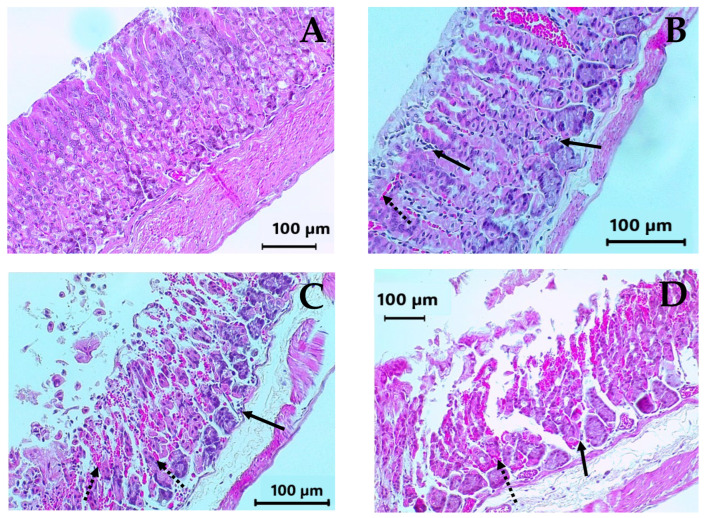 Figure 6
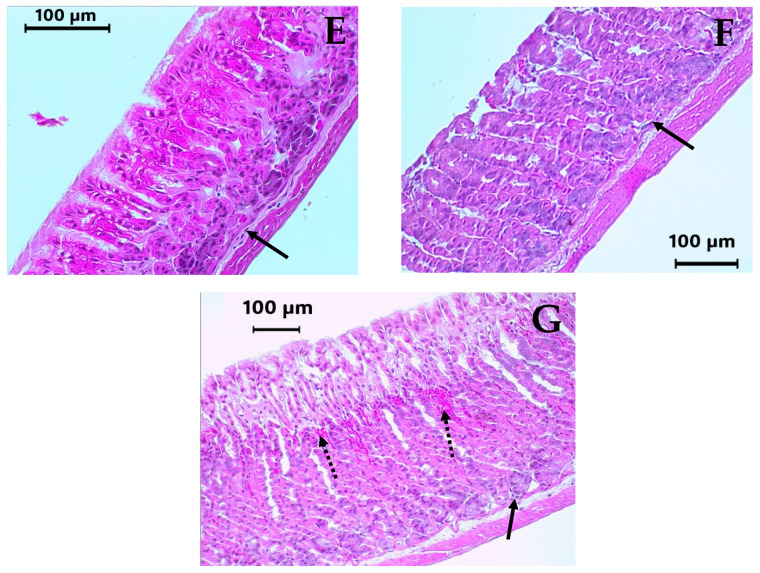 Figure 7
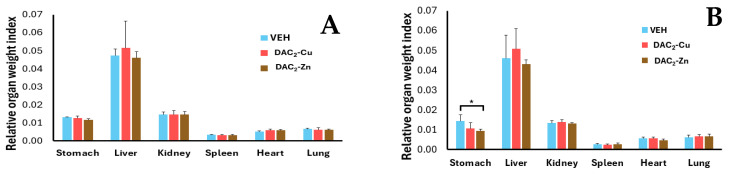 Figure 8
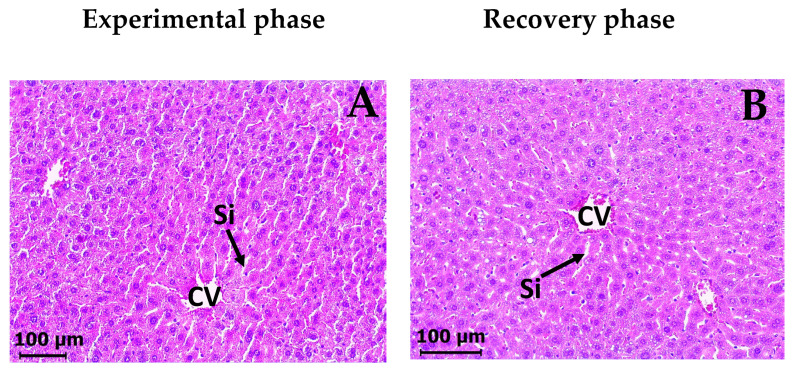 Figure 9
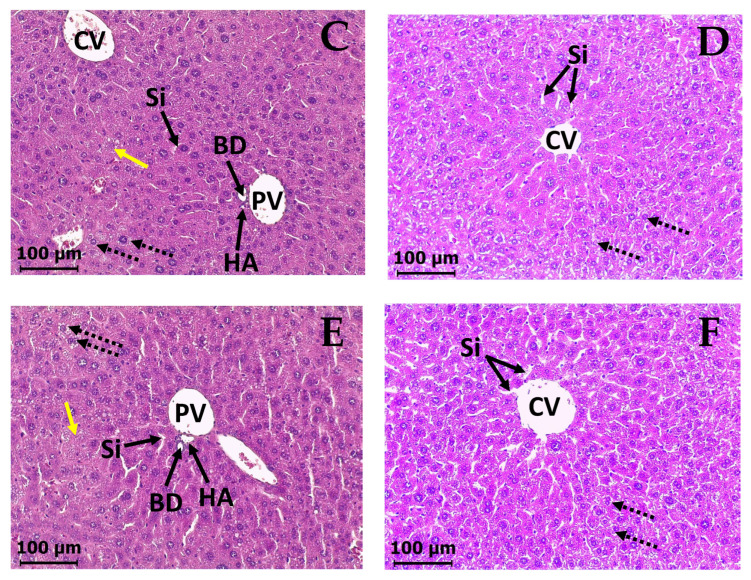 Figure 10
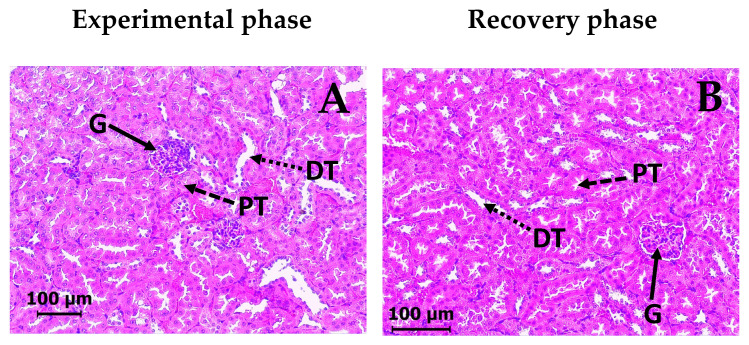 Figure 11
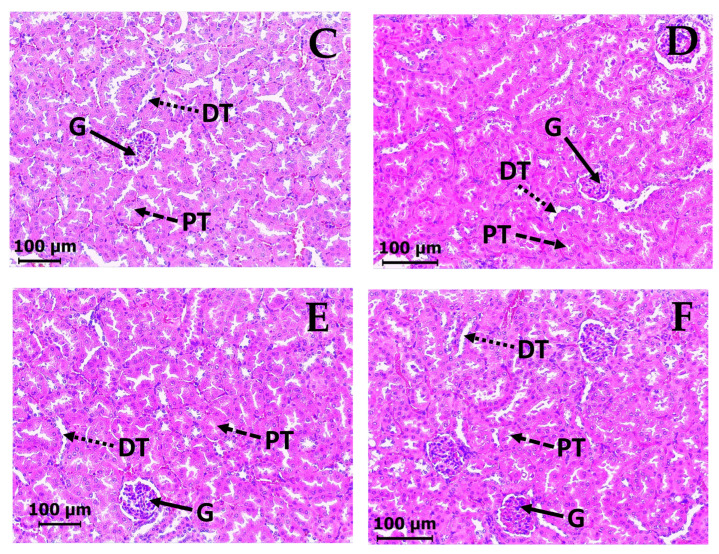 Figure 12
Peer Reviews
No public reviews on file for this paper yet. If you reviewed it on a platform where reviews are public (OpenReview, ICLR, NeurIPS, ICML), you can paste yours below so the community can read it here.
Videos
No videos yet. Explain this paper in a talk, walkthrough, or lecture? Add one.
Taxonomy
TopicsHelicobacter pylori-related gastroenterology studies · Microbial Applications in Construction Materials · Curcumin's Biomedical Applications