Direct Cyclization/Chlorination Strategy of Hydrazines for Synthesis of 4-Chloropyrazoles by TCCA
Qingfu Deng, Chenglong Ma, Liangzhen Hu, Yan Xiong

TL;DR
A new method for making 4-chloropyrazoles from hydrazines using TCCA under mild conditions is introduced, achieving high yields.
Contribution
A novel direct cyclization/chlorination strategy using TCCA for synthesizing 4-chloropyrazoles is proposed.
Findings
The method uses TCCA as both oxidant and chlorinating agent under mild conditions.
The reaction yields for desired products reached up to 92%.
The substrate generality was investigated after optimizing reaction conditions.
Abstract
A new method for synthesis of various 4-chloropyrazoles through the direct cyclization/chlorination of hydrazines by using 1,3,5-trichloroisocyanuric acid (TCCA) as both oxidant and chlorinating agent under mild conditions has been proposed. Based on the detailed optimization of the reaction conditions, the substrate generality has been investigated, and the yields of the desired products are up to 92%.
Genes, proteins, chemicals, diseases, species, mutations and cell lines named across the full text — each resolved to its canonical identifier and authoritative record.
Click any figure to enlarge with its caption.
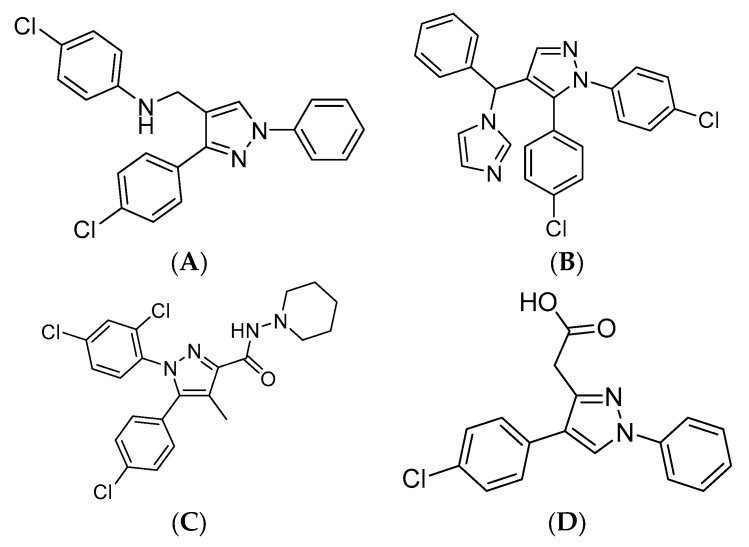 Figure 1
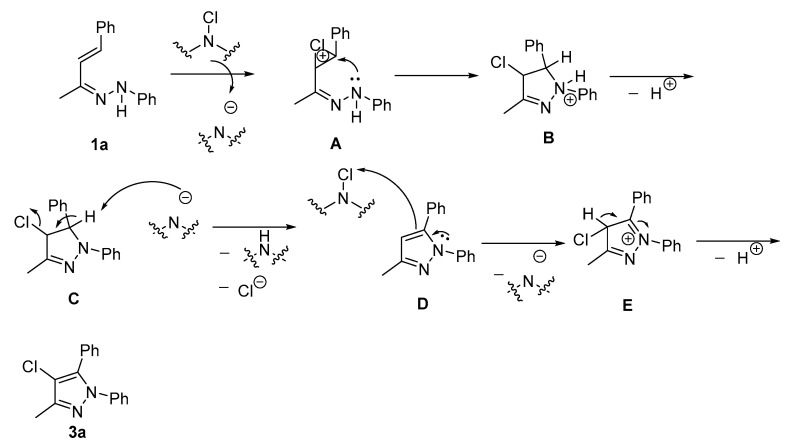 Figure 2
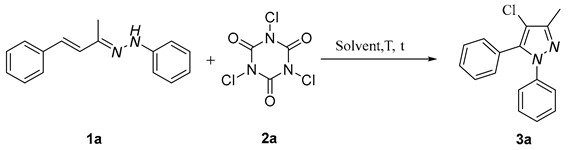 Figure 3
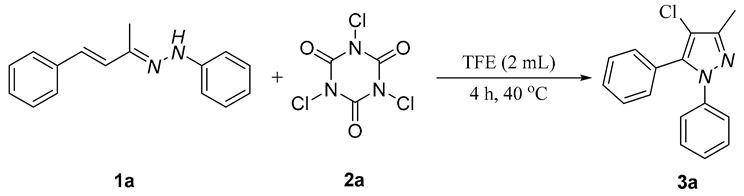 Figure 4
 Figure 5
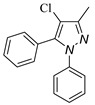 Figure 6
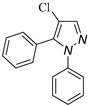 Figure 7
 Figure 8
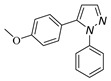 Figure 9
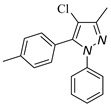 Figure 10
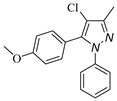 Figure 11
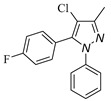 Figure 12
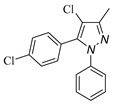 Figure 13
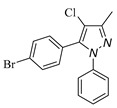 Figure 14
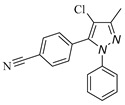 Figure 15
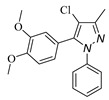 Figure 16
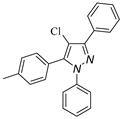 Figure 17
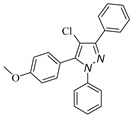 Figure 18
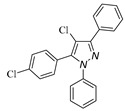 Figure 19
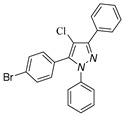 Figure 20
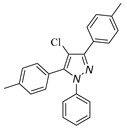 Figure 21
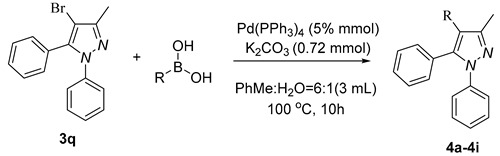 Figure 22
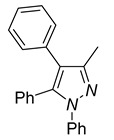 Figure 23
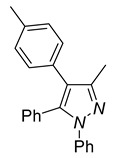 Figure 24
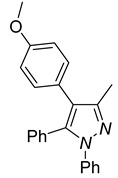 Figure 25
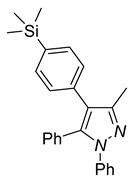 Figure 26
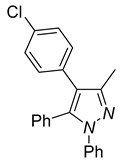 Figure 27
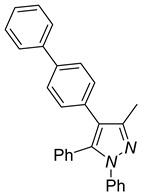 Figure 28
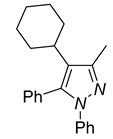 Figure 29
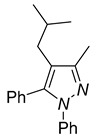 Figure 30
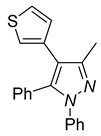 Figure 31
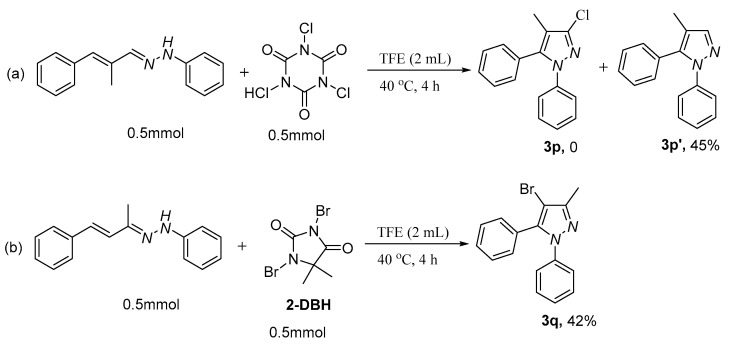 Figure 32
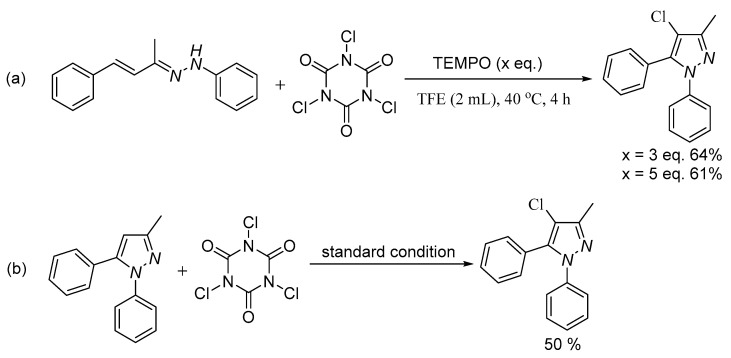 Figure 33
Peer Reviews
No public reviews on file for this paper yet. If you reviewed it on a platform where reviews are public (OpenReview, ICLR, NeurIPS, ICML), you can paste yours below so the community can read it here.
Videos
No videos yet. Explain this paper in a talk, walkthrough, or lecture? Add one.
Taxonomy
TopicsOxidative Organic Chemistry Reactions · Synthesis and Biological Evaluation · Vanadium and Halogenation Chemistry