Pharmacokinetic Profile of Extracts from the Chayote (Sechium edule) H387 07 Hybrid and Phytochemical Characterization of Its Segregant H387 M16 for Potential Therapeutic Applications
Eugenia Elisa Delgado-Tiburcio, Ramón Marcos Soto-Hernández, Itzen Aguiñiga-Sánchez, Jorge Cadena-Iñiguez, Lucero del Mar Ruiz-Posadas, Cecilia B. Peña-Valdivia, Héctor Gómez-Yáñez

TL;DR
This study explores the absorption and effects of chayote extracts in mice, identifying key compounds that may support future drug development.
Contribution
The study reports novel pharmacokinetic data for cucurbitacins and identifies CuIIA in plasma for the first time.
Findings
Cucurbitacin B (CuB) reached a maximum plasma concentration of 37.56 µg/mL after 1 hour at 125 mg/kg dose.
Cucurbitacin IIA (CuIIA) was detected in plasma for the first time, along with other compounds like apigenin and phloretin.
Segregant H387 M16 showed high antioxidant activity (75% at 1 mg/mL) and rich phytochemical content.
Abstract
The hybrid Sechium edule H387 07, commonly known as chayote, has shown potential as an antiproliferative, cytotoxic, and pro-apoptotic agent in the murine leukemia cell lines P388 (macrophagic) and J774 (monocytic) and in the myelomonocytic leukemia cell line WEHI-3. However, despite these reported bioactivities, its pharmacokinetic profile remains largely unexplored. Understanding the absorption, distribution, and elimination of this hybrid is critical for addressing unmet therapeutic needs and for advancing the development of natural product-based therapies. These effects are attributed to the presence of phenols, flavonoids, and cucurbitacins in its organic extracts. In this study, the pharmacokinetic parameters of secondary metabolites from methanolic extracts of Sechium H387 07 were evaluated after oral administration in mice, while its segregant H387 M16 was subjected to…
Genes, proteins, chemicals, diseases, species, mutations and cell lines named across the full text — each resolved to its canonical identifier and authoritative record.
Click any figure to enlarge with its caption.
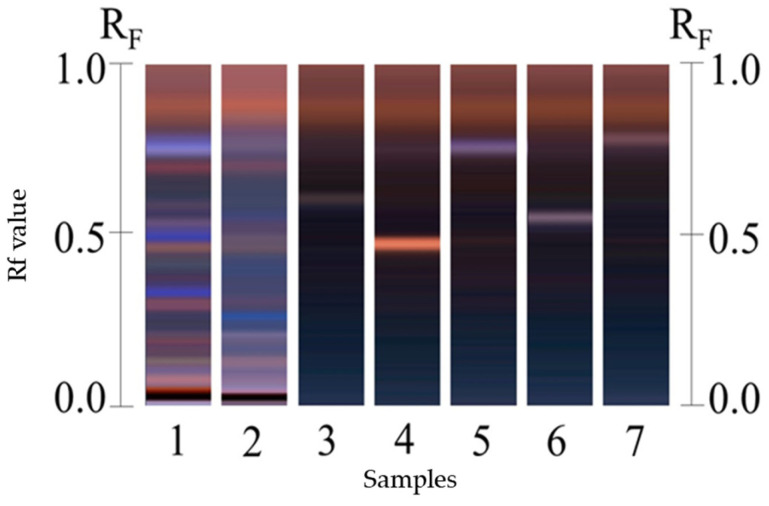 Figure 1
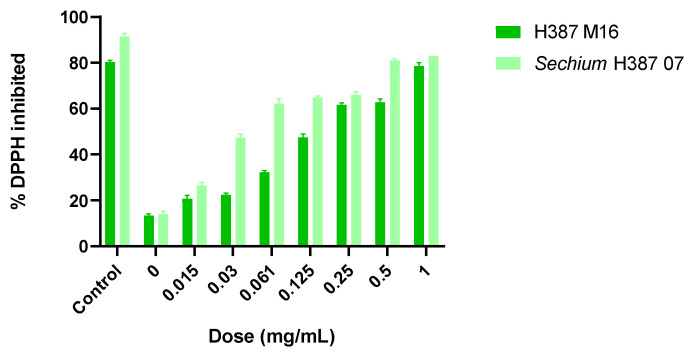 Figure 2
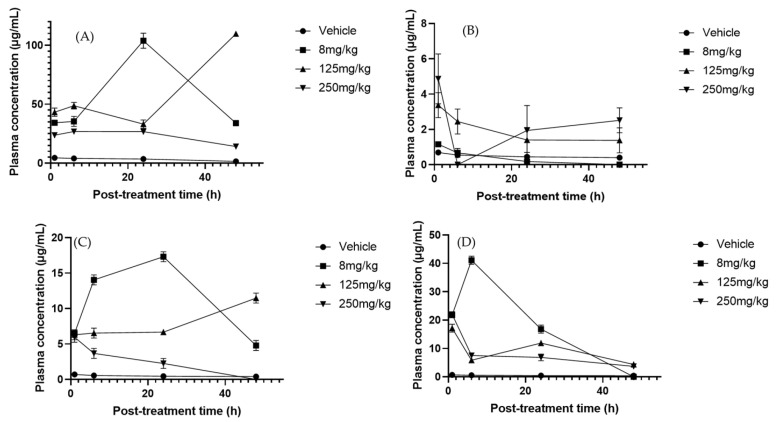 Figure 3
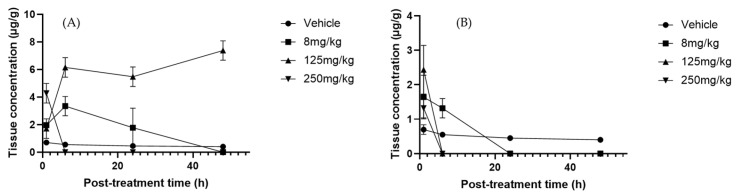 Figure 4
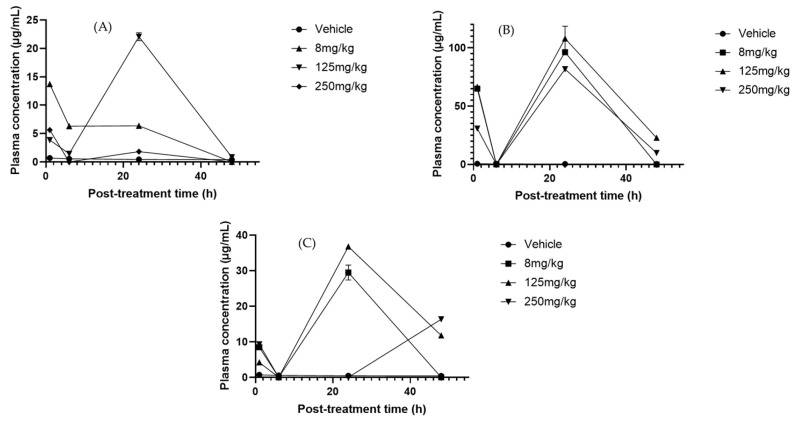 Figure 5
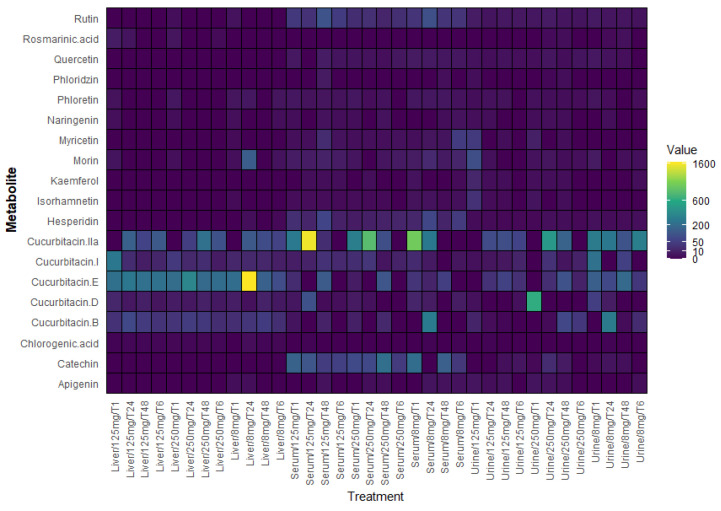 Figure 6
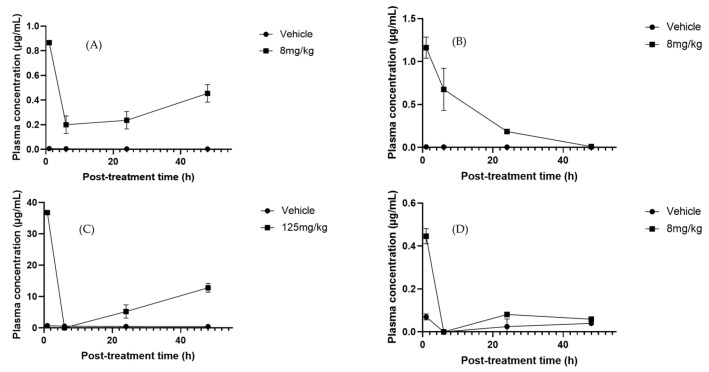 Figure 7
Peer Reviews
No public reviews on file for this paper yet. If you reviewed it on a platform where reviews are public (OpenReview, ICLR, NeurIPS, ICML), you can paste yours below so the community can read it here.
Videos
No videos yet. Explain this paper in a talk, walkthrough, or lecture? Add one.
Taxonomy
TopicsAdvances in Cucurbitaceae Research · Ethnobotanical and Medicinal Plants Studies · Natural product bioactivities and synthesis