The Regulation of the Albomycin and Desferrioxamine E Biosynthesis in Streptomyces globisporus bja209
Julia A. Buyuklyan, Mikhail V. Biryukov, Yulia V. Zakalyukina, Artemy A. Sacharov

TL;DR
This paper explores how two antibacterial compounds are produced in a specific soil bacterium and how their production is influenced by environmental factors like iron.
Contribution
The study reveals the regulation of albomycin and desferrioxamine E biosynthesis in Streptomyces globisporus bja209 and their unique antibacterial properties.
Findings
Desferrioxamine E production is regulated by iron concentration and shows narrow antagonistic activity.
Albomycin biosynthesis is restricted to specific S. globisporus strains and not found in other Streptomycetes.
The C-1027 biosynthetic gene cluster is located on a large linear plasmid in S. globisporus bja209.
Abstract
We identified Streptomyces globisporus bja209 through a targeted screen of actinomycetes from natural habitats using an E. coli JW5503 ΔtolC DualRep2(c) reporter strain. This strain produced antibacterial compounds whose action depended on the growth medium. HPLC-MS and genomic analysis revealed two metabolites: albomycin δ2 (a translation inhibitor) and desferrioxamine E. The latter induced the SOS response. Desferrioxamine E exhibited a narrow spectrum of antagonistic activity against carbapenem-resistant A. baumannii and C. michiganensis, and its production was critically regulated by iron concentration. Notably, the structurally similar desferrioxamine B was inactive. Contrary to previous reports, pangenome analysis of published GenBank genomes revealed that albomycin BGC is restricted to specific S. globisporus strains and not present in other Streptomycetes phylogenetic clades.…
Genes, proteins, chemicals, diseases, species, mutations and cell lines named across the full text — each resolved to its canonical identifier and authoritative record.
Click any figure to enlarge with its caption.
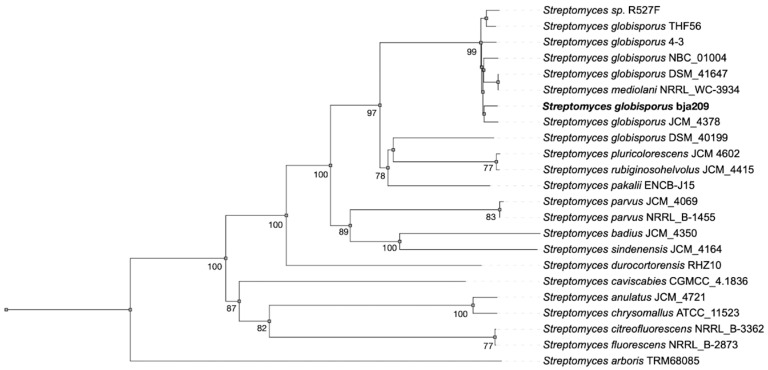 Figure 1
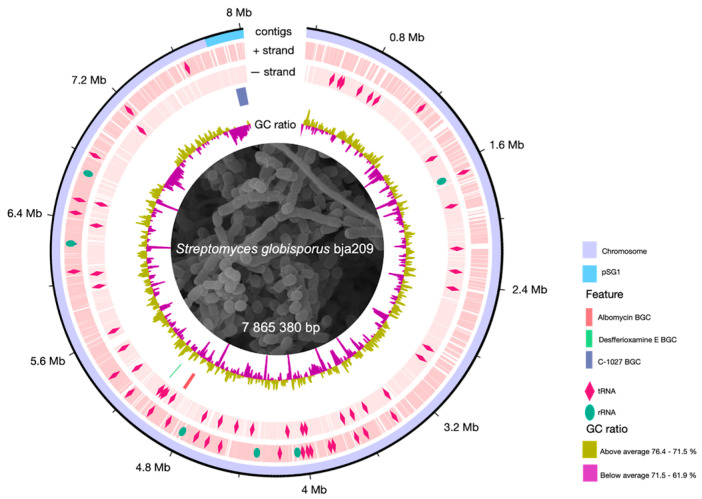 Figure 2
 Figure 3
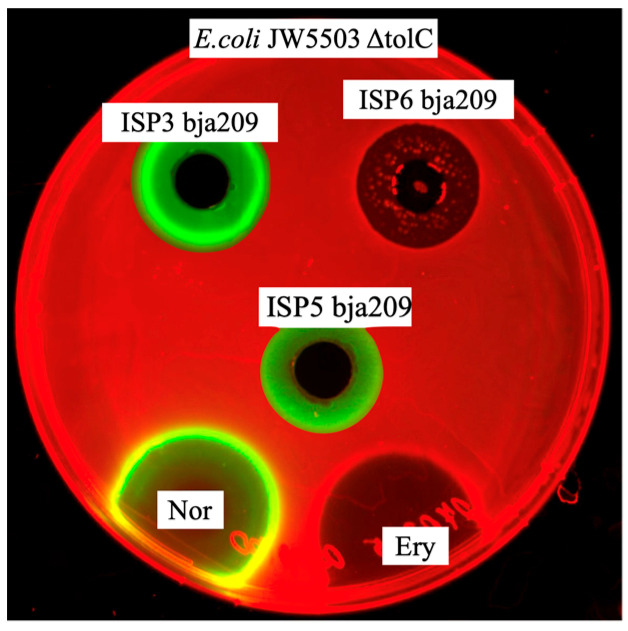 Figure 4
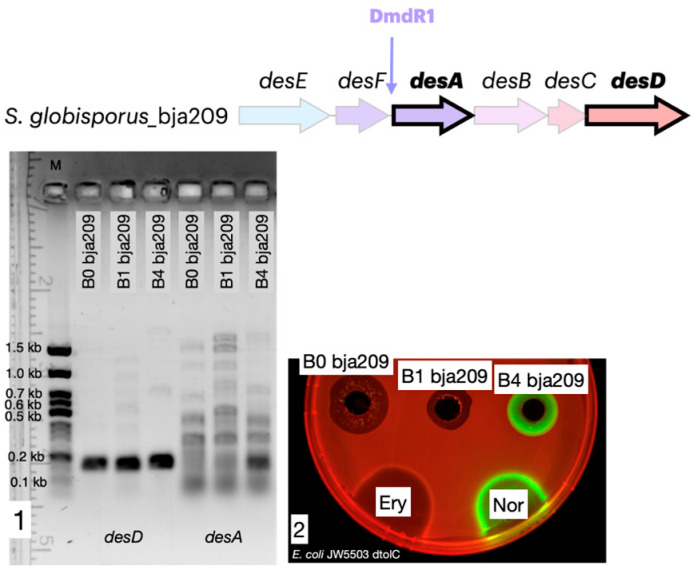 Figure 5
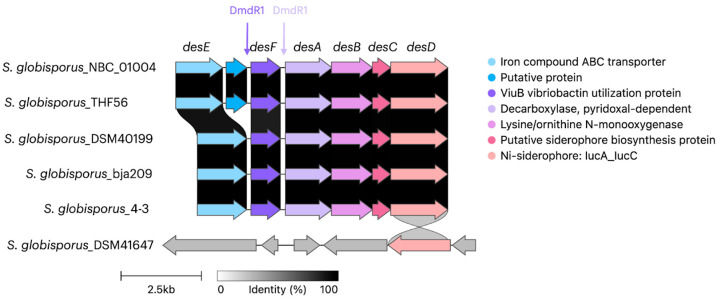 Figure 6
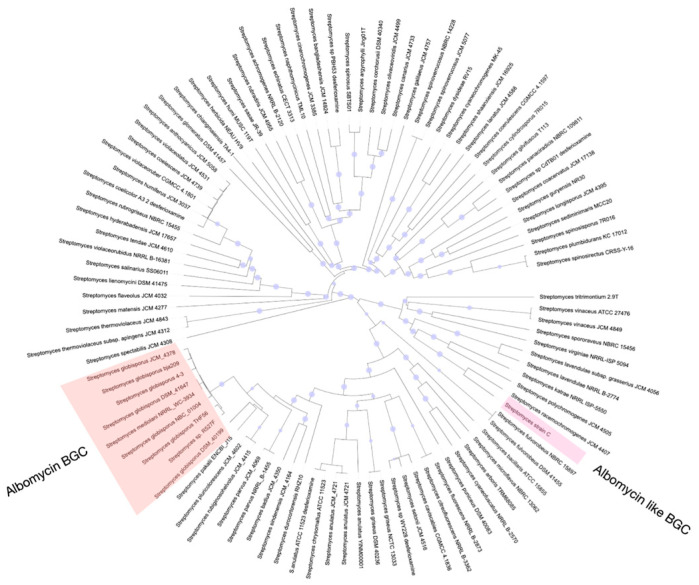 Figure 7
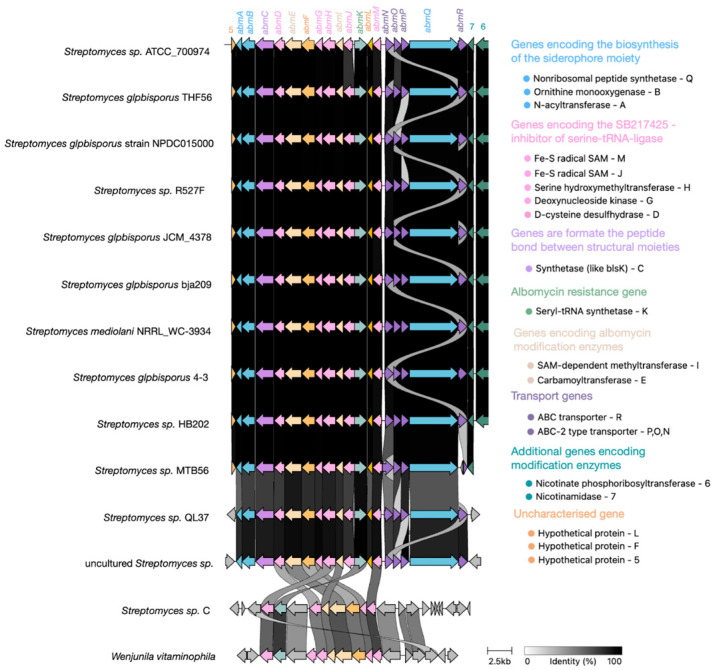 Figure 8
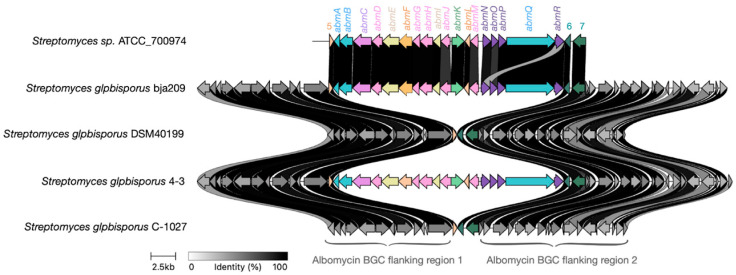 Figure 9
Peer Reviews
No public reviews on file for this paper yet. If you reviewed it on a platform where reviews are public (OpenReview, ICLR, NeurIPS, ICML), you can paste yours below so the community can read it here.
Videos
No videos yet. Explain this paper in a talk, walkthrough, or lecture? Add one.
Taxonomy
TopicsMicrobial Natural Products and Biosynthesis · Synthetic Organic Chemistry Methods · Genomics and Phylogenetic Studies