The Synthesis of Novel Glucosylamide Organosilicon Quaternary Ammonium Salts and Long-Lasting Modification of Different Materials
Xiangji Meng, Yunkai Wang, Jingru Wang, Lifei Zhi, Linfei Li, Xiaoming Li, Chan Wu, Rui Jin, Ziyong Ma, Zhiwang Han, Xudong Liu

TL;DR
Scientists made new eco-friendly surfactants from glucose that work well on various materials and could be used in cleaning products and coatings.
Contribution
Novel glucosylamide organosilicon quaternary ammonium salts with low surface tension and long-lasting material modification properties are synthesized.
Findings
Surface tension was reduced to 33.4 mN/m for 2SiDDGPBH and 33.64 mN/m for 3SiDDGPBH.
3SiDDGPBH-treated MFR plywood maintained spreading performance after 80 washing cycles.
SEM analysis showed increased silicon content and improved bonding properties in treated materials.
Abstract
Using renewable D-gluconic acid δ-lactone as the starting material, two novel glucosamide-based organosilicon quaternary ammonium surfactants (2/3SiDDGPBH) were synthesized through an environmentally friendly three-step process involving amidation, hydrophobic modification, and quaternization. Comprehensive characterization demonstrated their exceptional performance: surface tension reduction to 33.4 mN/m (2SiDDGPBH) and 33.64 mN/m (3SiDDGPBH), uniform spherical micelles (1–10 nm and 30–100 nm) were formed, and outstanding foam properties with 3SiDDGPBH developed, showing superior foamability and stability. Material modification tests on polymethyl methacrylate (PMMA) plates, mature acacia leaves, oilpaper, vegetable-tanned top-grain leather, and melamine-formaldehyde resin (MFR) faced with plywood revealed excellent spreading performance and durability, particularly for…
Genes, proteins, chemicals, diseases, species, mutations and cell lines named across the full text — each resolved to its canonical identifier and authoritative record.
Click any figure to enlarge with its caption.
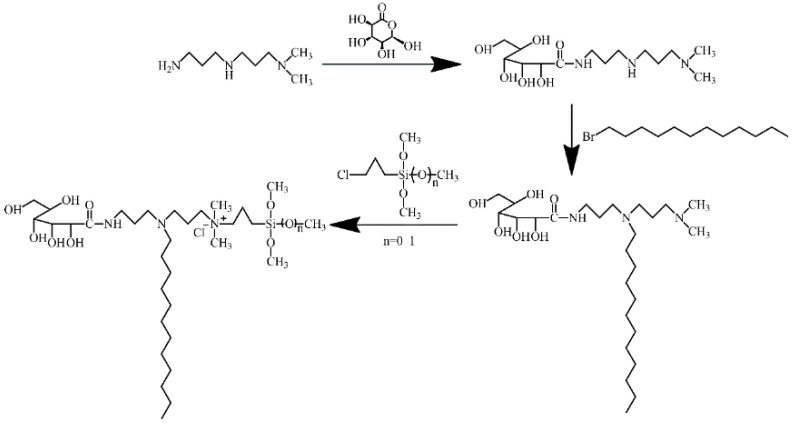 Figure 1
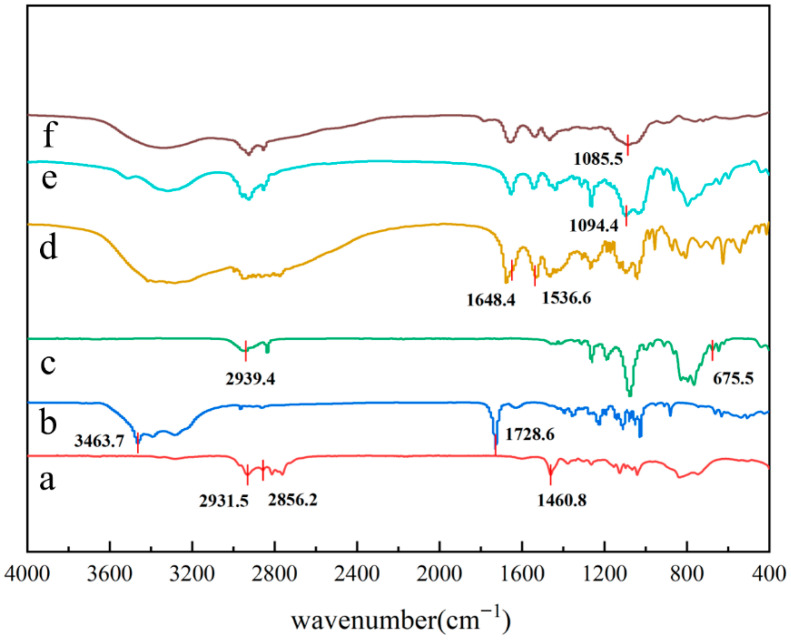 Figure 2
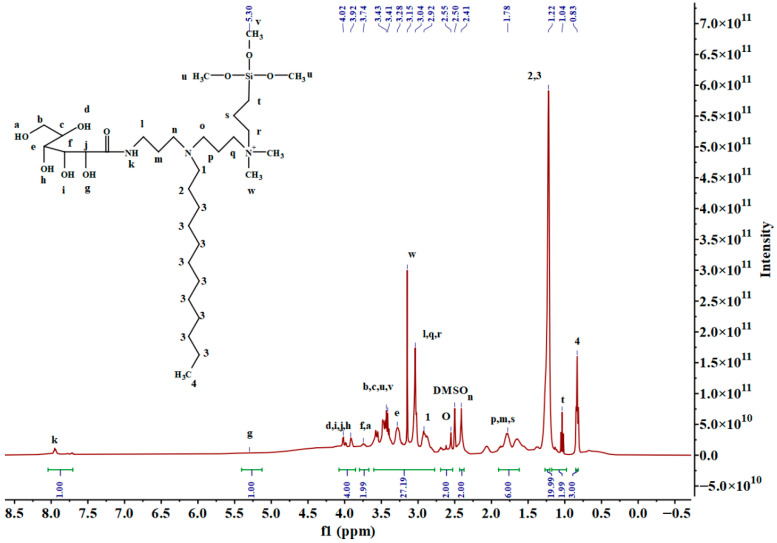 Figure 3
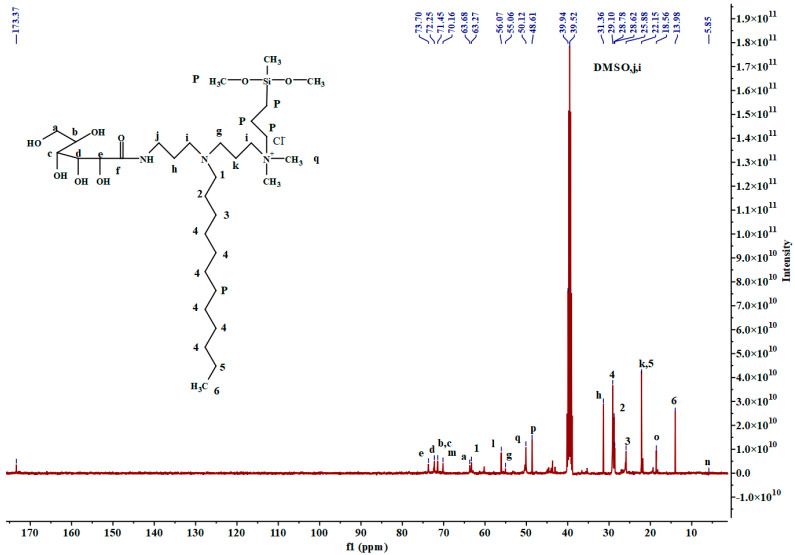 Figure 4
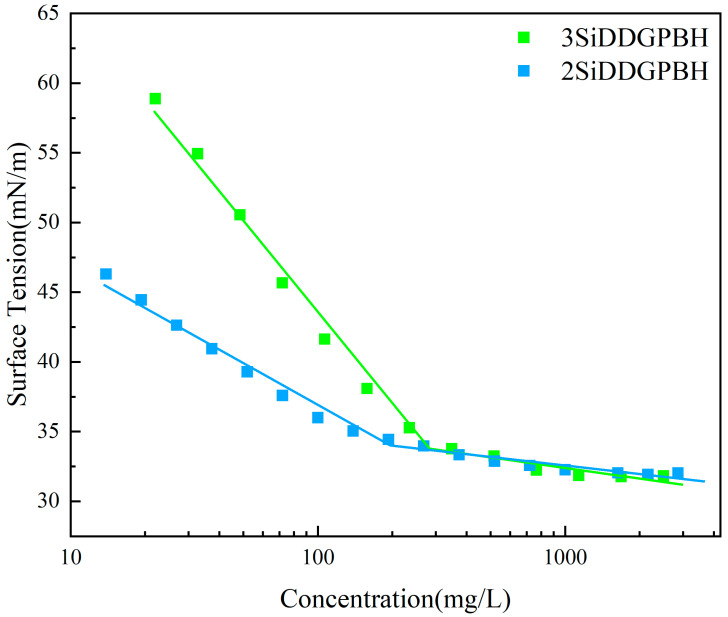 Figure 5
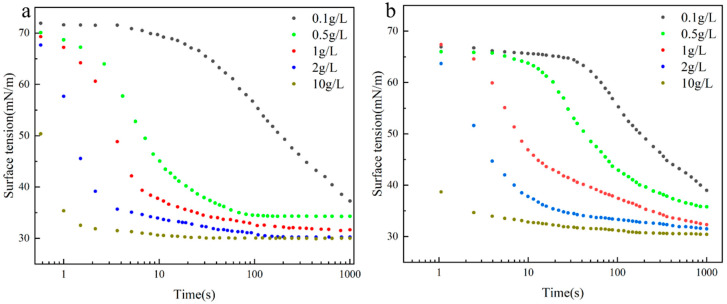 Figure 6
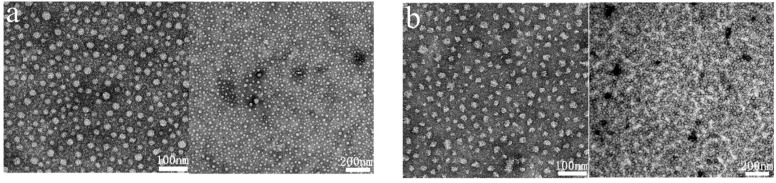 Figure 7
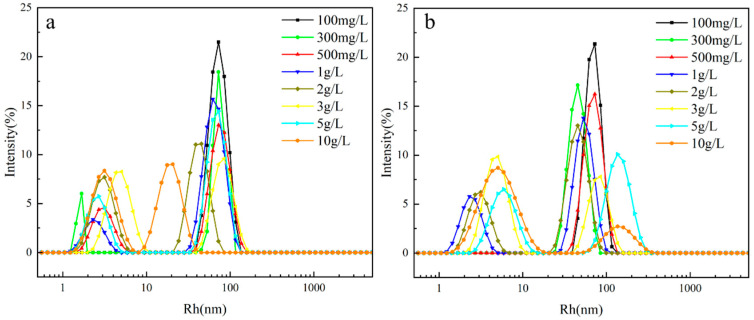 Figure 8
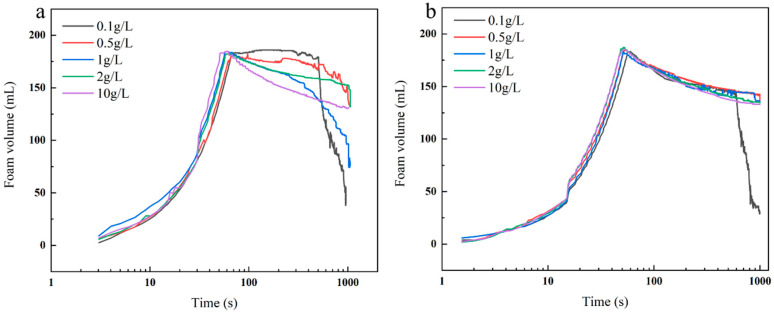 Figure 9
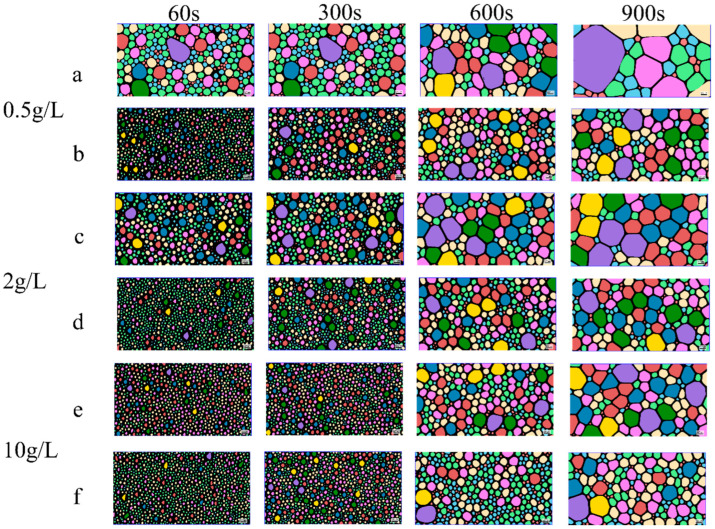 Figure 10
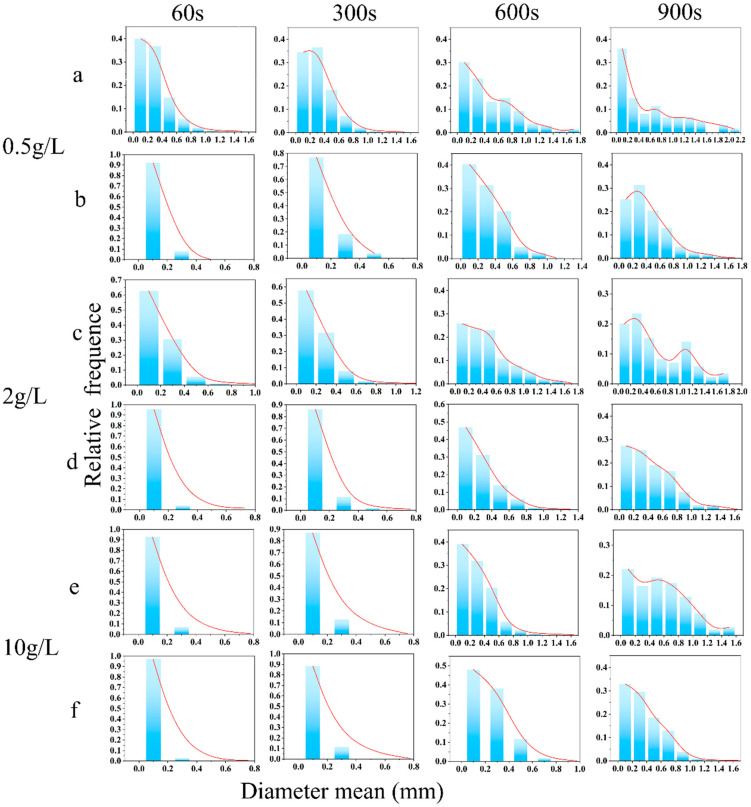 Figure 11
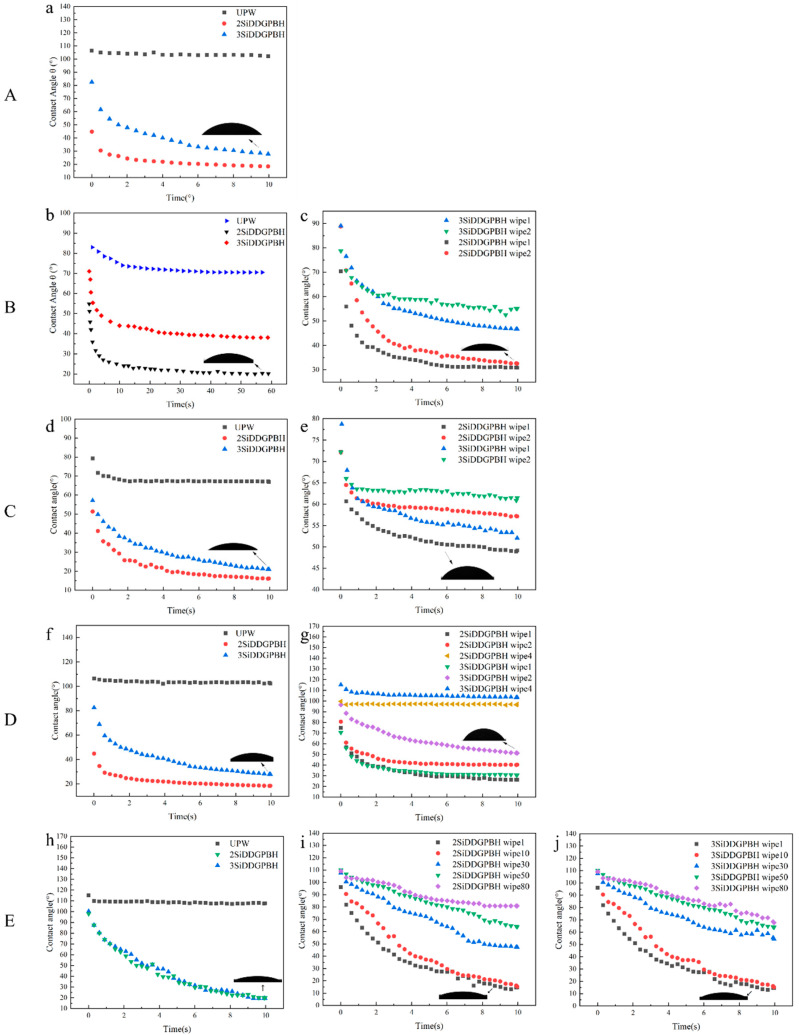 Figure 12
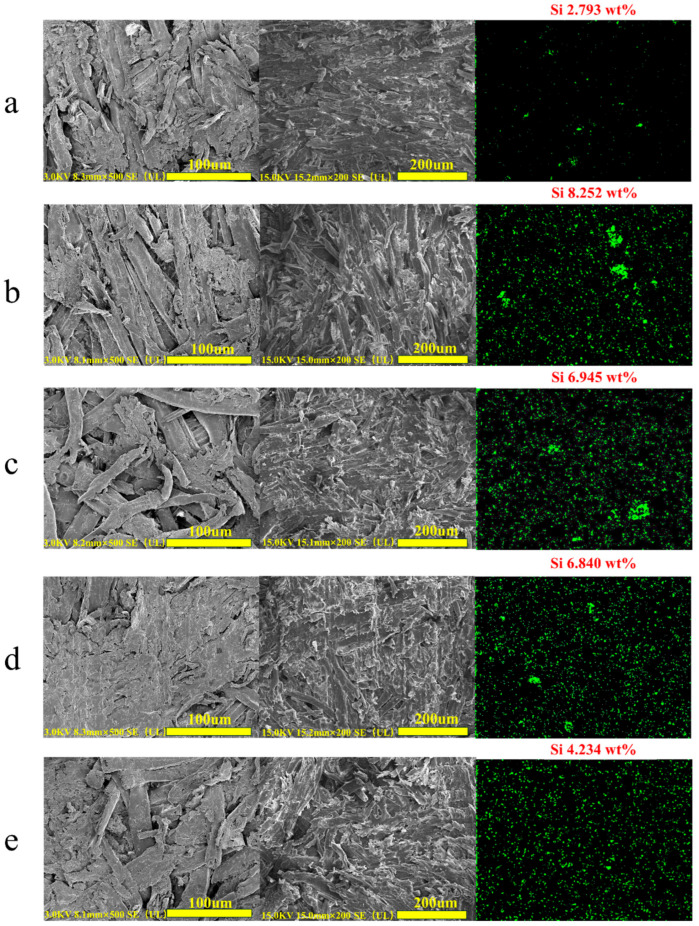 Figure 13
Peer Reviews
No public reviews on file for this paper yet. If you reviewed it on a platform where reviews are public (OpenReview, ICLR, NeurIPS, ICML), you can paste yours below so the community can read it here.
Videos
No videos yet. Explain this paper in a talk, walkthrough, or lecture? Add one.
Taxonomy
Topicsbiodegradable polymer synthesis and properties · Polymer composites and self-healing · Surface Modification and Superhydrophobicity