Multiple Myeloma Laboratory Diagnostics Made Simple: Practical Insights and Key Recommendations
Ana Marta Pires, João Pedro Barreto, Joana Caetano, Maria José Soares, Catarina Geraldes, Bruno Fernandes, Margarida Coucelo, Sérgio Chacim, Henrique Coelho, Cecília Correia, Ana Paula Cruz, Manuel Cunha, Maria Rosário Cunha, Nuno Cunha, Patrícia Ferraz, José Guilherme Freitas

TL;DR
This paper reviews conventional lab methods for diagnosing multiple myeloma and highlights their importance despite new technologies.
Contribution
The paper offers practical insights and recommendations for using conventional lab diagnostics in multiple myeloma.
Findings
Conventional lab methods remain essential for multiple myeloma diagnosis.
Challenges include variability in assay performance and standardization.
The review provides practical guidance for labs with limited access to advanced technologies.
Abstract
Multiple myeloma is a clonal plasma cell malignancy with a highly variable range of clinical manifestations. Over recent decades, substantial progress has been made in laboratory diagnostics, which has deepened our understanding of disease biology, improved risk stratification, and informed treatment strategies. In an era of transformation and innovation, conventional laboratory methods remain essential, as cutting-edge technologies might not be immediately accessible to all laboratories. Nonetheless, even widely used laboratory methodologies present many challenges, such as variability in assay performance, interpretative criteria, and standardization. This review by the Portuguese Multiple Myeloma Group of the Portuguese Society of Hematology provides a comprehensive overview and practical appraisal of current conventional laboratory methods employed for multiple myeloma diagnosis.
Genes, proteins, chemicals, diseases, species, mutations and cell lines named across the full text — each resolved to its canonical identifier and authoritative record.
Click any figure to enlarge with its caption.
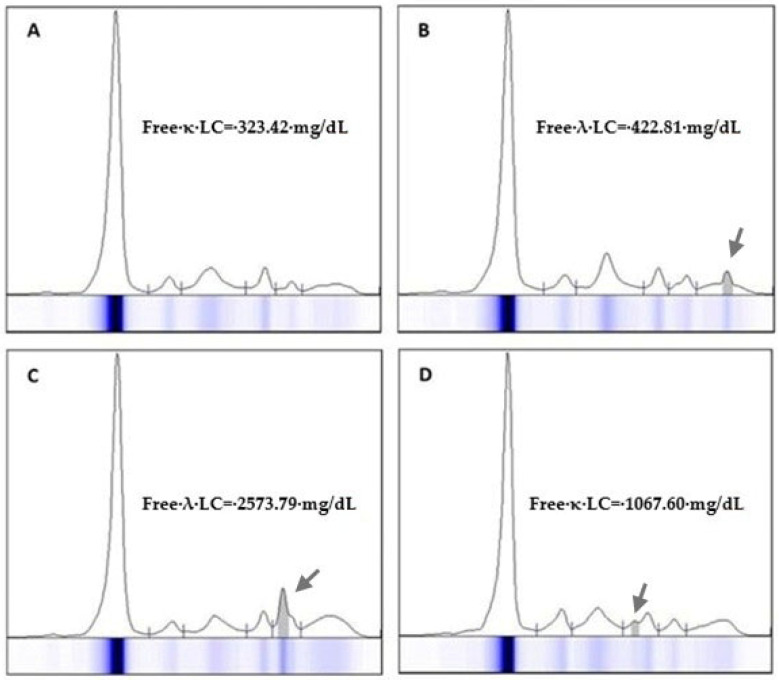 Figure 1
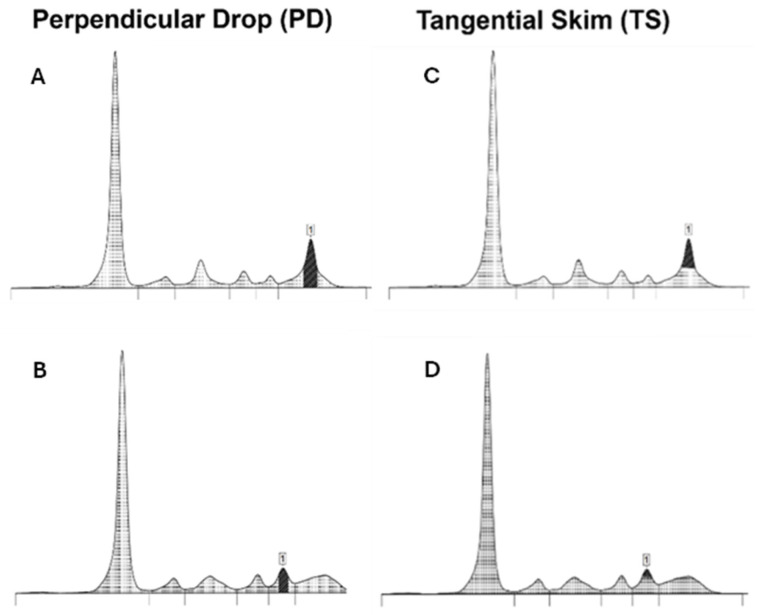 Figure 2
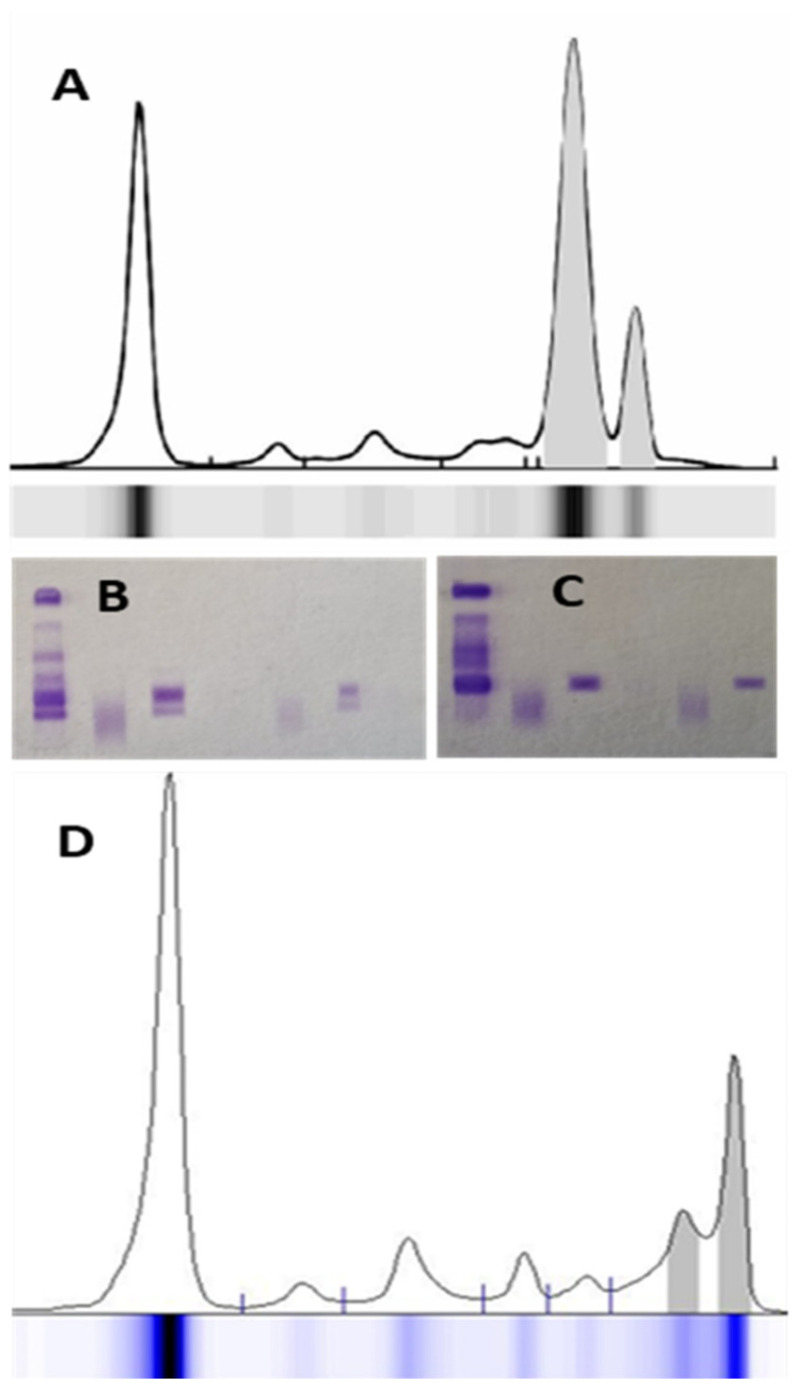 Figure 3
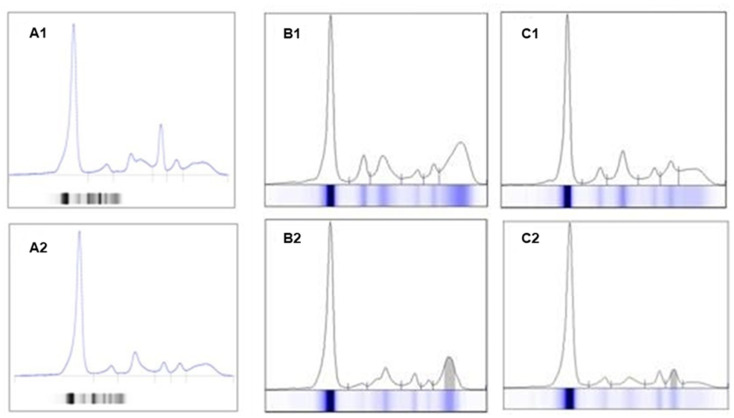 Figure 4
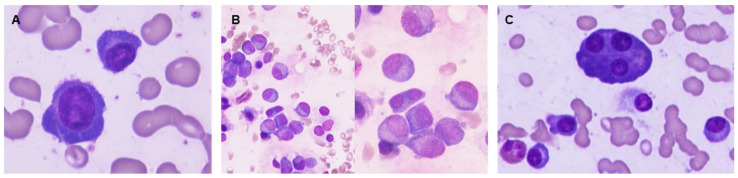 Figure 5
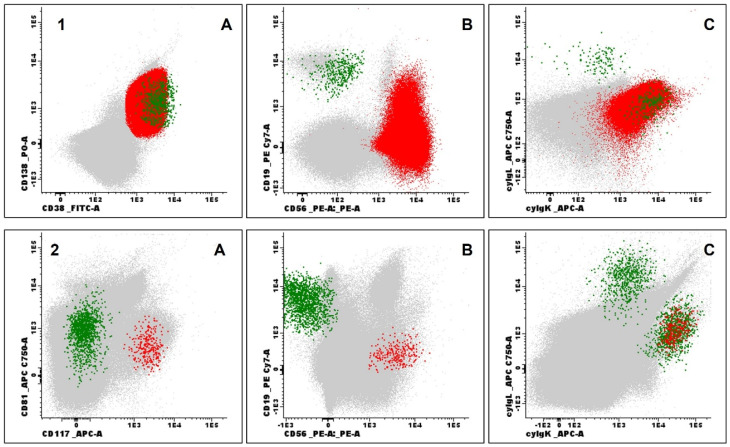 Figure 6
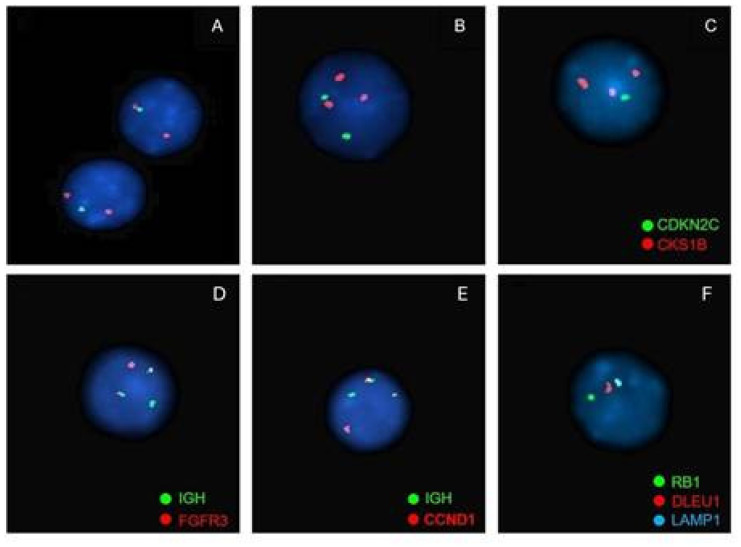 Figure 7
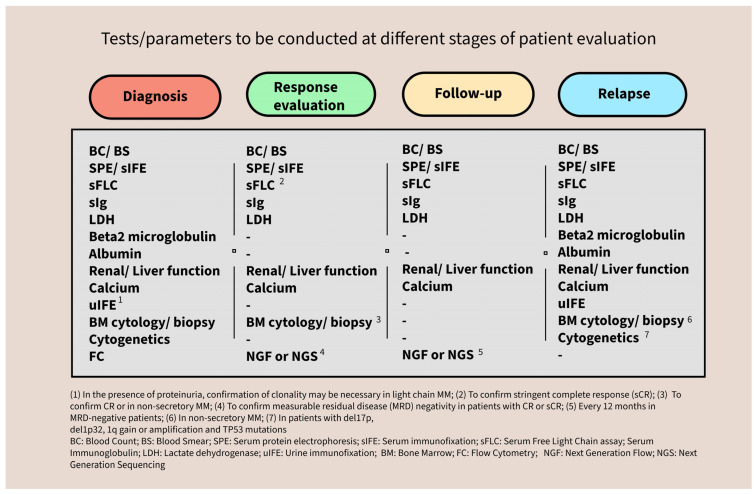 Figure 8
Peer Reviews
No public reviews on file for this paper yet. If you reviewed it on a platform where reviews are public (OpenReview, ICLR, NeurIPS, ICML), you can paste yours below so the community can read it here.
Videos
No videos yet. Explain this paper in a talk, walkthrough, or lecture? Add one.
Taxonomy
TopicsMultiple Myeloma Research and Treatments · Malaria Research and Control · Protein Degradation and Inhibitors