Advances in the Total Synthesis of Angular Triquinane-Type Natural Products
Xin Wang, Dunfeng Liu, Yunfei Cheng

TL;DR
This paper reviews recent progress in synthesizing complex angular triquinane natural products, focusing on methods to build their challenging core structure.
Contribution
The paper introduces a systematic categorization of four major synthetic strategies for constructing angular triquinane frameworks.
Findings
The Pauson–Khand reaction is a key method for constructing angular triquinane cores.
Tandem cyclization processes and skeletal reorganization are effective for complex stereoselective synthesis.
Innovative methods like ring-expansion and photochemistry offer new pathways for triquinane synthesis.
Abstract
This review provides a comprehensive summary of advances in synthetic strategies for structurally complex angular triquinane natural products, with a particular emphasis on terpenoids and alkaloids over the past two decades. The formidable challenge inherent in these frameworks lies in the stereoselective construction of the congested, angularly fused triquinane core bearing one or more quaternary stereocenters. We systematically categorize and critically evaluate the key methodologies employed to construct this central motif, highlighting four major strategic approaches: (i) The Pauson–Khand reaction; (ii) tandem or cascade cyclization processes; (iii) skeletal reorganization strategies; and (iv) other innovative methods, including ring-expansion, radical cyclizations, and photochemical pathways.
Genes, proteins, chemicals, diseases, species, mutations and cell lines named across the full text — each resolved to its canonical identifier and authoritative record.
Click any figure to enlarge with its caption.
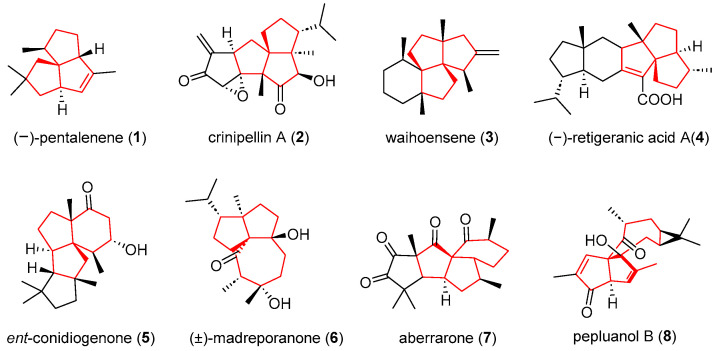 Figure 1
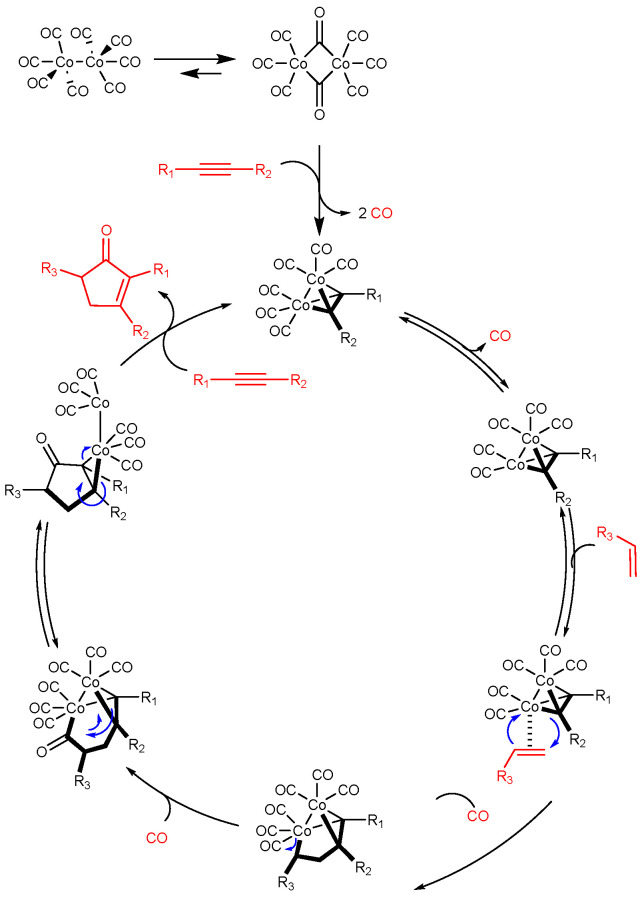 Figure 2
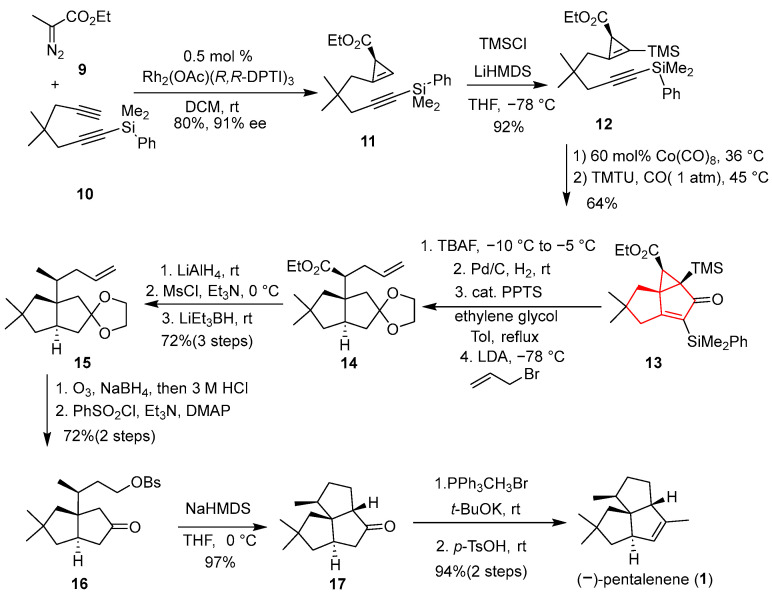 Figure 3
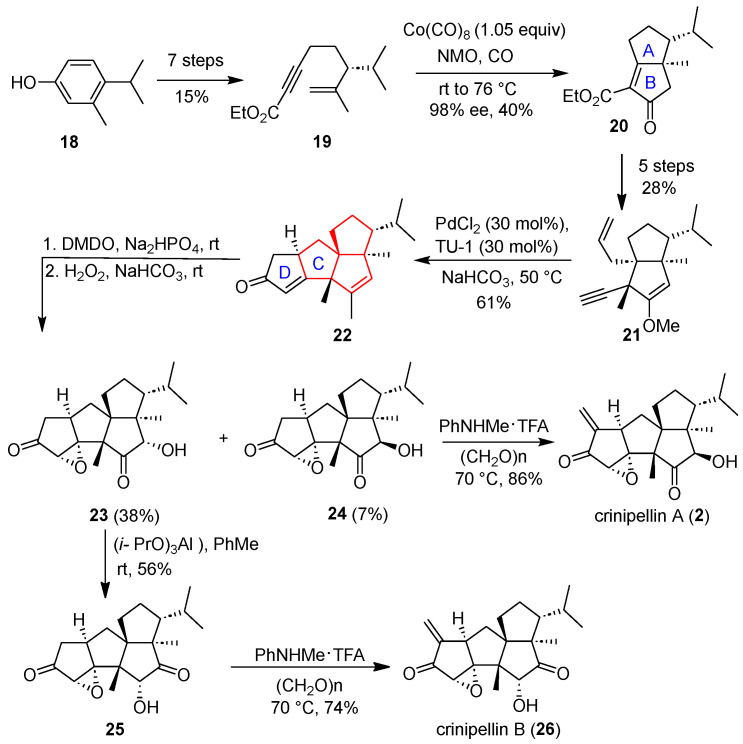 Figure 4
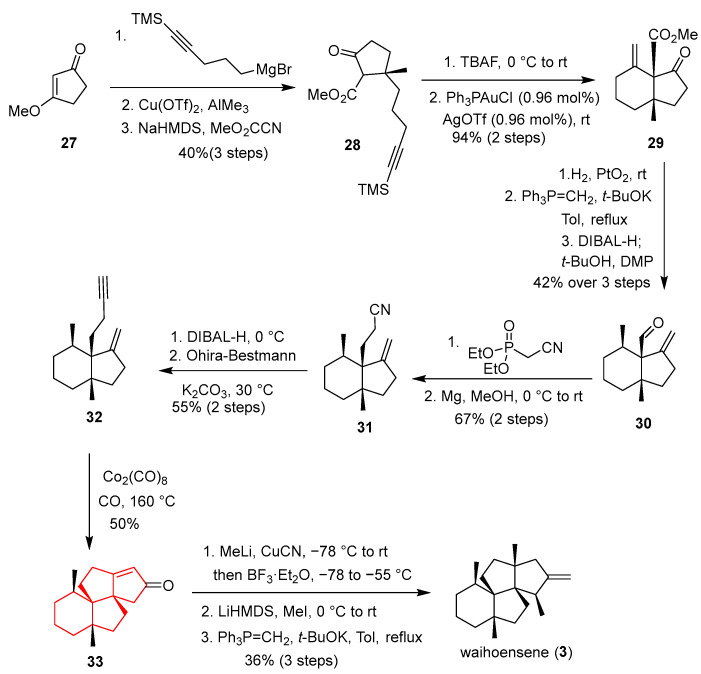 Figure 5
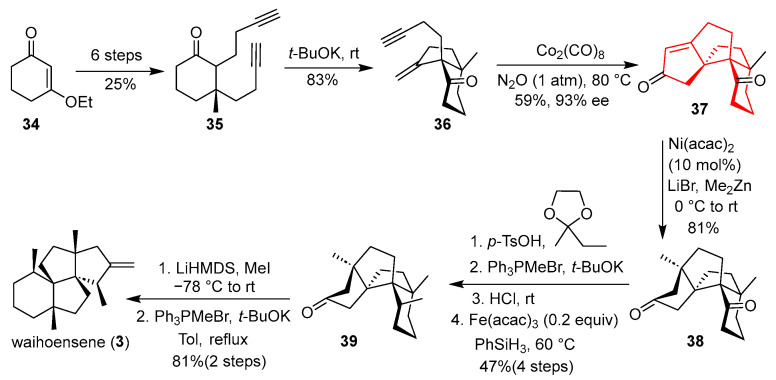 Figure 6
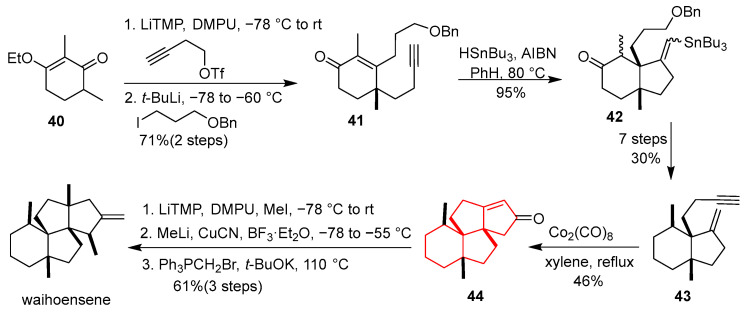 Figure 7
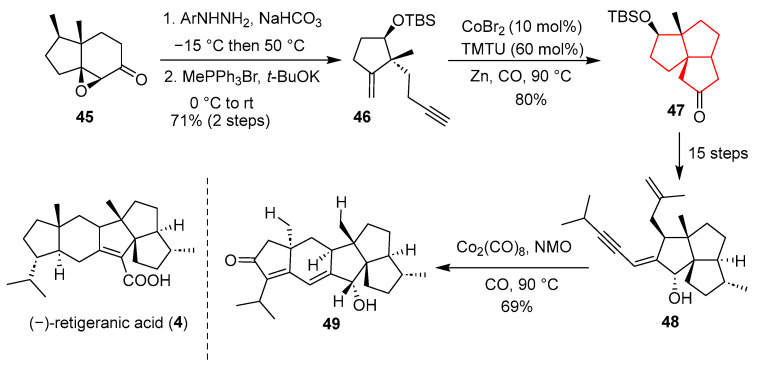 Figure 8
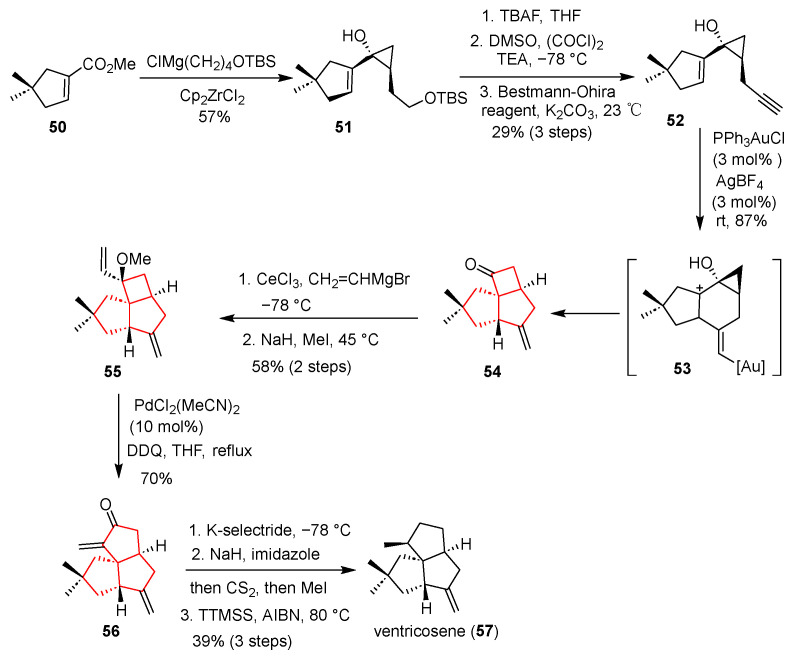 Figure 9
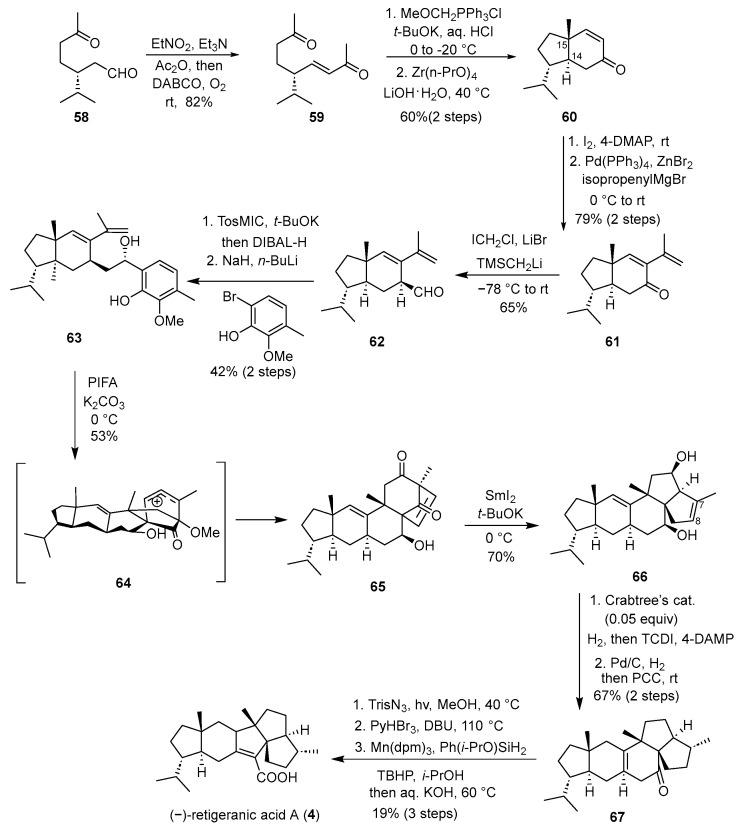 Figure 10
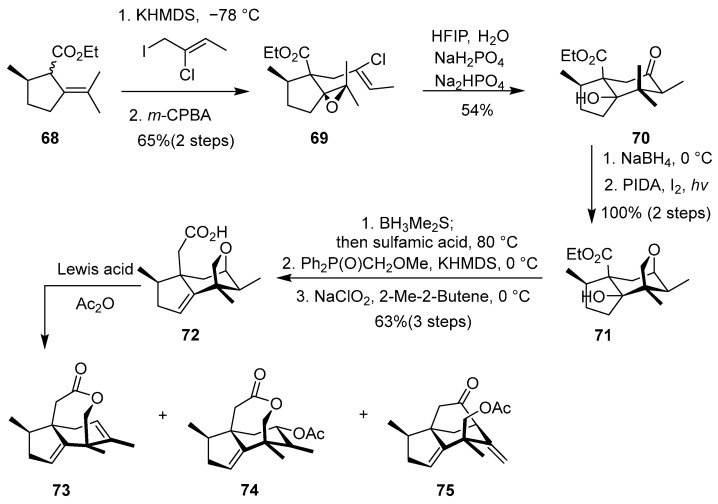 Figure 11
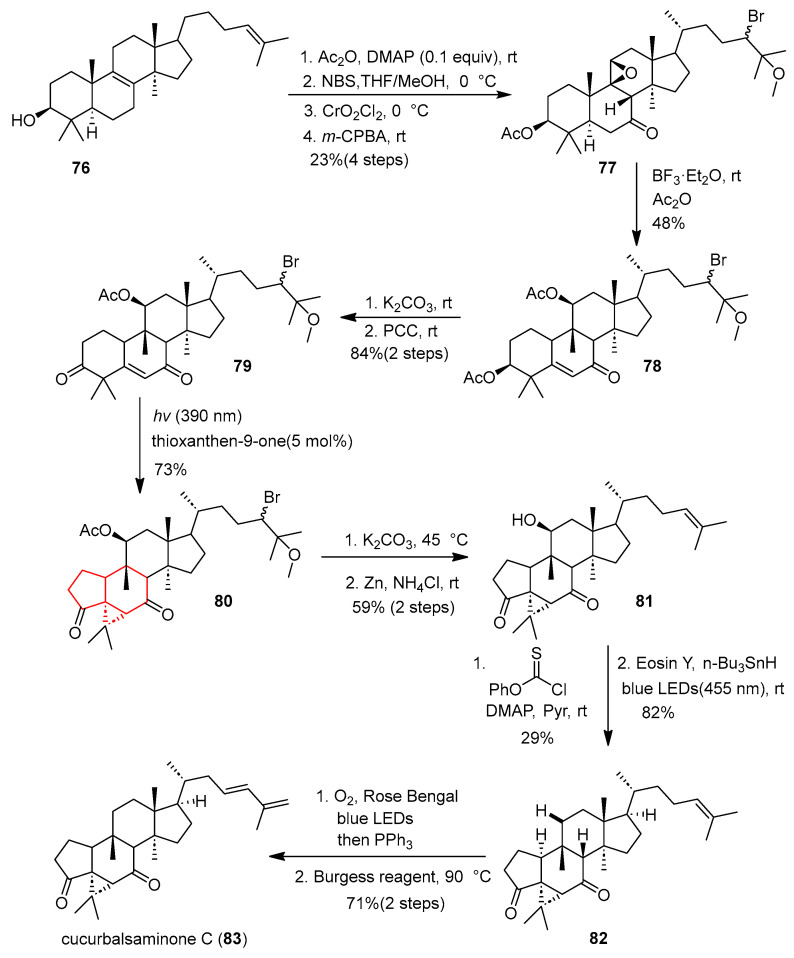 Figure 12
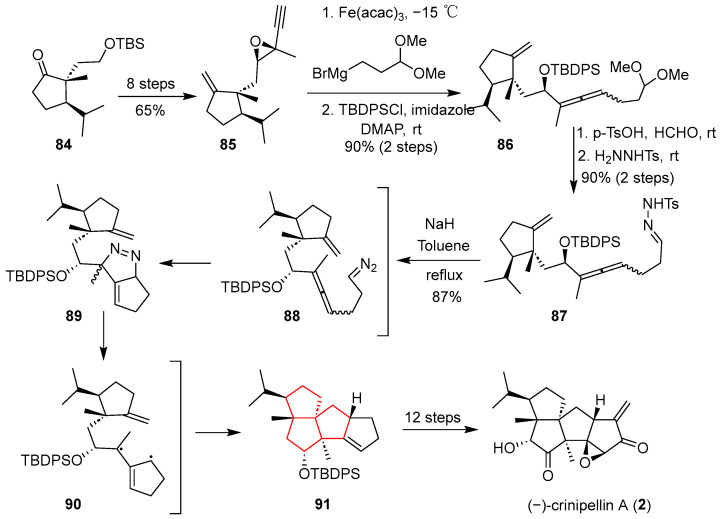 Figure 13
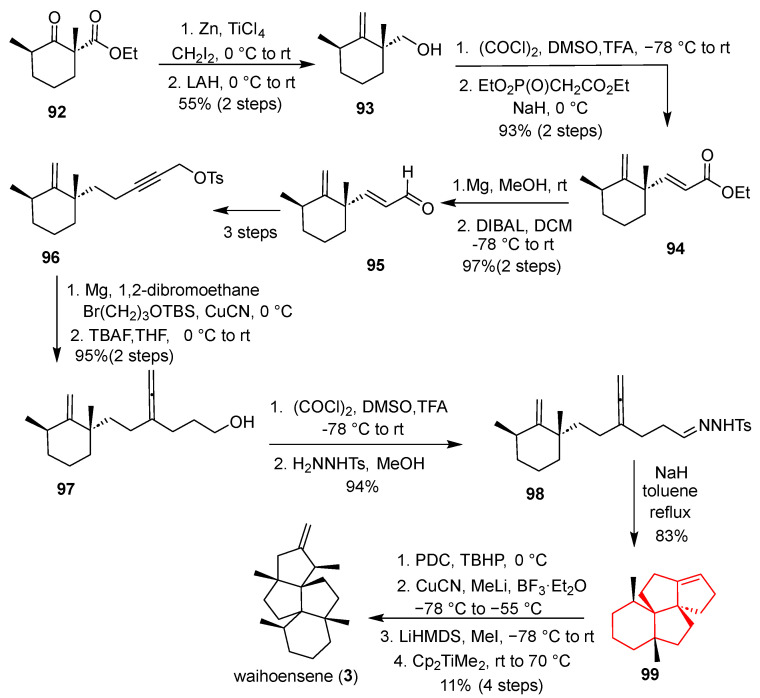 Figure 14
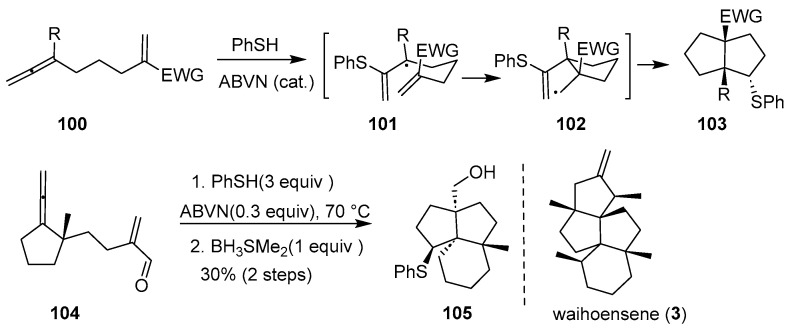 Figure 15
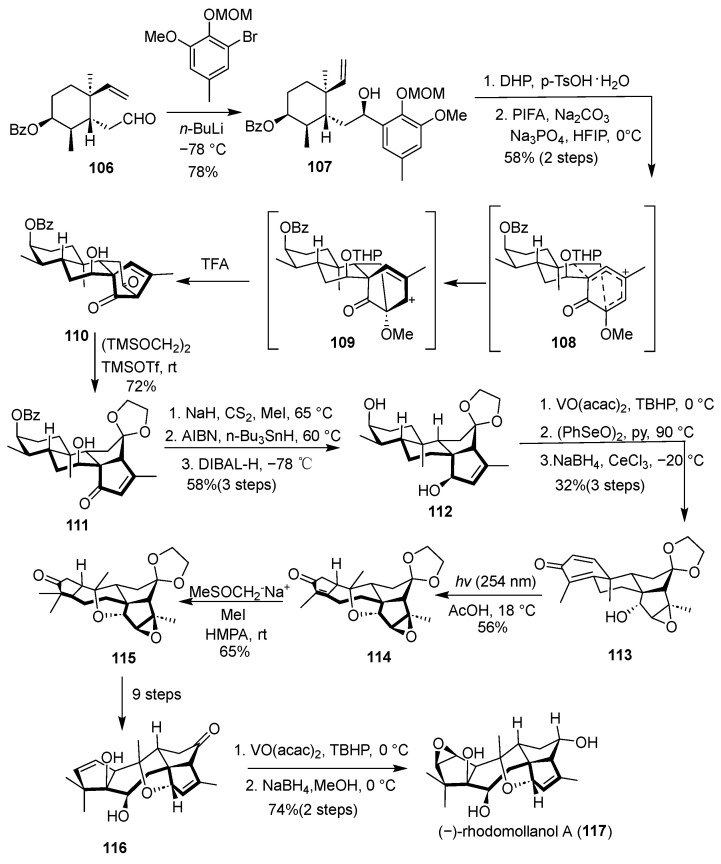 Figure 16
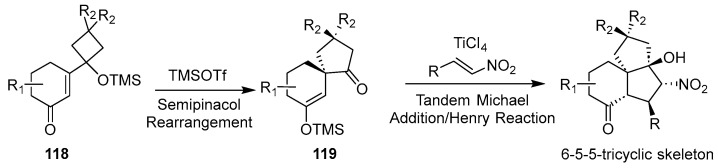 Figure 17
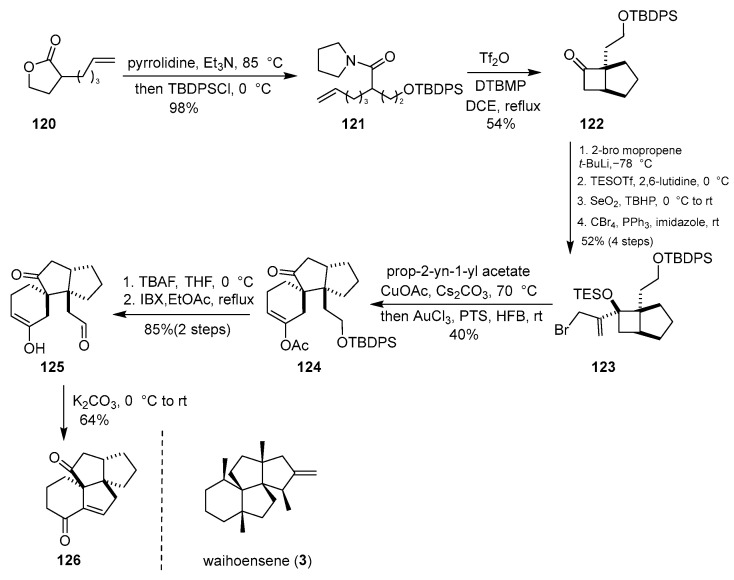 Figure 18
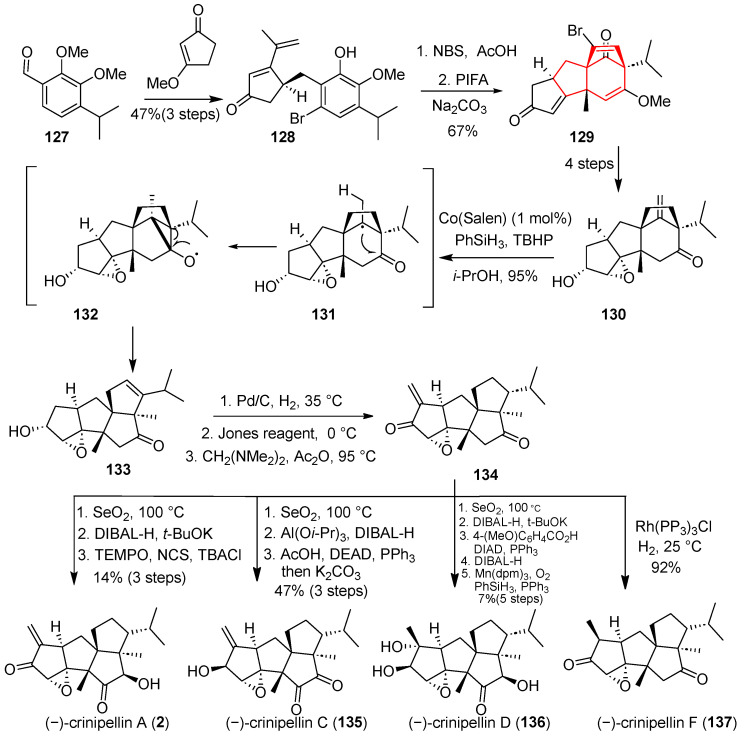 Figure 19
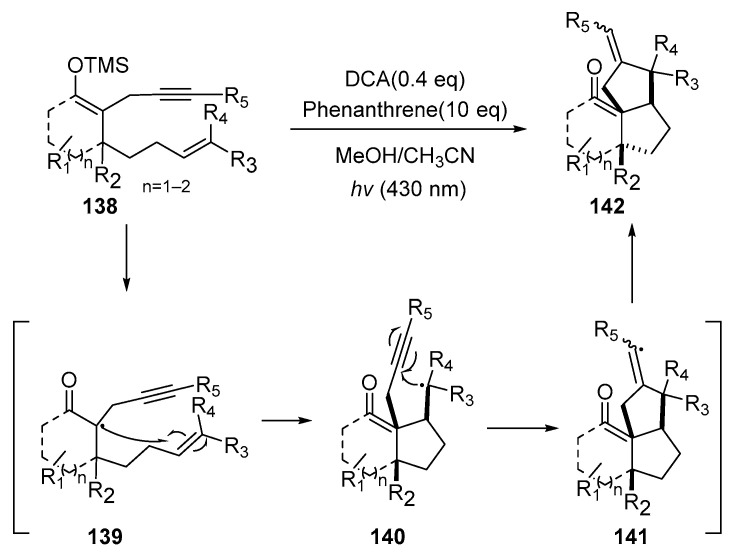 Figure 20
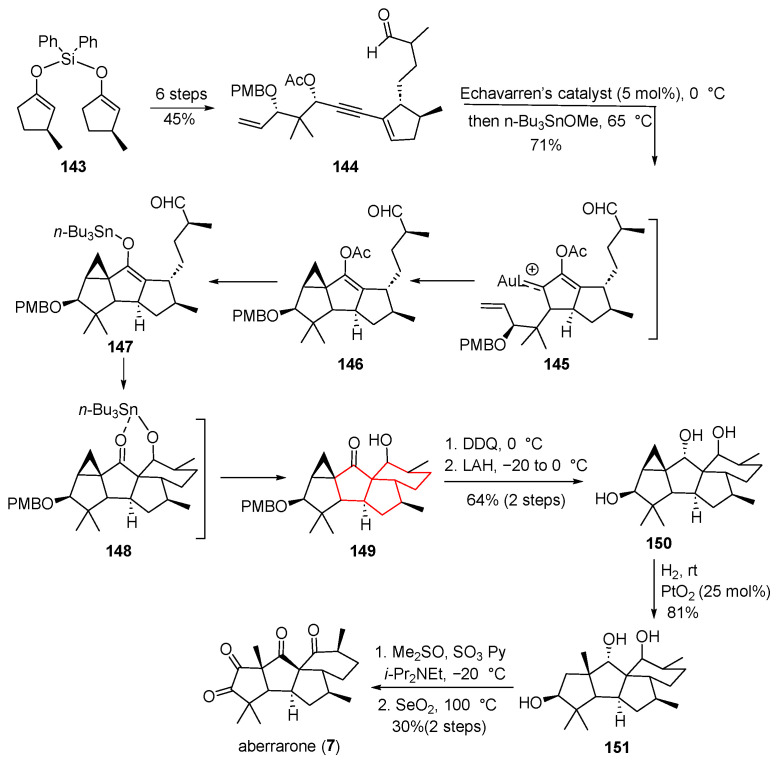 Figure 21
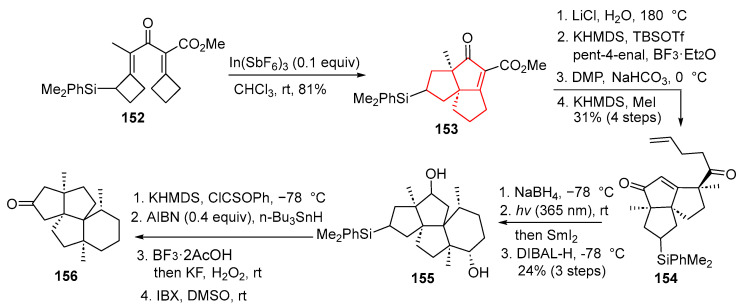 Figure 22
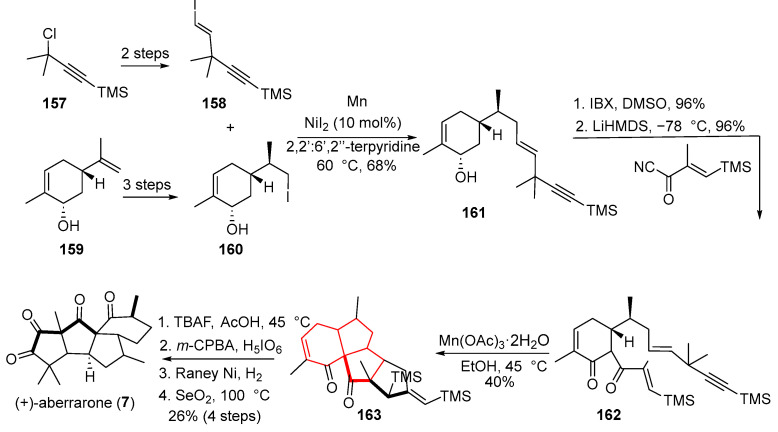 Figure 23
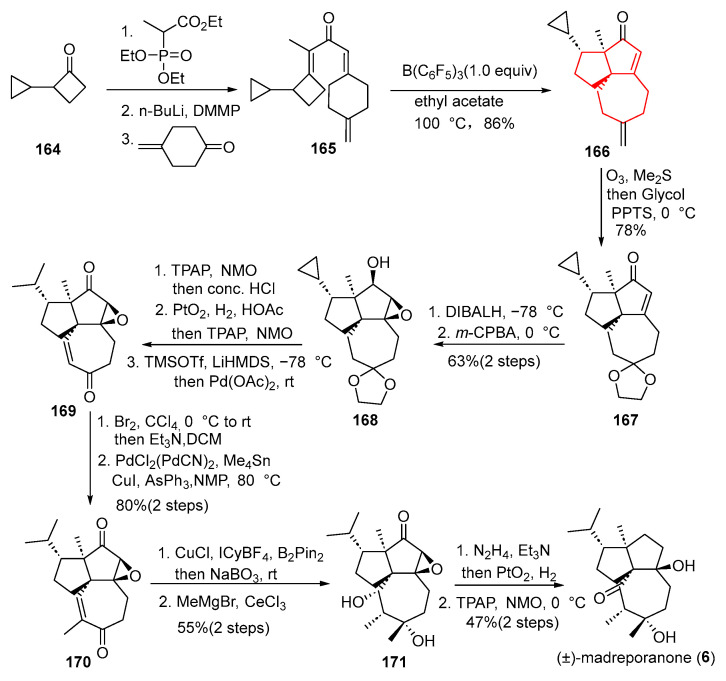 Figure 24
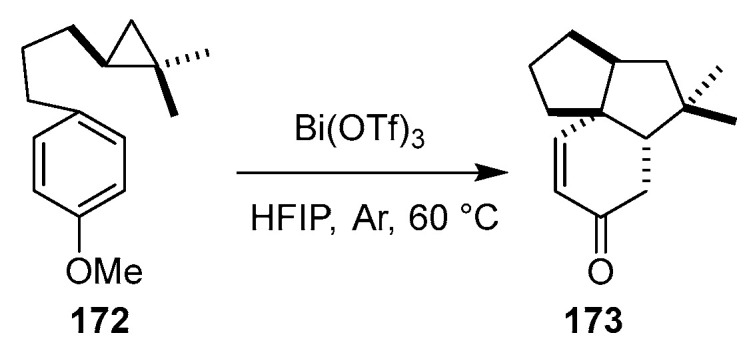 Figure 25
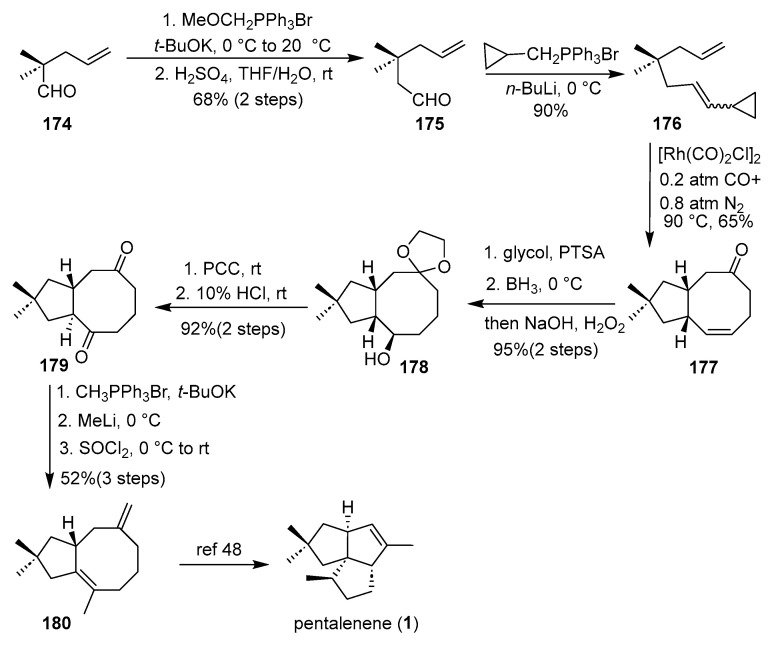 Figure 26
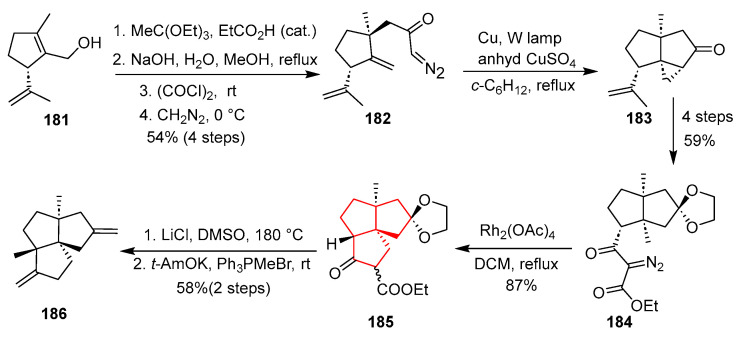 Figure 27
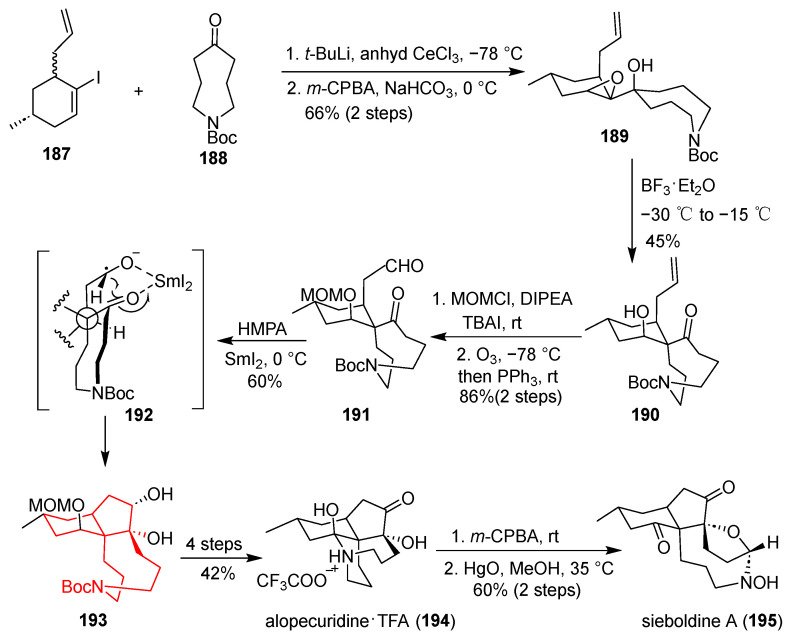 Figure 28
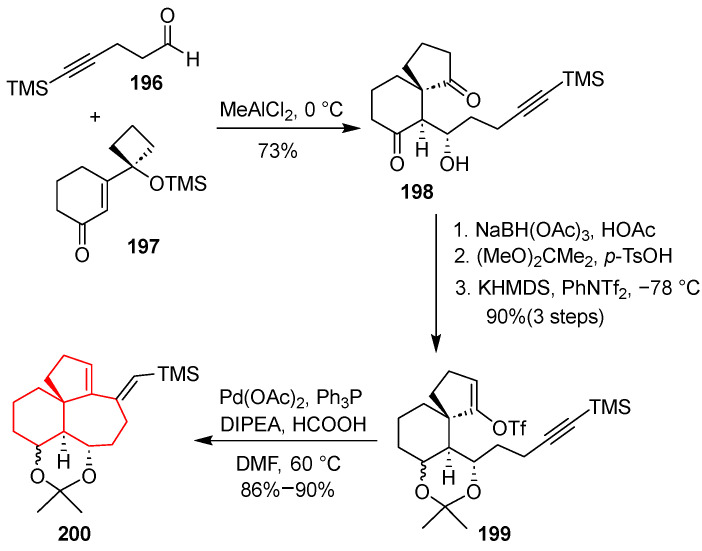 Figure 29
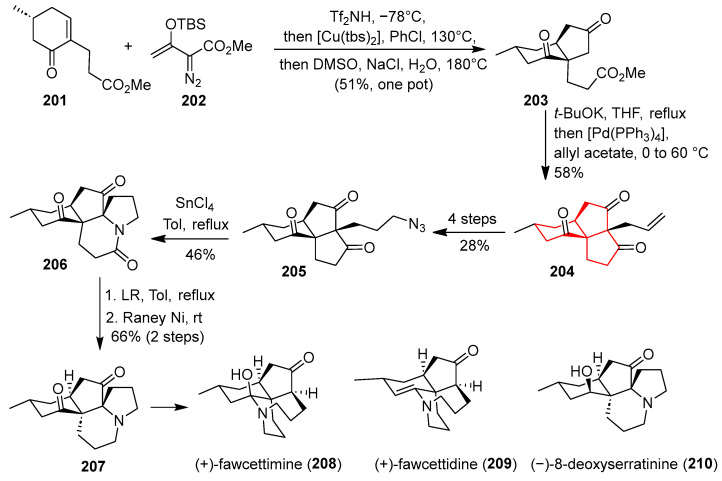 Figure 30
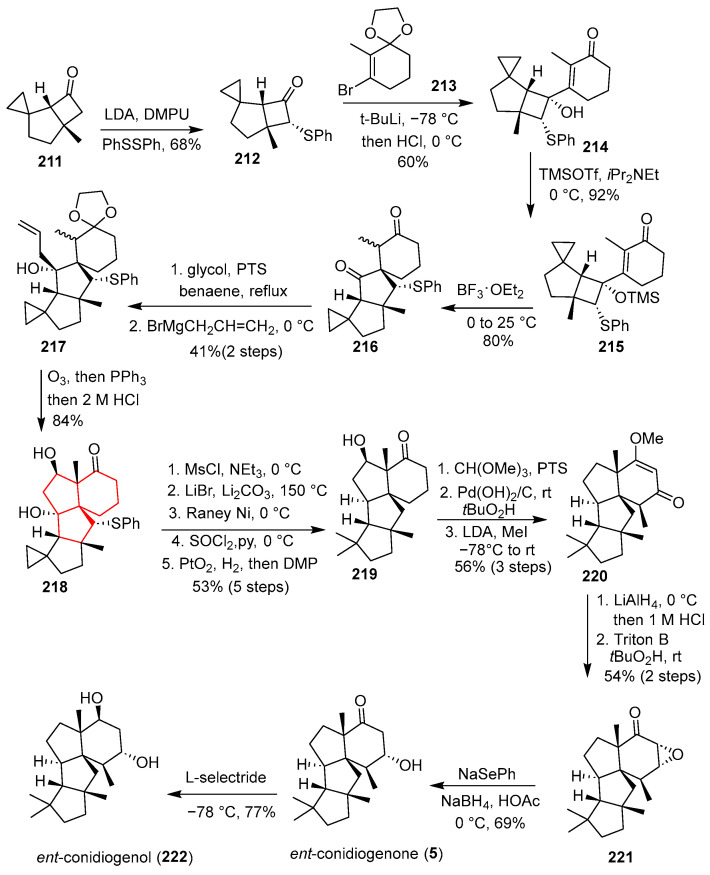 Figure 31
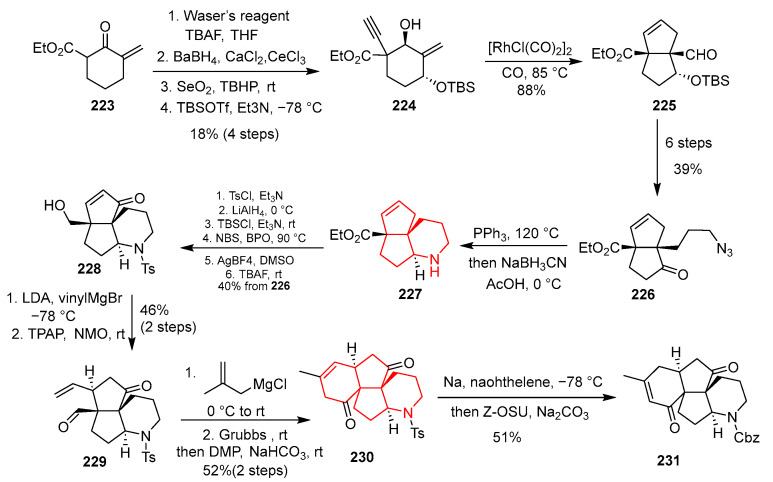 Figure 32
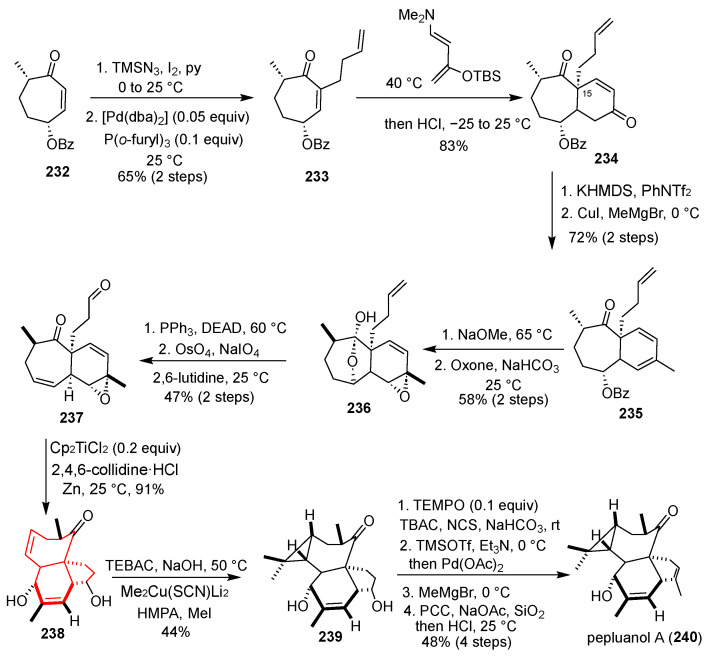 Figure 33
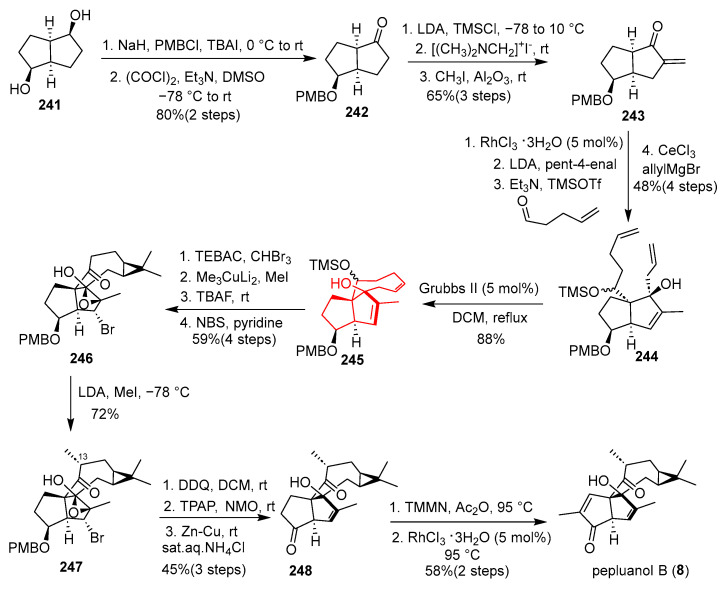 Figure 34
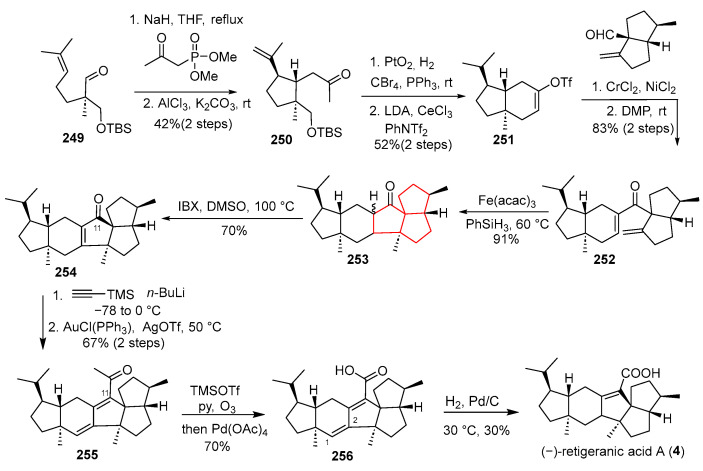 Figure 35
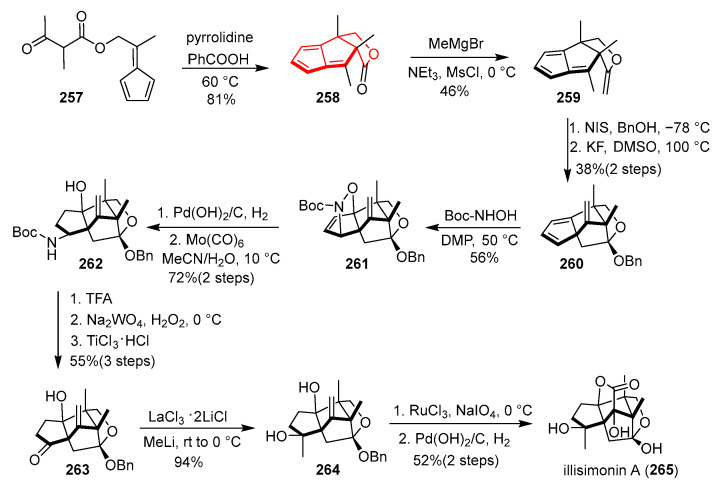 Figure 36
Peer Reviews
No public reviews on file for this paper yet. If you reviewed it on a platform where reviews are public (OpenReview, ICLR, NeurIPS, ICML), you can paste yours below so the community can read it here.
Videos
No videos yet. Explain this paper in a talk, walkthrough, or lecture? Add one.
Taxonomy
TopicsSynthetic Organic Chemistry Methods · Chemical synthesis and alkaloids · Marine Sponges and Natural Products