Traditional Applications, Phytochemical Constituents, and Pharmacological Properties of Lavandula multifida L.: A Review
Mohammed Allouani, Noui Hendel, Dahou Moutassem, Madani Sarri, Djamel Sarri, Antonella D’Anneo, Giuseppe Gallo, Antonio Palumbo Piccionello

TL;DR
This review explores the traditional uses, chemical makeup, and health benefits of Lavandula multifida, highlighting its potential for drug discovery.
Contribution
The paper provides a comprehensive review of L. multifida's phytochemistry and pharmacology, emphasizing its unique chemical profile and underexplored therapeutic potential.
Findings
L. multifida contains high levels of carvacrol and other bioactive compounds with antimicrobial effects.
The plant shows antioxidant and anti-inflammatory properties through mechanisms like radical scavenging and cytokine modulation.
Its unique chemistry and traditional uses suggest potential for novel drug development, especially in antiparasitic and respiratory therapies.
Abstract
The genus Lavandula represents one of the most valuable aromatic and medicinal plants, holding significant economic importance in the pharmaceutical, food, perfumery, and cosmetics industries. Among them, L. multifida is a traditionally used medicinal plant in the Mediterranean region. This work provides a comprehensive review of L. multifida, focusing on its traditional uses, phytochemistry, and pharmacological properties. Unlike conventional lavenders, its essential oil is dominated by phenolic monoterpenes, principally carvacrol, alongside significant concentrations of β-bisabolene, 1,8-cineole, and camphor. This distinct phytochemical profile is further complemented by a rich range of non-volatile constituents, including flavonoids, phenolic acids, and triterpenoids. Pharmacological investigations have validated its broad-spectrum antimicrobial activity, demonstrating efficacy…
Genes, proteins, chemicals, diseases, species, mutations and cell lines named across the full text — each resolved to its canonical identifier and authoritative record.
Click any figure to enlarge with its caption.
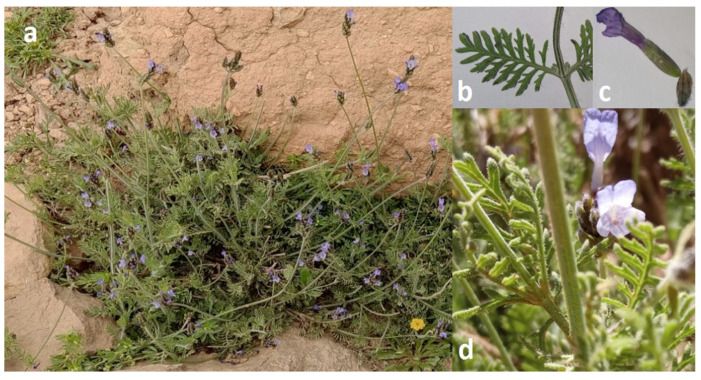 Figure 1
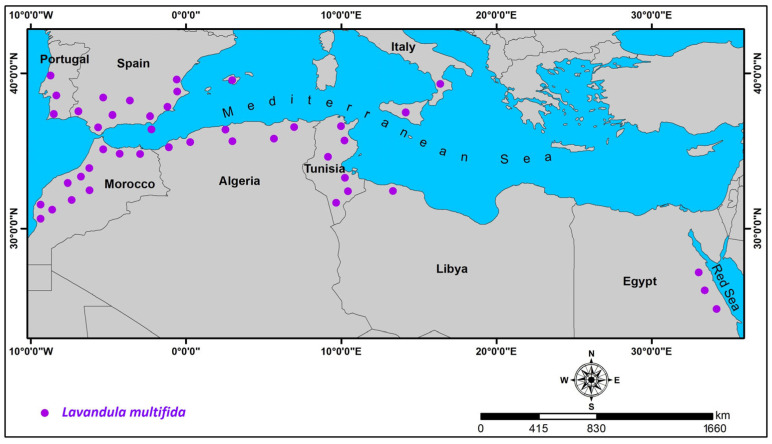 Figure 2
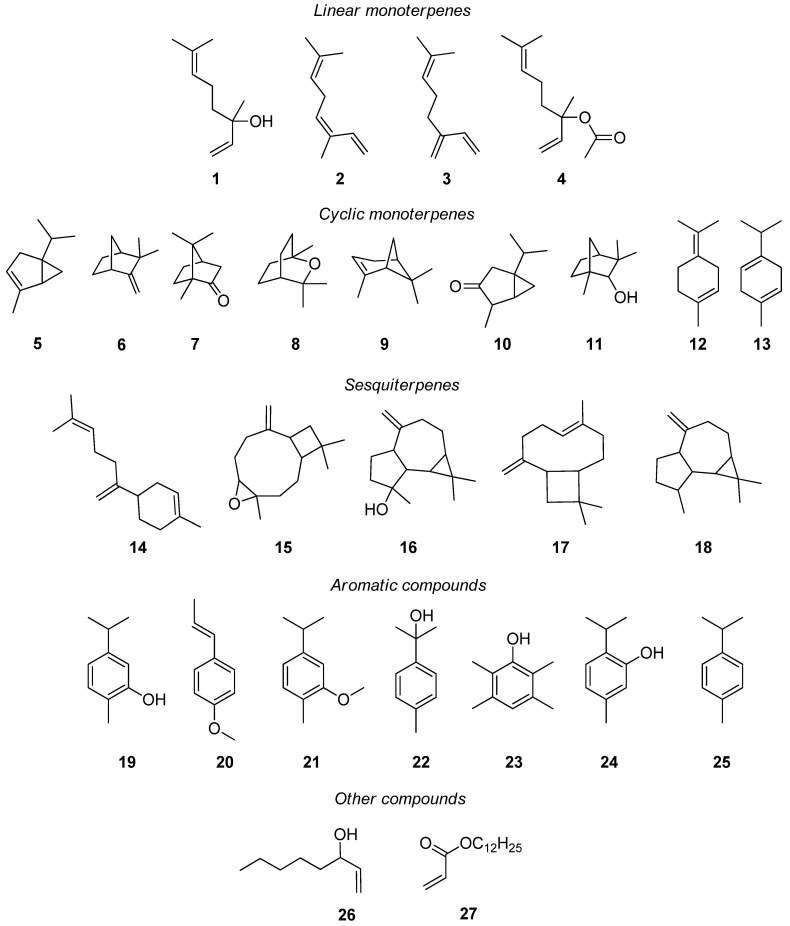 Figure 3
Peer Reviews
No public reviews on file for this paper yet. If you reviewed it on a platform where reviews are public (OpenReview, ICLR, NeurIPS, ICML), you can paste yours below so the community can read it here.
Videos
No videos yet. Explain this paper in a talk, walkthrough, or lecture? Add one.
Taxonomy
TopicsEssential Oils and Antimicrobial Activity · Phytochemistry and Biological Activities · Insect Pest Control Strategies