Self-assembled π-conjugated Cu(ii)–phenanthro[9,10-d]imidazole superstructures for VOC sensing and enhanced supercapacitor performance
Mallayasamy Siva, Aneesh Anand Nechikott, Sheethal Sasi, Yuvaraj Sivalingam, Prasant Kumar Nayak, Priyadip Das

TL;DR
Researchers created copper-based self-assembled materials that can detect acetone and store energy, showing potential for sensors and supercapacitors.
Contribution
The study introduces new π-conjugated Cu(ii) complexes that self-assemble into functional superstructures for VOC sensing and energy storage.
Findings
(S1)2Cu shows superior acetone selectivity compared to (S2)2Cu in VOC sensing.
(S1)2Cu achieves a specific capacitance of 230.0 F g−1 and retains 75% capacitance after 4000 cycles.
The superstructures are governed by non-covalent interactions and metal–ligand coordination.
Abstract
The development of self-assembled smart materials is a pivotal area of advanced research, particularly for sensing and electronic applications. π-Conjugated small organic molecules can self-assemble into well-ordered superstructures with remarkable optoelectronic, chemical, and structural properties, making them suitable for applications such as volatile organic compound (VOC) detection and energy storage in supercapacitors. However, the self-assembly behavior of Cu(ii) complexes derived from π-conjugated ligands, and their potential use in areas such as health, environmental monitoring, and energy storage, remain underexplored. In this study, we designed and synthesized two π-conjugated phenanthro[9,10-d]imidazole-based ligands (S1 and S2) and their corresponding Cu(ii) complexes, (S1)2Cu and (S2)2Cu. These complexes self-assemble into well-ordered superstructures with distinct…
Genes, proteins, chemicals, diseases, species, mutations and cell lines named across the full text — each resolved to its canonical identifier and authoritative record.
Click any figure to enlarge with its caption.
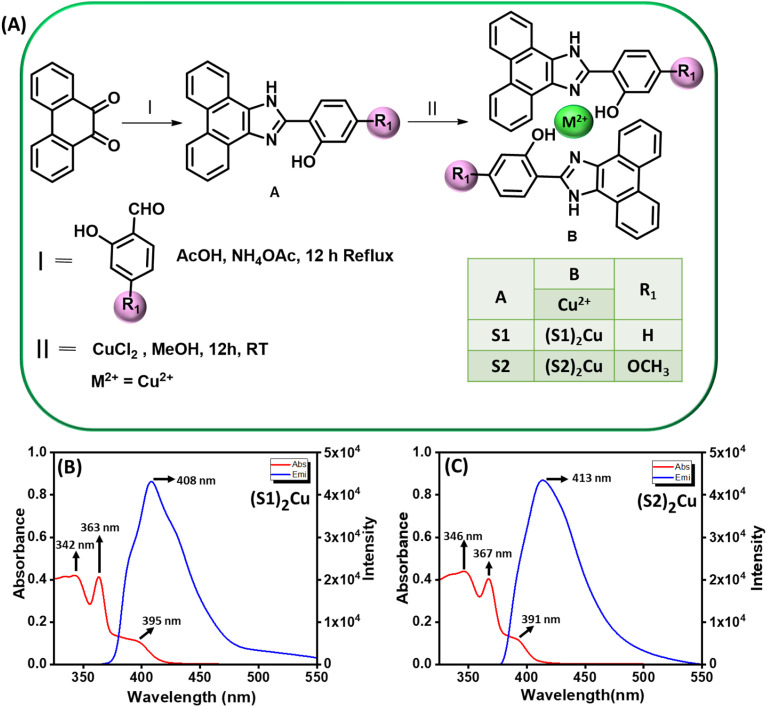 Figure 1
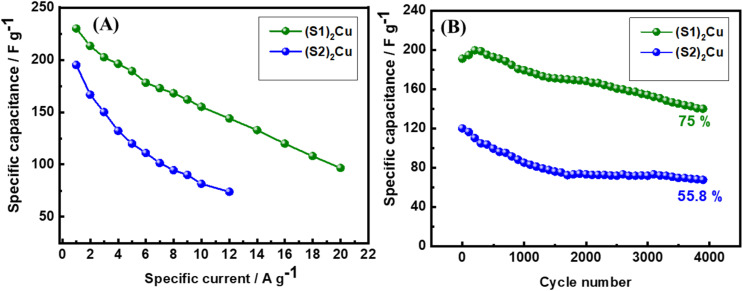 Figure 2
 Figure 3
 Figure 4
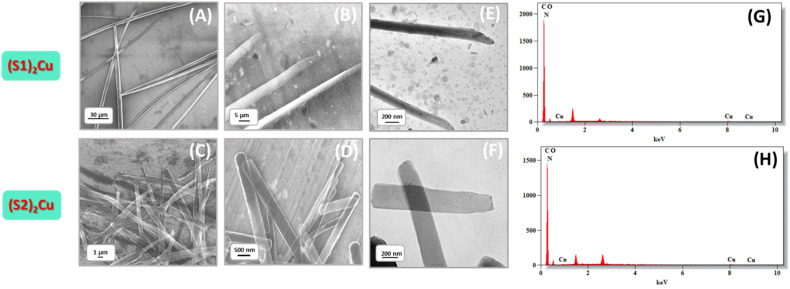 Figure 5
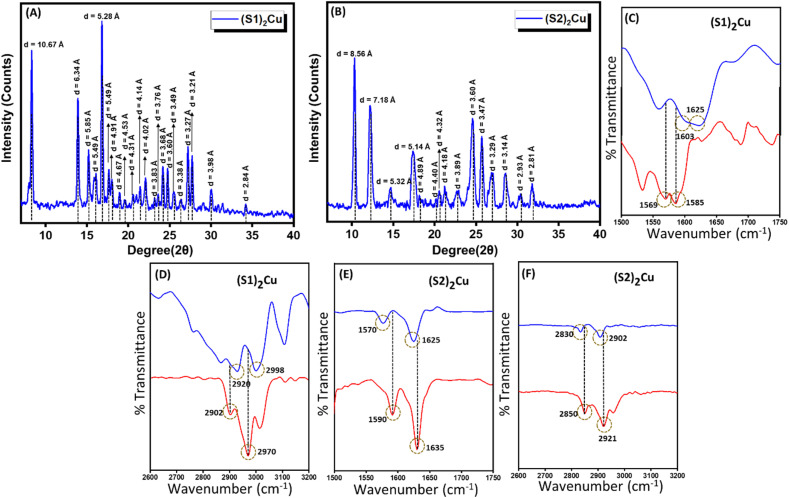 Figure 6
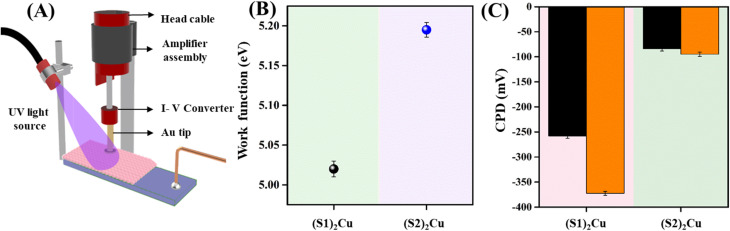 Figure 7
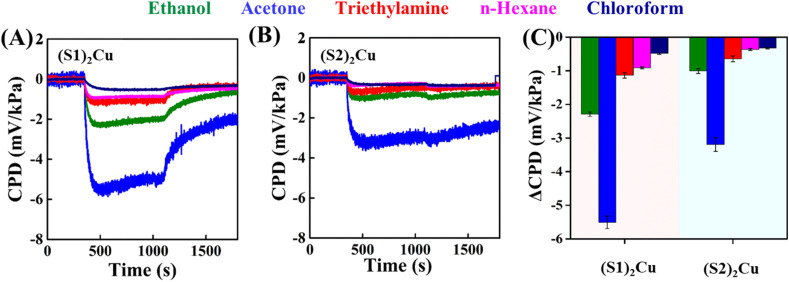 Figure 8
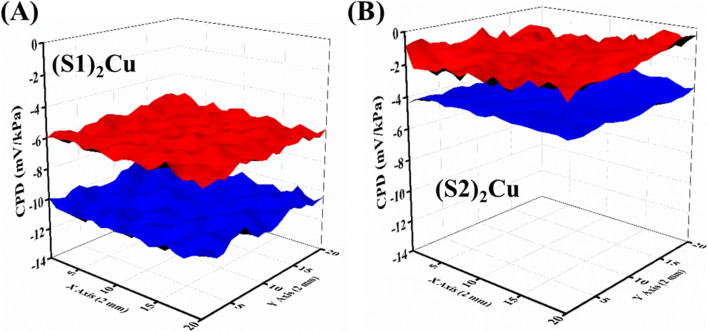 Figure 9
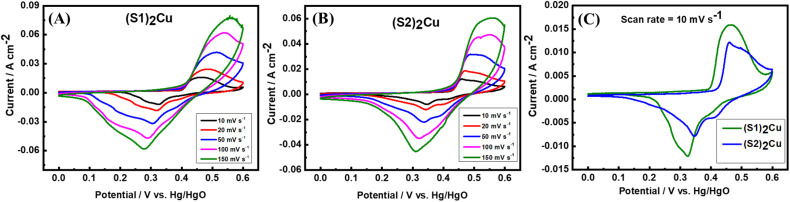 Figure 10
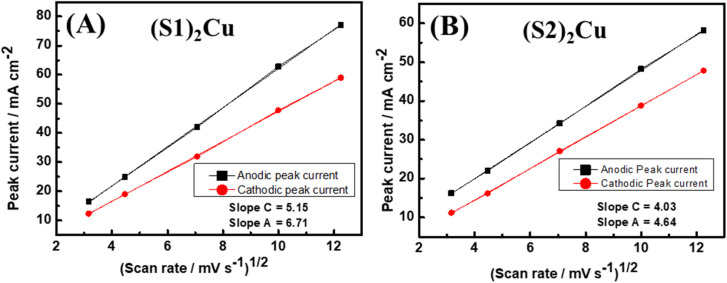 Figure 11
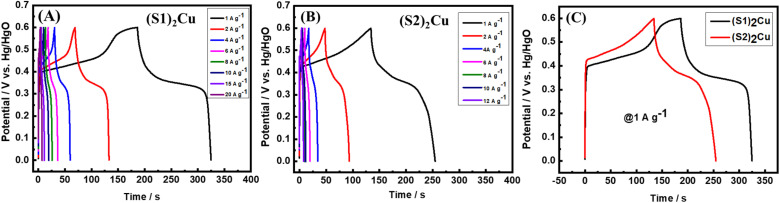 Figure 12
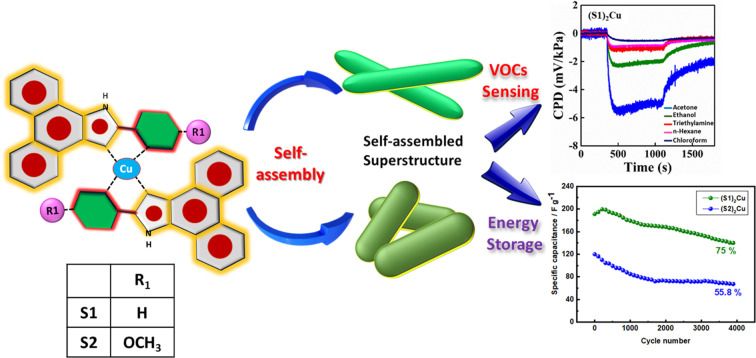 Figure 13
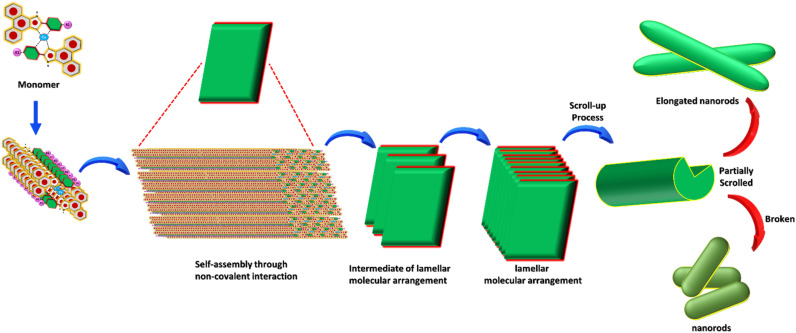 Figure 14
 Figure 15
 Figure 16
 Figure 17
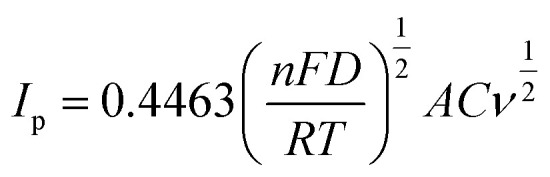 Figure 18
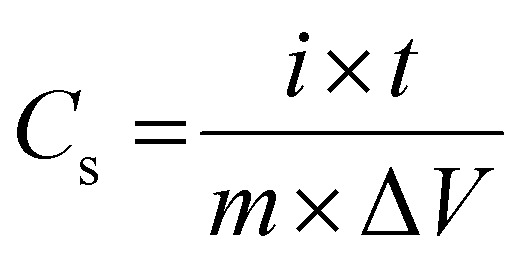 Figure 19
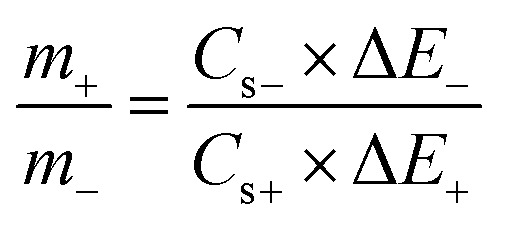 Figure 20
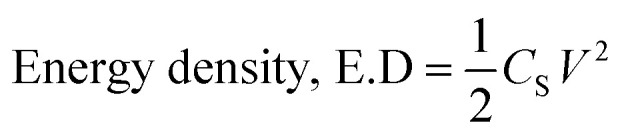 Figure 21
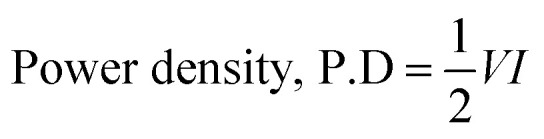 Figure 22
Peer Reviews
No public reviews on file for this paper yet. If you reviewed it on a platform where reviews are public (OpenReview, ICLR, NeurIPS, ICML), you can paste yours below so the community can read it here.
Videos
No videos yet. Explain this paper in a talk, walkthrough, or lecture? Add one.
Taxonomy
TopicsMetal-Organic Frameworks: Synthesis and Applications · Conducting polymers and applications · Polyoxometalates: Synthesis and Applications