Antioxidant Potential and Volatile Aroma Profiling of Red Wines from the Tarnave Vineyard
Diana Ionela Popescu (Stegarus), Wilhemine Claudia Nicoleta Sas, Ovidiu Tița, Violeta-Carolina Niculescu, Nicoleta Anca Ionescu (Șuțan)

TL;DR
This study explores the antioxidant and aroma properties of red wines from a vineyard in Romania, finding that Feteasca neagra has the highest antioxidant potential and Pinot noir has a rich volatile aroma profile.
Contribution
The study provides new insights into the chemical and sensory characteristics of red wines from a non-traditional viticultural region in Romania.
Findings
Feteasca neagra showed the highest antioxidant capacity with an IC50 of 115.32 µg/mL and a FRAP value of 13.45 mmol TE/L.
Pinot noir had the highest volatile compound concentration (99,018.57 µg/L) and a floral and fruity aroma profile.
Multivariate analysis confirmed significant varietal and terroir-specific differences in wine composition.
Abstract
The increasing demand for red wines, supported by their complex sensory features and rich biochemical composition, has encouraged cultivation in non-traditional viticultural regions. This study investigates the antioxidant potential and volatile composition of three red grape cultivars (Feteasca neagra, Merlot, and Pinot noir) cultivated in the Tarnave Vineyard, Romania, a region historically dedicated to white wines but now increasingly favorable to red varieties due to climate change. Antioxidant capacity, assessed via DPPH, Trolox equivalent antioxidant capacity (TEAC), and Ferric reducing antioxidant power (FRAP) assays, identified Feteasca neagra as the most potent (IC50: 115.32 µg/mL; FRAP: 13.45 mmol TE/L). Gas chromatography–mass spectrometry (GC–MS) profiling identified 61 volatile compounds, with Pinot noir showing the highest concentration (99,018.57 µg/L). Multivariate…
Genes, proteins, chemicals, diseases, species, mutations and cell lines named across the full text — each resolved to its canonical identifier and authoritative record.
Click any figure to enlarge with its caption.
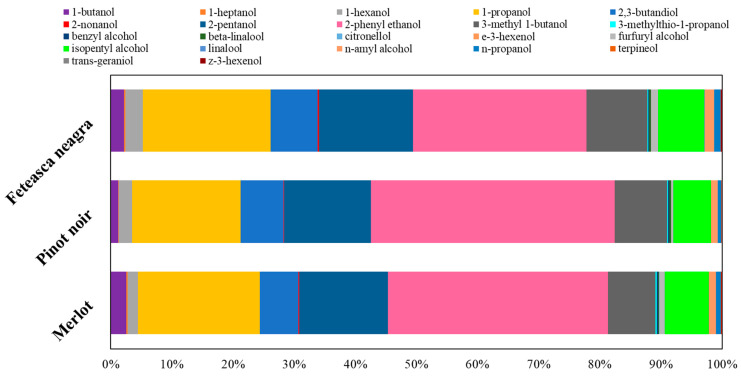 Figure 1
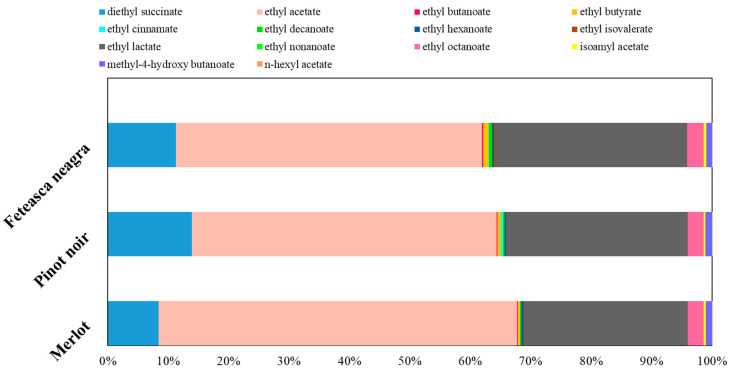 Figure 2
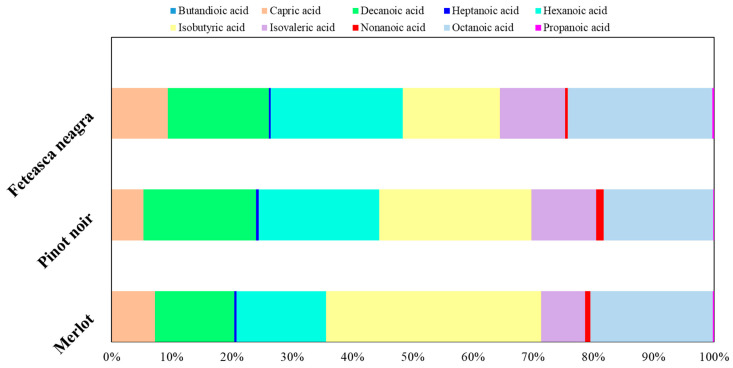 Figure 3
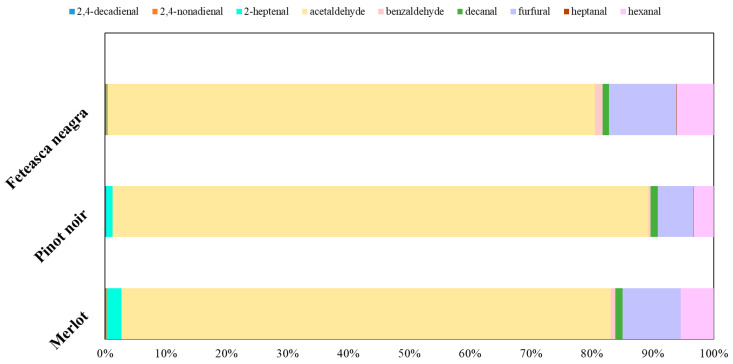 Figure 4
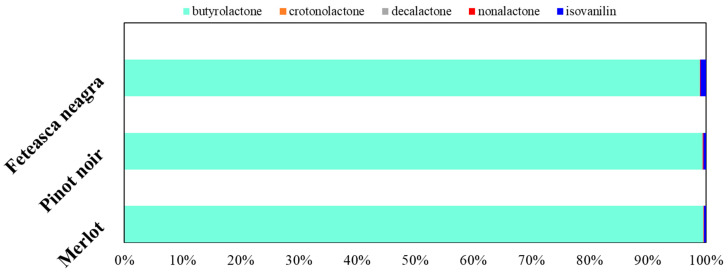 Figure 5
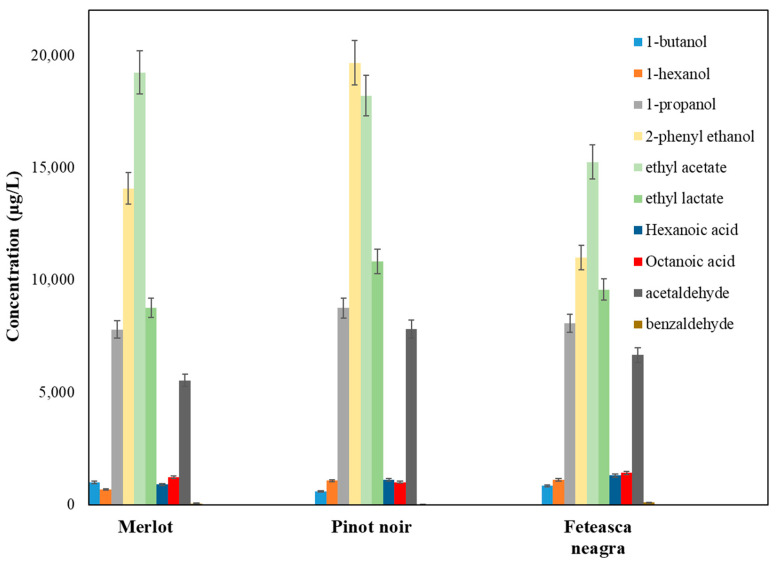 Figure 6
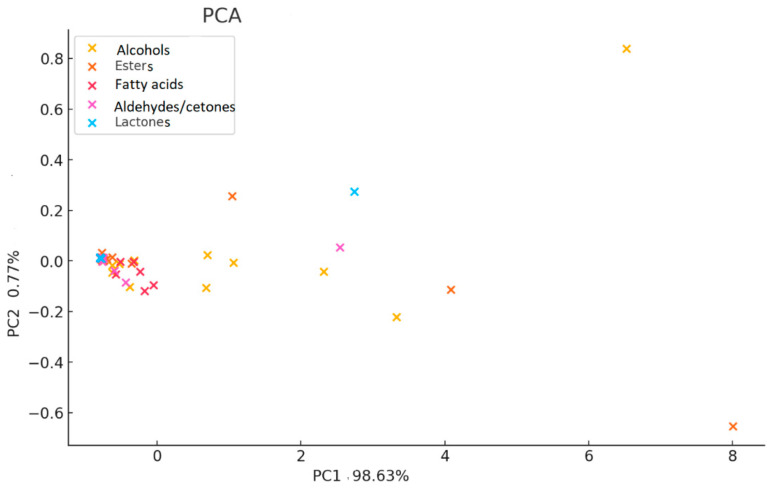 Figure 7
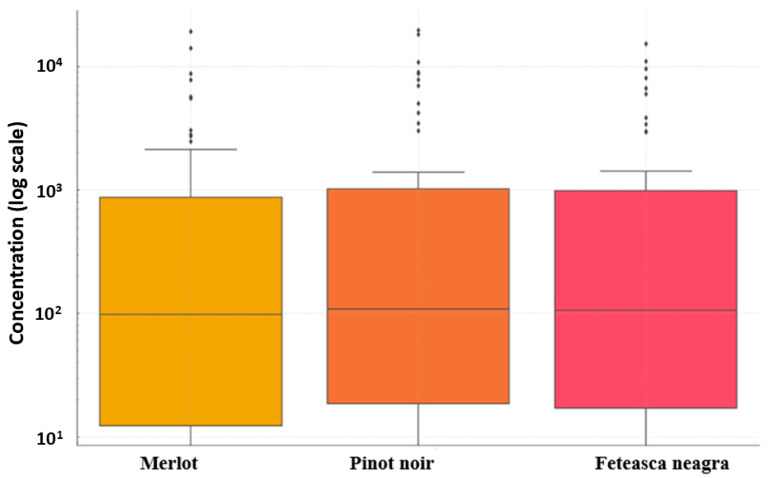 Figure 8
Peer Reviews
No public reviews on file for this paper yet. If you reviewed it on a platform where reviews are public (OpenReview, ICLR, NeurIPS, ICML), you can paste yours below so the community can read it here.
Videos
No videos yet. Explain this paper in a talk, walkthrough, or lecture? Add one.
Taxonomy
TopicsFermentation and Sensory Analysis · Horticultural and Viticultural Research · Bee Products Chemical Analysis