Structural and Computational Insights into Transketolase-like 1 (TKTL-1): Distinction from TKT and Implications for Cancer Metabolism and Therapeutic Targeting
Ahmad Junaid, Caleb J. Nwaogwugwu, Sameh H. Abdelwahed

TL;DR
This paper explores the structure and function of TKTL-1, a protein linked to cancer metabolism, and suggests ways to target it for drug development.
Contribution
The study provides a homology model and computational framework for understanding TKTL-1's structure and function, distinct from TKT.
Findings
A homology model of TKTL-1 was created and validated against TKT.
TKTL-1 shows reduced affinity for TDP compared to TKT, indicating functional divergence.
Predictive scaffolds for modulating TKTL-1 were proposed based on conserved residues and receptor surfaces.
Abstract
Transketolase-like protein 1 (TKTL-1) has been implicated in altered cancer metabolism, yet its structure and molecular function remain poorly understood. In this study, we established a homology model of TKTL-1 using multiple templates and validated it through sequence alignment and structural comparison with the canonical transketolase (TKT). Binding-site identification was performed using CASTp, receptor cavity mapping, and blind docking, all of which consistently pointed to a conserved region involving interactive residues shared between TKT and TKTL-1. Comparative docking revealed the reduced affinity of TKTL-1 for TDP, supporting functional divergence between TKTL-1 and TKT. We further analyzed conserved residues and receptor surfaces, which enabled us to propose predictive scaffolds as potential modulators of TKTL-1. While these scaffolds remain theoretical, they provide a…
Genes, proteins, chemicals, diseases, species, mutations and cell lines named across the full text — each resolved to its canonical identifier and authoritative record.
Click any figure to enlarge with its caption.
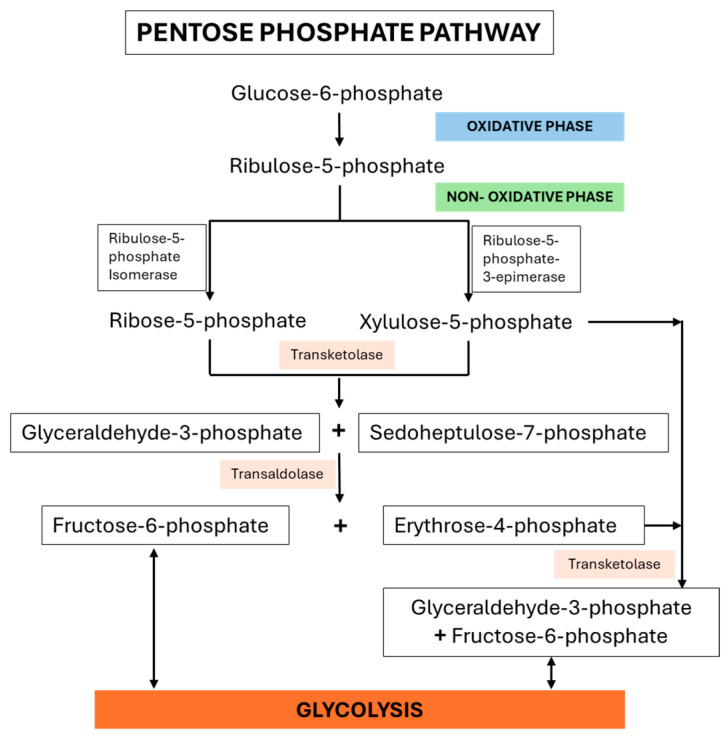 Figure 1
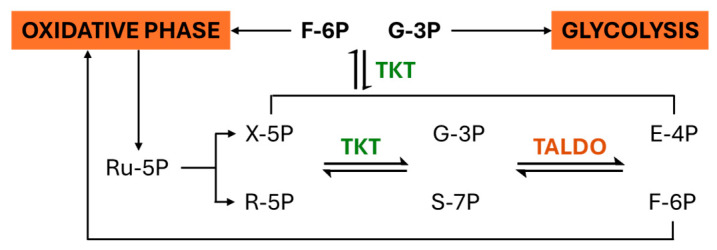 Figure 2
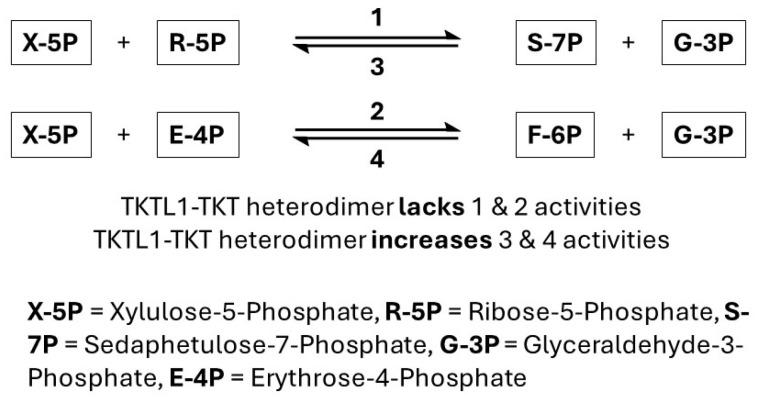 Figure 3
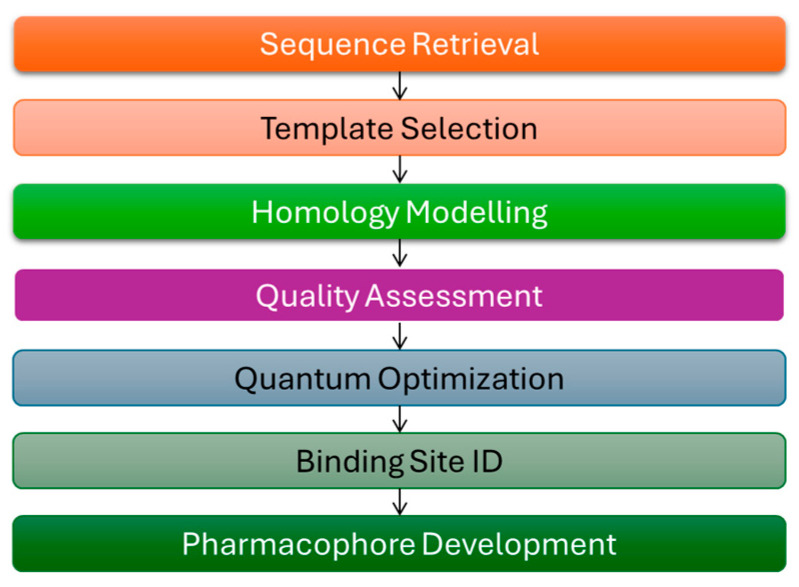 Figure 4
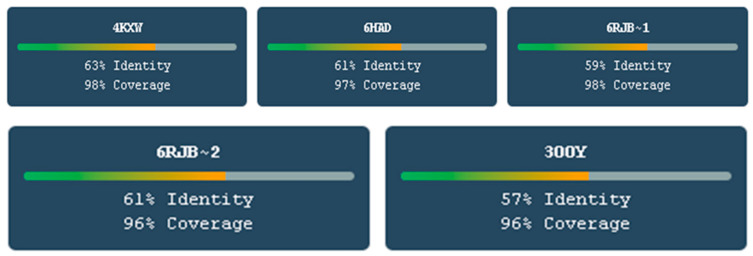 Figure 5
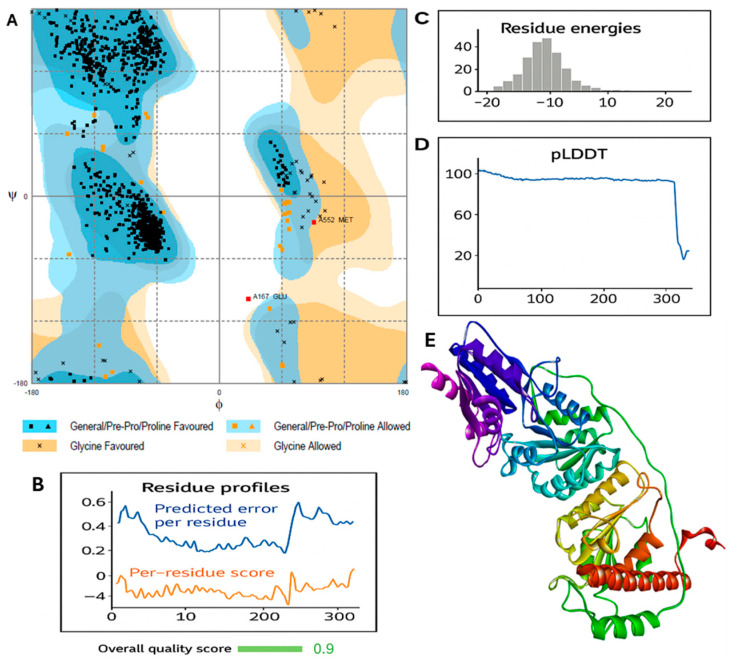 Figure 6
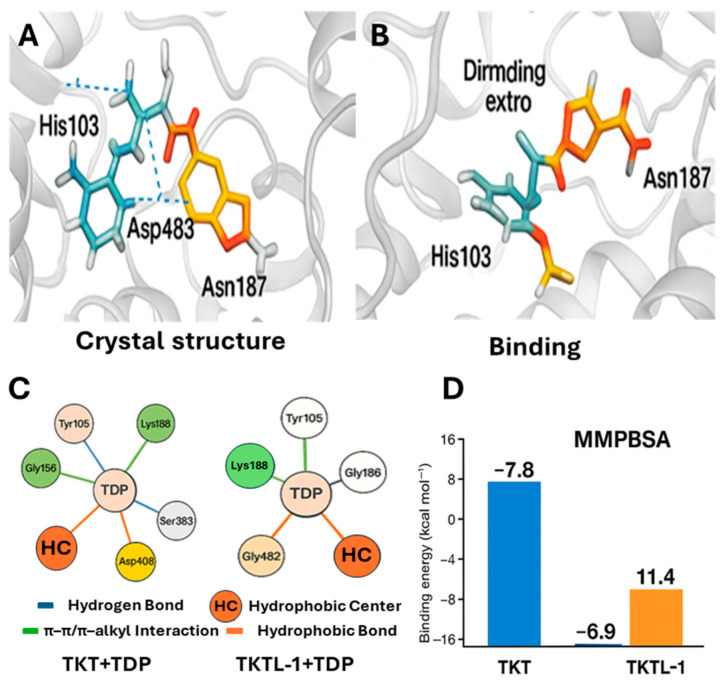 Figure 7
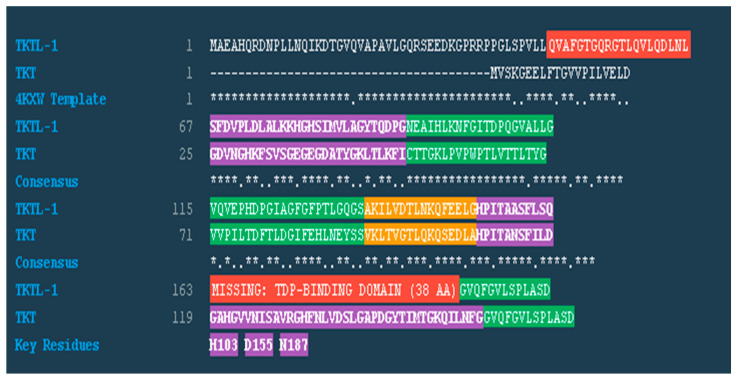 Figure 8
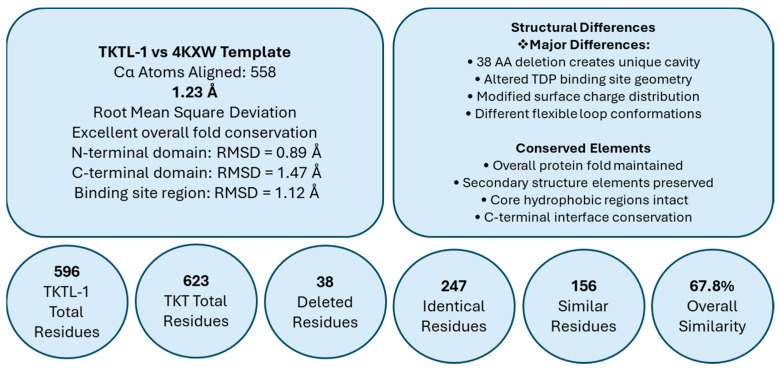 Figure 9
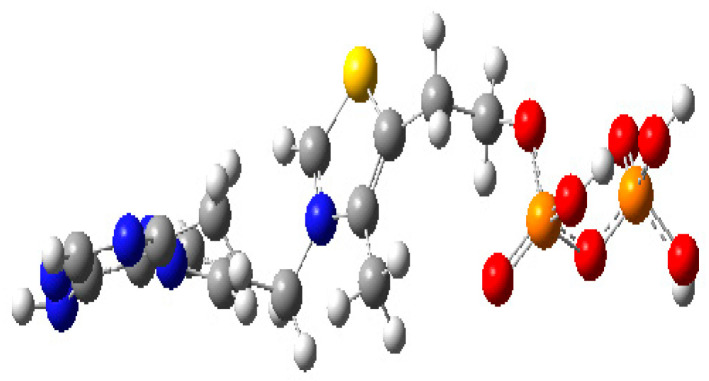 Figure 10
 Figure 11
 Figure 12
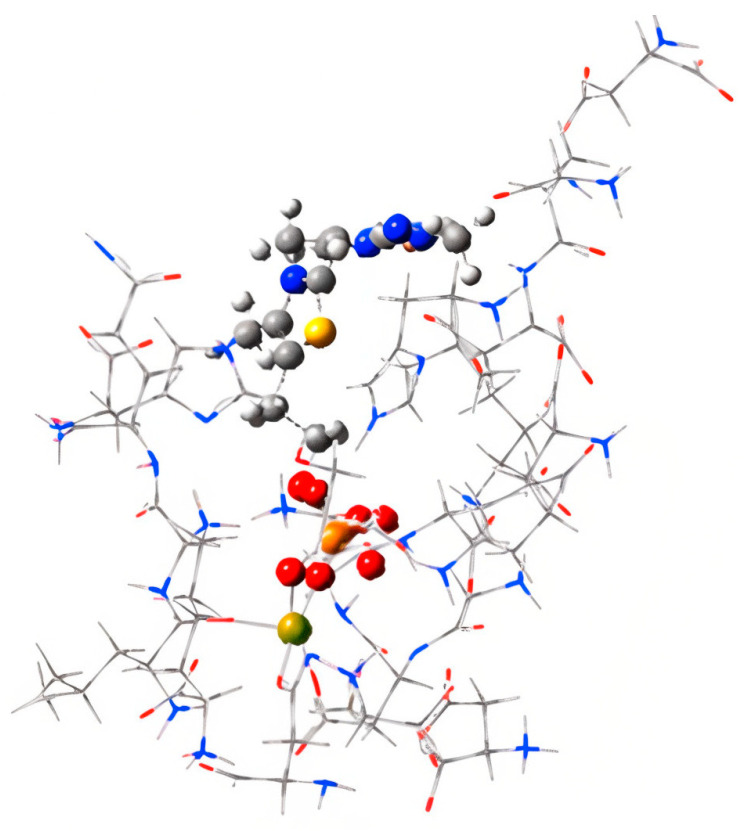 Figure 13
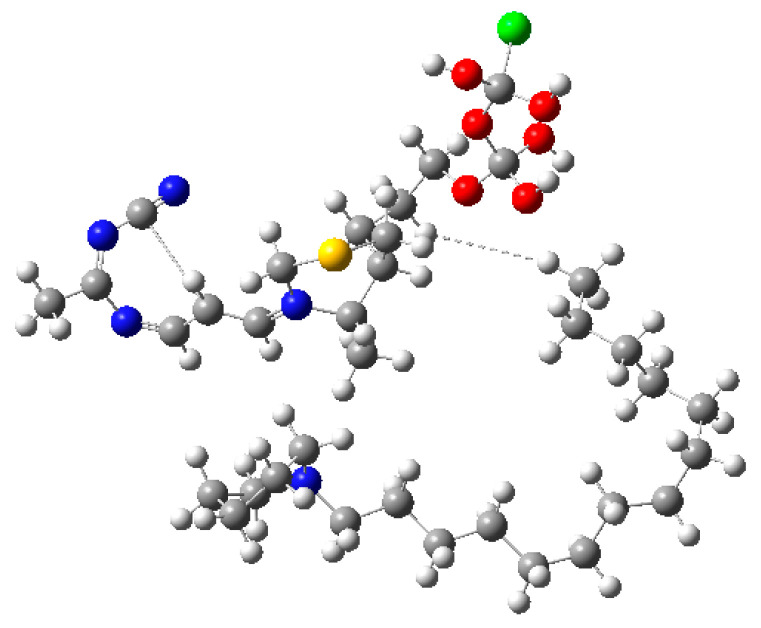 Figure 14
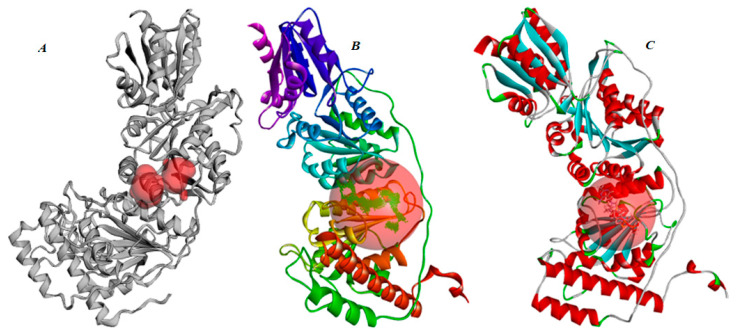 Figure 15
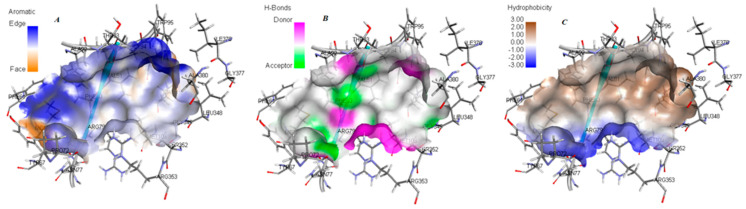 Figure 16
Peer Reviews
No public reviews on file for this paper yet. If you reviewed it on a platform where reviews are public (OpenReview, ICLR, NeurIPS, ICML), you can paste yours below so the community can read it here.
Videos
No videos yet. Explain this paper in a talk, walkthrough, or lecture? Add one.
Taxonomy
TopicsMetabolism, Diabetes, and Cancer · Microbial Metabolic Engineering and Bioproduction · Cancer, Hypoxia, and Metabolism