Antibacterial Activity of Bis(4-aminopyridinium) Compounds for Their Potential Use as Disinfectants
Carolina Arriaza-Echanes, Claudio A. Terraza, Mateus Frazao, Sebastián Reyes-Cerpa, Loreto Sanhueza, Pablo A. Ortiz

TL;DR
This study evaluates new organic salts as potential hospital disinfectants, finding that longer-chain compounds show strong antibacterial activity with low cytotoxicity.
Contribution
The study introduces bis(4-aminopyridinium) salts as novel disinfectant candidates with promising antibacterial and low cytotoxic properties.
Findings
Long-chain salts (C10 and C12) showed the highest antibacterial activity with MICs between 31.2 and 62.5 μg/mL.
C10 and C12 exhibited minimal cytotoxicity in HeLa cells, with only 5% after 24 hours.
C10 increases bacterial membrane permeability in both Gram-positive and Gram-negative bacteria.
Abstract
The following study presents the initial evaluation (solubility, thermal stability, antibacterial activity, and cytotoxicity) of a series of previously described organic salts, derived from the bis(4-aminopyridinium) cation with different chain lengths, for their potential use as hospital disinfectants. Of the salts studied, those with chain lengths between 2 and 10 carbon atoms (C2–C10) showed high solubility in water, methanol, and DMSO. All salts exhibited high thermal stability, showing a thermal decomposition temperature (T5%) above 330 °C. Antibiotic susceptibility testing of the studied E. coli, S. aureus, and S. typhimurium strains confirmed their resistance to different classes of commonly used clinical antibiotics, validating their selection. During the determination of antibacterial activity, the long-chain salts (C10 and C12) showed the greatest activity, with minimum…
Genes, proteins, chemicals, diseases, species, mutations and cell lines named across the full text — each resolved to its canonical identifier and authoritative record.
Click any figure to enlarge with its caption.
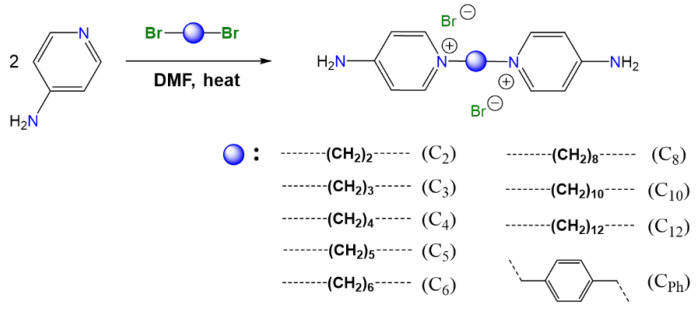 Figure 1
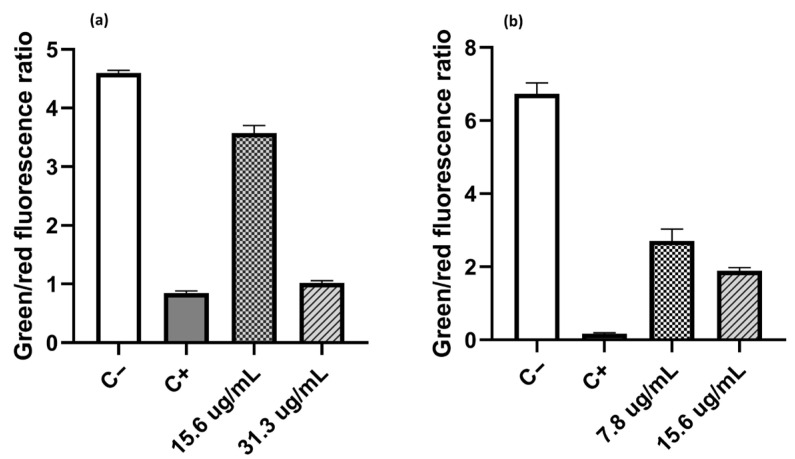 Figure 2
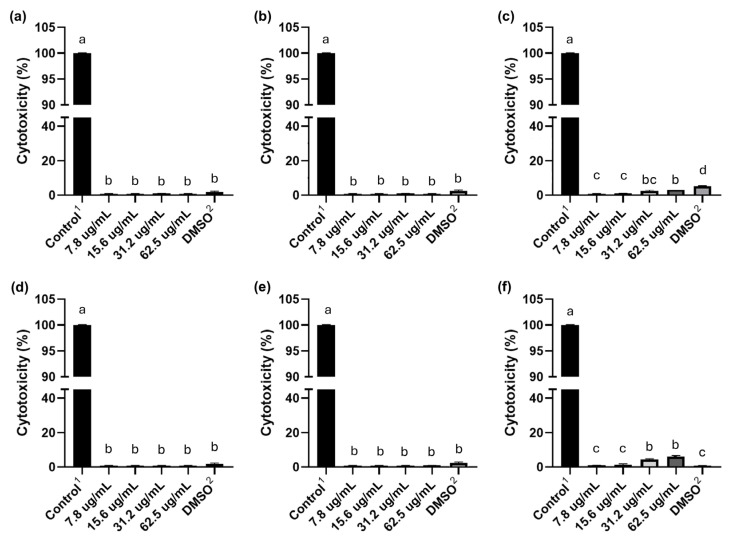 Figure 3
 Figure 4
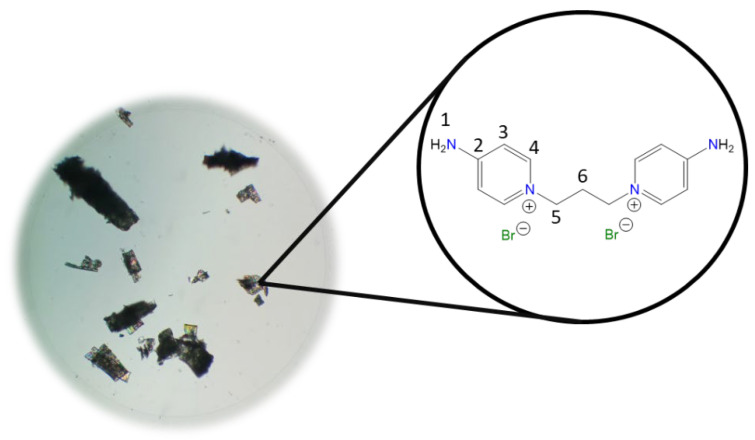 Figure 5
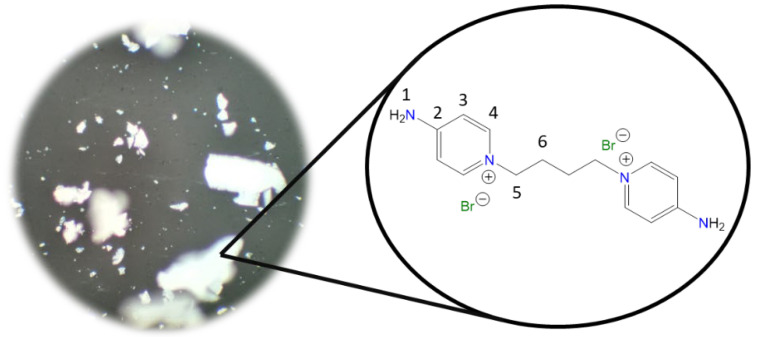 Figure 6
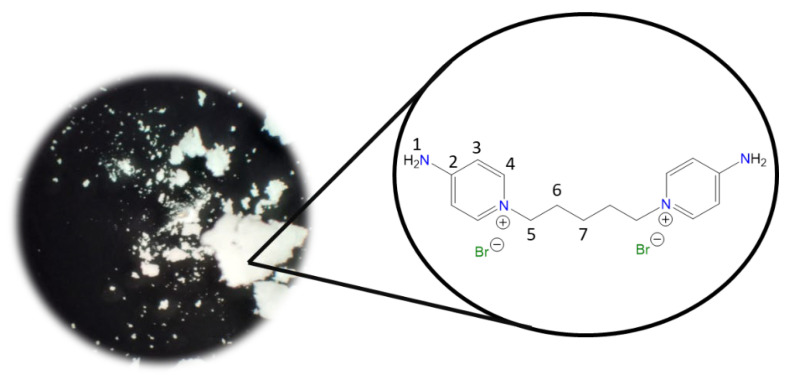 Figure 7
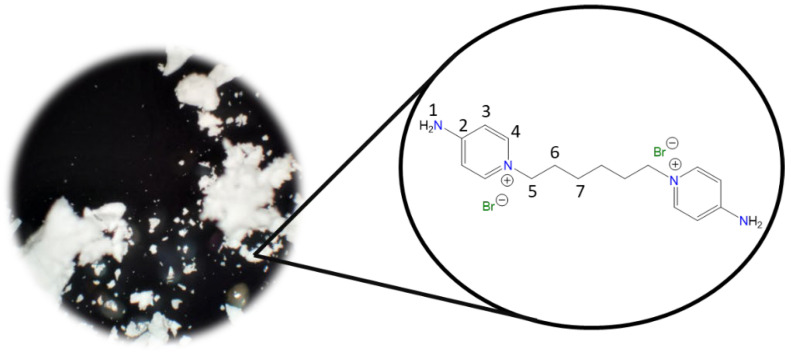 Figure 8
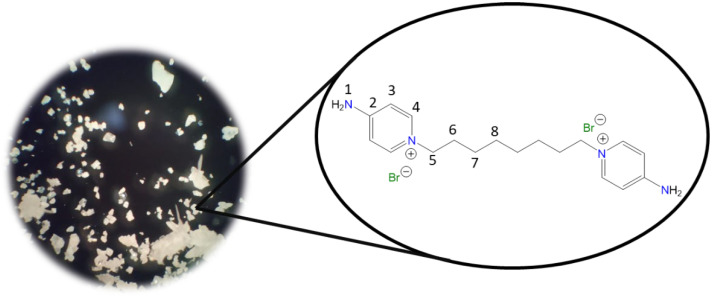 Figure 9
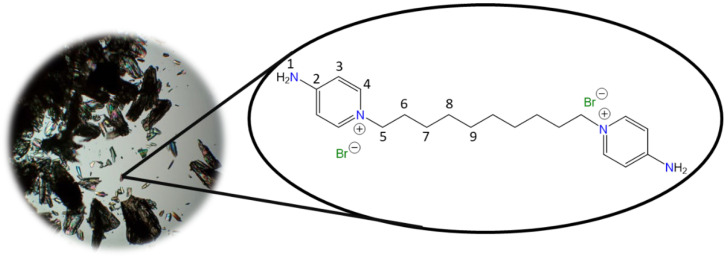 Figure 10
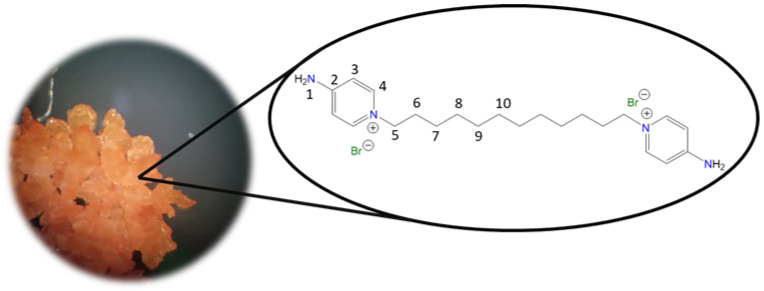 Figure 11
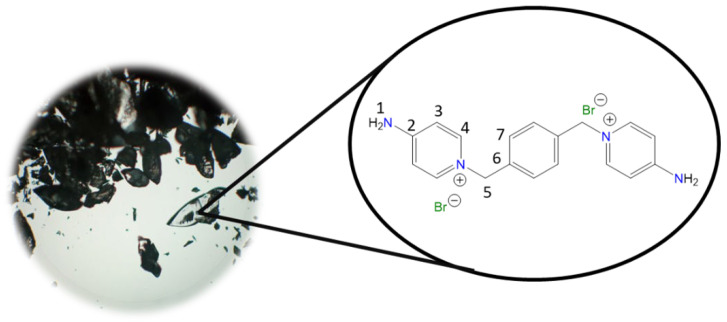 Figure 12
Peer Reviews
No public reviews on file for this paper yet. If you reviewed it on a platform where reviews are public (OpenReview, ICLR, NeurIPS, ICML), you can paste yours below so the community can read it here.
Videos
No videos yet. Explain this paper in a talk, walkthrough, or lecture? Add one.
Taxonomy
TopicsPhenothiazines and Benzothiazines Synthesis and Activities · Antimicrobial agents and applications · Antimicrobial Resistance in Staphylococcus