Brassica Extracts Prevent Benzo(a)pyrene-Induced Transformation by Modulating Reactive Oxygen Species and Autophagy
José Benito Montes-Alvarado, Paula Garcia-Ibañez, Diego A. Moreno, Fabiola Lilí Sarmiento-Salinas, Xiadani Edén Susano-Hernández, Karen Andrea Larrauri-Rodríguez, Francisco Jesús García-Hernández, Lorena Milflores-Flores, Fabiola Domínguez, Paola Maycotte

TL;DR
This study shows that extracts from broccoli sprouts and red cabbage can prevent cancer-like changes caused by a known carcinogen by reducing harmful molecules and boosting cell cleanup processes.
Contribution
The novel finding is that red cabbage extract can induce autophagy, a tumor-suppressing process, in addition to reducing carcinogen-induced damage.
Findings
Broccoli sprout and red cabbage extracts reduced benzo(a)pyrene-induced cell proliferation and reactive oxygen species.
Red cabbage extract induced autophagy in MCF10A cells.
The extracts may be useful in preventing carcinogen-induced transformation.
Abstract
Plants from the Brassicaceae family are characterized by their high content of glucosinolates (GSLs), whose hydrolysis products, isothiocyanates (ITC) or indole compounds, have been found to have anti-inflammatory, antioxidant and metabolic regulatory functions. In this work, we used a model of transformation using the MCF10A cell line, a non-tumorigenic breast fibrocystic disease cell line, treated with benzo(a)pyrene (B(a)P), a potent carcinogen known to induce the production of reactive oxygen species (ROS) and DNA damage. Broccoli sprout (BSE) or red cabbage aqueous (RCA) extracts were rich in ITC and indole compounds. Their use decreased B(a)P induced cellular proliferation and ROS production. in addition, RCA extract induced autophagy in MCF10A cells. Our results indicate a potential use of BSE or RCA for the prevention of carcinogen-induced transformation and of RCA as a method…
Genes, proteins, chemicals, diseases, species, mutations and cell lines named across the full text — each resolved to its canonical identifier and authoritative record.
Click any figure to enlarge with its caption.
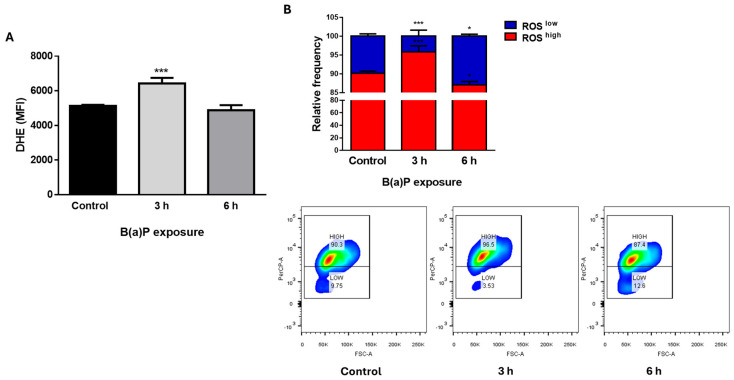 Figure 1
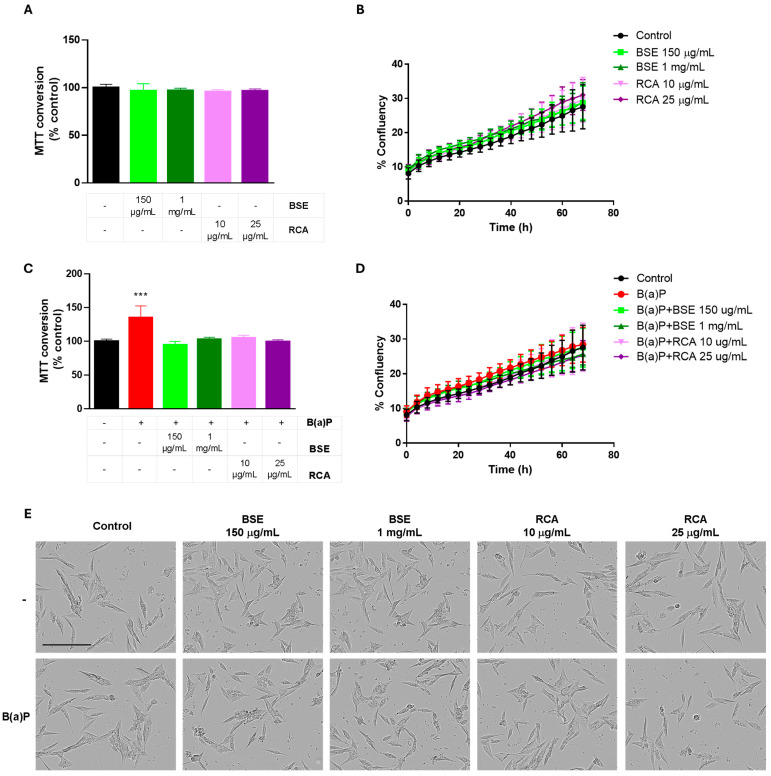 Figure 2
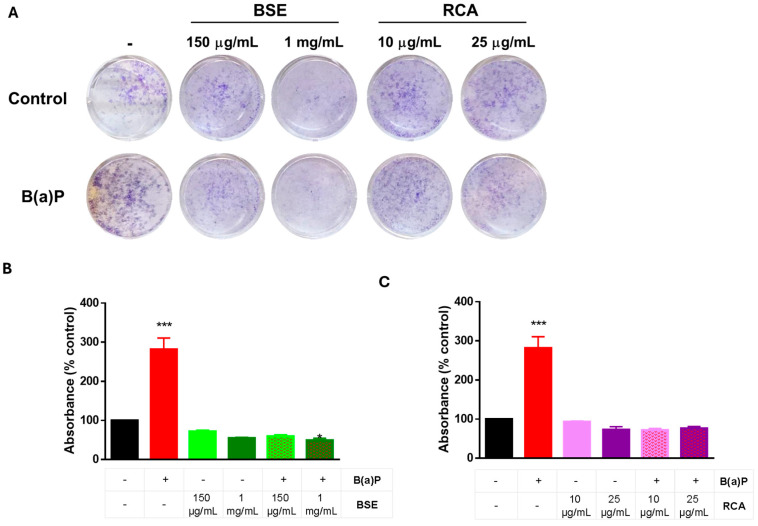 Figure 3
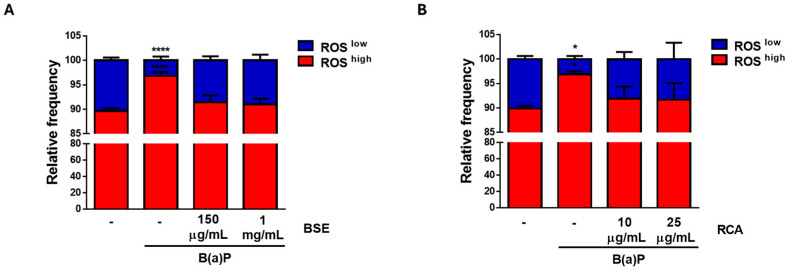 Figure 4
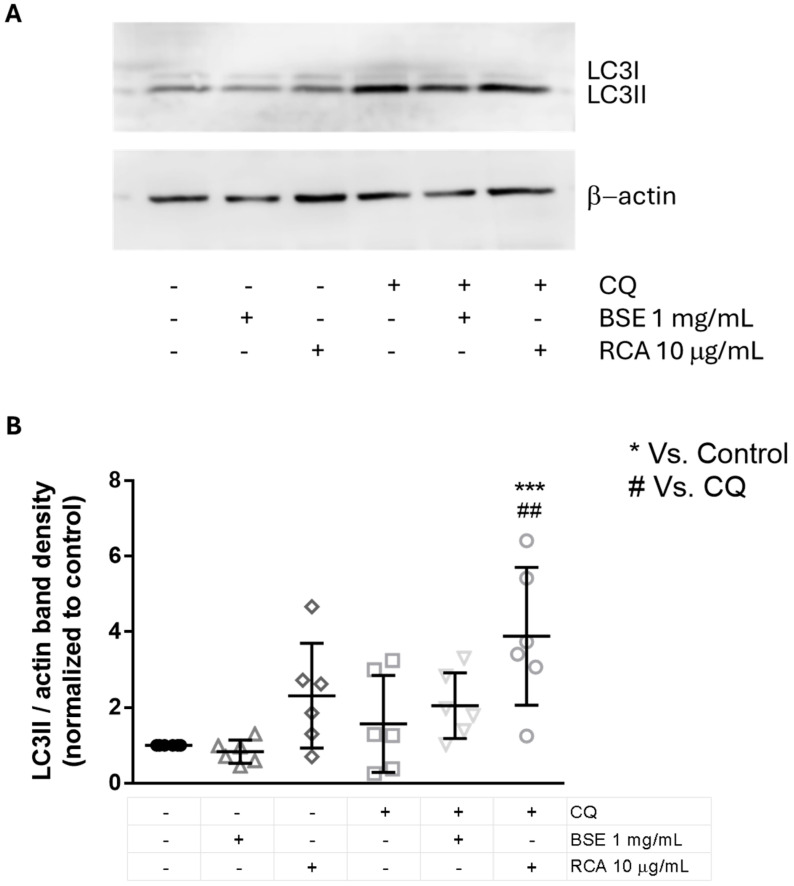 Figure 5
Peer Reviews
No public reviews on file for this paper yet. If you reviewed it on a platform where reviews are public (OpenReview, ICLR, NeurIPS, ICML), you can paste yours below so the community can read it here.
Videos
No videos yet. Explain this paper in a talk, walkthrough, or lecture? Add one.
Taxonomy
TopicsGenomics, phytochemicals, and oxidative stress · Sirtuins and Resveratrol in Medicine · Plant pathogens and resistance mechanisms