An Innovative Immunotoxin Design Against Allergy Based on the IL-33 Cytokine and the Ribotoxin α-Sarcin
Javier Narbona, Rodrigo Lázaro-Gorines, Adrián Gutiérrez-Carmona, Juan Carlos López-Rodríguez, Mayte Villalba, Javier Lacadena

TL;DR
This paper introduces a new allergy-targeting immunotoxin combining IL-33 and α-sarcin to reduce allergic inflammation while minimizing harmful immune responses.
Contribution
A novel immunotoxin, IL-33αS, is designed to target ST2+ cells and reduce Th2 cytokine secretion in allergic reactions.
Findings
IL-33αS binds to ST2+ cells and retains the ribonucleolytic activity of α-sarcin.
IL-33αS induces significantly less IL-13 secretion compared to mIL-33.
The immunotoxin shows potential for targeted cytotoxicity in allergy treatment.
Abstract
Allergies constitute one of the major health problems worldwide, increasing their prevalence in developed countries. To overcome this multifactorial disease, immunotherapy and the use of immune molecules, such as immunotoxins, have arisen as promising therapeutic tools. We have designed, produced, and characterized a new immunotoxin called IL-33αS, encompassing the murine IL-33 (mIL-33) as the target domain and the ribotoxin α-sarcin as the toxic domain. IL-33 is a widely described alarmin that binds to the ST2 receptor of a variety of immune cells, including ILC2s, leading to Th2-derived inflammatory response, as occurs in allergic reactions. Both IL-33αS and mIL-33 were successfully produced in the methylotrophic yeast Pichia pastoris and purified to homogeneity through affinity chromatography for their characterization. Both IL-33αS and mIL-33 were able to specifically bind to ST2+…
Genes, proteins, chemicals, diseases, species, mutations and cell lines named across the full text — each resolved to its canonical identifier and authoritative record.
Click any figure to enlarge with its caption.
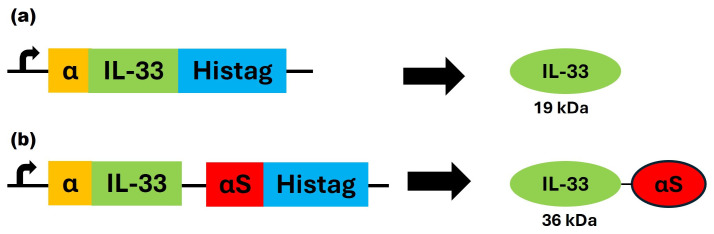 Figure 1
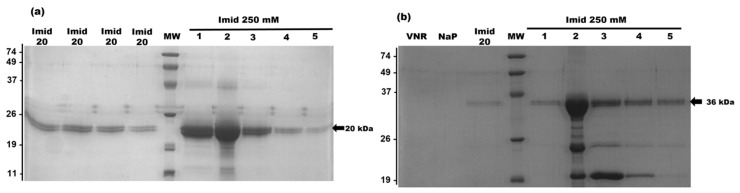 Figure 2
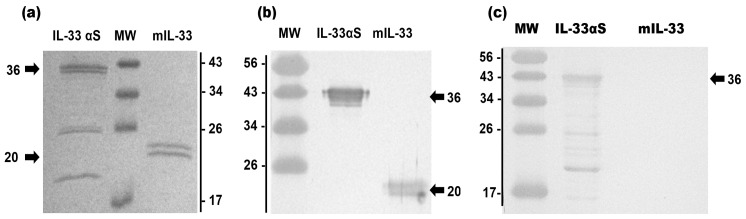 Figure 3
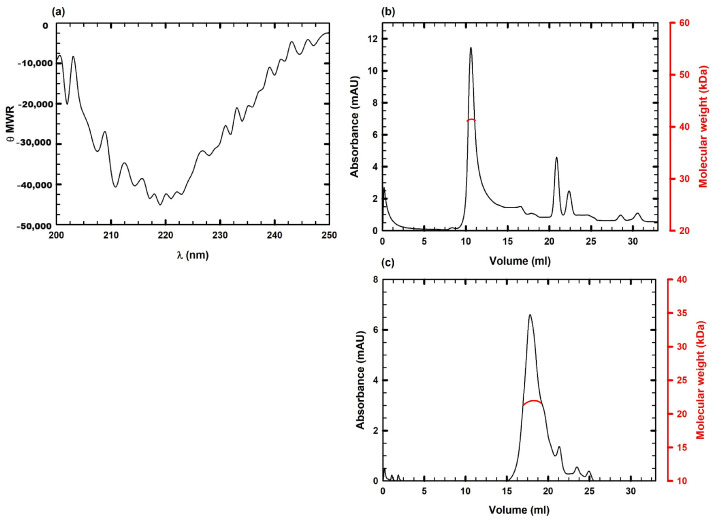 Figure 4
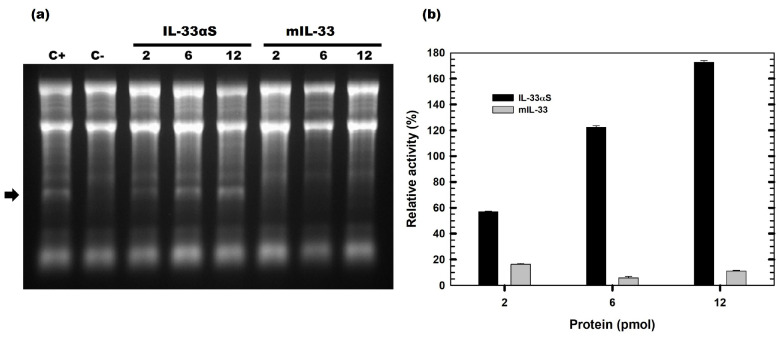 Figure 5
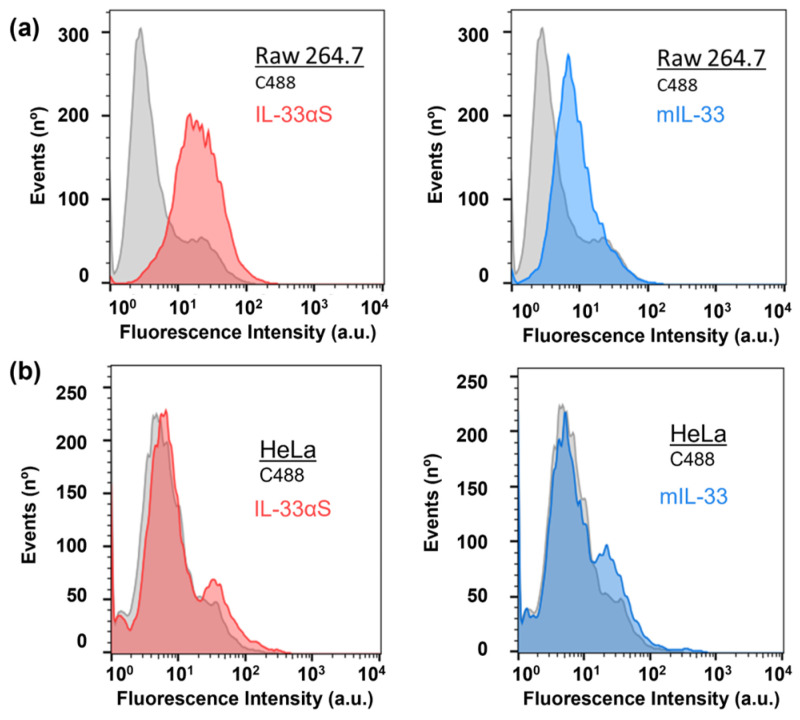 Figure 6
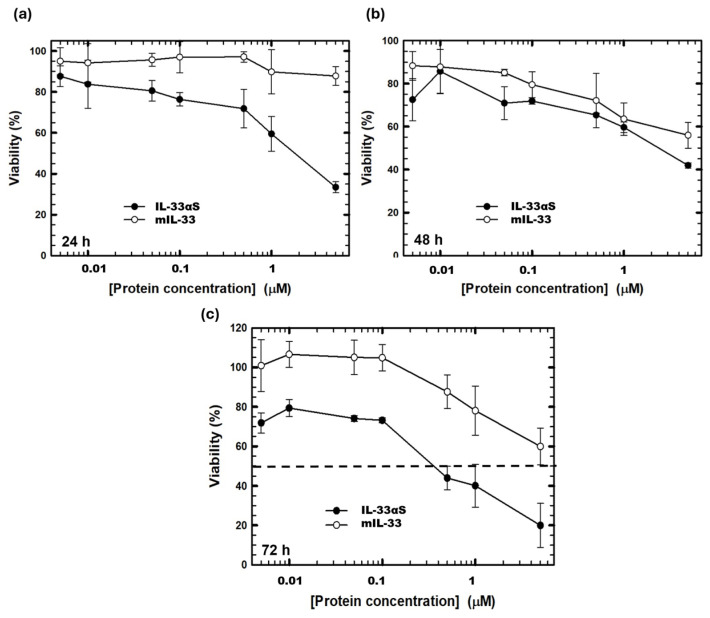 Figure 7
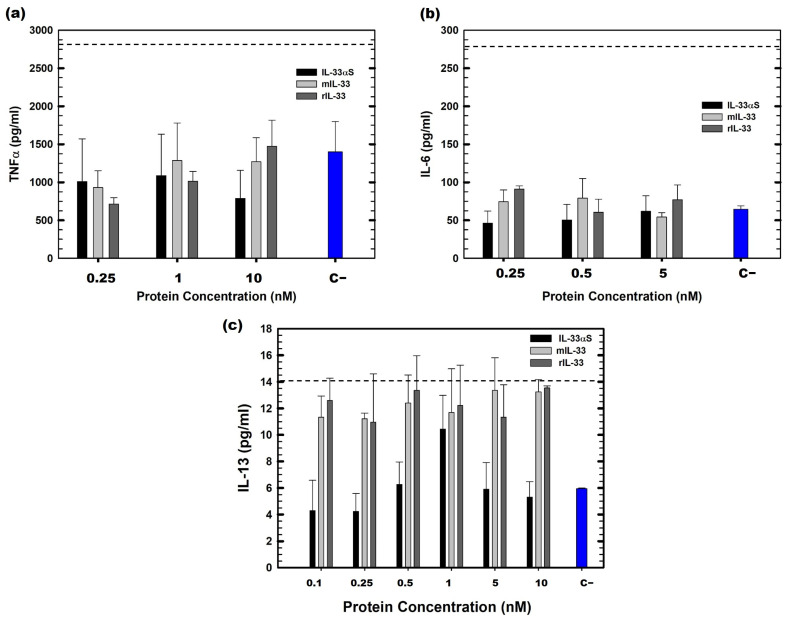 Figure 8
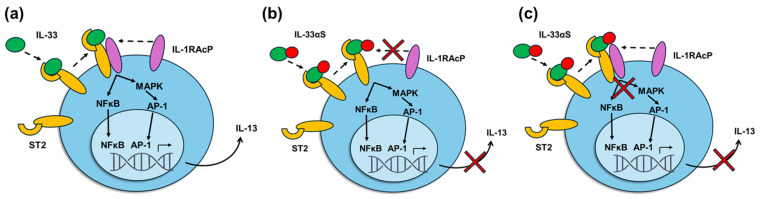 Figure 9
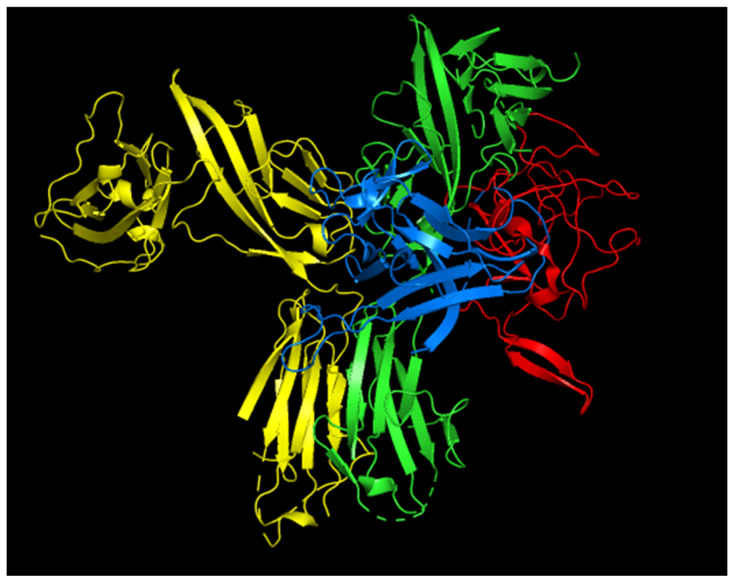 Figure 10
Peer Reviews
No public reviews on file for this paper yet. If you reviewed it on a platform where reviews are public (OpenReview, ICLR, NeurIPS, ICML), you can paste yours below so the community can read it here.
Videos
No videos yet. Explain this paper in a talk, walkthrough, or lecture? Add one.
Taxonomy
TopicsIL-33, ST2, and ILC Pathways · Vector-Borne Animal Diseases