A Comparison of Discrete Crack and Smeared Crack Methods Applied to CFRP/Al Riveting Damage Modeling
Minghao Zhang, Kun Tian, Zengqiang Cao, Tong-Earn Tay

TL;DR
This paper compares two methods for modeling damage in carbon-fiber and aluminum aircraft rivets, showing how rivet-hole clearance affects initial damage.
Contribution
The study introduces a discrete crack modeling method using the floating node method for more accurate riveting damage simulation.
Findings
Interference distribution in the joint is non-uniform along the axial direction.
Increasing rivet-hole clearance reduces initial riveting damage.
The floating node method accurately models matrix cracks and delamination but is less computationally efficient.
Abstract
Carbon-fiber-reinforced-polymer/aluminum (CFRP/Al) double-sided countersunk riveted joint is a key joining technology for lightweight and high-performance aircraft structures. Advanced numerical simulation techniques are helpful in predicting riveting damage evolution and the optimization of the joining process. In this study, a discrete crack modeling (DCM) method based on the floating node method (FNM) was employed to investigate the initial riveting damage behavior and interference characteristics during the electromagnetic riveting (EMR) process with five cases of rivet-hole clearances. The results were compared with those obtained from the conventional smeared crack method (SCM). The findings show that the interference distribution along the axial direction of the joint is non-uniform, and increasing the rivet-hole clearance helps alleviate the initial riveting damage. The FNM…
Genes, proteins, chemicals, diseases, species, mutations and cell lines named across the full text — each resolved to its canonical identifier and authoritative record.
Click any figure to enlarge with its caption.
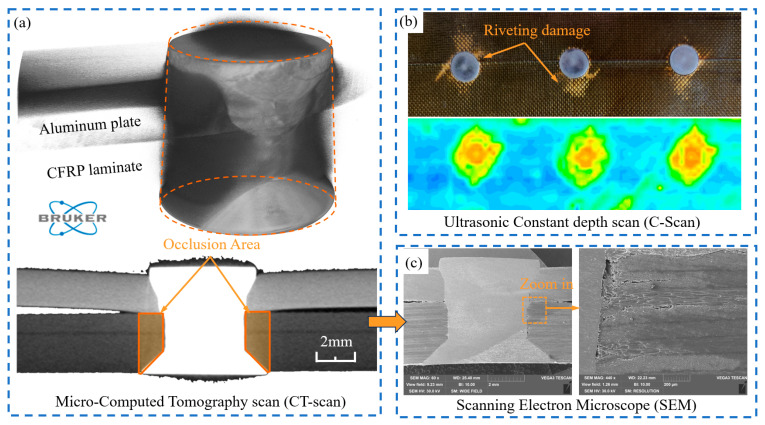 Figure 1
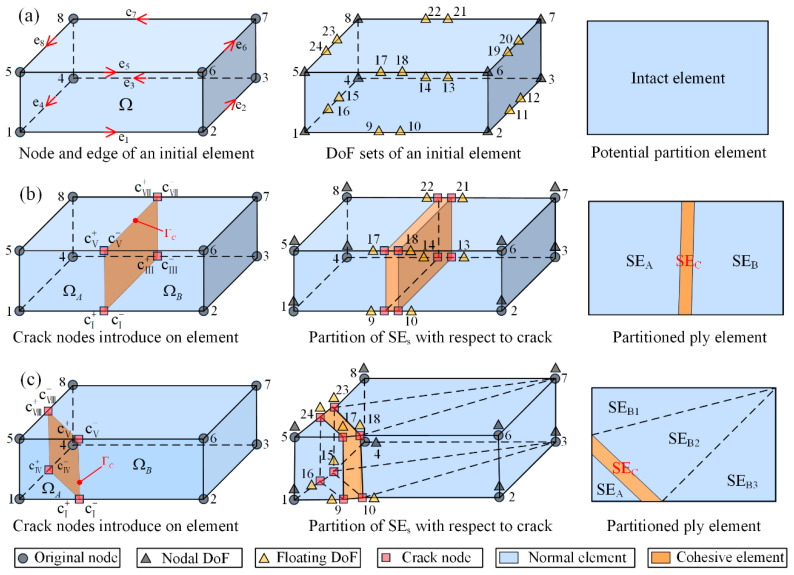 Figure 2
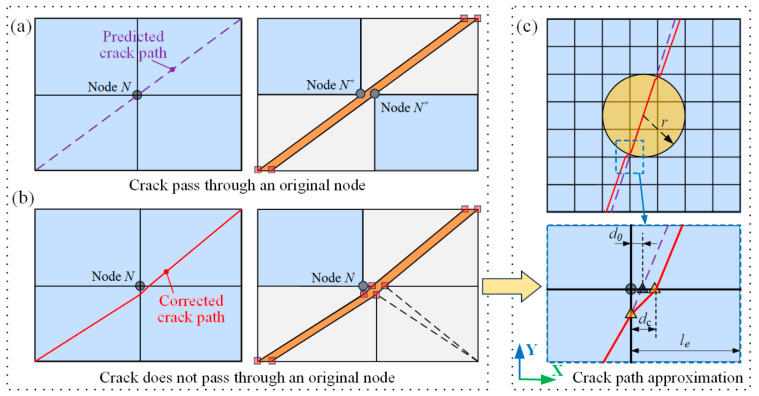 Figure 3
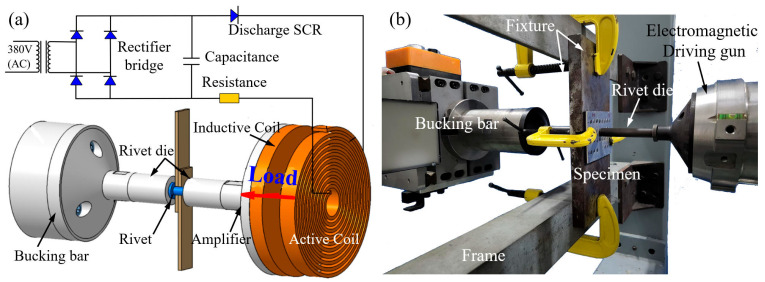 Figure 4
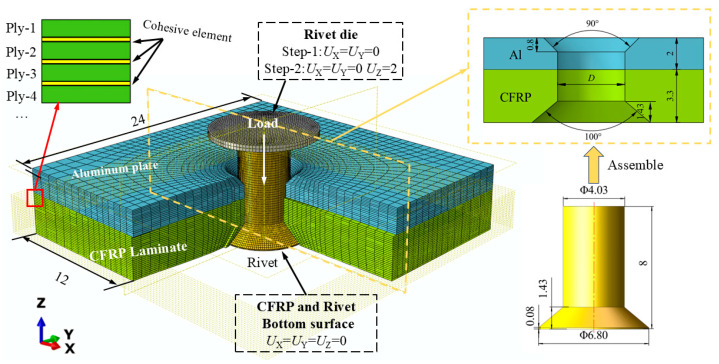 Figure 5
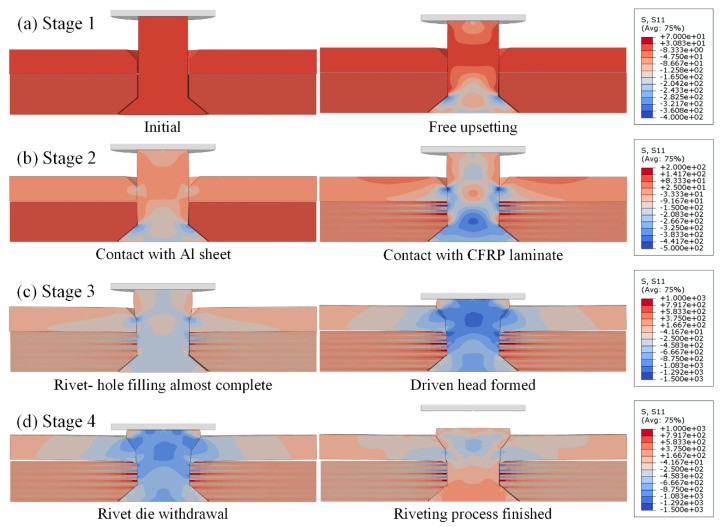 Figure 6
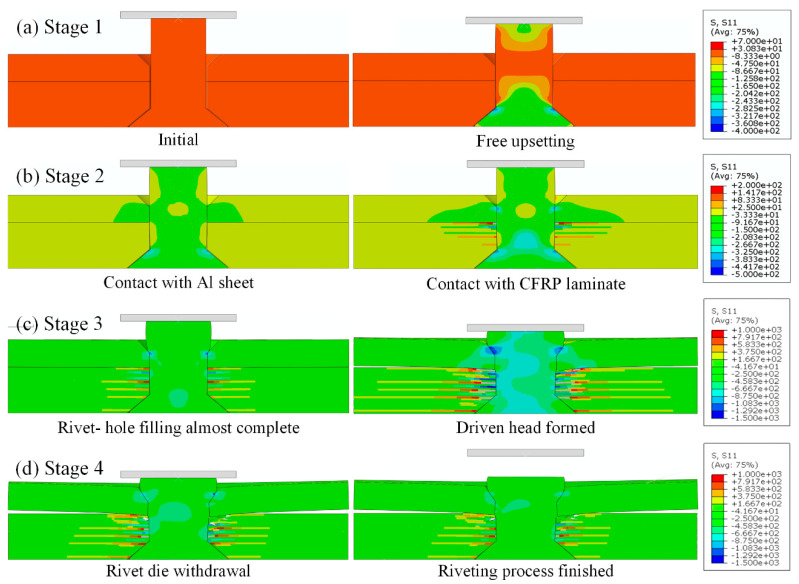 Figure 7
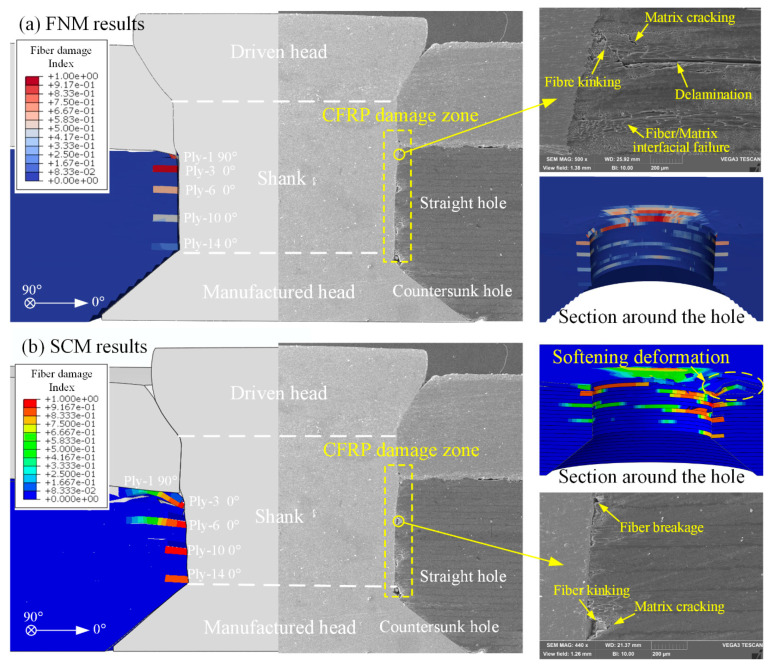 Figure 8
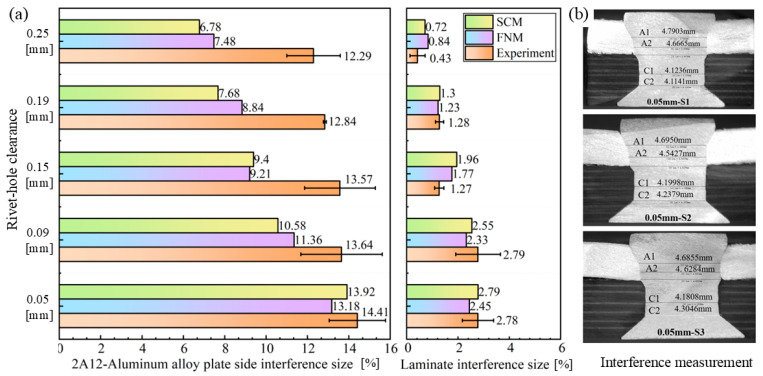 Figure 9
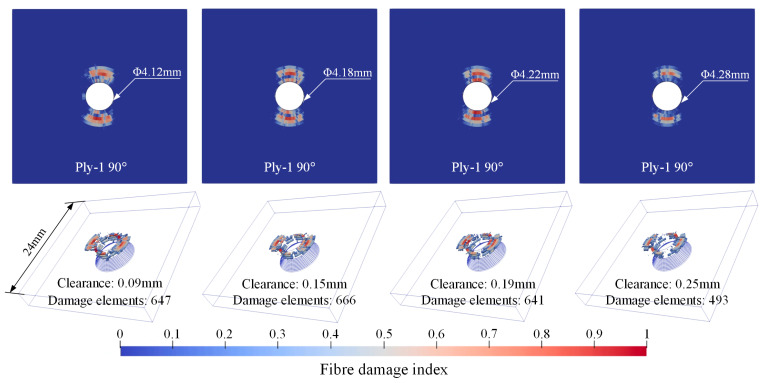 Figure 10
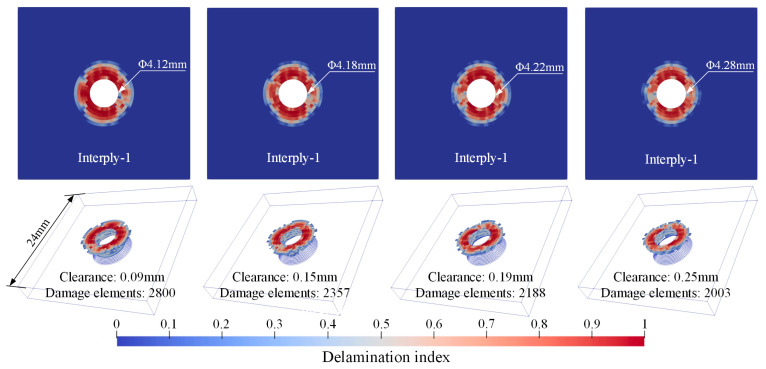 Figure 11
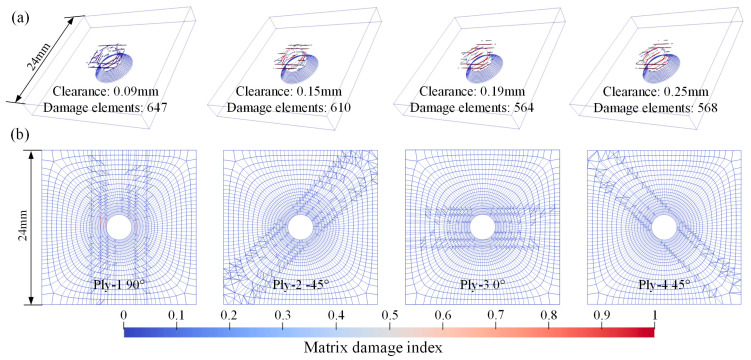 Figure 12
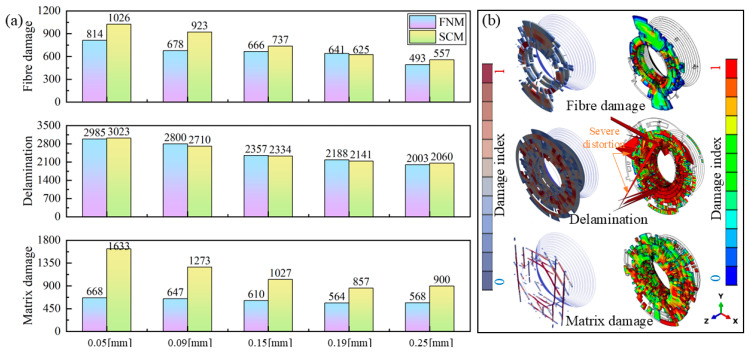 Figure 13
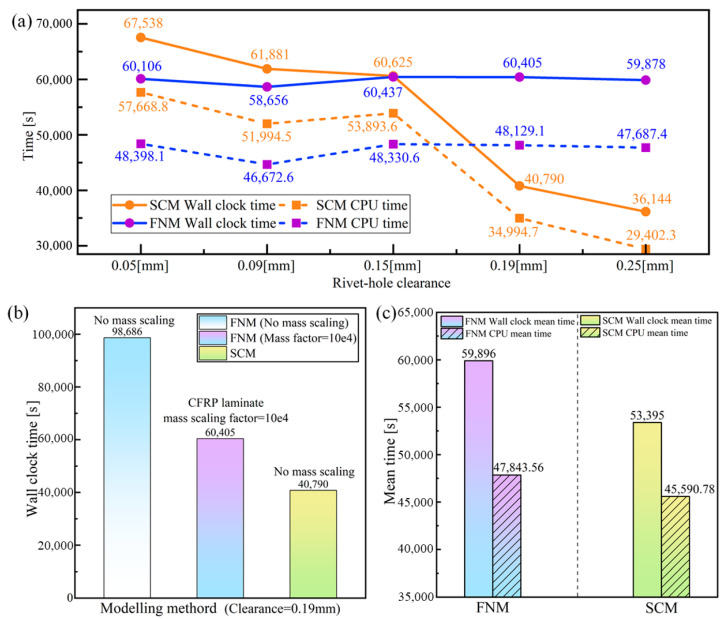 Figure 14
Peer Reviews
No public reviews on file for this paper yet. If you reviewed it on a platform where reviews are public (OpenReview, ICLR, NeurIPS, ICML), you can paste yours below so the community can read it here.
Videos
No videos yet. Explain this paper in a talk, walkthrough, or lecture? Add one.
Taxonomy
TopicsMechanical Behavior of Composites · Fatigue and fracture mechanics · Advanced Welding Techniques Analysis