Chloroplast Genome Diversity and Marker Potentials of Diverse Ensete ventricosum Accessions
Manosh Kumar Biswas, Bulbul Ahmed, Mohamed Hijri, Trude Schwarzacher, J. S. (Pat) Heslop-Harrison

TL;DR
This paper analyzes the chloroplast genomes of 15 Ensete ventricosum landraces to study genetic diversity and identify molecular markers for conservation and breeding.
Contribution
The study provides the first comparative analysis of chloroplast genomes in E. ventricosum and identifies SSR markers for genetic improvement.
Findings
The chloroplast genomes of E. ventricosum landraces are highly conserved in structure and gene content.
Simple sequence repeats (SSRs) are predominantly located in the large single-copy region and enriched in A/T nucleotides.
Phylogenetic analysis reveals a common origin for most landraces, with notable genetic divergence in a China sample.
Abstract
Ensete ventricosum is a morphologically gigantic, monocot, diploid sister to the banana plant species. It is commercially cultivated as a starch source, only in Ethiopia, where it feeds twenty million people. Here, the complete chloroplast (CP) genomes of 15 diverse landraces of E. ventricosum were assembled and annotated, for comparative genomics, genetic diversity analysis, and molecular marker development. The assembled E. ventricosum CP genomes ranged between 168,388 and 168,806 bp. The sampled CP genomes were quadripartite in structure and had two single-copy regions, a large single-copy region (LSC, average length 88,657 bp), and a small single-copy region (SSC, average length 11,098 bp) separated by inverted repeat regions (IR, average length 34,437 bp). The total number of annotated genes varies between 135 and 138, including 89–92 protein-coding genes, 38 tRNA genes, and 4 rRNA…
Genes, proteins, chemicals, diseases, species, mutations and cell lines named across the full text — each resolved to its canonical identifier and authoritative record.
Click any figure to enlarge with its caption.
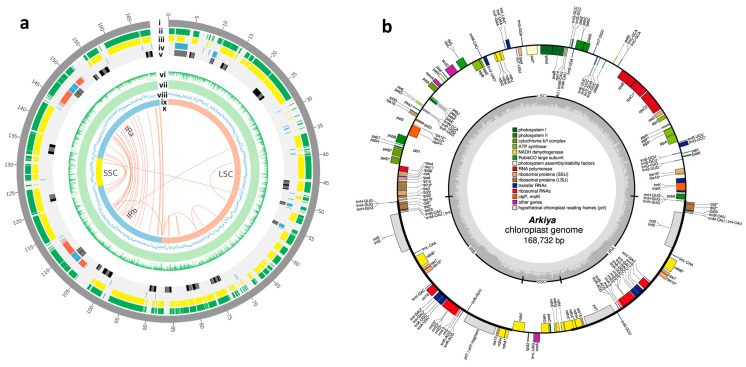 Figure 1
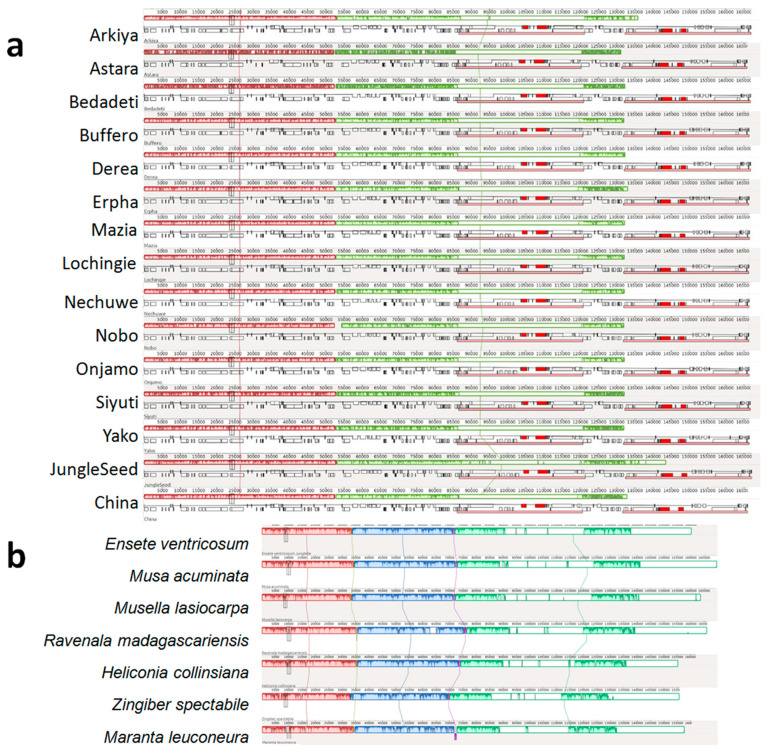 Figure 2
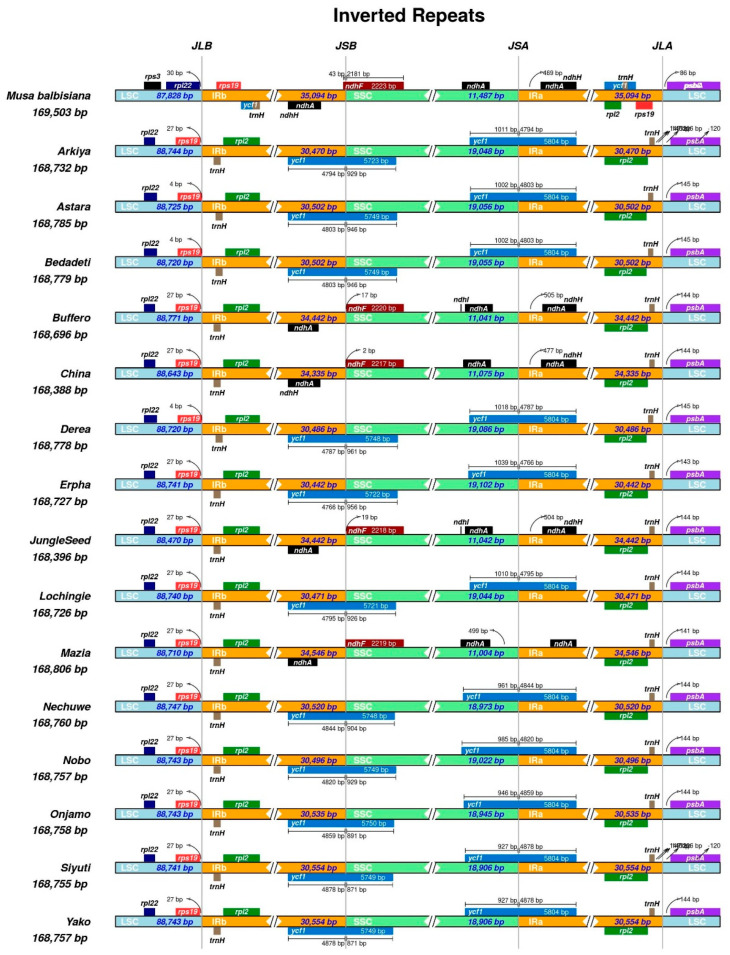 Figure 3
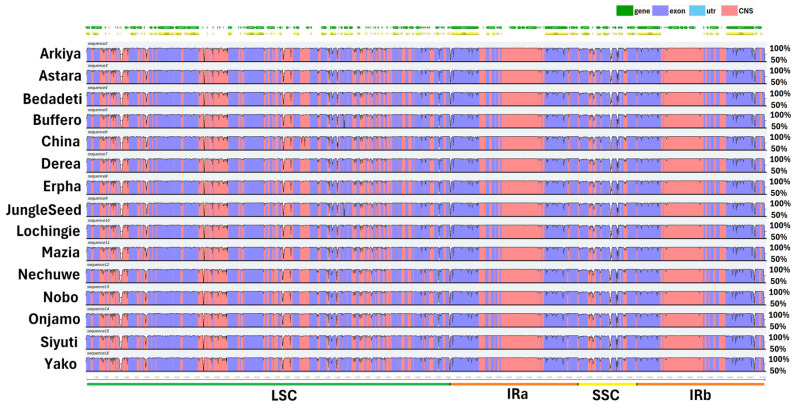 Figure 4
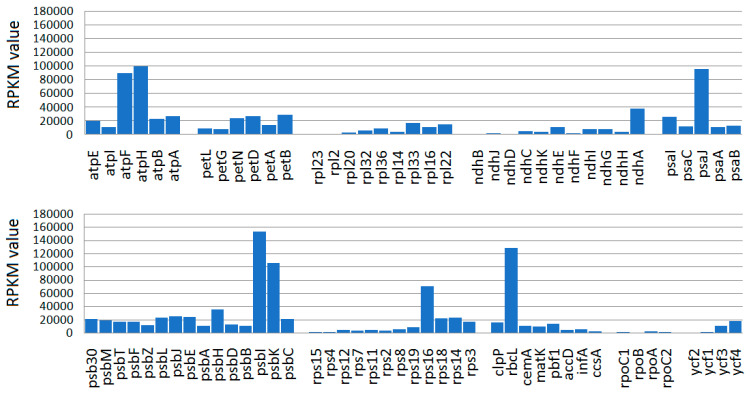 Figure 5
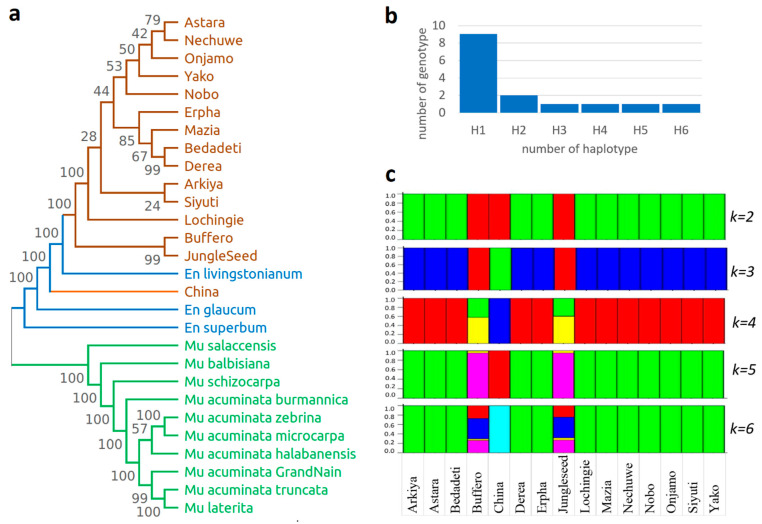 Figure 6
Peer Reviews
No public reviews on file for this paper yet. If you reviewed it on a platform where reviews are public (OpenReview, ICLR, NeurIPS, ICML), you can paste yours below so the community can read it here.
Videos
No videos yet. Explain this paper in a talk, walkthrough, or lecture? Add one.
Taxonomy
TopicsBanana Cultivation and Research · Genomics and Phylogenetic Studies · Mycorrhizal Fungi and Plant Interactions