The Nrf2 Inhibitor Brusatol Promotes Human Osteosarcoma (MG63) Growth and Blocks EB1089-Induced Differentiation
Emily Stephens, Alexander Greenhough, Jason P. Mansell

TL;DR
Brusatol, an Nrf2 inhibitor, unexpectedly promotes growth of human osteosarcoma cells and blocks their differentiation, suggesting it may not be a suitable treatment for this cancer.
Contribution
This study reveals that Brusatol promotes osteosarcoma cell growth and inhibits differentiation, contrary to its reported anti-cancer effects in other cancers.
Findings
Brusatol increased MG63 cell growth by 1.7-fold under normoxic conditions.
Brusatol blocked MG63 differentiation induced by EB1089 and lysophosphatidic acid by 2.8-fold.
Nrf2 activation with dimethyl fumarate did not reverse Brusatol's effects on MG63 cells.
Abstract
Survival rates for those with metastatic osteosarcoma (OS) have not improved over the last four decades. It is imperative that novel approaches to treating and curing OS be sought. We, therefore, turned our attention to Brusatol (Bru), a naturally occurring Nrf2 inhibitor reported to elicit anti-cancer effects in a multitude of tumour models. Importantly there is emerging evidence that Nrf2 is implicated in chemoradiotherapy resistance in OS and that inhibiting Nrf2 may represent a desirable route to treating OS. Surprisingly, using the human OS cell line, MG63, we actually found that Bru promoted cell growth. Compared to control, normoxic cultures, the application of Bru (50 nM) over 3 days led to an increase in cell number by approximately 1.7-fold. A similar outcome occurred for cells under hypoxic conditions, although the extent of cell growth was significantly less at around…
Genes, proteins, chemicals, diseases, species, mutations and cell lines named across the full text — each resolved to its canonical identifier and authoritative record.
Click any figure to enlarge with its caption.
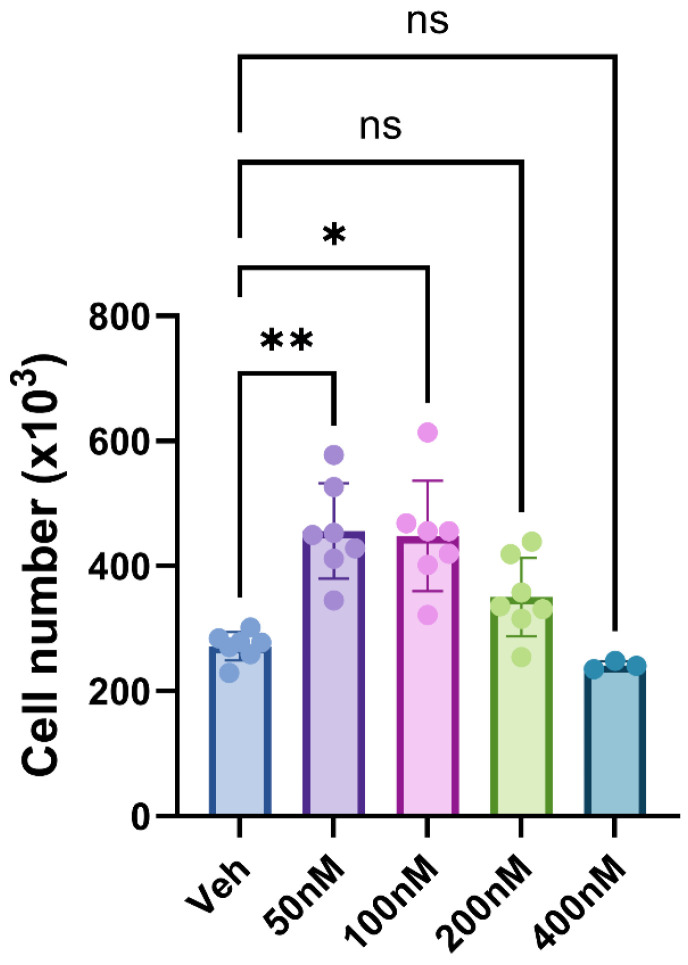 Figure 1
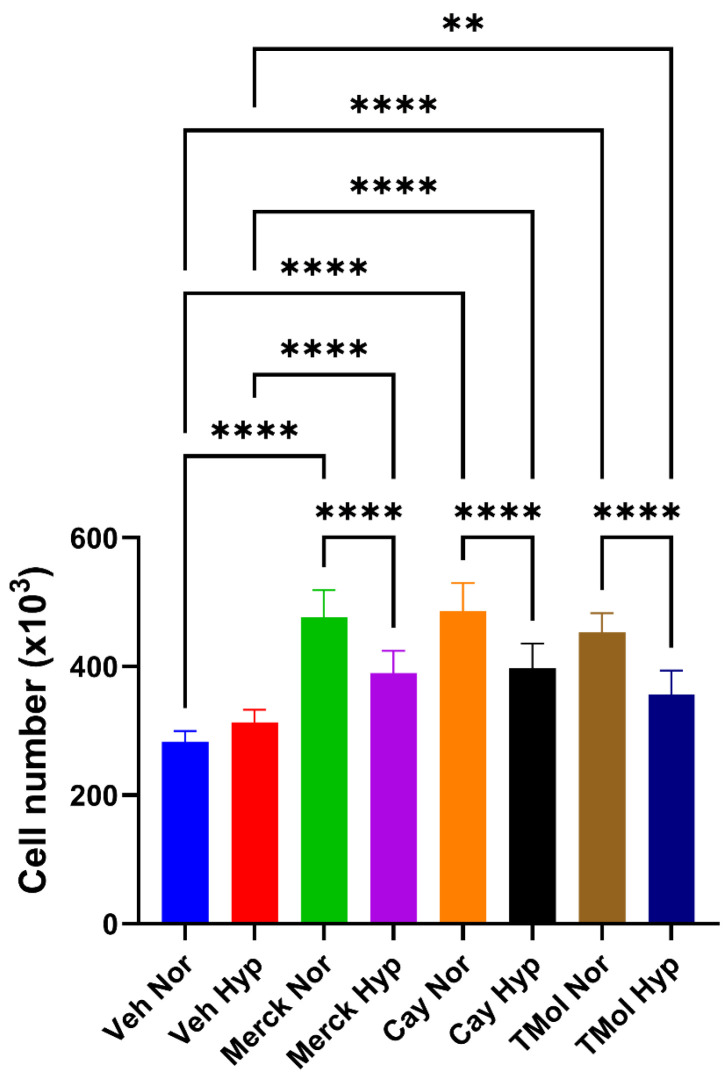 Figure 2
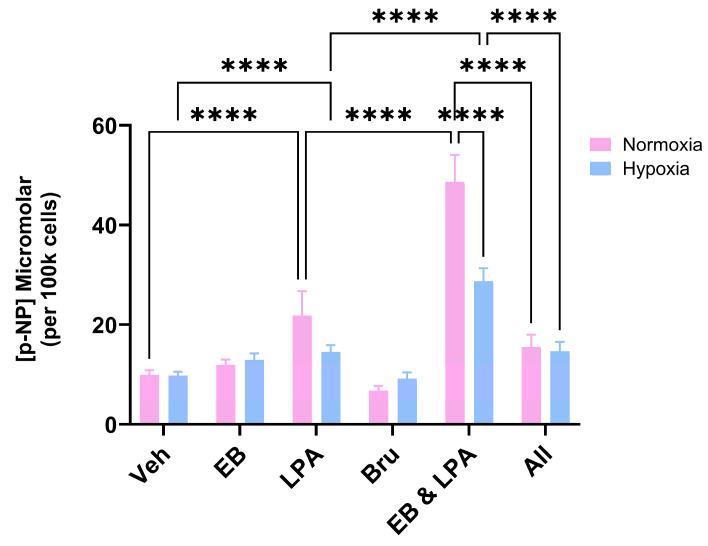 Figure 3
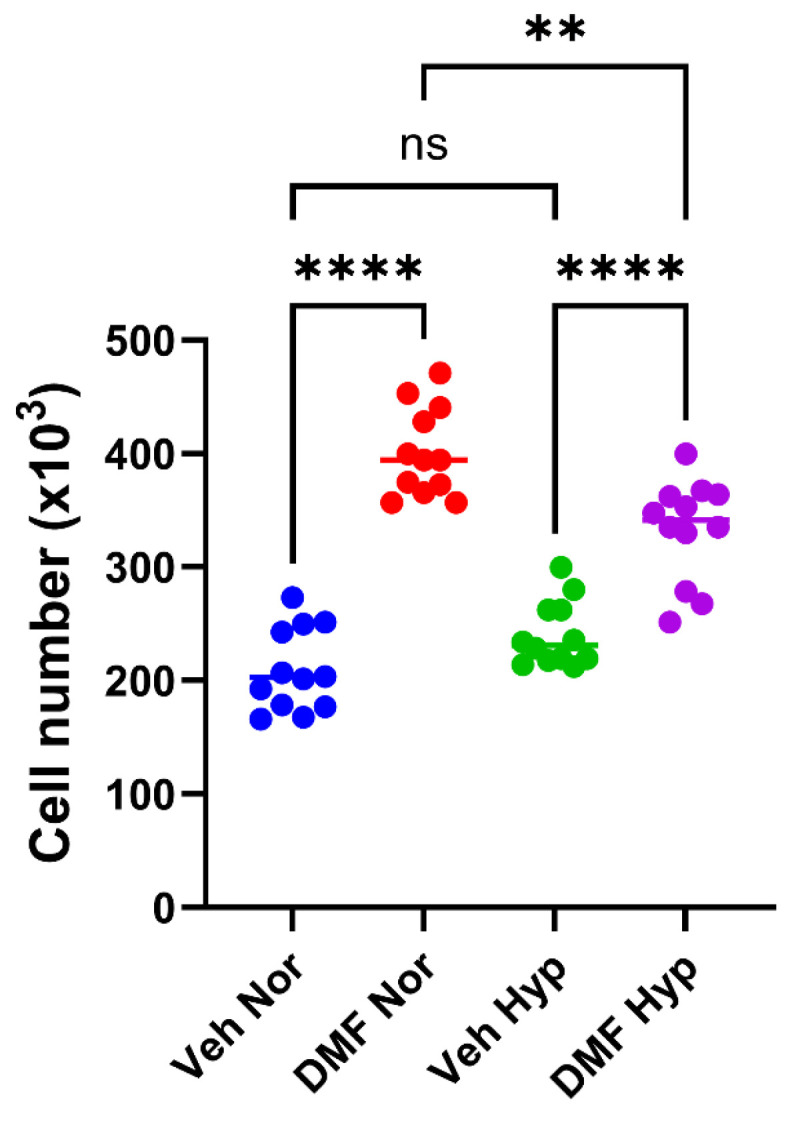 Figure 4
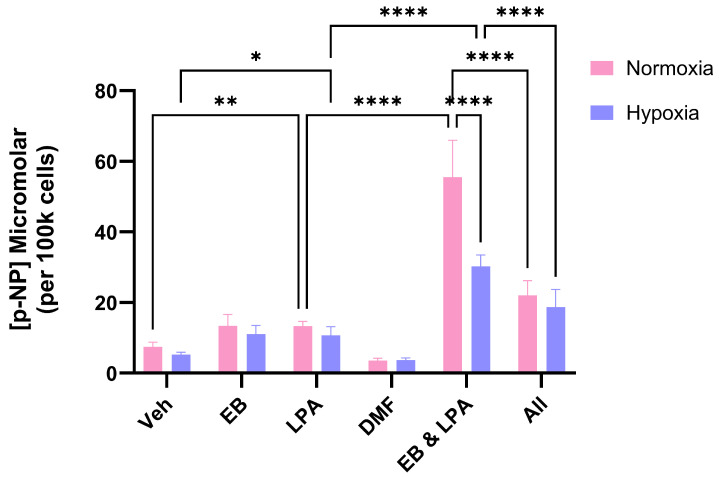 Figure 5
Peer Reviews
No public reviews on file for this paper yet. If you reviewed it on a platform where reviews are public (OpenReview, ICLR, NeurIPS, ICML), you can paste yours below so the community can read it here.
Videos
No videos yet. Explain this paper in a talk, walkthrough, or lecture? Add one.
Taxonomy
TopicsGenomics, phytochemicals, and oxidative stress · Glutathione Transferases and Polymorphisms · Estrogen and related hormone effects