Hsp70 Peptides Induce TREM-1-Dependent and TREM-1-Independent Activation of Cytotoxic Lymphocytes
Daria M. Yurkina, Elena A. Romanova, Aleksandr S. Chernov, Irina S. Gogleva, Anna V. Tvorogova, Alexey V. Feoktistov, Rustam H. Ziganshin, Denis V. Yashin, Lidia P. Sashchenko

TL;DR
This paper shows that Hsp70 peptides can activate immune cells in different ways, offering potential for cancer and inflammation treatments.
Contribution
The study identifies specific Hsp70 peptides that activate cytotoxic lymphocytes through TREM-1-dependent and TREM-1-independent mechanisms.
Findings
The N9 peptide activates CD94+ NK cells without interacting with TREM-1, leading to tumor cell death.
The N7 peptide activates NK cells and T lymphocytes via TREM-1, inducing apoptosis and necroptosis in tumor cells.
The N7.1 peptide inhibits TREM-1 interactions and shows protective effects in sepsis in mice.
Abstract
The novel data show that the Hsp70 protein is a potent activator of the immune system. Using limited trypsinolisis, we have identified the epitopes of Hsp70 responsible for TREM-1-dependent and TREM-1-independent cytotoxicity. The 11aa N9 peptide (AMTKDNNLLGR) contains nine amino acids that correspond to the amino acid sequence of the known TKD peptide. Also, like TKD, this peptide does not interact with the TREM-1 receptor but activates CD94+ NK cells that kill tumor cells by secreting granzymes and inducing apoptosis. The 16aa peptide N7 (SDNQPGVLIQVYEGEK) interacts with the TREM-1 receptor and induces the activation of NK cells and cytotoxic T lymphocytes at different time points. T-lymphocytes activated by this peptide induce two alternative processes of cell death in HLA-negative tumor cells, apoptosis and necroptosis, through the interaction of the FasL lymphocyte with the Fas…
Genes, proteins, chemicals, diseases, species, mutations and cell lines named across the full text — each resolved to its canonical identifier and authoritative record.
Click any figure to enlarge with its caption.
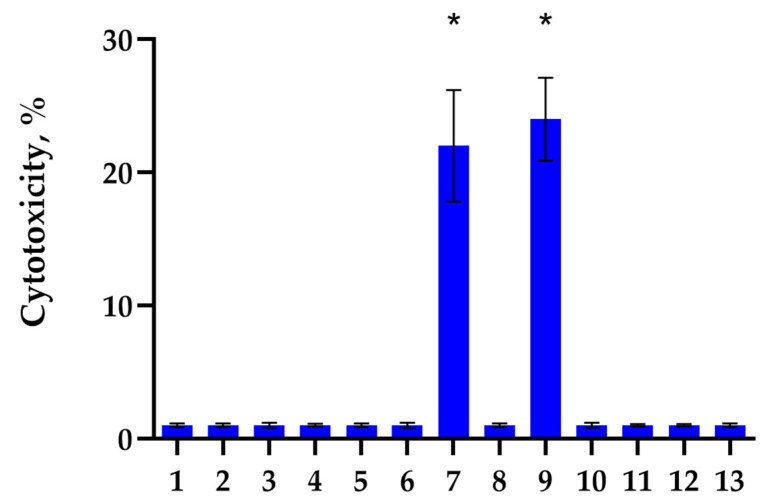 Figure 1
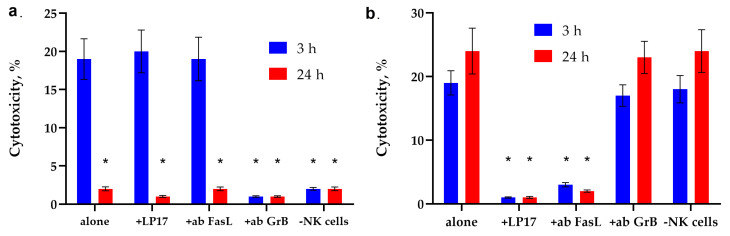 Figure 2
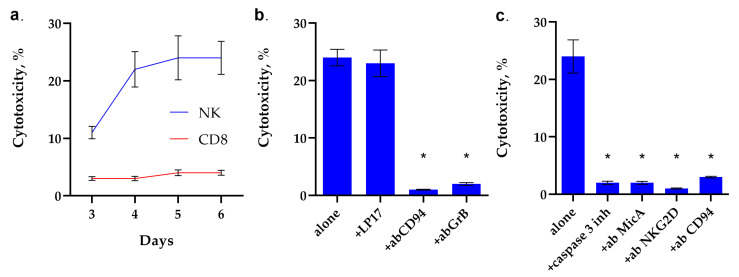 Figure 3
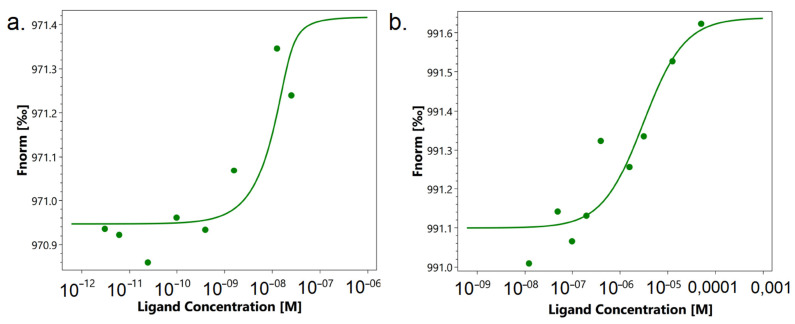 Figure 4
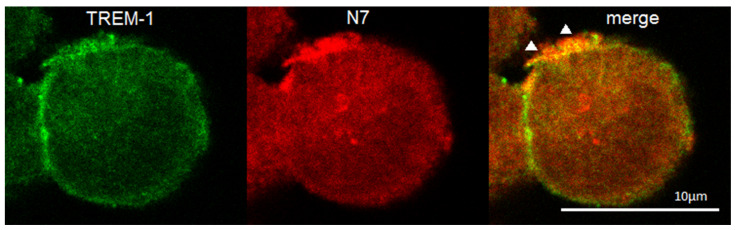 Figure 5
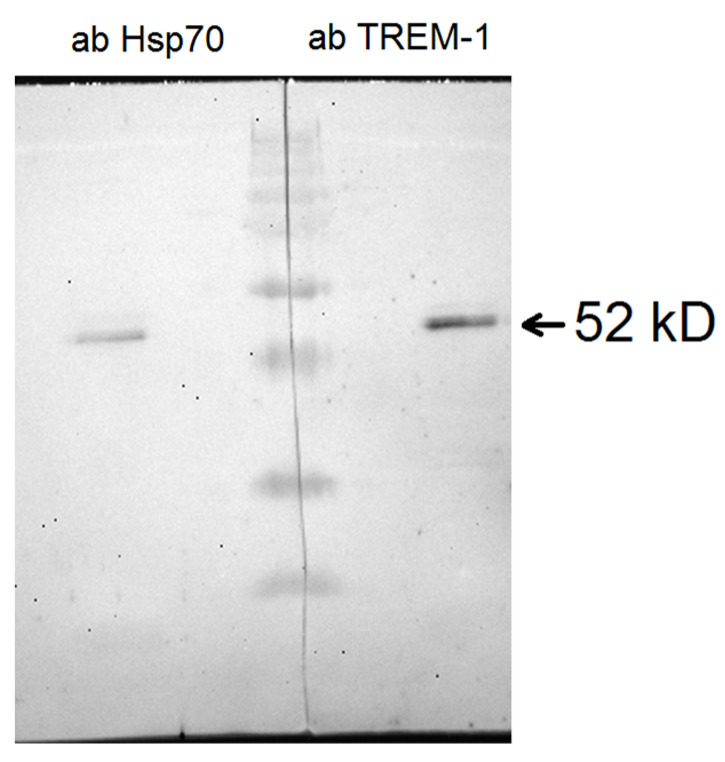 Figure 6
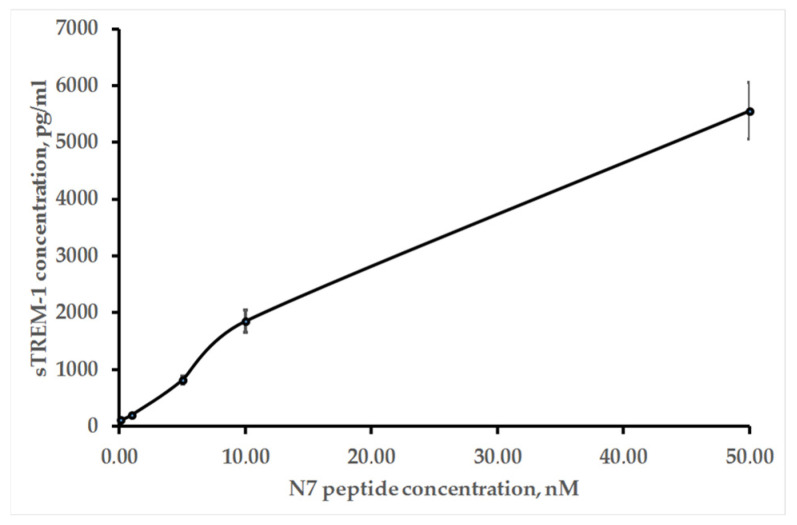 Figure 7
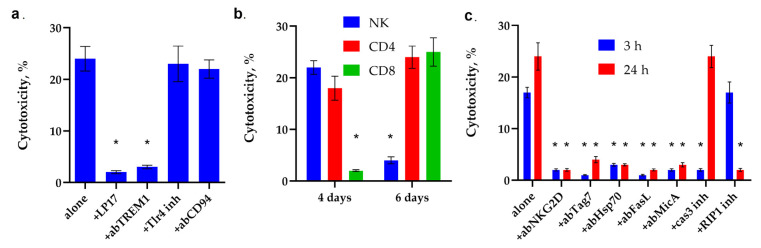 Figure 8
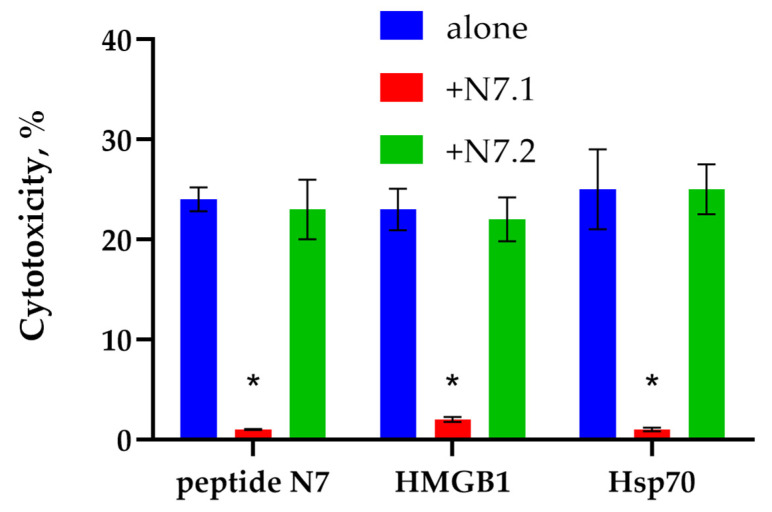 Figure 9
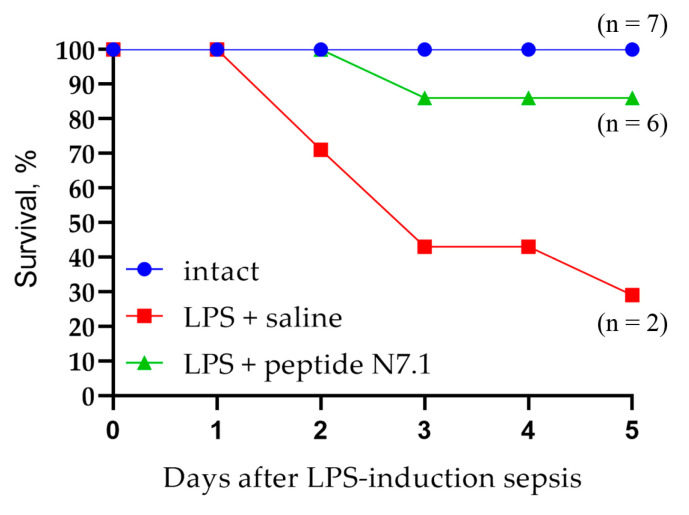 Figure 10
Peer Reviews
No public reviews on file for this paper yet. If you reviewed it on a platform where reviews are public (OpenReview, ICLR, NeurIPS, ICML), you can paste yours below so the community can read it here.
Videos
No videos yet. Explain this paper in a talk, walkthrough, or lecture? Add one.
Taxonomy
TopicsInflammation biomarkers and pathways · Public Health and Nutrition