Exploring the Role of Heat Shock Proteins in Neuroimmune Modulation in Rheumatoid Arthritis: Insights from a Rat Model
Malak Fouani, Federica Scalia, Giuseppe Donato Mangano, Francesca Rappa, Wassim Abou-Kheir, Angelo Leone, Nada Lawand, Rosario Barone

TL;DR
This study explores how heat shock proteins (HSPs) influence neuroimmune interactions in rheumatoid arthritis using a rat model, suggesting they could be a new treatment target.
Contribution
The study reveals that ketamine modulates HSP expression in the spinal cord of RA rats, linking HSPs to neurogenic inflammation and neurogenesis.
Findings
Hsp60, 70, and 90 expression levels changed significantly in the spinal cord of RA rats.
Ketamine modulates spinal cord HSPs, affecting neurogenic inflammation and adult neurogenesis in RA rats.
HSPs show potential as therapeutic targets due to their immunomodulatory and neuroimmune roles.
Abstract
Rheumatoid arthritis (RA) is a chronic inflammatory autoimmune disease affecting the joints, with neurogenic inflammation involving the nervous system being a hallmark of the condition. Treatments include medications such as disease-modifying antirheumatic drugs (DMARDs), corticosteroids, and biologics targeting inflammatory pathways. Yet, these treatments are not curative for RA. Heat Shock Proteins (HSPs) are molecular chaperones with immunoregulatory properties; however, their role is not yet fully understood, as these molecules may play a dual, pro- and anti-inflammatory role. In this study, we evaluated the protein expression levels of HSPs 27, 60, 70, and 90 in the synovial membrane and spinal cord of the RA rats’ model to determine their roles during the disease course, both on the neurological and immunological levels. Furthermore, HSP levels have been evaluated in the spinal…
Genes, proteins, chemicals, diseases, species, mutations and cell lines named across the full text — each resolved to its canonical identifier and authoritative record.
Click any figure to enlarge with its caption.
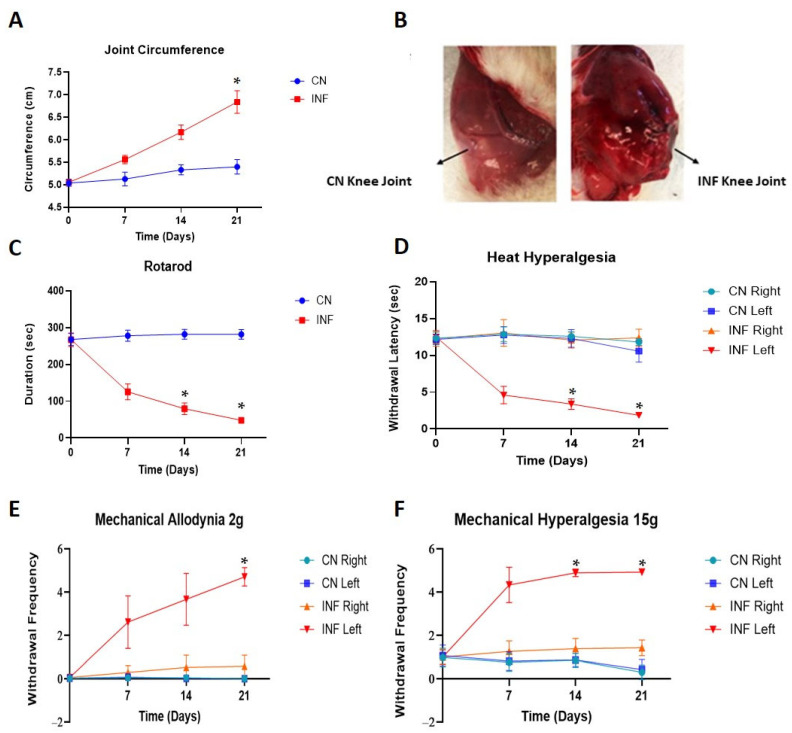 Figure 1
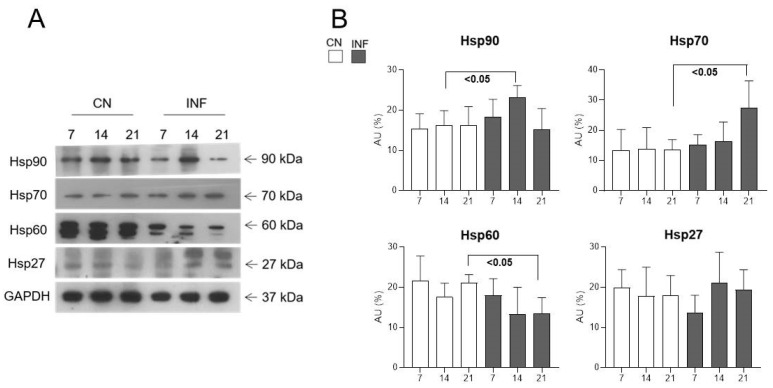 Figure 2
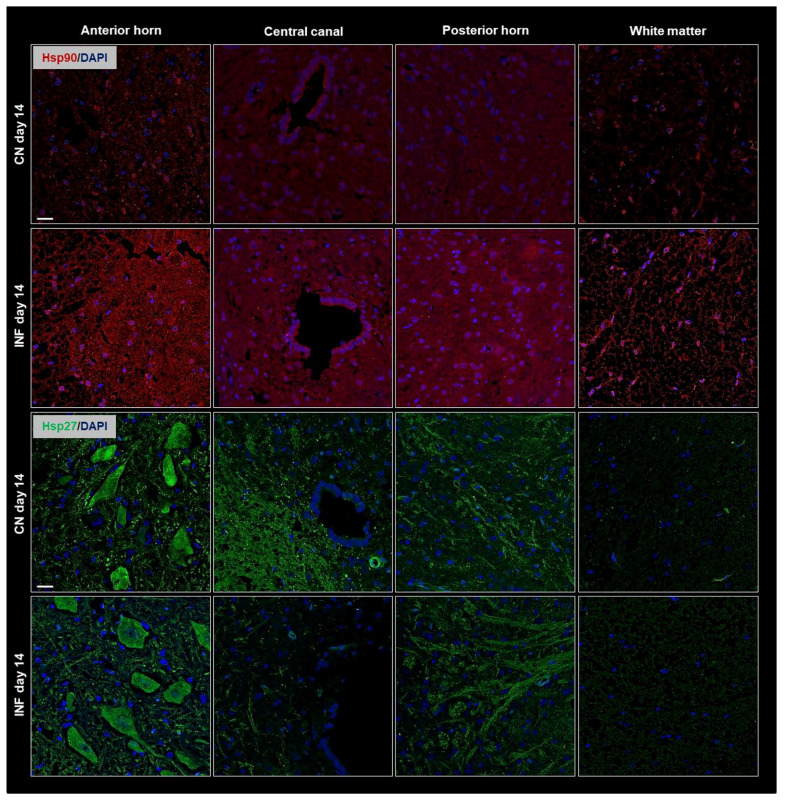 Figure 3
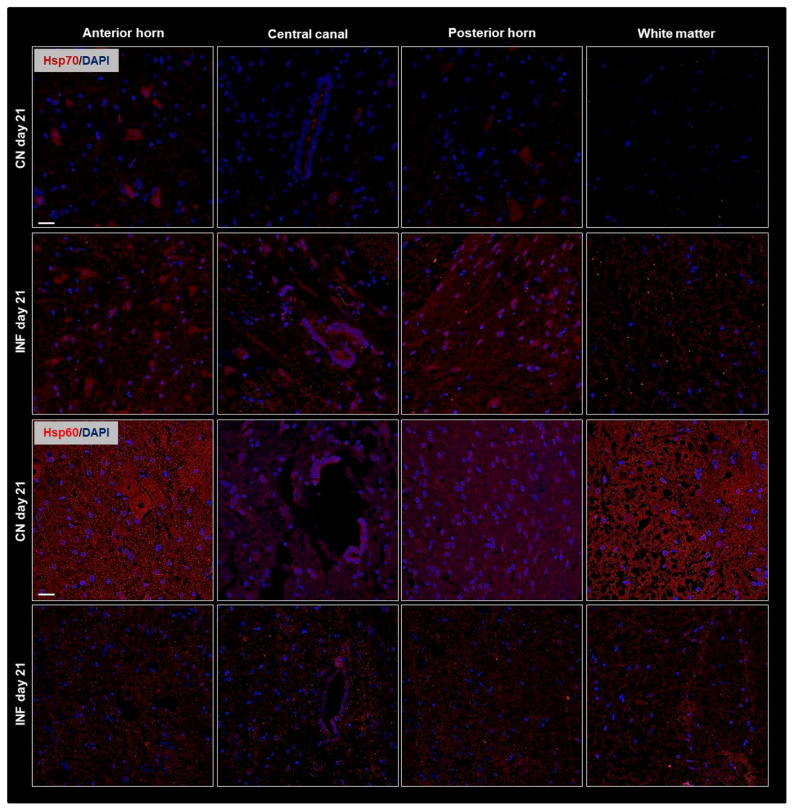 Figure 4
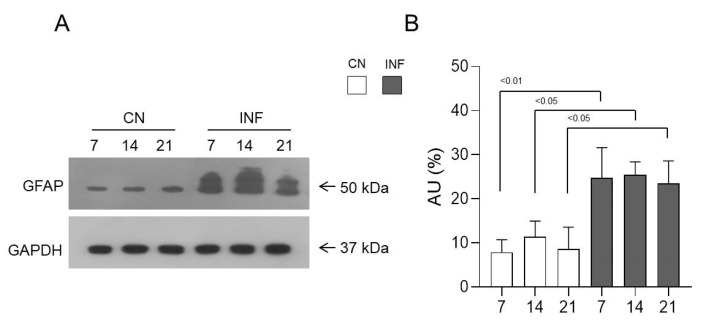 Figure 5
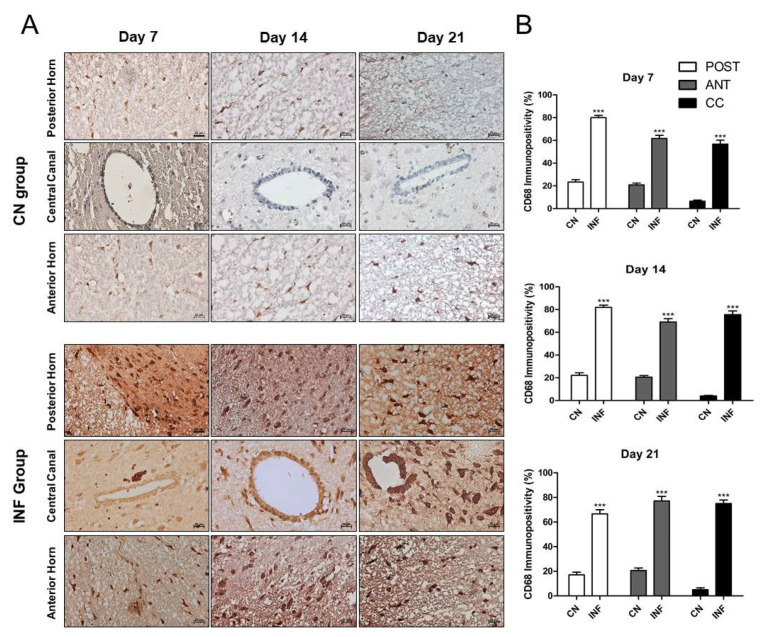 Figure 6
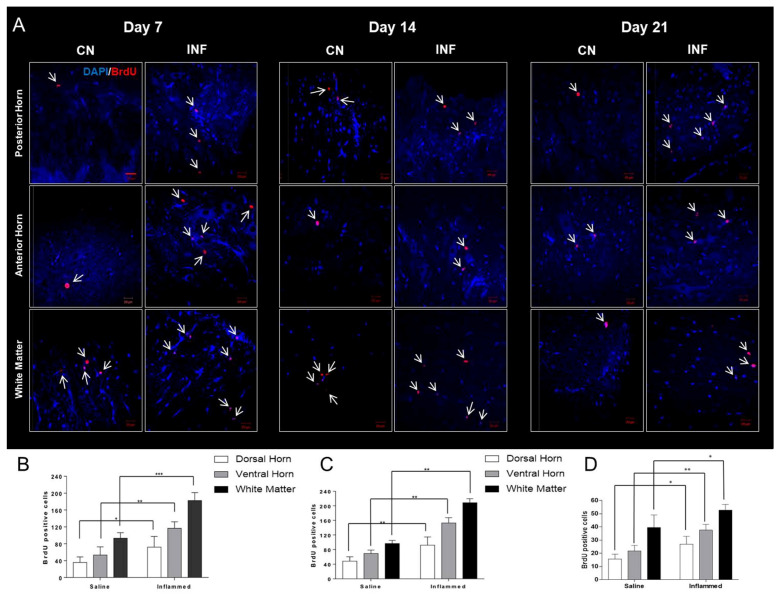 Figure 7
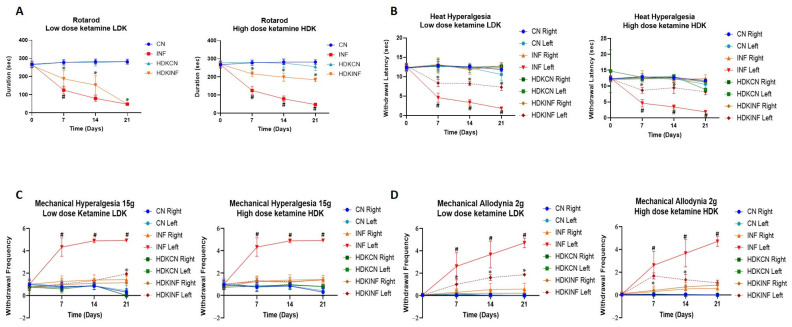 Figure 8
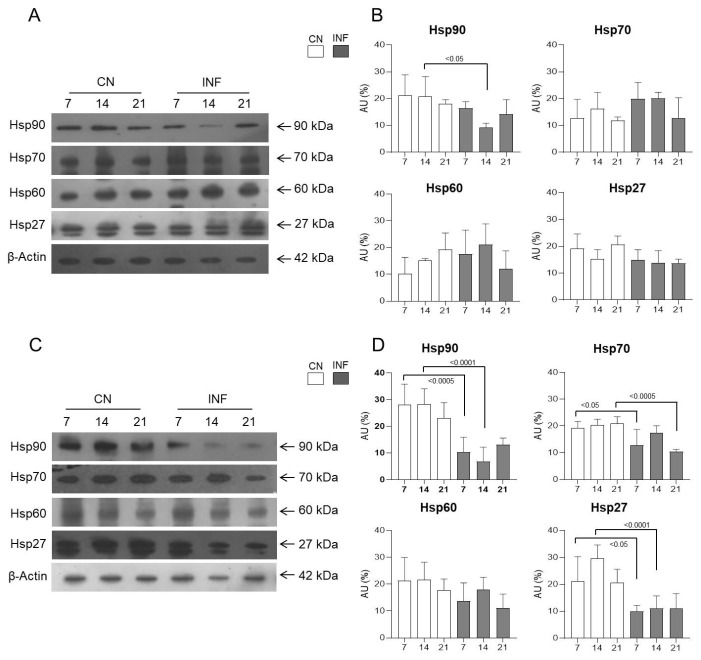 Figure 9
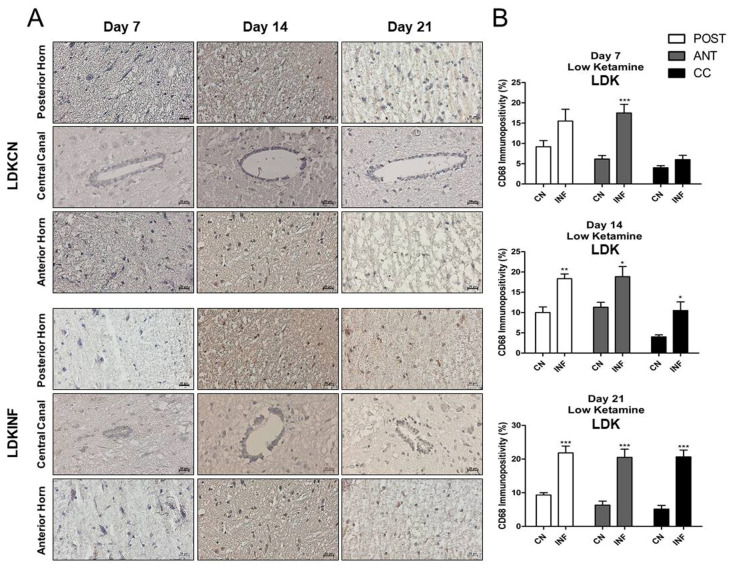 Figure 10
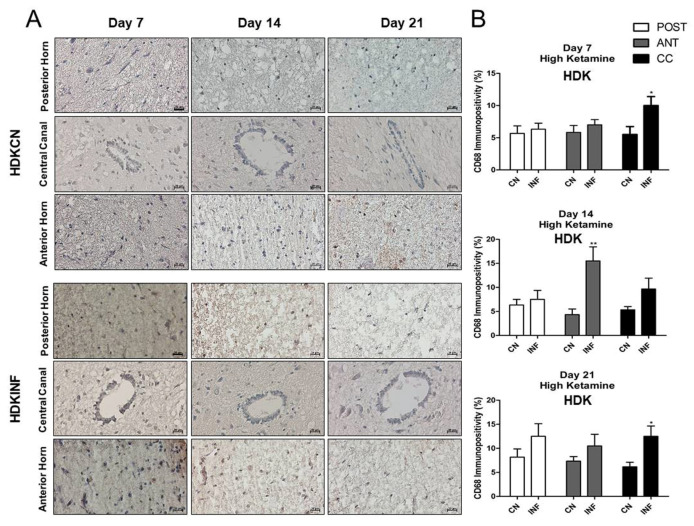 Figure 11
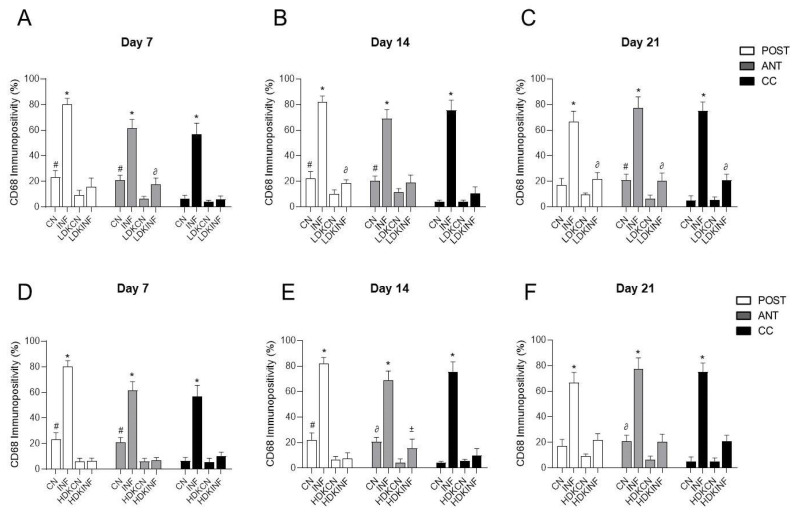 Figure 12
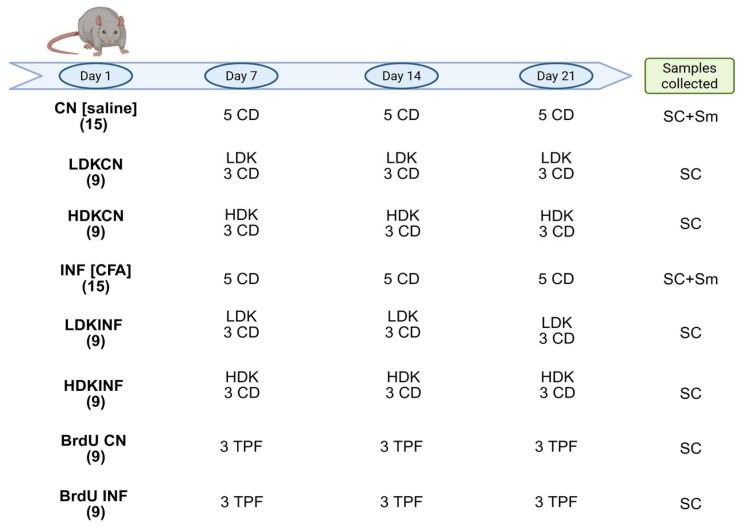 Figure 13
Peer Reviews
No public reviews on file for this paper yet. If you reviewed it on a platform where reviews are public (OpenReview, ICLR, NeurIPS, ICML), you can paste yours below so the community can read it here.
Videos
No videos yet. Explain this paper in a talk, walkthrough, or lecture? Add one.
Taxonomy
TopicsHeat shock proteins research · Hereditary Neurological Disorders · Pharmacological Effects of Natural Compounds