Unscheduled m6A Deposition in RNA via m6ATP Incorporation by DNA Polymerases
Fei Qu, Jeanpierre Fuente, Prem Chapagain, Yuan Liu

TL;DR
This study reveals a new way that m6A modifications in RNA can be created through DNA polymerases using m6ATP, which may be linked to cellular stress.
Contribution
The discovery of DNA polymerases incorporating m6ATP into RNA during gap-filling synthesis as a novel mechanism for unscheduled m6A deposition.
Findings
DNA polymerases pol β and pol η efficiently incorporate m6ATP into RNA during gap-filling synthesis.
m6ATP incorporation is comparable to ATP in efficiency and is governed by a base-stacking mechanism.
m6ATP levels in human cells correlate with oxidative stress biomarkers like 8-oxoGTP.
Abstract
N6-methyladenosine (m6A) is the most abundant modification of mRNA and plays a crucial role in mediating cellular functions, and it is associated with cancer and neurodegenerative diseases. Studies have shown that m6A is predominantly deposited on its consensus motif by the m6A writer proteins RNA methyltransferase METLL3/METLL14. However, it was found that nonconventional m6A deposition by other alternative pathways may also exist and can modulate epitranscriptomic regulation in cells. Thus, understanding the molecular mechanisms underlying nonconventional m6A deposition outside the canonical motifs will provide novel insights into the full scope of the functional impact of m6A. In this study, we discovered that m6ATP was efficiently incorporated by the repairing DNA polymerases pol β and pol η through RNA gap-filling synthesis on an RNA-DNA hybrid. Steady-state kinetics results showed…
Genes, proteins, chemicals, diseases, species, mutations and cell lines named across the full text — each resolved to its canonical identifier and authoritative record.
Click any figure to enlarge with its caption.
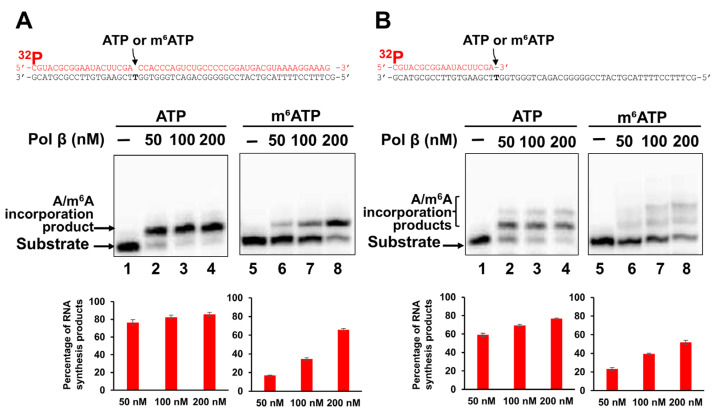 Figure 1
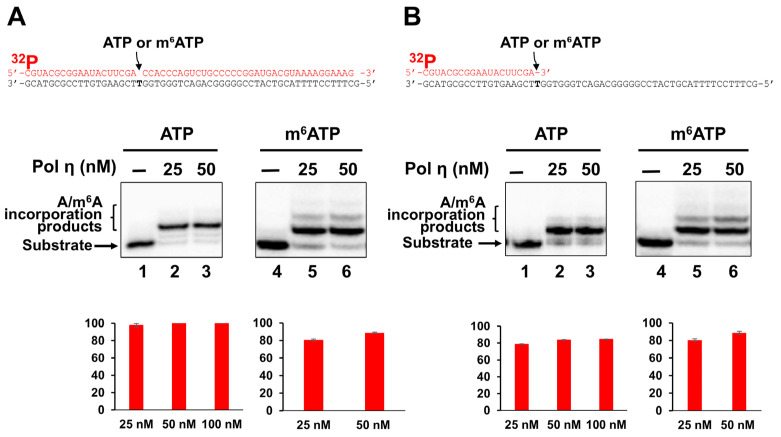 Figure 2
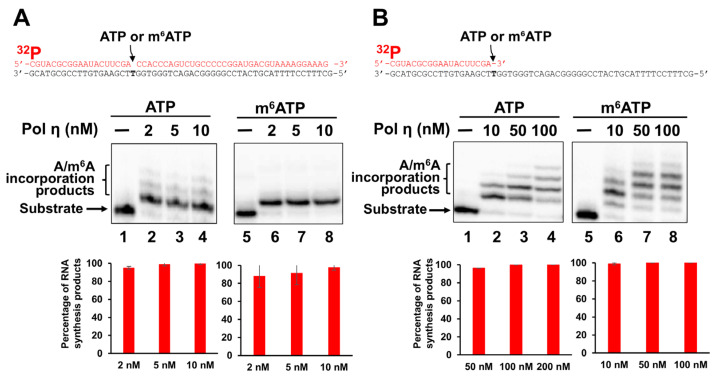 Figure 3
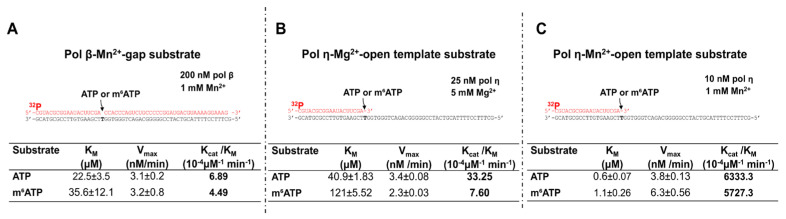 Figure 4
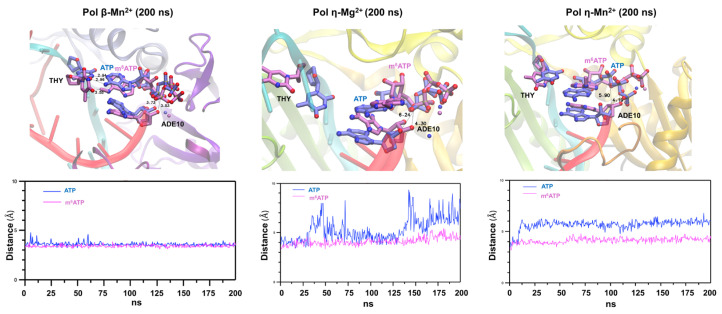 Figure 5
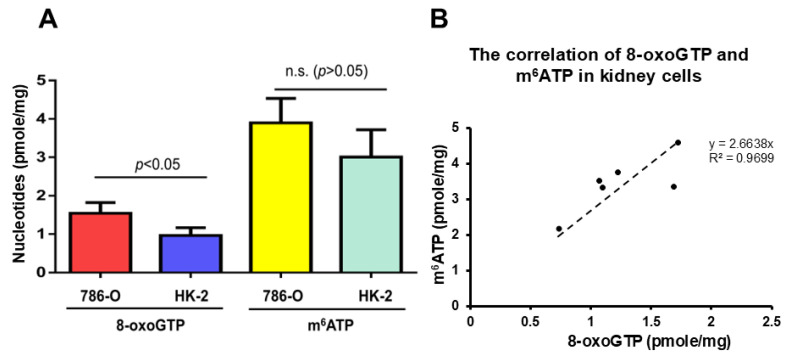 Figure 6
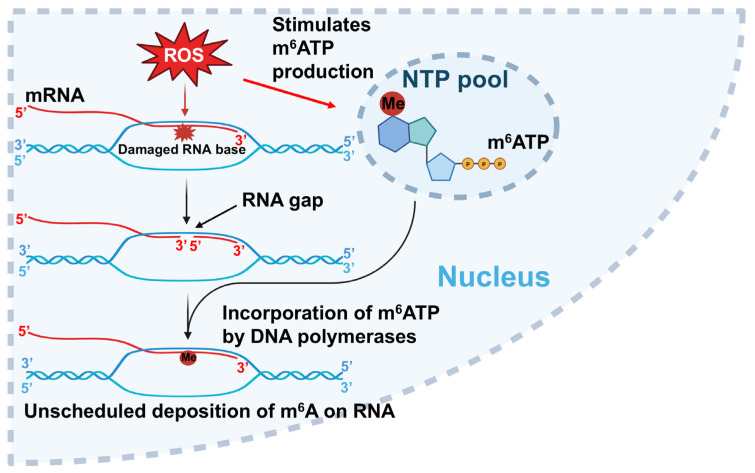 Figure 7
Peer Reviews
No public reviews on file for this paper yet. If you reviewed it on a platform where reviews are public (OpenReview, ICLR, NeurIPS, ICML), you can paste yours below so the community can read it here.
Videos
No videos yet. Explain this paper in a talk, walkthrough, or lecture? Add one.
Taxonomy
TopicsRNA modifications and cancer · Cancer-related gene regulation · Epigenetics and DNA Methylation